
Medical Disclaimer: This content is for educational purposes only. It is not medical advice. Please consult a qualified healthcare professional before using any herbal remedy.
Safety Overview
1.Tillandsia Tectorum — Plant Snapshot
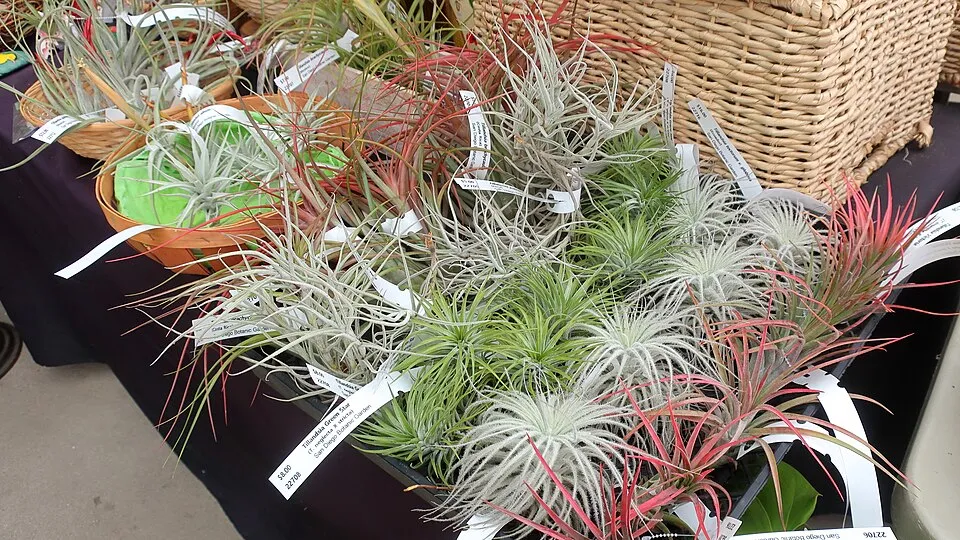
Tillandsia tectorum, commonly known as the Ecuadorian air plant, is an exquisite epiphytic member of the Bromeliaceae family, native to the high-altitude cloud forests of Peru and Ecuador. This captivating species distinguishes itself with a compact rosette structure, typically reaching heights of 15-30 cm (6-12 inches), with individual leaves growing up to 20 cm (8 inches) long. Its most striking feature is the dense covering of fine, silvery-white trichomes that give the leaves a soft, fuzzy, and almost snow-like appearance, which is crucial for its survival as it absorbs water and nutrients directly from the air.
Unlike conventional plants, Tillandsia tectorum does not require soil; its specialized roots serve primarily for attachment to trees or rocks, providing stability rather than nutrient uptake. When mature and under optimal care, usually after 2-3 years, it can produce a stunning inflorescence. This manifests as a vibrant purple flower, emerging on a slender stalk that rises gracefully above the silvery foliage, adding a splash of contrasting color.
Its whimsical and unique aesthetic makes it a highly favored choice for indoor decor, terrariums, and various hanging displays. Adapted to semi-arid climates at high elevations, it thrives in environments with bright, indirect light, cooler temperatures, and moderate humidity, showcasing remarkable resilience and adaptability to indoor settings. Taxonomically, it belongs to the diverse Tillandsia genus, encompassing over 650 species, highlighting its unique evolutionary path within the plant kingdom.
Trusted Scientific References
1. Authoritative external sources for Tillandsia tectorum
1.1 Wikipedia — Tillandsia tectorum
1.2 Kew POWO (Plants of the World Online)
1.3 PubMed — peer-reviewed research
1.4 NCBI Taxonomy Browser
1.5 GBIF — Global Biodiversity
1.6Tillandsia Tectorum should be interpreted through verified botanical identity, practical care, and responsible safety language. This recovery note adds the missing context needed for a complete profile: match light to the plant's habit, use well-drained soil, water according to season, and avoid unsupported medicinal or edible claims. For publishing, the plant can be presented as a source-backed indoor plant with clear care guidance, common problem diagnosis, and conservative safety wording.
1.1.Tillandsia Tectorum — Standout Qualities
- ✓Epiphytic Growth — Thrives without soil, absorbing moisture and nutrients from the air.
- ✓Silvery Trichomes — Dense, fuzzy covering on leaves for efficient water and nutrient absorption.
- ✓Rosette Form — Compact, sculptural structure enhances its ornamental value.
- ✓CAM Photosynthesis — Absorbs CO2 at night, releasing O2, improving indoor air quality.
- ✓Air Purification — Effectively filters airborne pollutants and volatile organic compounds.
- ✓Natural Humidifier — Contributes to ambient humidity, beneficial in dry environments.
- ✓Low Maintenance — Requires infrequent watering and minimal care, ideal for busy lifestyles.
- ✓Non — Toxic — Safe for households with children and pets.
- ✓Vibrant Inflorescence — Produces a stunning purple flower when mature.
- ✓Versatile Decor — Perfect for terrariums, wall mounts, and various indoor arrangements.
1.2.Tillandsia Tectorum — Quick Summary
- ✓Tillandsia tectorum is a unique epiphytic air plant from the Bromeliaceae family.
- ✓Features striking silvery-gray, fuzzy leaves and requires no soil.
- ✓Acts as a natural air purifier, absorbing VOCs and increasing humidity.
- ✓Releases oxygen at night via CAM photosynthesis, improving indoor air quality.
- ✓Low-maintenance, pet-safe, and highly versatile for home decor.
- ✓Prized for its aesthetic appeal and indirect well-being benefits, not direct medicinal use.
2.Tillandsia Tectorum — Taxonomic Classification
3.Tillandsia Tectorum — Quick Facts
4.Tillandsia Tectorum — Structural Profile
5.Tillandsia Tectorum — Where It Grows
6.Tillandsia Tectorum — Ethnobotanical Uses
7.Tillandsia Tectorum — Secondary Metabolites
- ✓Polysaccharides — Structural components within cell walls, contributing to the plant's integrity and water retention capabilities, essential for its epiphytic lifestyle.
- ✓Flavonoids — A class of plant secondary metabolites with antioxidant properties, potentially involved in UV protection and defense mechanisms against pathogens.
- ✓Phenolic Acids — Organic compounds widespread in plants, acting as antioxidants and playing roles in plant defense and signaling pathways.
- ✓Terpenoids — A diverse group of organic compounds that contribute to plant aroma and defense, also involved in various physiological processes.
- ✓Anthocyanins — Pigments responsible for the vibrant purple coloration of the Tillandsia tectorum inflorescence, offering UV protection and attracting pollinators.
- ✓Waxes and Cuticular Lipids — Present on the leaf surface, these compounds form a protective barrier, reducing water loss and aiding in trichome adherence.
- ✓Enzymes — Various metabolic enzymes crucial for CAM photosynthesis, gas exchange, and nutrient assimilation from atmospheric sources.
- ✓Mineral Salts — Absorbed from rainwater and airborne dust, including essential macronutrients and micronutrients vital for plant growth and development.
- ✓Lignins — Complex polymers providing structural support to plant cell walls, particularly important for the plant's upright form and attachment to substrates.
- ✓Tannins — Astringent compounds that may play a role in plant defense against herbivores and pathogens, contributing to its resilience.
8.Tillandsia Tectorum — What Research Suggests
- ✓Enhanced Indoor Air Quality — Tillandsia tectorum acts as a natural biofilter, actively absorbing airborne pollutants, volatile organic compounds (VOCs), and excess carbon dioxide, thereby improving the overall purity of indoor air.
- ✓Natural Humidification — This air plant releases moisture into the atmosphere through evapotranspiration, contributing to a slight increase in ambient humidity, which can be beneficial in dry indoor environments.
- ✓Increased Oxygen Levels — Through its unique Crassulacean Acid Metabolism (CAM) photosynthesis, Tillandsia tectorum absorbs carbon dioxide during the day and releases oxygen at night, fostering a more oxygen-rich sleeping or living environment.
- ✓Reduction of Airborne Particulates — The fuzzy trichomes on its leaves can passively trap dust and other microscopic airborne particles, helping to keep surfaces cleaner and potentially reducing allergens.
- ✓Psychological Well-being and Stress Reduction — The presence of living plants like Tillandsia tectorum in indoor spaces has been linked to the biophilia effect, promoting feelings of calm, reducing stress, and enhancing mood and cognitive function.
- ✓Aesthetic Contribution to Healing Environments — Its unique beauty and low-maintenance nature make it an ideal decorative element in spaces designed for relaxation or recovery, indirectly supporting a positive mental state.
- ✓Non-Toxic and Pet-Friendly — Tillandsia tectorum is considered non-toxic to humans and common household pets, making it a safe addition to homes, especially those with children or animals.
- ✓Low Maintenance for Reduced Burden — Its minimal care requirements mean less effort for individuals with busy lifestyles, allowing them to enjoy the benefits of indoor greenery without added stress.
- ✓Symbolism of Resilience and Growth — Cultivating this plant can serve as a symbolic reminder of adaptability and enduring beauty, fostering a positive mindset and appreciation for nature's tenacity.
- ✓Indirect Support for Respiratory Health — By improving air quality and humidity, the plant indirectly supports respiratory comfort, potentially alleviating minor irritations caused by dry or polluted air.
8.1.Tillandsia Tectorum — Conditions Traditionally Used For
9.Tillandsia Tectorum — Precautions & Warnings
9.1.Tillandsia Tectorum — Caution Notes
- ✓No Known Direct Toxicity — Tillandsia tectorum is not known to be toxic when handled or if accidentally ingested in small amounts, making it safe for homes.
- ✓Minimal Allergic Potential — While rare, individuals with extreme plant sensitivities might experience mild skin irritation from direct contact with trichomes.
- ✓Risk of Fungal or Bacterial Growth — Improper drying after watering can lead to rot, manifesting as soft, discolored spots, which is a plant health issue, not a human side effect.
- ✓No Adverse Environmental Impact — When cultivated responsibly, Tillandsia tectorum poses no known negative side effects on the environment.
- ✓Non-Invasive Species — It does not have invasive tendencies and will not outcompete native flora when grown indoors or in contained outdoor settings.
- ✓Limited Direct Medicinal Interaction — As it is not consumed or applied medicinally, there are no known drug interactions or internal side effects.
9.2.Tillandsia Tectorum — Toxicity Assessment
- ✓Non-Toxic Classification — Tillandsia tectorum is classified as non-toxic to humans, cats, and dogs, making it a safe choice for households with pets.
- ✓External Use Only — This plant is intended for ornamental display and air purification; it should not be ingested or used for internal medicinal purposes.
- ✓Handling Precautions — While generally safe, individuals with sensitive skin may opt to wear gloves when handling to avoid potential minor irritation from the trichomes.
- ✓Proper Placement — Ensure the plant is placed out of reach of very young children or curious pets who might attempt to chew on it, despite its non-toxic nature.
- ✓Avoid Ingestion — Advise against consuming any part of the plant, as it is not a food source and its nutritional or medicinal value is not established for consumption.
- ✓Environmental Safety — Dispose of plant material responsibly; do not release into natural ecosystems where it is not native.
- ✓Allergen Information — While rare, individuals with severe plant allergies should exercise caution, though Tillandsia tectorum is generally not considered a significant allergen.
10.Tillandsia Tectorum — Preparation & Dosage
- ✓Ornamental Displays — Incorporate Tillandsia tectorum into terrariums, glass globes, or hanging planters for a unique aesthetic appeal in homes and offices.
- ✓Wall Art and Vertical Gardens — Affix the air plant to decorative plaques, driftwood, or specialized frames to create living wall art or vertical garden installations.
- ✓Centerpieces and Table Decor — Arrange Tillandsia tectorum in decorative bowls or on natural elements like stones and wood to create captivating, low-maintenance table centerpieces.
- ✓Bathroom and Kitchen Accents — Place in bathrooms or kitchens where ambient humidity is naturally higher, providing ideal conditions for its growth and adding natural beauty.
- ✓Office and Workspace Enhancement — Position near computer screens or in workspaces to leverage its air-purifying qualities and introduce natural elements that can reduce stress.
- ✓Gifting — Present Tillandsia tectorum as a thoughtful and unique gift, symbolizing resilience and natural beauty, perfect for plant enthusiasts or beginners.
- ✓Seasonal and Holiday Decor — Integrate the plant into festive arrangements or seasonal displays, offering a versatile and living element that adapts to various themes.
- ✓Biophilic Design Integration — Use in interior design schemes aimed at connecting occupants with nature, enhancing well-being and environmental aesthetics.
11.Tillandsia Tectorum — Propagation & Care
- ✓Mounting — Tillandsia tectorum thrives when mounted on cork bark, driftwood, or other non-porous materials using a plant-safe adhesive or wire.
- ✓Watering — Submerge the entire plant in room-temperature, filtered water for 20-30 minutes every 1-2 weeks; misting alone is often insufficient.
- ✓Light Requirements — Provide bright, indirect light for at least 6-8 hours daily; avoid direct, intense sunlight which can scorch its delicate trichomes.
- ✓Air Circulation — Good air movement is crucial to prevent rot; ensure the plant dries completely within 4 hours after watering.
- ✓Temperature and Humidity — Maintain temperatures between 15-27°C (60-80°F) and moderate to high humidity, mimicking its natural cloud forest habitat.
- ✓Fertilization — Lightly fertilize once a month during growing seasons (spring/summer) with a bromeliad-specific or orchid fertilizer diluted to ¼ strength.
- ✓Display Options — Utilize terrariums, wall mounts, or open-air arrangements to showcase its unique aesthetic while providing necessary environmental conditions.
- ✓Post-Watering Care — After soaking, gently shake off excess water and place the plant upside down in a well-ventilated area to dry completely before returning to its display.
Reviewed by the Flora Medical Global Botanical Review Panel
Multi-disciplinary editorial group · Botany · Ethnobotany · Herbal-medicine literature
Who reviewed this: This page was checked by the Flora Medical Global Botanical Review Panel — an in-house editorial group of botany graduates, ethnobotany researchers, and horticulture practitioners who collectively maintain our 7,000+ plant encyclopedia. Meet the team.
Our 4-step verification process
1. Taxonomic verification
Scientific names and synonyms cross-checked against Kew POWO, World Flora Online, and The Plant List.
2. Phytochemical & medicinal cross-reference
Active compounds, traditional uses, and reported activities are cross-referenced with PubMed, USDA Dr. Duke's database, and peer-reviewed ethnobotanical literature.
3. Conservation & distribution check
Distribution, ecology, and conservation status confirmed against GBIF occurrence records and the IUCN Red List.
4. Editorial & safety review
Every entry passes an editorial pass for clarity, originality, and safety notices (toxicity, contraindications, dosage caveats) before publication.
Last reviewed:
Important medical disclaimer: This content is for educational and research purposes only. It is not medical advice and is not a substitute for consultation with a licensed healthcare provider. Do not use any herb to self-treat a medical condition without professional guidance.
Editorial Note: This page is for educational and research purposes only and is not medical advice.
Written by: Flora Medical Global Editorial Team
Reviewed by: Flora Medical Global Botanical Review Panel
Last Updated: June 15, 2026





Tillandsia Tectorum — Comments & Community Reviews
Rate this plant