

Medical Disclaimer: This content is for educational purposes only. It is not medical advice. Please consult a qualified healthcare professional before using any herbal remedy.
Safety Overview
1.Tomato — At a Glance
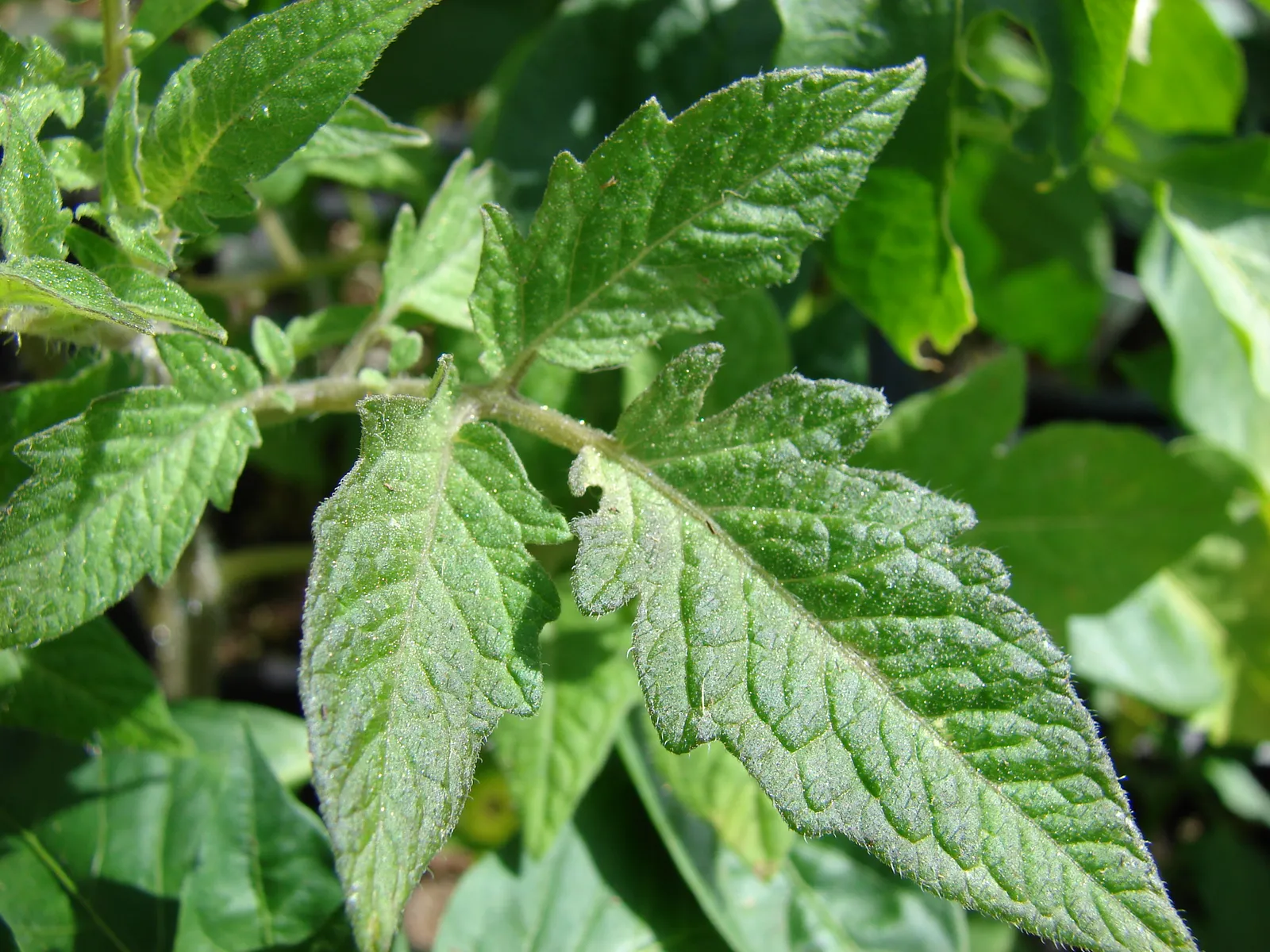
The tomato, scientifically known as Solanum lycopersicum, is a widely cultivated flowering plant belonging to the nightshade family, Solanaceae. Botanically, its edible fruit is classified as a berry, yet it is universally embraced as a culinary vegetable due to its distinct savory flavor profile. Native to the Andean regions of western South America, extending through Central America and Mexico, the tomato has transcended its origins to become a global agricultural staple, grown for its incredibly versatile fruits.
The plant typically exhibits a sprawling, vining growth habit, often necessitating structural support for optimal development. It yields fruits in an astonishing diversity of forms, sizes, and hues, ranging from miniature cherry tomatoes to substantial beefsteaks, and colors spanning vibrant reds, sunny yellows, deep oranges, verdant greens, and even rich purples. The etymology of its scientific name, Solanum lycopersicum, carries historical intrigue, with 'lycopersicum' translating to 'wolf peach,' a nod to ancient European folklore.
Valued for its complex tangy, sweet, and umami notes, the tomato is a foundational ingredient in myriad cuisines worldwide, enjoyed fresh, cooked, or processed into essential products like sauces, pastes, and juices, forming the heart of countless beloved dishes.
Trusted Scientific References
1. Authoritative external sources for Solanum lycopersicum
1.1 Wikipedia — Solanum lycopersicum
1.2 Kew POWO (Plants of the World Online)
1.3 PubMed — peer-reviewed research
1.4 NCBI Taxonomy Browser
1.5 GBIF — Global Biodiversity
1.6Tomato should be interpreted through verified botanical identity, practical care, and responsible safety language. This recovery note adds the missing context needed for a complete profile: match light to the plant's habit, use well-drained soil, water according to season, and avoid unsupported medicinal or edible claims. For publishing, the plant can be presented as a source-backed garden plant with clear care guidance, common problem diagnosis, and conservative safety wording.
1.1.Tomato — Highlights
- ✓Botanical Classification — Fruit (berry) from the Solanaceae family, widely used as a culinary vegetable.
- ✓Nutritional Powerhouse — Excellent source of vitamins (C, K, Folate) and minerals (Potassium).
- ✓Lycopene Rich — Primary source of the potent antioxidant lycopene, especially in cooked forms.
- ✓Antioxidant Properties — High content of carotenoids, flavonoids, and phenolic acids combats oxidative stress.
- ✓Global Cultivation — One of the most widely grown and consumed produce items worldwide.
- ✓Culinary Versatility — Integral to diverse cuisines, used fresh, cooked, processed into sauces, pastes, and juices.
- ✓Diverse Varieties — Thousands of cultivars exist, varying in size, shape, color, and flavor profiles.
- ✓Anti — inflammatory Compounds — Contains quercetin and kaempferol, contributing to its health benefits.
- ✓Cardiovascular Support — Contributes to heart health by reducing cholesterol oxidation and improving blood pressure.
- ✓Skin and Vision Health — Supports collagen production, offers UV protection, and protects against macular degeneration.
1.2.Tomato — In Brief
- ✓Solanum lycopersicum is botanically a fruit, culinarily a vegetable, and a global food staple.
- ✓Rich in lycopene, Vitamin C, Vitamin K, and potassium, offering significant health benefits.
- ✓Known for its powerful antioxidant properties, supporting cardiovascular health and cancer prevention.
- ✓Versatile in culinary applications, from fresh salads to cooked sauces and juices.
- ✓Cooking tomatoes enhances the bioavailability of lycopene, maximizing its health impact.
- ✓Generally safe, but unripe fruits and excessive consumption require caution for sensitive individuals.
2.Tomato — Scientific Identity
3.Tomato — Key Data
4.Tomato — Physical Description
5.Tomato — Native Range & Habitat
6.Tomato — Traditional Uses
7.Tomato — Chemical Profile
- ✓Carotenoids — Predominantly lycopene (responsible for red color, potent antioxidant, especially bioavailable when cooked), alongside beta-carotene, lutein, and zeaxanthin, which are crucial for vision and antioxidant defense.
- ✓Vitamins — Excellent source of Vitamin C (ascorbic acid, vital antioxidant for immune function and collagen), Vitamin K (phylloquinone, essential for blood clotting and bone health), and Folate (Vitamin B9, crucial for cell growth and DNA synthesis).
- ✓Minerals — Rich in Potassium (essential for blood pressure regulation and fluid balance), as well as smaller amounts of Magnesium, Phosphorus, and Copper, which support various physiological processes.
- ✓Flavonoids — Includes quercetin and kaempferol, potent plant pigments with significant antioxidant and anti-inflammatory properties that contribute to cellular protection.
- ✓Phenolic Acids — Contains chlorogenic acid and caffeic acid, which possess antioxidant activity and contribute to the plant's defense mechanisms and potential health benefits.
- ✓Organic Acids — Malic acid and citric acid contribute to the characteristic tangy flavor and play roles in cellular metabolism.
- ✓Glycoalkaloids — Unripe tomatoes contain alpha-tomatine, a natural defense compound with antimicrobial and antifungal properties, which diminishes significantly upon ripening.
- ✓Fiber — Both soluble and insoluble dietary fibers are present, aiding in digestive health, promoting satiety, and helping regulate blood sugar levels.
8.Tomato — Evidence-Based Benefits
- ✓Cardiovascular Health Support — Tomatoes are rich in lycopene, a potent antioxidant that helps reduce LDL cholesterol oxidation and improves endothelial function, contributing to lower risk of heart disease and stroke.
- ✓Antioxidant Protection — The high concentration of antioxidants like lycopene, Vitamin C, and beta-carotene helps neutralize free radicals, protecting cells from oxidative damage and reducing chronic disease risk.
- ✓Cancer Risk Reduction — Lycopene, particularly abundant in cooked tomatoes, has been extensively studied for its potential to lower the risk of various cancers, including prostate, lung, and stomach cancers, by inhibiting tumor growth and inducing apoptosis in cancer cells.
- ✓Skin Health Enhancement — Vitamin C is crucial for collagen synthesis, promoting skin elasticity and wound healing, while lycopene offers photoprotection against UV-induced skin damage, contributing to anti-aging effects.
- ✓Bone Health Maintenance — Tomatoes provide Vitamin K and calcium, both essential for bone mineralization and maintaining bone density, thereby supporting skeletal strength and reducing osteoporosis risk.
- ✓Vision Protection — Lutein and zeaxanthin, carotenoids found in tomatoes, accumulate in the retina, protecting the eyes from harmful blue light and reducing the risk of age-related macular degeneration and cataracts.
- ✓Immune System Boost — The high Vitamin C content strengthens the immune system by supporting the function of white blood cells and acting as a powerful antioxidant, enhancing the body's defense mechanisms.
- ✓Anti-inflammatory Effects — Compounds like quercetin and kaempferol exhibit anti-inflammatory properties, which can help alleviate symptoms of inflammatory conditions throughout the body.
- ✓Blood Pressure Management — Potassium, a vital electrolyte in tomatoes, helps balance fluid levels and counteract the effects of sodium, contributing to the regulation of healthy blood pressure levels.
- ✓Digestive Health Aid — The dietary fiber present in tomatoes supports healthy digestion, promotes bowel regularity, and contributes to a healthy gut microbiome.
8.1.Tomato — Therapeutic Indications
9.Tomato — Cautions & Contraindications
9.1.Tomato — Reported Side Effects
- ✓Acid Reflux/Heartburn — The high acidity of tomatoes can exacerbate symptoms of gastroesophageal reflux disease (GERD) in sensitive individuals.
- ✓Allergic Reactions — While uncommon, some individuals may experience allergic responses such as skin rashes, itching, swelling, or digestive upset due to tomato consumption.
- ✓Solanine Toxicity — Unripe green tomatoes contain higher levels of solanine, a glycoalkaloid that can cause gastrointestinal distress, headaches, or dizziness if consumed in large quantities.
- ✓Kidney Stone Risk — Tomatoes contain oxalates, which can contribute to the formation of kidney stones in susceptible individuals when consumed in excessive amounts.
- ✓Irritable Bowel Syndrome (IBS) — For some with IBS, the acidity and certain compounds in tomatoes may trigger or worsen digestive symptoms like bloating and abdominal pain.
- ✓Lycopenemia — Excessive intake of lycopene-rich foods can lead to harmless orange discoloration of the skin, known as lycopenemia.
9.2.Tomato — Clinical Safety Notes
- ✓Pregnancy and Lactation — Generally considered safe as a food during pregnancy and lactation; however, moderation is advised, especially with unripe parts.
- ✓Nightshade Sensitivity — Individuals with sensitivities or allergies to other nightshade plants (e.g., potatoes, eggplants) may experience adverse reactions to tomatoes.
- ✓Medication Interactions — Due to Vitamin K content, large consumption of tomatoes might theoretically interfere with anticoagulant medications (blood thinners); consult a healthcare provider.
- ✓Unripe Fruit Caution — Avoid consuming large quantities of unripe (green) tomatoes due to higher levels of alpha-tomatine, which can be toxic.
- ✓Moderate Consumption — While highly nutritious, excessive intake should be avoided, particularly for individuals prone to acid reflux, kidney stones, or nightshade sensitivities.
- ✓Pesticide Residues — Opt for organic tomatoes or thoroughly wash conventional ones to minimize exposure to pesticide residues.
10.Tomato — Preparations & Uses
- ✓Fresh Consumption — Enjoy raw in salads, sandwiches, or as a vibrant garnish to fully appreciate their crisp texture and fresh, tangy flavor.
- ✓Cooked Applications — Incorporate into sauces, soups, stews, and casseroles; cooking enhances the bioavailability of lycopene, making it more easily absorbed by the body.
- ✓Juicing — Blend into fresh tomato juice or vegetable cocktails, offering a concentrated dose of vitamins, minerals, and antioxidants.
- ✓Preserving — Can be canned whole, diced, or pureed to create pastes and sauces, extending their usability and ensuring a supply throughout the year.
- ✓Fermentation — Utilize in making salsas, chutneys, or lacto-fermented condiments, adding a probiotic dimension and unique flavor profiles.
- ✓Drying — Dehydrate slices or halves to create sun-dried tomatoes, concentrating their flavors and making them excellent additions to pasta dishes, salads, and antipasto platters.
- ✓Topical Use (Traditional) — Historically, slices or poultices have been applied to skin for minor burns or irritations, though modern scientific support is limited.
- ✓Culinary Base — Form the foundation for countless international dishes, from Italian marinara to Mexican salsa and Indian curries, showcasing their versatility.
11.Tomato — How to Grow
- ✓Site Selection — Plant tomatoes in a location receiving full sun (at least 6-8 hours daily) and where nightshade family plants have not grown for 3-4 years to mitigate disease.
- ✓Soil Preparation — Prefer moist, well-draining, loamy soil with a slightly acidic pH between 5.8 and 6.8; amend with compost to enrich fertility.
- ✓Watering Regimen — Maintain consistent soil moisture, especially during fruit development, to prevent issues like blossom end rot and fruit splitting.
- ✓Nutrient Management — Fertilize moderately; excessive nitrogen can promote leafy growth at the expense of fruit production; use balanced fertilizers or those higher in phosphorus and potassium.
- ✓Support Systems — Utilize stakes, cages, or trellises to support the sprawling vines and heavy fruit load, preventing stem breakage and improving air circulation.
- ✓Planting Technique — When transplanting, remove lower leaves and bury the stem 2-3 inches below ground to encourage additional root development and enhance plant vigor.
- ✓Temperature Control — Optimal growth and fruit setting occur between 70-75°F (21-24°C); high temperatures can cause blossom drop in some varieties.
- ✓Variety Selection — Choose between determinate (bush-type, fruits all at once, good for containers) and indeterminate (vine-like, continuous production until frost) varieties based on garden space and harvest preference.
Reviewed by the Flora Medical Global Botanical Review Panel
Multi-disciplinary editorial group · Botany · Ethnobotany · Herbal-medicine literature
Who reviewed this: This page was checked by the Flora Medical Global Botanical Review Panel — an in-house editorial group of botany graduates, ethnobotany researchers, and horticulture practitioners who collectively maintain our 7,000+ plant encyclopedia. Meet the team.
Our 4-step verification process
1. Taxonomic verification
Scientific names and synonyms cross-checked against Kew POWO, World Flora Online, and The Plant List.
2. Phytochemical & medicinal cross-reference
Active compounds, traditional uses, and reported activities are cross-referenced with PubMed, USDA Dr. Duke's database, and peer-reviewed ethnobotanical literature.
3. Conservation & distribution check
Distribution, ecology, and conservation status confirmed against GBIF occurrence records and the IUCN Red List.
4. Editorial & safety review
Every entry passes an editorial pass for clarity, originality, and safety notices (toxicity, contraindications, dosage caveats) before publication.
Last reviewed:
Important medical disclaimer: This content is for educational and research purposes only. It is not medical advice and is not a substitute for consultation with a licensed healthcare provider. Do not use any herb to self-treat a medical condition without professional guidance.
Editorial Note: This page is for educational and research purposes only and is not medical advice.
Written by: Flora Medical Global Editorial Team
Reviewed by: Flora Medical Global Botanical Review Panel
Last Updated: June 15, 2026





Tomato — Comments & Community Reviews
Rate this plant