
Medical Disclaimer: This content is for educational purposes only. It is not medical advice. Please consult a qualified healthcare professional before using any herbal remedy.
Safety Overview
1.Tongkat Ali — Introduction & Highlights
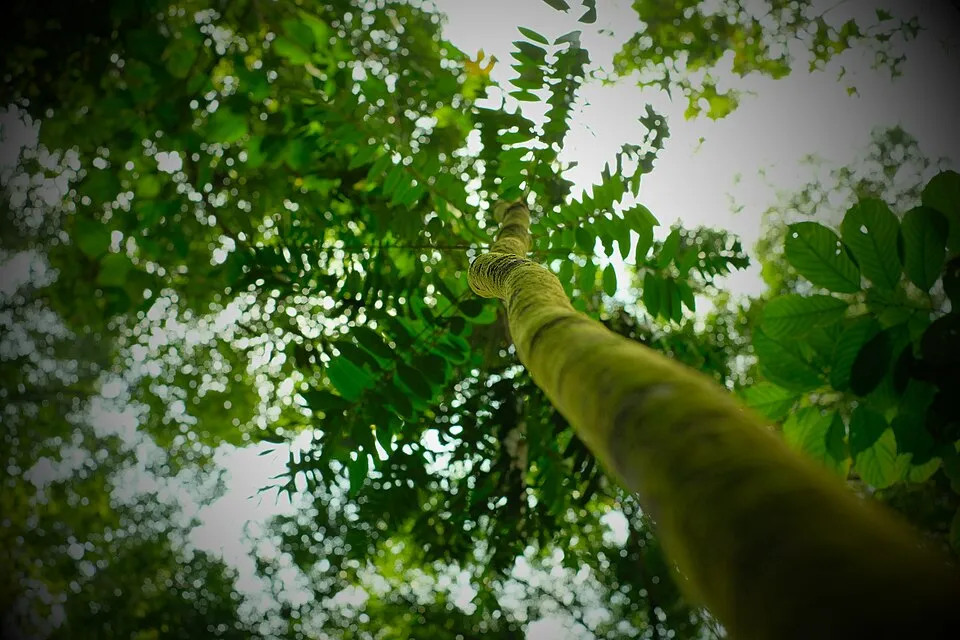
Eurycoma longifolia, universally recognized as Tongkat Ali, is a distinguished tall, slender evergreen tree endemic to the biodiverse tropical rainforests of Southeast Asia. Reaching impressive heights of up to 15 meters, its presence is notable across Malaysia, Indonesia, Vietnam, Cambodia, Myanmar, Laos, and Thailand. The tree's bark presents a smooth, grayish-brown exterior that often exfoliates in slender strips, revealing a lighter, more vibrant inner bark.
Its striking morphology includes spirally arranged, compound pinnate leaves, typically measuring 20 to 30 centimeters in length. Each leaf comprises 9 to 15 lanceolate to elliptical leaflets, each approximately 8 to 12 centimeters long, contributing to its dense canopy. Tongkat Ali produces small, delicately fragrant flowers that form inflorescences in clusters at the tips of its branches, displaying creamy white to pale yellow hues.
Following successful pollination, the tree develops small, hard, ovoid fruits that mature into a reddish-brown color. As a member of the Simaroubaceae family, known for its bitter compounds, the taproot of Eurycoma longifolia is the most prized part, traditionally harvested from mature trees for its profound therapeutic properties, often processed into various forms such as extracts, powders, or herbal teas. This species is revered not only for its distinct botanical features but also for its historical significance in traditional medicine systems, particularly for enhancing vitality and overall well-being.
Trusted Scientific References
1. Authoritative external sources for Eurycoma longifolia
1.1 Wikipedia — Eurycoma longifolia
1.2 Kew POWO (Plants of the World Online)
1.3 PubMed — peer-reviewed research
1.4 NCBI Taxonomy Browser
1.5 GBIF — Global Biodiversity
1.6Tongkat Ali should be interpreted through verified botanical identity, practical care, and responsible safety language. This recovery note adds the missing context needed for a complete profile: match light to the plant's habit, use well-drained soil, water according to season, and avoid unsupported medicinal or edible claims. For publishing, the plant can be presented as a source-backed medicinal plant with clear care guidance, common problem diagnosis, and conservative safety wording.
1.1.Tongkat Ali — Defining Traits
- ✓Botanical Origin — Native to tropical rainforests of Southeast Asia, primarily Malaysia and Indonesia.
- ✓Common Names — Known globally as Tongkat Ali, Pasak Bumi, or Malaysian Ginseng.
- ✓Primary Part Used — The taproot is the most medicinally valued part of the plant.
- ✓Active Compounds — Rich in quassinoids (e.g., Eurycomanone), alkaloids, and triterpenes.
- ✓Male Health Support — Widely researched for its role in supporting healthy testosterone levels and male fertility.
- ✓Adaptogenic Properties — Helps the body manage stress and reduce cortisol levels.
- ✓Energy and Stamina — Traditionally used to boost energy, improve physical performance, and reduce fatigue.
- ✓Traditional Uses — Extensive history in traditional Malaysian and Indonesian medicine for various ailments.
- ✓Slow Growing — A slow-growing tree, emphasizing the importance of sustainable harvesting.
- ✓Distinctive Flavor — Known for its intensely bitter taste, indicative of its quassinoid content.
1.2.Tongkat Ali — At-a-Glance Summary
- ✓Tropical rainforest tree native to Southeast Asia.
- ✓Renowned for supporting male vitality and testosterone levels.
- ✓Contains active compounds like quassinoids, especially Eurycomanone.
- ✓Traditionally used as an aphrodisiac, for stress, and energy.
- ✓Often consumed as extracts, powders, or teas from its root.
- ✓Requires caution for individuals with hormone-sensitive conditions and during pregnancy.
2.Tongkat Ali — Systematic Position
3.Tongkat Ali — Botanical Stats
4.Tongkat Ali — Plant Morphology
5.Tongkat Ali — Where It Grows
6.Tongkat Ali — Cultural & Traditional Roles
7.Tongkat Ali — Secondary Metabolites
- ✓Quassinoids — These bitter compounds, notably Eurycomanone, Eurycomanol, and Longilactone, are considered the primary active constituents responsible for many of Tongkat Ali's pharmacological effects, including anti-malarial, anti-cancer, and adaptogenic properties.
- ✓Canthin-6-one Alkaloids — Including compounds like 9-methoxycanthin-6-one, these alkaloids contribute to the plant's diverse bioactivity, often associated with anti-proliferative and anti-anxiety effects.
- ✓Beta-Carboline Alkaloids — Such as harmine and harmaline derivatives, these compounds are known for their potential to influence neurotransmitter systems, contributing to mood regulation and neuroprotective actions.
- ✓Triterpene Tirucallane Type Compounds — These triterpenoids play a role in the plant's medicinal profile, often exhibiting anti-inflammatory and adaptogenic qualities.
- ✓Squalene Derivatives — These lipid compounds are precursors to steroids and contribute to the plant's overall phytochemical complexity, with potential antioxidant benefits.
- ✓Biphenyl Neolignans — These phenolic compounds contribute to the plant's antioxidant capacity and may possess anti-inflammatory and hepatoprotective activities.
- ✓Bioactive Steroids — Eurycoma longifolia contains various steroidal compounds that can influence hormonal pathways, supporting its traditional use in vitality and sexual health.
- ✓Eurycolactone, Laurycolactone, and Eurycomalactone — Specific quassinoid derivatives that contribute to the plant's characteristic bitterness and its array of biological activities.
- ✓Glycosaponins — These compounds are known for their hemolytic and adaptogenic properties, further enhancing the plant's traditional applications.
- ✓Flavonoids — A diverse group of plant pigments and antioxidants that contribute to the overall health-promoting effects, including anti-inflammatory and cardiovascular benefits.
8.Tongkat Ali — Research Insights
- ✓Testosterone Support — Eurycoma longifolia is widely studied for its ability to support healthy testosterone levels by potentially influencing the release of free testosterone from binding proteins like SHBG, crucial for male vitality and hormonal balance.
- ✓Stress Reduction — This adaptogenic herb helps modulate the body's stress response, leading to reduced cortisol levels and improved mood states, thereby alleviating symptoms of anxiety and fatigue.
- ✓Athletic Performance Enhancement — By supporting optimal hormone levels and reducing stress, Tongkat Ali may contribute to improved lean body mass, enhanced strength, and better exercise performance and recovery.
- ✓Aphrodisiac Properties — Traditionally revered as a potent aphrodisiac, it is used to enhance libido, improve sexual function, and address various forms of sexual dysfunction in both men and women.
- ✓Anti-Malarial Activity — Historically, decoctions from the plant were used to treat intermittent fevers, with research pointing to its quassinoid content exhibiting anti-parasitic effects against malaria-causing pathogens.
- ✓Anti-inflammatory Effects — Certain compounds within Tongkat Ali possess anti-inflammatory properties that may help reduce pain and swelling, contributing to relief from aches and discomfort.
- ✓Anti-Cancer Potential — Preliminary research indicates that some quassinoids derived from Eurycoma longifolia may exhibit cytotoxic effects against various cancer cell lines, suggesting potential as an adjunct therapy.
- ✓Blood Pressure Regulation — Traditional practitioners have utilized Tongkat Ali roots to help manage high blood pressure, possibly through vasorelaxant effects, though more research is needed.
- ✓Anti-Diabetic Support — Studies suggest that Eurycoma longifolia may aid in blood glucose regulation and improve insulin sensitivity, offering potential benefits for individuals with diabetes.
- ✓Bone Health — Traditionally used for conditions like osteoporosis, the herb may play a role in supporting bone density and strength, particularly in aging individuals.
- ✓Improved Energy and Stamina — Regular consumption of Tongkat Ali is associated with increased energy levels, reduced fatigue, and enhanced overall physical and mental stamina.
- ✓Immune System Support — The diverse array of bioactive compounds, including alkaloids and quassinoids, may contribute to bolstering the body's natural defense mechanisms.
8.1.Tongkat Ali — Health Applications
9.Tongkat Ali — Risk Profile
9.1.Tongkat Ali — Warnings
- ✓Insomnia — Some individuals may experience difficulty sleeping, particularly with higher doses or consumption late in the day, due to its stimulating effects.
- ✓Irritability/Restlessness — Increased energy and hormonal shifts can sometimes lead to feelings of irritability, anxiety, or restlessness in sensitive individuals.
- ✓Increased Body Temperature — A mild increase in body temperature or feeling of warmth may be reported by some users.
- ✓Mild Headaches — Occasional mild headaches can occur, especially during the initial stages of supplementation.
- ✓Gastrointestinal Upset — Rarely, some users might experience mild digestive discomfort, such as nausea or stomach upset.
- ✓Blood Glucose Fluctuations — Individuals with diabetes should monitor blood sugar closely, as Tongkat Ali may influence glucose levels.
- ✓Hormonal Imbalance — While often used for hormonal support, misuse or excessive doses could potentially lead to undesirable hormonal fluctuations in susceptible individuals.
9.2.Tongkat Ali — Risk Assessment
- ✓Pregnancy and Breastfeeding — Contraindicated in pregnant or breastfeeding women due to insufficient safety data and potential hormonal effects.
- ✓Hormone-Sensitive Conditions — Individuals with hormone-sensitive cancers (e.g., prostate, breast) or other hormone-dependent conditions should avoid use.
- ✓Cardiovascular Conditions — Caution is advised for individuals with heart conditions, high blood pressure, or those on blood pressure medication, as it may affect cardiovascular parameters.
- ✓Diabetes — Diabetics should use with caution and under medical supervision, as it may affect blood glucose levels and interact with anti-diabetic medications.
- ✓Liver and Kidney Disease — Individuals with pre-existing liver or kidney conditions should consult a healthcare professional before use, as metabolic load could be a concern with high doses.
- ✓Drug Interactions — May interact with immunosuppressants, blood thinners, anti-diabetic drugs, and blood pressure medications; consult a doctor before combining.
- ✓Dosage and Duration — Adhere to recommended dosages and consult a healthcare practitioner for appropriate duration of use to minimize potential risks; acute toxicity studies indicate high LD50 values (e.g., oral LD50 of alcoholic extract in mice between 1500–2000 mg/kg, aqueous >3000 mg/kg), suggesting a good safety margin at normal therapeutic doses.
10.Tongkat Ali — How to Use
- ✓Root Decoction — Traditionally, the dried and sliced root is boiled in water to create a bitter tea, consumed for general wellness and vitality.
- ✓Powdered Root — Dried Tongkat Ali root is ground into a fine powder, which can be encapsulated, mixed into beverages, or added to foods.
- ✓Standardized Extracts — Modern preparations often involve hot water or ethanol extraction to concentrate specific bioactive compounds, like eurycomanone, available in capsule or tablet form.
- ✓Tinctures — Alcoholic extracts of the root are prepared to create tinctures, allowing for sublingual absorption and convenient dosing.
- ✓Infused Beverages — The root can be infused into coffee or other traditional drinks to impart its purported benefits and characteristic bitter flavor.
- ✓Topical Applications — In some traditional practices, the leaves or bark might be prepared as poultices or washes for skin ailments, such as itching or dysentery-related discomfort.
- ✓Fruit Preparations — Traditionally, the fruits have been used in decoctions to help treat dysentery, showcasing a broader use beyond just the root.
11.Tongkat Ali — Growth Requirements
- ✓Climate Requirement — Thrives in tropical rainforest climates with high humidity, consistent warm temperatures, and ample rainfall.
- ✓Soil Preference — Prefers well-drained, acidic to neutral soil, typically rich in organic matter, characteristic of rainforest floor conditions.
- ✓Light Conditions — As an understory plant in its natural habitat, it requires partial shade, especially during its younger growth stages; direct, intense sunlight can be detrimental.
- ✓Propagation — Primarily propagated from seeds, though germination rates can be low and slow. Cuttings can also be used but are less common for large-scale cultivation.
- ✓Growth Rate — Known for its slow growth, requiring many years for the taproot to reach a size suitable for harvest, contributing to its high value.
- ✓Harvesting — The taproots are typically harvested from mature trees, often 10-25 years old, to ensure a high concentration of bioactive compounds.
- ✓Conservation Efforts — Due to increasing demand and slow growth, sustainable harvesting practices and cultivation are crucial to prevent over-exploitation and endangerment.
Reviewed by the Flora Medical Global Botanical Review Panel
Multi-disciplinary editorial group · Botany · Ethnobotany · Herbal-medicine literature
Who reviewed this: This page was checked by the Flora Medical Global Botanical Review Panel — an in-house editorial group of botany graduates, ethnobotany researchers, and horticulture practitioners who collectively maintain our 7,000+ plant encyclopedia. Meet the team.
Our 4-step verification process
1. Taxonomic verification
Scientific names and synonyms cross-checked against Kew POWO, World Flora Online, and The Plant List.
2. Phytochemical & medicinal cross-reference
Active compounds, traditional uses, and reported activities are cross-referenced with PubMed, USDA Dr. Duke's database, and peer-reviewed ethnobotanical literature.
3. Conservation & distribution check
Distribution, ecology, and conservation status confirmed against GBIF occurrence records and the IUCN Red List.
4. Editorial & safety review
Every entry passes an editorial pass for clarity, originality, and safety notices (toxicity, contraindications, dosage caveats) before publication.
Last reviewed:
Important medical disclaimer: This content is for educational and research purposes only. It is not medical advice and is not a substitute for consultation with a licensed healthcare provider. Do not use any herb to self-treat a medical condition without professional guidance.
Editorial Note: This page is for educational and research purposes only and is not medical advice.
Written by: Flora Medical Global Editorial Team
Reviewed by: Flora Medical Global Botanical Review Panel
Last Updated: June 15, 2026





Tongkat Ali — Comments & Community Reviews
Rate this plant