

Medical Disclaimer: This content is for educational purposes only. It is not medical advice. Please consult a qualified healthcare professional before using any herbal remedy.
Safety Overview
1.Toona — Essential Profile
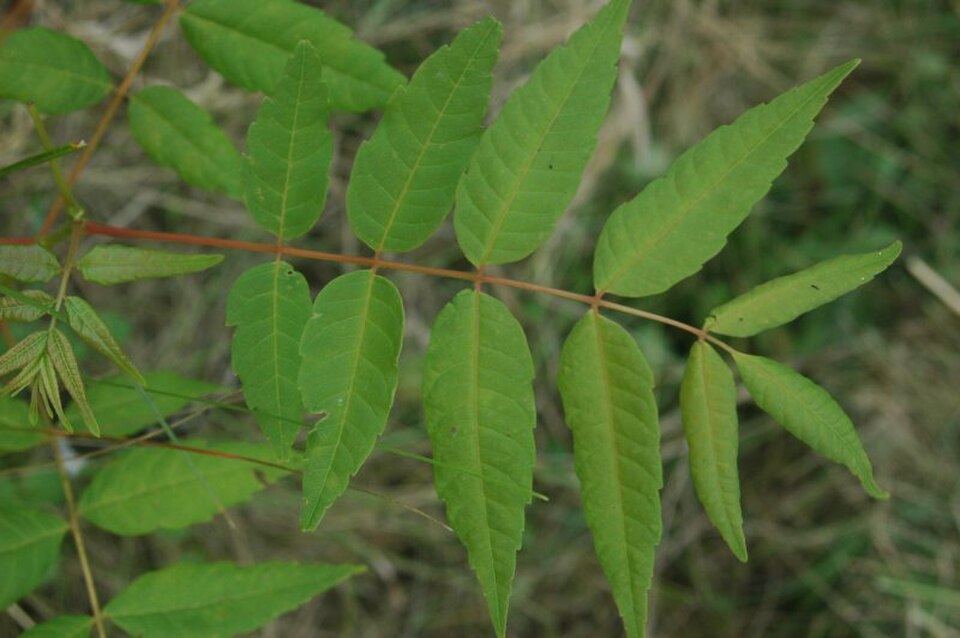
Toona sinensis, universally recognized as Chinese toon or Chinese mahogany, is a majestic deciduous tree belonging to the Meliaceae family, a lineage that also includes notable genera such as Swietenia and Cedrela. This species typically attains an impressive height of 10 to 20 meters, with some specimens exceeding this under optimal growing conditions. Its distinctive foliage consists of pinnately compound leaves, which can measure between 20 and 30 centimeters in length. Each ovate to elliptic leaflet is elongated, ranging from 5 to 10 centimeters long.
The young leaves are particularly prized for their pleasant, unique aroma, making them a sought-after culinary ingredient in East Asian cuisines. In the springtime, Toona sinensis adorns itself with clusters of small, yellowish-green, fragrant flowers, arranged in panicles that can stretch up to 15 centimeters. The bark exhibits a smooth texture in its juvenile stage, gradually developing a fissured, textured appearance as the tree matures. Endemic to East and Southeast Asia, particularly thriving across various regions of China, this species flourishes in subtropical and temperate climates.
It demonstrates adaptability to a range of soil types but shows a clear preference for well-drained, fertile loams. Its natural habitats include forested areas, roadsides, and cultivated gardens, reflecting its robustness and widespread distribution. Beyond its aesthetic and culinary appeal, Toona sinensis has been a cornerstone in traditional medicine systems for its diverse therapeutic applications.
Trusted Scientific References
1. Authoritative external sources for Toona sinensis
1.1 Wikipedia — Toona sinensis
1.2 Kew POWO (Plants of the World Online)
1.3 PubMed — peer-reviewed research
1.4 NCBI Taxonomy Browser
1.5 GBIF — Global Biodiversity
1.6Toona should be interpreted through verified botanical identity, practical care, and responsible safety language. This recovery note adds the missing context needed for a complete profile: match light to the plant's habit, use well-drained soil, water according to season, and avoid unsupported medicinal or edible claims. For publishing, the plant can be presented as a source-backed medicinal plant with clear care guidance, common problem diagnosis, and conservative safety wording.
1.1.Toona — Distinguishing Points
- ✓Botanical Name — Toona sinensis (Juss.) M.Roem.
- ✓Common Names — Chinese Toon, Chinese Mahogany, Xiangchun.
- ✓Plant Family — Meliaceae.
- ✓Native Region — East and Southeast Asia, primarily China.
- ✓Primary Uses — Culinary vegetable (young leaves), Traditional Chinese Medicine.
- ✓Key Bioactive Compounds — Terpenoids (limonoids), Flavonoids, Phenylpropanoids, Phenolic acids.
- ✓Pharmacological Actions — Anti-tumor, Antioxidant, Anti-diabetic, Anti-inflammatory, Antimicrobial.
- ✓Distinctive Feature — Highly aromatic young leaves, a prized culinary delicacy.
- ✓Growth Habit — Deciduous tree, typically growing 10-20 meters tall.
- ✓Traditional Applications — Dysentery, enteritis, skin itchiness, fevers, respiratory issues, eye infections.
1.2.Toona — At-a-Glance Summary
- ✓Toona sinensis is a deciduous tree native to East Asia, known as Chinese toon or Chinese mahogany.
- ✓Its young, aromatic leaves are widely used in culinary practices, while various parts are valued in traditional medicine.
- ✓Rich in bioactive compounds like terpenoids, flavonoids, and phenolic acids.
- ✓Modern research supports its traditional uses, highlighting anti-cancer, anti-diabetic, antioxidant, and anti-inflammatory properties.
- ✓Traditionally used for digestive issues, inflammation, and skin conditions.
- ✓Requires careful consideration regarding dosage and potential drug interactions; professional consultation is advised.
2.Toona — Nomenclature & Classification
3.Toona — Key Data
4.Toona — Botanical Description
5.Toona — Origin & Spread
6.Toona — Heritage Uses
7.Toona — Phytochemistry
- ✓Terpenoids — This broad category includes limonoids like toosendanin and various triterpenes such as betulinic acid, recognized for their anti-cancer, anti-inflammatory, and insecticidal properties.
- ✓Flavonoids — Key compounds like quercetin, kaempferol, and rutin are abundant, providing significant antioxidant, anti-inflammatory, and anti-diabetic effects.
- ✓Phenylpropanoids — Caffeic acid and ferulic acid are present, contributing to the plant's potent antioxidant and anti-inflammatory activities.
- ✓Phenolic Acids — Gallic acid and ellagic acid are notable, renowned for their strong antioxidant, antimicrobial, and anti-inflammatory characteristics.
- ✓Anthraquinones — These compounds are found in various parts of the plant and are known for their laxative and antimicrobial properties.
- ✓Saponins — Triterpenoid saponins contribute to the plant's immunomodulatory and hypolipidemic effects, influencing cholesterol metabolism.
- ✓Steroids — Phytosterols are present, offering potential anti-inflammatory benefits and contributing to cholesterol-lowering actions.
- ✓Alkaloids — While less dominant, some nitrogen-containing alkaloids have been identified, which may contribute to various biological activities.
- ✓Polysaccharides — These complex carbohydrates are recognized for their immunomodulatory and potential anti-diabetic properties.
- ✓Volatile Oils — The characteristic aroma of young leaves is due to volatile compounds, which also possess antimicrobial qualities.
8.Toona — Scientific Evidence
- ✓Anti-tumor Effects — Research indicates that Toona sinensis extracts can inhibit the proliferation of various cancer cells and induce apoptosis, suggesting potential as an adjuvant in cancer therapy.
- ✓Antioxidant Activity — Rich in phenolic compounds and flavonoids, it effectively scavenges free radicals, mitigating oxidative stress and protecting cellular integrity.
- ✓Anti-diabetic Properties — Studies have shown its ability to help regulate blood glucose levels and improve insulin sensitivity, offering promise in the management of diabetes.
- ✓Anti-inflammatory Actions — Its active constituents, including terpenoids and flavonoids, modulate inflammatory pathways, reducing the production of pro-inflammatory mediators and alleviating inflammatory conditions.
- ✓Antibacterial Effects — Extracts of Toona sinensis exhibit inhibitory activity against various bacterial strains, supporting its traditional use for infections.
- ✓Antiviral Potential — Some compounds within the plant have demonstrated antiviral properties, potentially interfering with viral replication and progression.
- ✓Hepatoprotective Benefits — It has shown protective effects on liver cells, helping to reduce liver damage and support liver function, possibly due to its antioxidant and anti-inflammatory actions.
- ✓Hypolipidemic Activity — Evidence suggests Toona sinensis can help lower cholesterol and triglyceride levels, contributing to cardiovascular health.
- ✓Immunomodulatory Support — The plant may help balance the immune system, enhancing immune responses when needed or modulating overactive immunity.
- ✓Digestive Health — Traditionally used in TCM for dysentery and enteritis, it is believed to soothe digestive inflammation and improve gut health.
- ✓Skin Condition Relief — Topical applications have been historically used to alleviate itchiness and other minor skin irritations, owing to its anti-inflammatory and antimicrobial properties.
- ✓Eye Health Support — Traditional practices utilized parts of the tree, particularly fruits, as an astringent for treating certain eye infections.
8.1.Toona — Therapeutic Indications
9.Toona — Safety & Side Effects
9.1.Toona — Possible Adverse Reactions
- ✓Gastrointestinal Discomfort — High doses or sensitive individuals may experience nausea, vomiting, or diarrhea.
- ✓Allergic Reactions — Rare instances of skin rashes, itching, or respiratory symptoms have been reported in susceptible individuals.
- ✓Photosensitivity — Some compounds could theoretically increase sensitivity to sunlight, though this is not commonly documented.
- ✓Blood Sugar Interaction — May lower blood glucose, potentially interacting with anti-diabetic medications and causing hypoglycemia.
- ✓Anticoagulant Interaction — There is a theoretical risk of interaction with blood-thinning medications, increasing bleeding risk.
- ✓Liver Enzyme Elevation — Prolonged use of high concentrations might lead to elevated liver enzymes in some individuals.
- ✓Pregnancy and Lactation — Due to insufficient safety data, use is generally advised against during pregnancy and breastfeeding.
9.2.Toona — Toxicity Assessment
- ✓Professional Consultation — Always consult a healthcare professional or qualified herbalist before using Toona sinensis, especially for chronic conditions or if on medication.
- ✓Adhere to Dosages — Strictly follow recommended dosages to minimize the risk of adverse effects and ensure therapeutic efficacy.
- ✓Quality Sourcing — Obtain Toona sinensis products from reputable suppliers to ensure purity, potency, and absence of contaminants.
- ✓Potential Drug Interactions — Exercise caution if taking anticoagulants, anti-diabetic drugs, or immunosuppressants due to potential interactions.
- ✓Limited Long-Term Data — Long-term safety data are not extensively established; periodic medical monitoring is advisable for extended use.
- ✓Pediatric and Geriatric Use — Use with caution in children and the elderly, often requiring reduced dosages and close supervision.
- ✓Allergy History — Individuals with known allergies to plants in the Meliaceae family should avoid Toona sinensis to prevent allergic reactions.
10.Toona — Usage Guide
- ✓Culinary Preparation — Young leaves and shoots are widely consumed as a vegetable, commonly stir-fried, added to omelets, salads, or soups.
- ✓Decoction Method — Bark and roots are traditionally boiled in water to create a decoction, used internally as a medicinal tea for various ailments.
- ✓Tincture Formulation — Alcoholic extracts of the leaves or bark can be prepared, offering a concentrated form for internal or external use.
- ✓Topical Poultices — Crushed fresh leaves or powdered dried plant material mixed with water can be applied as a poultice to skin irritations and itchiness.
- ✓Encapsulated Extracts — Standardized extracts are available in capsule or tablet form, providing a convenient and consistent dosage for therapeutic purposes.
- ✓Infusion Technique — Dried leaves can be steeped in hot water to make a milder herbal tea, suitable for general wellness and antioxidant intake.
- ✓Powdered Form — Dried plant parts, especially leaves or bark, are ground into a fine powder for direct consumption, mixing into foods, or encapsulation.
- ✓External Washes — Decoctions can be used as external washes for skin conditions or as a gargle for oral health, leveraging its antimicrobial properties.
11.Toona — Cultivation & Care
- ✓Climate Preference — Thrives in subtropical to temperate zones, tolerating a range of temperatures but preferring warmer conditions.
- ✓Soil Requirements — Prefers well-drained, fertile loams with a slightly acidic to neutral pH, though it is adaptable to various soil types.
- ✓Sunlight Exposure — Requires full sun for optimal growth, but can tolerate partial shade, which may slow its growth rate.
- ✓Propagation Techniques — Can be propagated effectively from seeds, stem cuttings, or by root division, with seeds requiring stratification.
- ✓Watering Regimen — Needs regular watering during its establishment phase; once mature, it becomes relatively drought-tolerant.
- ✓Fertilization Schedule — Benefit from a balanced slow-release fertilizer application in early spring to support vigorous growth.
- ✓Pruning Practices — Pruning is beneficial for shaping the tree, removing dead or diseased branches, and encouraging the growth of young, tender shoots for culinary harvest.
- ✓Pest and Disease Management — Generally robust, but monitor for common tree pests and fungal diseases, addressing issues promptly with organic or appropriate treatments.
Reviewed by the Flora Medical Global Botanical Review Panel
Multi-disciplinary editorial group · Botany · Ethnobotany · Herbal-medicine literature
Who reviewed this: This page was checked by the Flora Medical Global Botanical Review Panel — an in-house editorial group of botany graduates, ethnobotany researchers, and horticulture practitioners who collectively maintain our 7,000+ plant encyclopedia. Meet the team.
Our 4-step verification process
1. Taxonomic verification
Scientific names and synonyms cross-checked against Kew POWO, World Flora Online, and The Plant List.
2. Phytochemical & medicinal cross-reference
Active compounds, traditional uses, and reported activities are cross-referenced with PubMed, USDA Dr. Duke's database, and peer-reviewed ethnobotanical literature.
3. Conservation & distribution check
Distribution, ecology, and conservation status confirmed against GBIF occurrence records and the IUCN Red List.
4. Editorial & safety review
Every entry passes an editorial pass for clarity, originality, and safety notices (toxicity, contraindications, dosage caveats) before publication.
Last reviewed:
Important medical disclaimer: This content is for educational and research purposes only. It is not medical advice and is not a substitute for consultation with a licensed healthcare provider. Do not use any herb to self-treat a medical condition without professional guidance.
Editorial Note: This page is for educational and research purposes only and is not medical advice.
Written by: Flora Medical Global Editorial Team
Reviewed by: Flora Medical Global Botanical Review Panel
Last Updated: June 15, 2026





Toona — Comments & Community Reviews
Rate this plant