

Medical Disclaimer: This content is for educational purposes only. It is not medical advice. Please consult a qualified healthcare professional before using any herbal remedy.
Safety Overview
1.Torenia — Overview
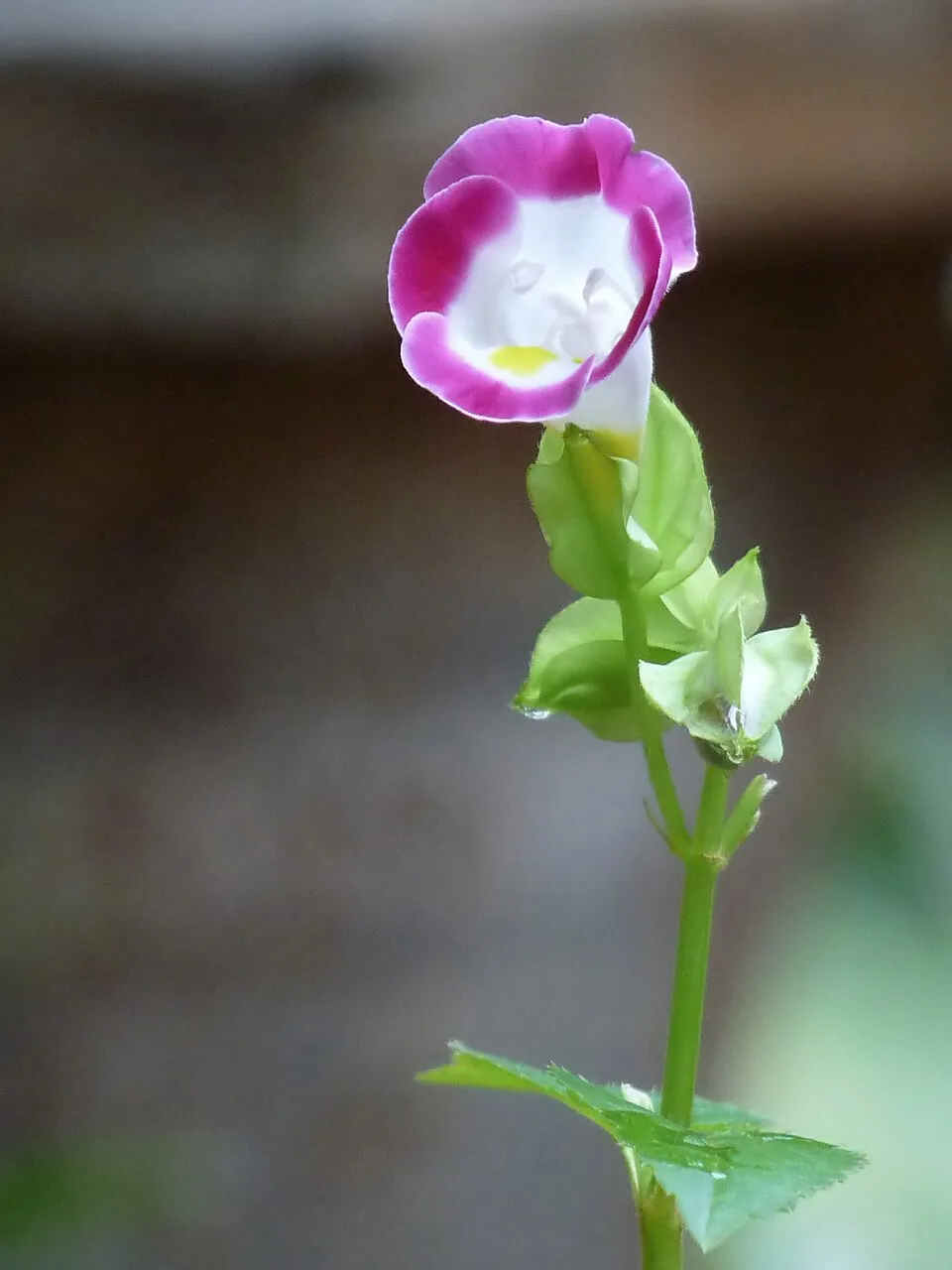
Torenia fournieri, widely known as the Wishbone Flower, Clown Flower, Summer Pansy, or Bluewings, is a captivating annual flowering plant belonging to the Linderniaceae family. Native to Southeast Asia, particularly Vietnam, it is celebrated globally for its prolific and vibrant blooms that resemble pansies.
Morphologically, Torenia fournieri typically forms a compact, bushy mound, though trailing cultivars are also popular for hanging baskets and window boxes. Its distinctive trumpet-shaped flowers, often bicolored, come in a striking array of shades including blues, purples, pinks, whites, and yellows, frequently featuring a contrasting yellow throat.
A unique characteristic, which gives rise to its common name 'Wishbone Flower,' is observed within the flower's throat: two prominent stamens curve and join at their tips, forming a structure reminiscent of a chicken wishbone. These charming blooms appear continuously from late spring until the first frost, making them a reliable source of color throughout the warmer months. While primarily cultivated as an ornamental, Torenia fournieri also plays a minor ecological role by attracting hummingbirds to gardens.
It is typically grown as an annual in most climates, though it can persist as a tender perennial in frost-free USDA Zones 10-11. This species thrives in conditions that mimic its tropical origins, preferring consistent moisture and protection from intense, scorching sun.
Trusted Scientific References
1. Authoritative external sources for Torenia fournieri
1.1 Wikipedia — Torenia fournieri
1.2 Kew POWO (Plants of the World Online)
1.3 PubMed — peer-reviewed research
1.4 NCBI Taxonomy Browser
1.5 GBIF — Global Biodiversity
1.6Torenia should be interpreted through verified botanical identity, practical care, and responsible safety language. This recovery note adds the missing context needed for a complete profile: match light to the plant's habit, use well-drained soil, water according to season, and avoid unsupported medicinal or edible claims. For publishing, the plant can be presented as a source-backed garden plant with clear care guidance, common problem diagnosis, and conservative safety wording.
1.1.Torenia — Defining Traits
- ✓Botanical Name — Torenia fournieri.
- ✓Common Names — Wishbone Flower, Summer Pansy, Clown Flower, Bluewings.
- ✓Family — Linderniaceae.
- ✓Bloom Time — Late spring through first frost.
- ✓Flower Colors — Blue, purple, pink, white, yellow, and bicolors.
- ✓Growth Habit — Compact, mounded, or trailing.
- ✓Preferred Exposure — Partial to full shade.
- ✓Special Attraction — Attracts hummingbirds.
- ✓Maintenance — Low, self-cleaning, no deadheading required.
- ✓Primary Use — Ornamental garden plant for seasonal color.
1.2.Torenia — Quick Summary
- ✓Torenia fournieri, also known as Wishbone Flower, is a vibrant ornamental annual.
- ✓Features unique trumpet-shaped, two-toned blooms with distinctive wishbone-like stamens.
- ✓Primarily cultivated for its aesthetic appeal in gardens, containers, and hanging baskets.
- ✓Thrives in partial shade with consistently moist, well-draining soil and is heat tolerant.
- ✓Attracts hummingbirds, is deer resistant, and requires minimal care as it is self-cleaning.
- ✓Not recognized for significant medicinal benefits in traditional or modern herbalism.
2.Torenia — Scientific Profile
3.Torenia — Botanical Stats
4.Torenia — Plant Morphology
5.Torenia — Where It Grows
6.Torenia — Cultural & Traditional Roles
Primarily valued for its ornamental beauty; it does not have significant cultural or traditional significance beyond its use as a garden plant.
7.Torenia — Bioactive Constituents
- ✓Anthocyanins — These water-soluble pigments are responsible for the vibrant blue, purple, pink, and red hues observed in Torenia fournieri flowers, acting as potent antioxidants in other plants.
- ✓Flavonoid Glycosides — Potentially present in the leaves and flowers, these compounds are a class of polyphenols often associated with antioxidant, anti-inflammatory, and protective properties in many plant species.
- ✓Phenolic Acids — Common plant compounds such as caffeic acid and ferulic acid derivatives may be present, typically exhibiting antioxidant and antimicrobial activities, though specific profiles for Torenia are uncharacterized.
- ✓Carotenoids — Contributing to the yellow coloration in the flower throats and petals, these compounds are known for their antioxidant roles and as precursors to Vitamin A in various other plants.
- ✓Iridoids (Speculative) — As a member of the Linderniaceae family, Torenia fournieri may contain iridoid glycosides, which are often bitter compounds involved in plant defense, though their presence requires specific investigation.
- ✓Volatile Organic Compounds — These compounds, present in trace amounts, may contribute to any subtle fragrance of the flowers and play roles in pollinator attraction or plant defense.
- ✓Saponins (Undetermined) — While found in many plant families, the presence and specific types of saponins in Torenia fournieri, and any associated biological activities, have not been established.
- ✓Lignans (Undetermined) — A class of phenolic compounds with potential antioxidant and phytoestrogenic activities in other plants, their occurrence and significance in Torenia fournieri are not documented.
8.Torenia — Research Insights
- ✓Ornamental Value — Torenia fournieri is highly valued for its aesthetic appeal, contributing to mental well-being and stress reduction through the visual pleasure of its vibrant flowers in gardens and homes.
- ✓Air Quality Contribution — Like many green plants, Torenia fournieri engages in photosynthesis, potentially contributing to local air purification by absorbing carbon dioxide and releasing oxygen.
- ✓Biodiversity Support — Its trumpet-shaped flowers are known to attract hummingbirds, thereby supporting local pollinator populations and contributing to garden ecosystem health.
- ✓Stress Reduction (Indirect) — Engaging in gardening activities and observing the beauty of plants like Torenia fournieri can provide therapeutic benefits, promoting relaxation and reducing psychological stress.
- ✓Phytochemical Potential (Speculative) — While not studied for medicinal uses, like all plants, Torenia fournieri contains various phytochemicals such as flavonoids and anthocyanins, which in other species are known for antioxidant properties.
- ✓Traditional Use (Absence of) — It is crucial to note that Torenia fournieri is not widely recognized for significant medicinal benefits in traditional systems like Ayurveda, TCM, Unani, or Siddha.
- ✓Modern Research (Limited) — There is a notable lack of modern pharmacological research specifically investigating the therapeutic properties or medicinal applications of Torenia fournieri.
- ✓Mood Enhancement — The presence of colorful, cheerful blooms can positively influence mood and provide a sense of joy and vitality in living spaces.
8.1.Torenia — Conditions Traditionally Used For
9.Torenia — Risk Profile
9.1.Torenia — Possible Adverse Reactions
- ✓Allergic Reactions — Sensitive individuals may experience mild contact dermatitis or skin irritation upon direct handling of the foliage or sap, though this is generally uncommon.
- ✓Gastrointestinal Upset — Ingestion of any part of Torenia fournieri is not recommended and could potentially lead to mild stomach upset, nausea, vomiting, or diarrhea.
- ✓Pest Infestations — The plant can attract common garden pests such as aphids and whiteflies, which may necessitate pest control measures and potentially affect other garden plants.
- ✓Fungal Diseases — Overwatering, excessive humidity, or poor air circulation can predispose Torenia fournieri to fungal infections like powdery mildew and root rot.
- ✓Toxicity (Undetermined) — While not classified as highly toxic, the edibility and safety of Torenia fournieri for human or pet consumption have not been established, therefore ingestion should be avoided.
- ✓Cross-Contamination — If grown near edible plants, care should be taken to prevent pests or diseases affecting Torenia from spreading to food crops.
9.2.Torenia — Risk Assessment
- ✓Ornamental Use Only — Torenia fournieri is strictly intended for ornamental cultivation and should not be used for internal consumption or topical medicinal applications due to lack of safety data.
- ✓Keep Out of Reach of Children and Pets — To prevent accidental ingestion, which may lead to mild gastrointestinal discomfort, keep plants inaccessible to young children and household animals.
- ✓Allergic Sensitivity — Individuals with known plant allergies or sensitive skin should exercise caution when handling the plant, potentially wearing gloves to minimize exposure.
- ✓Avoid Ingestion — There is no scientific or traditional evidence supporting the safety or efficacy of Torenia fournieri as a food or herbal remedy; therefore, ingestion is strongly discouraged.
- ✓Proper Handling — Always wash hands thoroughly with soap and water after handling the plant, especially before eating or touching the face.
- ✓Environmental Consideration — Generally safe for garden ecosystems, attracting pollinators without posing an invasive risk, but ensure responsible disposal of plant waste.
- ✓Pest Management — Implement integrated pest management strategies to control potential infestations without resorting to chemicals that could harm other organisms or the environment.
10.Torenia — Preparation & Dosage
- ✓Ornamental Gardening — Primarily cultivated for its aesthetic appeal, Torenia fournieri is a popular choice for vibrant displays in garden beds, borders, and as groundcover in shaded areas.
- ✓Container Plantings — Its compact or trailing habit makes it an excellent candidate for pots, window boxes, and hanging baskets, providing continuous color throughout the growing season.
- ✓Cut Flowers — The charming, trumpet-shaped blooms can be harvested and used in small, delicate floral arrangements, adding a unique touch to indoor decor.
- ✓Pollinator Attraction — Planted to specifically attract hummingbirds, contributing to local biodiversity and creating dynamic garden ecosystems.
- ✓Shade Garden Enhancement — Utilized to introduce bright, cheerful color and visual interest into shaded garden areas where many other flowering annuals may struggle.
- ✓Landscape Design — Incorporated into various landscape designs for seasonal color, particularly as a heat-tolerant alternative to pansies during summer months.
- ✓Educational Displays — Can be featured in botanical gardens, conservatories, or educational settings to showcase plant morphology, annual plant care, and the diversity of flowering plants.
11.Torenia — Growing Guide
- ✓Soil Requirements — Plant Torenia fournieri in rich, loamy soil that offers excellent drainage; amending heavy clay soils with compost or other organic matter is beneficial.
- ✓Light Exposure — Prefers light to moderate partial shade for optimal performance, especially in hot climates. Can tolerate more sun in cooler northern regions, but deep shade may reduce flowering.
- ✓Watering — Requires consistently moist soil, but it is crucial to avoid waterlogging. Water when the top inch of soil feels dry to the touch; container plants may need daily watering during hot, dry periods.
- ✓Fertilization — Incorporate compost or a slow-release granular fertilizer into the soil at planting time. For plants in containers, apply a balanced water-soluble plant food every few weeks during the growing season.
- ✓Planting Time — Sow seeds or transplant young plants in spring after all danger of frost has passed. For mass plantings, space plants approximately 8 to 10 inches apart to ensure adequate air circulation.
- ✓Propagation — While many newer hybrids are sterile, certain varieties can be grown from seed indoors 8 to 10 weeks before the last frost. Seeds require light to germinate and should be kept at around 70°F in moist soil.
- ✓Pruning & Deadheading — Torenia fournieri is self-cleaning, so deadheading is not strictly necessary. However, if plants become leggy, shearing them back by about half can encourage bushier growth and a fresh flush of blooms.
- ✓Pest & Disease Management — Watch for fungal diseases like powdery mildew and root rot, often caused by overwatering or poor air circulation. Common garden pests such as aphids and whiteflies can also affect plants.
Reviewed by the Flora Medical Global Botanical Review Panel
Multi-disciplinary editorial group · Botany · Ethnobotany · Herbal-medicine literature
Who reviewed this: This page was checked by the Flora Medical Global Botanical Review Panel — an in-house editorial group of botany graduates, ethnobotany researchers, and horticulture practitioners who collectively maintain our 7,000+ plant encyclopedia. Meet the team.
Our 4-step verification process
1. Taxonomic verification
Scientific names and synonyms cross-checked against Kew POWO, World Flora Online, and The Plant List.
2. Phytochemical & medicinal cross-reference
Active compounds, traditional uses, and reported activities are cross-referenced with PubMed, USDA Dr. Duke's database, and peer-reviewed ethnobotanical literature.
3. Conservation & distribution check
Distribution, ecology, and conservation status confirmed against GBIF occurrence records and the IUCN Red List.
4. Editorial & safety review
Every entry passes an editorial pass for clarity, originality, and safety notices (toxicity, contraindications, dosage caveats) before publication.
Last reviewed:
Important medical disclaimer: This content is for educational and research purposes only. It is not medical advice and is not a substitute for consultation with a licensed healthcare provider. Do not use any herb to self-treat a medical condition without professional guidance.
Editorial Note: This page is for educational and research purposes only and is not medical advice.
Written by: Flora Medical Global Editorial Team
Reviewed by: Flora Medical Global Botanical Review Panel
Last Updated: June 15, 2026





Torenia — Comments & Community Reviews
Rate this plant