
Medical Disclaimer: This content is for educational purposes only. It is not medical advice. Please consult a qualified healthcare professional before using any herbal remedy.
Safety Overview
1.Tradescantia Garden — Introduction & Highlights
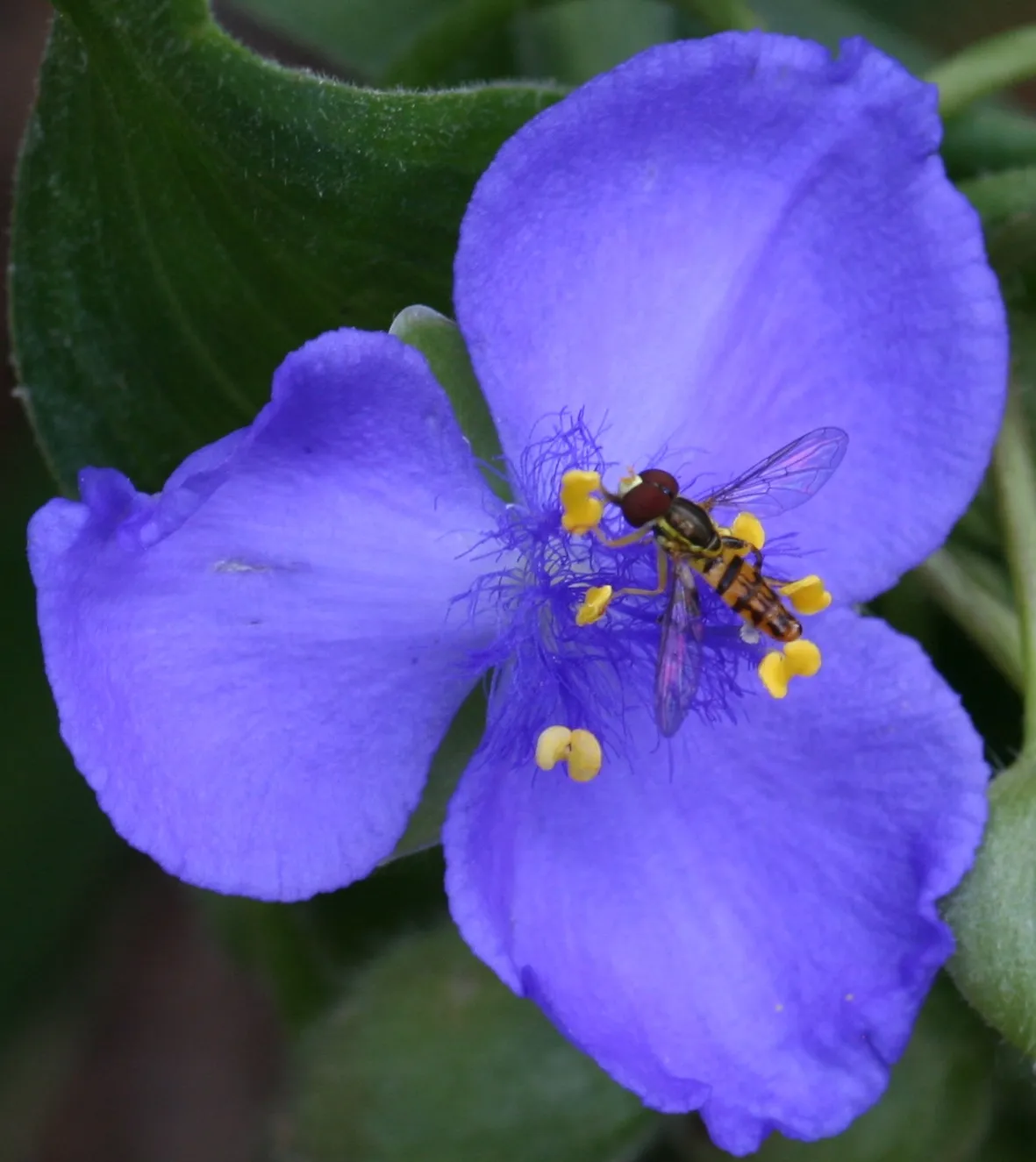
Tradescantia virginiana, commonly known as Virginia Spiderwort, is an enchanting and robust perennial native to the eastern regions of North America. This resilient member of the Commelinaceae family typically forms graceful clumps of arching, linear to lance-shaped leaves, providing a verdant backdrop for its captivating blooms. From late spring through the summer months, it produces delicate, three-petaled flowers, predominantly in striking shades of blue and purple, though white varieties also occur.
These ephemeral blossoms famously open in the morning light and gracefully close by afternoon, each lasting only a single day, yet a continuous succession ensures prolonged visual appeal. Its exceptional hardiness, extended blooming period, and remarkable adaptability to diverse growing conditions make Virginia Spiderwort a highly valued asset in various garden designs, including mixed borders, informal cottage gardens, and naturalized landscapes. While primarily celebrated for its ornamental charm, its historical medicinal applications further underscore its multifaceted significance, distinguishing it from the more tropical Tradescantia species often cultivated as houseplants.
Trusted Scientific References
1. Authoritative external sources for Tradescantia virginiana
1.1 Wikipedia — Tradescantia virginiana
1.2 Kew POWO (Plants of the World Online)
1.3 PubMed — peer-reviewed research
1.4 NCBI Taxonomy Browser
1.5 GBIF — Global Biodiversity
1.6Tradescantia Garden should be interpreted through verified botanical identity, practical care, and responsible safety language. This recovery note adds the missing context needed for a complete profile: match light to the plant's habit, use well-drained soil, water according to season, and avoid unsupported medicinal or edible claims. For publishing, the plant can be presented as a source-backed garden plant with clear care guidance, common problem diagnosis, and conservative safety wording.
1.1.Tradescantia Garden — Defining Traits
- ✓Botanical Name — Tradescantia virginiana.
- ✓Common Names — Virginia Spiderwort, Common Spiderwort, Widow's Tears, Trinity Flower.
- ✓Family — Commelinaceae.
- ✓Native Range — Eastern North America, spanning from Maine to South Carolina and west to Missouri.
- ✓Medicinal Uses — Primarily topical anti-inflammatory, astringent, and antioxidant properties.
- ✓Key Constituents — Flavonoids, anthocyanins, phenolic acids, saponins, and mucilage.
- ✓Flower Color — Typically blue, purple, or sometimes white, with three distinctive petals.
- ✓Bloom Time — Flowers appear from late spring through the summer months.
- ✓Growth Habit — Forms upright, clumping mounds, typically growing 1 to 3 feet (30-90 cm) tall and wide.
- ✓Garden Use — Excellent for borders, woodland gardens, naturalized areas, and pollinator gardens.
1.2.Tradescantia Garden — Snapshot Summary
- ✓Virginia Spiderwort is a hardy perennial native to Eastern North America, valued for its striking blue-purple flowers and ornamental appeal.
- ✓Traditionally used topically by indigenous peoples for its anti-inflammatory and astringent properties, particularly for skin irritations and insect bites.
- ✓Rich in beneficial phytochemicals including flavonoids, anthocyanins, and phenolic acids, which contribute to its antioxidant potential.
- ✓An easy-to-grow garden plant, thriving in moist, well-drained soil under full sun to partial shade conditions.
- ✓Primarily recommended for external applications like poultices, compresses, or washes due to limited internal safety data.
- ✓Mildly toxic if ingested, potentially causing skin irritation or digestive upset in sensitive individuals and pets, necessitating careful handling.
2.Tradescantia Garden — Scientific Profile
3.Tradescantia Garden — Botanical Stats
4.Tradescantia Garden — Plant Morphology
5.Tradescantia Garden — Habitat & Distribution
6.Tradescantia Garden — Ethnobotanical Uses
7.Tradescantia Garden — Bioactive Constituents
- ✓Flavonoids — Key compounds such as quercetin and kaempferol derivatives are present, contributing significantly to the plant's antioxidant and anti-inflammatory activities.
- ✓Anthocyanins — These vibrant pigments are responsible for the distinctive blue and purple hues of the flowers, acting as potent antioxidants and cellular protectors.
- ✓Phenolic Acids — Including caffeic acid and ferulic acid, these compounds exhibit strong antioxidant properties, helping to neutralize free radicals and reduce oxidative damage.
- ✓Saponins — Triterpenoid saponins are found throughout the plant, potentially offering anti-inflammatory, immune-modulating, and expectorant effects, though internal use is not recommended.
- ✓Mucilage — Composed of polysaccharides, mucilage provides demulcent and soothing properties, particularly beneficial for irritated skin and mucous membranes.
- ✓Tannins — These astringent polyphenols contribute to the plant's ability to constrict tissues, aiding in wound healing and reducing minor bleeding.
- ✓Glycosides — Various glycosidic compounds may be present, contributing to the plant's diverse pharmacological profile and biological activities.
- ✓Phytosterols — Plant sterols such as beta-sitosterol may offer anti-inflammatory benefits and contribute to cellular membrane stability.
8.Tradescantia Garden — Research Insights
- ✓Anti-inflammatory — Traditionally, crushed leaves and stems were applied topically to reduce localized swelling and inflammation associated with insect bites and minor irritations.
- ✓Astringent — The plant's properties help to tighten and tone tissues, which aids in reducing oozing and promoting the healing of superficial skin abrasions.
- ✓Antioxidant Support — Rich in flavonoids and phenolic acids, Tradescantia virginiana contributes to cellular protection against oxidative stress caused by free radicals.
- ✓Wound Healing — Its combined astringent and anti-inflammatory actions support the natural wound healing process for minor cuts and scrapes.
- ✓Skin Soothing — Topical applications provide a demulcent effect, effectively alleviating discomfort, itching, and redness on irritated skin surfaces.
- ✓Antimicrobial Potential — While not extensively studied, many plants with traditional wound-healing uses possess compounds that inhibit microbial growth, suggesting a potential role.
- ✓Cellular Protection — The presence of various polyphenolic compounds helps safeguard cellular integrity and function, promoting overall tissue health.
- ✓Analgesic (Topical) — Applied as a poultice, it may offer mild localized pain relief for stings and minor skin discomfort due to its anti-inflammatory effects.
8.1.Tradescantia Garden — Health Applications
9.Tradescantia Garden — Precautions & Warnings
9.1.Tradescantia Garden — Warnings
- ✓Skin Irritation — Contact with the plant sap can cause mild itching, redness, or dermatitis in sensitive individuals.
- ✓Allergic Contact Dermatitis — Rare instances of allergic reactions have been reported in highly sensitive individuals.
- ✓Gastric Upset — Ingestion, especially in larger quantities, may lead to mild stomach discomfort, nausea, or vomiting.
- ✓Digestive Issues — Accidental ingestion can sometimes cause diarrhea or other gastrointestinal disturbances.
- ✓Pet Toxicity — Mild to moderately toxic to pets, potentially causing oral irritation, digestive upset, or skin reactions upon contact.
- ✓Photosensitivity — While not commonly reported, some plant compounds can induce photosensitivity in susceptible individuals when exposed to sunlight after contact.
9.2.Tradescantia Garden — Safety Overview
- ✓External Use Only — Tradescantia virginiana is primarily recommended for external applications due to limited scientific research on its internal safety and efficacy.
- ✓Patch Test — Always perform a small skin patch test on an inconspicuous area before widespread topical application to check for any allergic reactions or sensitivities.
- ✓Pregnancy and Lactation — Avoid use during pregnancy and breastfeeding periods due to insufficient safety data and the potential for unknown effects on fetal or infant development.
- ✓Children — Exercise caution; keep the plant out of reach of young children to prevent accidental ingestion or skin contact, which may lead to irritation.
- ✓Pet Safety — Ensure pets do not chew on or come into prolonged contact with the plant, as it can cause mild to moderate toxicity.
- ✓Open Wounds — Do not apply directly to deep, infected, or profusely bleeding wounds without consulting a healthcare professional.
- ✓Medical Consultation — Individuals with existing medical conditions, allergies, or those taking medications should consult a qualified herbalist or physician before using this plant medicinally.
10.Tradescantia Garden — Application Forms
- ✓Topical Poultice — Crush fresh leaves and stems to create a pulp, then apply directly to insect bites, stings, or minor skin irritations to reduce swelling and soothe discomfort.
- ✓Herbal Compress — Prepare a strong infusion by steeping dried or fresh leaves in hot water, then soak a clean cloth in the liquid and apply it warm to affected skin areas.
- ✓Infusion (External Wash) — Brew a tea from the dried or fresh aerial parts for use as a skin wash to cleanse minor wounds or as an additive to bathwater for general skin soothing.
- ✓Salve or Ointment — Infuse the plant material in a carrier oil (e.g., olive oil) for several weeks, then strain and combine with beeswax to create a topical balm for skin protection.
- ✓Tincture (External Application) — Prepare an alcohol-based extract from the fresh plant material; dilute and apply topically to areas requiring concentrated astringent or anti-inflammatory action.
- ✓Decoction (External) — Simmer the tougher parts of the plant, such as stems, in water for a longer period to extract more compounds, then use the cooled liquid as a stronger external wash.
- ✓Liniment — Combine a tincture with a carrier oil or witch hazel for a rub-on preparation to soothe localized muscular discomfort or skin irritation.
11.Tradescantia Garden — Growing Guide
- ✓Light Requirements — Thrives in full sun to partial shade; in hotter climates, provide protection from intense afternoon sun to prevent leaf scorch.
- ✓Soil Preferences — Prefers rich, well-drained, consistently moist soil with an acidic pH between 5.0 and 6.5; adapts well to average garden soils, including clay, provided good drainage.
- ✓Watering — Requires regular watering to maintain consistent soil moisture, especially during dry spells; avoid both drought stress and waterlogging to prevent root rot.
- ✓Planting — Plant in spring or fall, spacing individual plants approximately 12 to 18 inches apart to allow for mature clump formation.
- ✓Fertilization — Apply a balanced, slow-release all-purpose fertilizer in early spring, or amend the soil annually with a thin layer of organic compost.
- ✓Propagation — Easily propagated by division every few years in spring or fall to rejuvenate plants, or from stem cuttings and seeds.
- ✓Maintenance — Deadhead spent flowers to encourage continuous blooming and prevent prolific self-seeding; shear back untidy foliage by a third after the main flush of blooms to promote fresh growth and a potential late-season rebloom.
- ✓Hardiness Zones — Hardy types are suitable for outdoor cultivation in USDA Zones 4-9.
Reviewed by the Flora Medical Global Botanical Review Panel
Multi-disciplinary editorial group · Botany · Ethnobotany · Herbal-medicine literature
Who reviewed this: This page was checked by the Flora Medical Global Botanical Review Panel — an in-house editorial group of botany graduates, ethnobotany researchers, and horticulture practitioners who collectively maintain our 7,000+ plant encyclopedia. Meet the team.
Our 4-step verification process
1. Taxonomic verification
Scientific names and synonyms cross-checked against Kew POWO, World Flora Online, and The Plant List.
2. Phytochemical & medicinal cross-reference
Active compounds, traditional uses, and reported activities are cross-referenced with PubMed, USDA Dr. Duke's database, and peer-reviewed ethnobotanical literature.
3. Conservation & distribution check
Distribution, ecology, and conservation status confirmed against GBIF occurrence records and the IUCN Red List.
4. Editorial & safety review
Every entry passes an editorial pass for clarity, originality, and safety notices (toxicity, contraindications, dosage caveats) before publication.
Last reviewed:
Important medical disclaimer: This content is for educational and research purposes only. It is not medical advice and is not a substitute for consultation with a licensed healthcare provider. Do not use any herb to self-treat a medical condition without professional guidance.
Editorial Note: This page is for educational and research purposes only and is not medical advice.
Written by: Flora Medical Global Editorial Team
Reviewed by: Flora Medical Global Botanical Review Panel
Last Updated: June 15, 2026





Tradescantia Garden — Comments & Community Reviews
Rate this plant