
Medical Disclaimer: This content is for educational purposes only. It is not medical advice. Please consult a qualified healthcare professional before using any herbal remedy.
Safety Overview
1.Trapusa — Botanical Snapshot
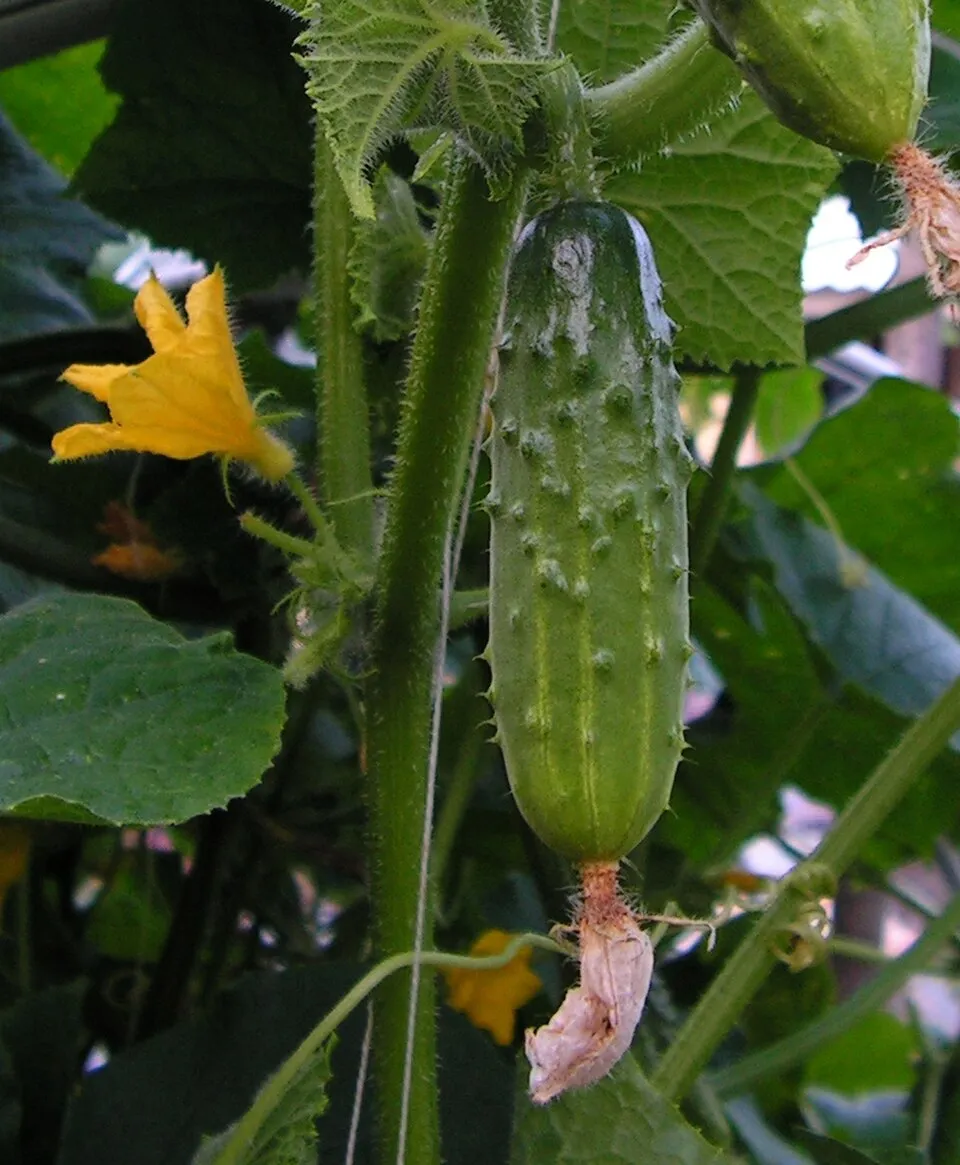
Cucumis sativus, universally recognized as the cucumber or Trapusa in traditional Indian medicine, is a herbaceous, sprawling vine belonging to the Cucurbitaceae family. This annual plant typically extends its stems 1 to 2 meters, often requiring support to climb. Its foliage consists of large, palmately lobed leaves, measuring approximately 10 to 20 centimeters across, characterized by a rough texture and fine hairs.
The plant produces distinctive yellow, funnel-shaped flowers, about 2 to 3 centimeters in diameter, with both male and female blooms present on the same individual. Cucumis sativus thrives in warm, humid climates, adapting well to a range of tropical to temperate zones, and is thought to have originated in South Asia, particularly India, from where its cultivation spread globally. Unlike woody plants, it lacks bark, possessing a green, often ribbed stem.
The fruit, the most commonly consumed part, is typically elongated, averaging 15 to 25 centimeters in length, with a smooth or slightly bumpy, dark green skin, sometimes exhibiting small spines in wilder varieties. Internally, it contains numerous pale, pointed seeds embedded within a watery pulp. As a close relative of melons and squash, Cucumis sativus embodies a unique botanical profile, prized not only for its culinary versatility but also for its profound hydrating and cooling properties, making it a significant subject in botanical and medical research.
Trusted Scientific References
1. Authoritative external sources for Cucumis sativus
1.1 Wikipedia — Cucumis sativus
1.2 Kew POWO (Plants of the World Online)
1.3 PubMed — peer-reviewed research
1.4 NCBI Taxonomy Browser
1.5 GBIF — Global Biodiversity
1.6Trapusa should be interpreted through verified botanical identity, practical care, and responsible safety language. This recovery note adds the missing context needed for a complete profile: match light to the plant's habit, use well-drained soil, water according to season, and avoid unsupported medicinal or edible claims. For publishing, the plant can be presented as a source-backed medicinal plant with clear care guidance, common problem diagnosis, and conservative safety wording.
1.1.Trapusa — Distinguishing Points
- ✓Botanical Name — Cucumis sativus, commonly known as cucumber or Trapusa.
- ✓Family — Cucurbitaceae, related to melons and squash.
- ✓High Water Content — Approximately 95% water, making it exceptionally hydrating.
- ✓Nutritional Profile — Rich in Vitamins C, K, A, and folic acid, particularly in the skin.
- ✓Traditional Coolant — Widely used in Ayurveda and TCM for its 'Sheeta Veerya' (cold potency).
- ✓Natural Diuretic — Promotes urination, aiding in detoxification and urinary tract health.
- ✓Skin and Eye Benefits — Soothes, moisturizes, and reduces inflammation when applied topically.
- ✓Antioxidant Properties — Contains flavonoids like rutin and various vitamins that combat oxidative stress.
- ✓Potential Therapeutic Actions — Research suggests anti-cancer and anti-diarrheal activities.
- ✓Global Cultivation — Grown worldwide in warm climates for both culinary and medicinal uses.
1.2.Trapusa — Snapshot Summary
- ✓Cucumis sativus (cucumber) is a hydrating, cooling vine from the Cucurbitaceae family.
- ✓Revered in Ayurveda as Trapusa for its diuretic, Pitta-reducing, and detoxifying properties.
- ✓Rich in vitamins (C, K, A) and antioxidants, supporting skin health and immunity.
- ✓Modern research explores its potential anti-cancer and anti-diarrheal activities.
- ✓Versatile in culinary and medicinal applications, from fresh juice to topical remedies.
- ✓Generally safe, but mindful consumption is advised, especially for specific body types or conditions.
2.Trapusa — Botanical Identity
3.Trapusa — Vital Statistics
4.Trapusa — Botanical Features
5.Trapusa — Ecological Habitat
6.Trapusa — Heritage Uses
7.Trapusa — Key Phytochemicals
- ✓Vitamins — Rich in Vitamin C (an antioxidant crucial for immune function and skin health), Vitamin K (essential for blood clotting and bone health), Vitamin A (beneficial for vision and skin), and Folic Acid (important for cell growth and metabolism), particularly concentrated in the skin.
- ✓Enzymes — Contains proteolytic enzymes (aiding protein digestion), ascorbic acid oxidase, and succinic and malic dehydrogenases, which play roles in metabolic pathways.
- ✓Phytosterols — Presence of compounds like B-sitosterol and clerosterol, known for their potential to lower cholesterol and exhibit anti-inflammatory effects.
- ✓Cucurbitacins — Includes cucurbitasides B and C, which are bitter triterpenoids responsible for cucumber's characteristic flavor and have been investigated for their anti-cancer properties.
- ✓Flavonoids — Contains rutin, a potent flavonoid with significant antioxidant and anti-inflammatory activities, contributing to overall cellular protection.
- ✓Glucosides — The seeds are noted to contain various glucosides, which are compounds with diverse pharmacological activities.
- ✓Alkanes — Pristane is a saturated hydrocarbon found in cucumber, though its specific medicinal role is less understood.
- ✓Water — Constitutes approximately 95% of the fruit, acting as a natural solvent for nutrients and facilitating hydration and detoxification.
8.Trapusa — Scientific Evidence
- ✓Cooling and Pitta-Reducing — Cucumis sativus is renowned in Ayurveda as 'Susheetala' for its potent cooling properties, effectively alleviating heat-related imbalances and reducing vitiated Pitta Dosha.
- ✓Diuretic Action (Mutrala) — Its high water content and specific compounds promote diuresis, aiding in the expulsion of toxins, cleansing the urinary bladder (Basti shodhana), and supporting healthy kidney function, beneficial for conditions like dysuria and urinary calculi.
- ✓Hydration Support — Comprising approximately 95% water, cucumber is an excellent natural hydrator, effectively quenching excessive thirst (Trushna) and mitigating symptoms of dehydration, heat stroke, and general fatigue (Klama).
- ✓Skin Health Enhancement — Rich in Vitamins C, K, and A, as well as antioxidants, it nourishes the skin, soothes irritation, reduces inflammation, and provides relief from sunburn and other skin ailments when applied topically.
- ✓Detoxification Aid — Traditionally believed to clear heat and resolve toxins from the body, its diuretic and hydrating effects assist in the natural detoxification processes, helping to purify the system.
- ✓Headache and Insomnia Relief — Topical application of cucumber slices or medicated oil prepared from its seeds on the scalp is traditionally used to alleviate headaches and promote restful sleep.
- ✓Digestive Comfort — While the whole fruit can be 'Vishtambhi' (potentially constipating for some), its cooling nature helps soothe burning sensations, giddiness (Bhrama), and vomiting associated with Pitta imbalances in the digestive tract.
- ✓Potential Anti-cancer Activity — Preliminary in vitro research indicates that compounds isolated from Cucumis sativus flowers exhibit superior anti-cancer action against liver cancer (HePG2 cell lines), suggesting a promising therapeutic avenue.
- ✓Anti-diarrheal Properties — Studies on methanolic extracts have shown significant dose-dependent inhibitory activity against castor oil-induced diarrhea in animal models, possibly through an anti-secretory mechanism.
- ✓Relief for Bleeding Disorders (Raktapitta) — In traditional systems, its cooling and astringent properties are indicated for managing bleeding disorders such as nasal bleeding and heavy menstrual periods.
8.1.Trapusa — Health Applications
9.Trapusa — Safety Considerations
9.1.Trapusa — Caution Notes
- ✓Digestive Discomfort — Some individuals may experience bloating, gas, or indigestion, especially if consuming large quantities due to the presence of cucurbitacins.
- ✓Allergic Reactions — Although rare, allergic responses such as oral allergy syndrome, skin rashes, or itching can occur in sensitive individuals.
- ✓Constipation (Vishtambhi) — According to Ayurvedic principles, the whole fruit can be 'Vishtambhi' or constipating for certain body types or if consumed improperly.
- ✓Increased Kapha Dosha — Ripe or overly mature cucumbers are considered to increase Kapha Dosha in Ayurveda, potentially leading to congestion or heaviness.
- ✓Increased Pitta Dosha — Conversely, dried-out cucumbers are believed to increase Pitta Dosha, which could exacerbate heat-related conditions.
- ✓Pesticide Residues — Non-organic cucumbers may contain pesticide residues on their skin, which can be a concern for health if not thoroughly washed or peeled.
- ✓Bitter Taste — Certain varieties or cucumbers grown under stress (e.g., drought) can develop a bitter taste due to higher concentrations of cucurbitacins, which can cause stomach upset.
9.2.Trapusa — Clinical Safety Notes
- ✓Generally Recognized as Safe — Cucumis sativus is widely considered safe for consumption as food and in traditional medicinal quantities for most healthy individuals.
- ✓Pregnancy and Lactation — Moderate consumption is generally safe; however, pregnant or lactating individuals should consult a healthcare practitioner before using it medicinally.
- ✓Drug Interactions — No significant interactions are typically reported with homeopathic medicines or most dietary supplements; however, caution is advised with concurrent use of Western (allopathic) medications, and professional advice should be sought.
- ✓Kidney Conditions — While diuretic, individuals with pre-existing kidney conditions or those on diuretic medications should consult a doctor due to its potential to affect fluid balance.
- ✓Quality and Sourcing — It is advisable to consume organic or well-washed cucumbers to minimize exposure to pesticides and ensure maximum benefit.
- ✓Avoidance of Extreme Bitterness — Severely bitter cucumbers, which may indicate high levels of cucurbitacins, should be avoided as they can cause gastrointestinal distress.
- ✓Seasonal Consumption — Ayurvedic texts recommend avoiding cucumber consumption during the rainy season, suggesting it may exacerbate certain imbalances during that period.
10.Trapusa — Usage Guide
- ✓Raw Consumption — Fresh cucumber slices are widely consumed in salads, sandwiches, and as a hydrating snack, often with the skin for added nutrients.
- ✓Fresh Juice — Cucumber juice, often combined with water or other fruits, is taken to relieve thirst, burning micturition, and as a general coolant.
- ✓Seed Powder — Dried cucumber seeds are powdered and consumed in doses of 3-6g, traditionally used to alleviate general weakness and as a diuretic.
- ✓Topical Application — Slices of cucumber are applied directly to the skin to soothe sunburn, reduce puffiness around the eyes, alleviate headaches, and calm skin irritation.
- ✓Medicated Oil — Oils infused with cucumber seeds are prepared and traditionally massaged into the scalp to alleviate insomnia and headaches.
- ✓Decoctions and Kashayas — Specific Ayurvedic formulations like Ashmarihara Kashaya incorporate cucumber to treat urinary tract infections and renal calculi.
- ✓Culinary Ingredient — Beyond salads, cucumber is used in various cuisines as a vegetable, in pickles, raitas, and refreshing beverages.
11.Trapusa — How to Grow
- ✓Climate Preference — Thrives in warm, humid climates; susceptible to frost, requiring temperatures between 18-30°C for optimal growth.
- ✓Soil Requirements — Prefers well-drained, fertile soil rich in organic matter, with a pH ranging from 6.0 to 7.0.
- ✓Sunlight Exposure — Requires full sun exposure, typically 6-8 hours of direct sunlight daily, for robust growth and fruit development.
- ✓Watering Regimen — Demands consistent and ample moisture, especially during flowering and fruiting, to prevent bitterness and ensure succulent fruit.
- ✓Support System — As a vining plant, it benefits greatly from trellising, staking, or caging to support the heavy fruit and improve air circulation, reducing disease risk.
- ✓Propagation Method — Primarily propagated by direct sowing of seeds after the last frost, or by transplanting seedlings started indoors.
- ✓Harvesting Practices — Fruits are typically harvested when they reach the desired size and are firm, before seeds fully mature and skin becomes tough.
- ✓Pest and Disease Management — Common issues include powdery mildew, downy mildew, and cucumber beetles, managed through resistant varieties, crop rotation, and organic pest control.
Reviewed by the Flora Medical Global Botanical Review Panel
Multi-disciplinary editorial group · Botany · Ethnobotany · Herbal-medicine literature
Who reviewed this: This page was checked by the Flora Medical Global Botanical Review Panel — an in-house editorial group of botany graduates, ethnobotany researchers, and horticulture practitioners who collectively maintain our 7,000+ plant encyclopedia. Meet the team.
Our 4-step verification process
1. Taxonomic verification
Scientific names and synonyms cross-checked against Kew POWO, World Flora Online, and The Plant List.
2. Phytochemical & medicinal cross-reference
Active compounds, traditional uses, and reported activities are cross-referenced with PubMed, USDA Dr. Duke's database, and peer-reviewed ethnobotanical literature.
3. Conservation & distribution check
Distribution, ecology, and conservation status confirmed against GBIF occurrence records and the IUCN Red List.
4. Editorial & safety review
Every entry passes an editorial pass for clarity, originality, and safety notices (toxicity, contraindications, dosage caveats) before publication.
Last reviewed:
Important medical disclaimer: This content is for educational and research purposes only. It is not medical advice and is not a substitute for consultation with a licensed healthcare provider. Do not use any herb to self-treat a medical condition without professional guidance.
Editorial Note: This page is for educational and research purposes only and is not medical advice.
Written by: Flora Medical Global Editorial Team
Reviewed by: Flora Medical Global Botanical Review Panel
Last Updated: June 15, 2026





Trapusa — Comments & Community Reviews
Rate this plant