

Medical Disclaimer: This content is for educational purposes only. It is not medical advice. Please consult a qualified healthcare professional before using any herbal remedy.
Safety Overview
1.Triphala — Botanical Snapshot
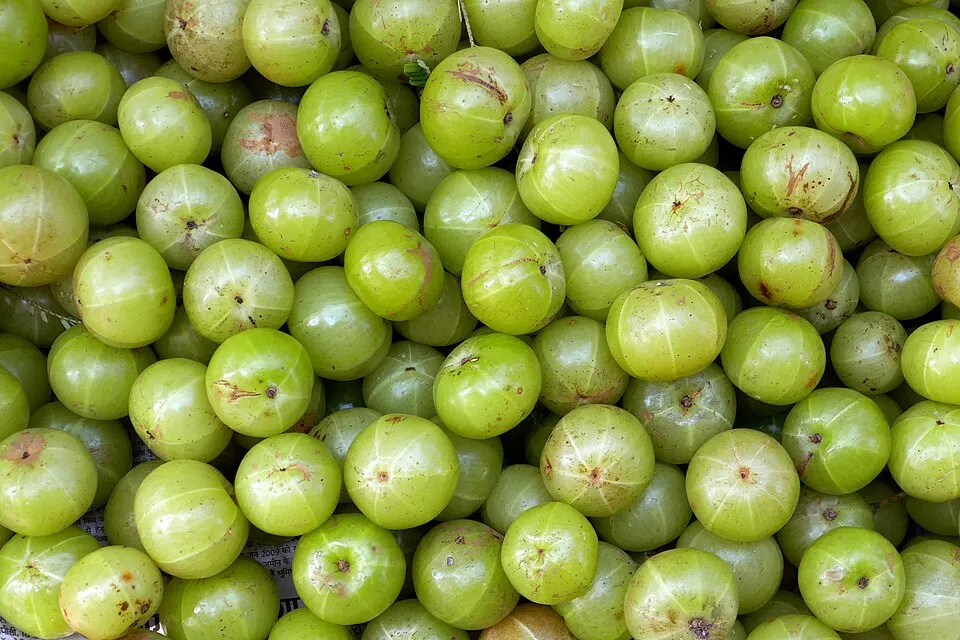
Triphala, a revered polyherbal formulation in Ayurvedic medicine, is a synergistic blend of the dried fruits from three distinct tree species: Emblica officinalis (Amla or Indian gooseberry), Terminalia chebula (Haritaki), and Terminalia bellirica (Bibhitaki). Emblica officinalis is a medium-sized deciduous tree, typically growing 8-18 meters tall, characterized by small, alternate, ovate leaves measuring 1-3 cm long, and producing fleshy, green, globular drupes rich in vitamin C. Its bark is generally smooth and greenish-grey.
Terminalia chebula, a larger tree reaching 15-25 meters, features deeply fissured, greyish bark and produces oblong, yellowish-brown fruits, 2-4 cm long, with prominent longitudinal ridges when dried. Its leaves are simple, opposite, and broadly ovate. Terminalia bellirica, often a tall, straight-trunked tree growing 15-30 meters, possesses distinctive smooth, silvery-grey bark and yields round, light-brown fruits, 3-5 cm in diameter, which are slightly pentagonal.
The leaves are large, broadly elliptical, and clustered at the branch ends. These three fruits, each contributing unique phytochemical profiles and acting synergistically, are traditionally combined in equal proportions, though some formulations may vary, to create Triphala, which is widely distributed across tropical and subtropical regions of India and Southeast Asia where these trees are native or cultivated.
Trusted Scientific References
1. Authoritative external sources for Emblica/Terminalia/Haritaki blend
1.1 Wikipedia — Emblica/Terminalia/Haritaki blend
1.2 Kew POWO (Plants of the World Online)
1.3 PubMed — peer-reviewed research
1.4 NCBI Taxonomy Browser
1.5 GBIF — Global Biodiversity
1.6Triphala should be interpreted through verified botanical identity, practical care, and responsible safety language. This recovery note adds the missing context needed for a complete profile: match light to the plant's habit, use well-drained soil, water according to season, and avoid unsupported medicinal or edible claims. For publishing, the plant can be presented as a source-backed medicinal plant with clear care guidance, common problem diagnosis, and conservative safety wording.
1.1.Triphala — Distinguishing Points
- ✓Tridoshic balancing properties — Tridoshic balancing properties according to Ayurveda.
- ✓Gentle yet effective — Gentle yet effective bowel regulator and colon cleanser.
- ✓Potent antioxidant and — Potent antioxidant and free radical scavenging capacity.
- ✓Supports healthy inflammatory — Supports healthy inflammatory responses throughout the body.
- ✓Promotes beneficial gut — Promotes beneficial gut microbiota and digestive enzyme activity.
- ✓Enhances nutrient absorption — Enhances nutrient absorption and systemic rejuvenation.
- ✓Traditionally used for — Traditionally used for eye health and immune boosting.
- ✓Natural source of — Natural source of vitamin C and diverse polyphenols.
- ✓Supports liver function — Supports liver function and metabolic balance.
- ✓Adaptogenic qualities aiding overall well — being.
1.2.Triphala — Snapshot Summary
- ✓Ayurvedic polyherbal blend for holistic health.
- ✓Supports digestion, detoxification, and immune function.
- ✓Rich in antioxidants and anti-inflammatory compounds.
- ✓Traditional remedy for gut health and overall vitality.
- ✓Comprises Amla, Haritaki, and Bibhitaki fruits.
2.Triphala — Nomenclature & Classification
3.Triphala — Vital Statistics
4.Triphala — Physical Description
5.Triphala — Native Range & Habitat
6.Triphala — Traditional Uses
7.Triphala — Key Phytochemicals
- ✓Tannins — Predominantly gallotannins and ellagitannins such as gallic acid, ellagic acid, chebulagic acid, and chebulinic acid, which impart astringent properties and contribute significantly to Triphala's antioxidant and anti-inflammatory effects.
- ✓Flavonoids — A diverse group including quercetin and kaempferol derivatives, known for their powerful antioxidant, anti-inflammatory, and cardioprotective activities.
- ✓Phenolic Acids — Beyond tannins, other simple phenolic acids like ferulic acid and caffeic acid are present, enhancing the overall antioxidant capacity and contributing to antimicrobial actions.
- ✓Vitamin C (Ascorbic Acid) — Abundantly found in Amla (Emblica officinalis), it is a potent antioxidant crucial for immune function, collagen synthesis, and protecting against oxidative damage.
- ✓Saponins — These glycosides contribute to Triphala's detoxifying and cleansing properties, and may have mild expectorant and anti-inflammatory effects.
- ✓Glycosides — Various glycosidic compounds are present, which may contribute to Triphala's laxative and purgative actions, particularly from Terminalia fruits.
- ✓Phytosterols — Including beta-sitosterol, which may contribute to anti-inflammatory and cholesterol-lowering effects.
- ✓Resins — Present in smaller quantities, these compounds can offer mild antiseptic and anti-inflammatory benefits.
- ✓Fixed Oils — Trace amounts of fatty acids and fixed oils are found within the fruits, contributing to their nutritional profile and emollient properties.
8.Triphala — Evidence-Based Benefits
- ✓Digestive Support — Triphala acts as a gentle laxative and colon tonic, promoting regular bowel movements and improving gut motility without causing dependency. Its synergistic blend supports the natural balance of gut flora, aiding in nutrient absorption and overall gastrointestinal comfort.
- ✓Detoxification — This traditional blend supports the body's natural detoxification pathways, helping to cleanse the colon and remove accumulated toxins, thereby promoting systemic purity and vitality.
- ✓Antioxidant Activity — Rich in polyphenols, flavonoids, and vitamin C, Triphala exhibits potent antioxidant properties, neutralizing free radicals and protecting cells from oxidative stress and damage.
- ✓Anti-inflammatory Effects — The various phenolic compounds present in Triphala contribute to its anti-inflammatory actions, which can help mitigate inflammation throughout the body, supporting overall immune response.
- ✓Immunomodulation — Triphala has been shown to modulate immune responses, enhancing the body's natural defense mechanisms and improving resistance to various pathogens.
- ✓Metabolic Health — Research suggests Triphala may support healthy metabolism, potentially aiding in blood sugar regulation and lipid management, making it beneficial for metabolic disorders.
- ✓Ocular Health — Traditionally used to support eye health, Triphala is believed to strengthen eye muscles and improve vision, particularly in conditions related to aging, due to its antioxidant content.
- ✓Skin Health — Its detoxifying and antioxidant properties contribute to healthier skin, helping to reduce blemishes, promote clear complexion, and support tissue regeneration.
- ✓Liver Protection — Some studies indicate hepatoprotective effects, suggesting Triphala may help protect the liver from damage and support its vital functions.
- ✓Oral Health — As an astringent and antimicrobial, Triphala is often used in gargles or rinses to maintain oral hygiene, reduce gum inflammation, and fight oral pathogens.
8.1.Triphala — Conditions Traditionally Used For
9.Triphala — Safety & Side Effects
9.1.Triphala — Caution Notes
- ✓Digestive Upset — High doses can lead to loose stools, diarrhea, or abdominal cramping, especially in individuals new to its use or with sensitive digestive systems.
- ✓Dehydration — Excessive laxative effect from high doses can potentially lead to dehydration and electrolyte imbalance if not adequately managed.
- ✓Drug Interactions — May interact with blood-thinning medications (anticoagulants) due to its vitamin K content, and potentially reduce the efficacy of certain medications by affecting gut absorption.
- ✓Hypoglycemia — Individuals on blood sugar-lowering medications should monitor glucose levels closely, as Triphala may have hypoglycemic effects.
- ✓Allergic Reactions — Although rare, some individuals may experience allergic reactions such as skin rashes, itching, or respiratory discomfort.
- ✓Pregnancy Complications — Not recommended during pregnancy as it may stimulate uterine contractions and is considered a purgative, potentially leading to adverse effects.
9.2.Triphala — Safety Overview
- ✓Pregnancy and Lactation — Not recommended for pregnant or breastfeeding women due to its purgative action and insufficient safety data regarding effects on fetal development or infant health.
- ✓Children — Use in children should be under medical supervision and with caution, typically at reduced dosages, due to its potent actions.
- ✓Pre-existing Conditions — Individuals with chronic gastrointestinal conditions, inflammatory bowel disease, or severe digestive disorders should consult a healthcare professional before use.
- ✓Medication Interactions — Caution is advised for individuals taking prescription medications, particularly anticoagulants, antidiabetic drugs, or those with narrow therapeutic windows.
- ✓Dosage Adherence — Always adhere to recommended dosages; exceeding them can increase the risk of adverse effects such as severe diarrhea or dehydration.
- ✓Quality Sourcing — Ensure Triphala products are sourced from reputable suppliers to guarantee purity, potency, and absence of contaminants or adulterants.
- ✓Hydration — Maintain adequate hydration when using Triphala, especially if experiencing increased bowel activity, to prevent dehydration.
10.Triphala — Usage Guide
- ✓Powder (Churna) — The most common form, typically taken as 1-2 teaspoons (3-6 grams) mixed with warm water, often before bed for digestive regulation or in the morning on an empty stomach for detoxification.
- ✓Capsules/Tablets — For convenience and precise dosing, Triphala is available in standardized capsule or tablet forms, usually taken once or twice daily with water.
- ✓Decoction — A traditional method involves boiling Triphala powder in water, straining, and consuming the liquid, often used for internal cleansing or as an eye wash (when cooled and filtered).
- ✓External Wash/Gargle — A cooled Triphala decoction can be used as a mouthwash for oral hygiene, gum health, or as a skin wash for minor irritations.
- ✓Triphala Ghee — Infusing Triphala into ghee (clarified butter) is an Ayurvedic preparation believed to enhance its properties and facilitate absorption, particularly for rejuvenation therapies.
- ✓Honey Admixture — Mixing Triphala powder with honey is a common practice to improve palatability and enhance its beneficial effects, especially for coughs or respiratory support.
- ✓Dosage Adjustment — Starting with a lower dose and gradually increasing it is recommended to allow the body to adjust and to find the optimal individual dosage for desired effects.
11.Triphala — Garden Cultivation
- ✓Climate — The constituent trees (Amla, Haritaki, Bibhitaki) thrive in tropical to subtropical climates with distinct wet and dry seasons, requiring ample sunlight for optimal growth.
- ✓Soil — Prefers well-drained, fertile loamy soils with a pH ranging from slightly acidic to neutral (6.0-7.5), though they can tolerate a variety of soil types.
- ✓Propagation — Primarily propagated through seeds, which require stratification for improved germination, or vegetatively through budding or grafting for faster growth and consistent fruit quality.
- ✓Planting — Saplings are typically planted at the onset of the monsoon season, spaced adequately to allow for mature tree size and canopy development.
- ✓Watering — Young trees require regular watering, while mature trees are largely drought-tolerant but benefit from irrigation during prolonged dry spells, especially during fruit development.
- ✓Harvesting — Fruits are typically harvested manually when fully mature, indicated by their characteristic color and size, usually during the winter months for Amla and autumn for Terminalia species.
- ✓Pest and Disease Management — Generally robust, but occasional issues with fruit borers or fungal diseases are managed through organic pest control methods and proper horticultural practices.
Reviewed by the Flora Medical Global Botanical Review Panel
Multi-disciplinary editorial group · Botany · Ethnobotany · Herbal-medicine literature
Who reviewed this: This page was checked by the Flora Medical Global Botanical Review Panel — an in-house editorial group of botany graduates, ethnobotany researchers, and horticulture practitioners who collectively maintain our 7,000+ plant encyclopedia. Meet the team.
Our 4-step verification process
1. Taxonomic verification
Scientific names and synonyms cross-checked against Kew POWO, World Flora Online, and The Plant List.
2. Phytochemical & medicinal cross-reference
Active compounds, traditional uses, and reported activities are cross-referenced with PubMed, USDA Dr. Duke's database, and peer-reviewed ethnobotanical literature.
3. Conservation & distribution check
Distribution, ecology, and conservation status confirmed against GBIF occurrence records and the IUCN Red List.
4. Editorial & safety review
Every entry passes an editorial pass for clarity, originality, and safety notices (toxicity, contraindications, dosage caveats) before publication.
Last reviewed:
Important medical disclaimer: This content is for educational and research purposes only. It is not medical advice and is not a substitute for consultation with a licensed healthcare provider. Do not use any herb to self-treat a medical condition without professional guidance.
Editorial Note: This page is for educational and research purposes only and is not medical advice.
Written by: Flora Medical Global Editorial Team
Reviewed by: Flora Medical Global Botanical Review Panel
Last Updated: June 15, 2026





Triphala — Comments & Community Reviews
Rate this plant