
Medical Disclaimer: This content is for educational purposes only. It is not medical advice. Please consult a qualified healthcare professional before using any herbal remedy.
Safety Overview
1.Wheatgrass — Botanical Snapshot
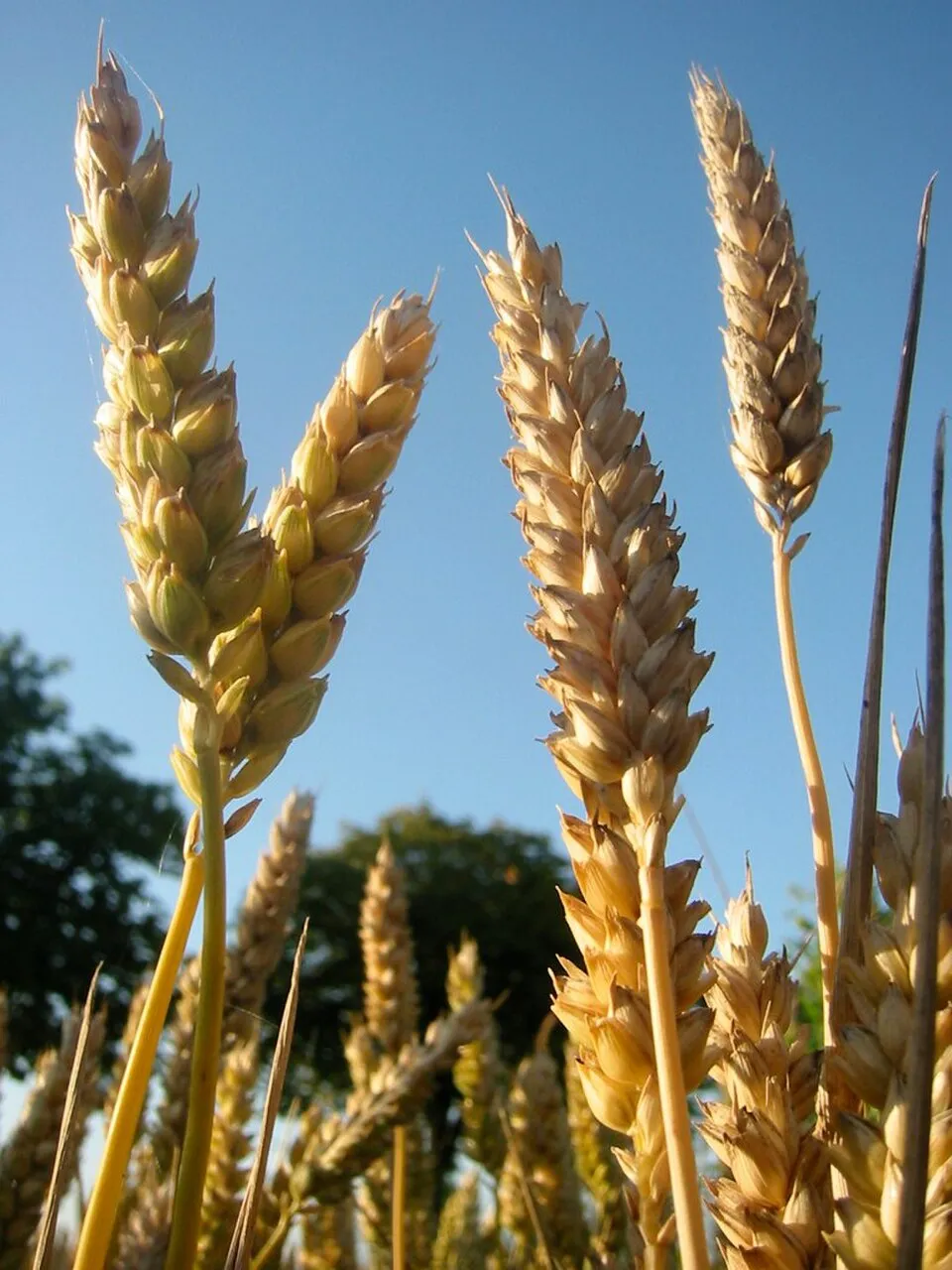
Wheatgrass, the young foliage of Triticum aestivum, is a distinctive member of the Poaceae family, widely recognized for its nutritional density. This nascent grass is typically harvested at a height of 15 to 30 centimeters, a crucial stage before the plant develops into mature grain-producing wheat. Morphologically, the leaves of Triticum aestivum are characterized by their long, slender, and linear structure, often reaching lengths of 30 to 50 centimeters. Their vibrant, deep green hue is a direct indicator of their exceptionally high chlorophyll content, a key identifier for this plant.
Unlike mature wheat, wheatgrass is primarily utilized in its vegetative state and does not produce prominent flowers or grain at the point of harvest for medicinal or nutritional purposes. The stem, or culm, is cylindrical and relatively thin, typically up to 6 mm in diameter, providing structural support to the upright blades. Beneath the soil, a robust system of fibrous roots anchors the plant, efficiently absorbing nutrients. Triticum aestivum demonstrates adaptability, flourishing in temperate climates and thriving in well-drained, fertile soils.
Its cultivation is widespread across various regions, including North America, parts of Europe, and Asia, where it is often grown both commercially and domestically for its esteemed health benefits. While sharing botanical characteristics with other grasses, wheatgrass is uniquely celebrated for its concentrated profile of vitamins, minerals, enzymes, and antioxidants, distinguishing it as a prominent superfood in holistic health practices.
Trusted Scientific References
1. Authoritative external sources for Triticum aestivum
1.1 Wikipedia — Triticum aestivum
1.2 Kew POWO (Plants of the World Online)
1.3 PubMed — peer-reviewed research
1.4 NCBI Taxonomy Browser
1.5 GBIF — Global Biodiversity
1.6Wheatgrass should be interpreted through verified botanical identity, practical care, and responsible safety language. This recovery note adds the missing context needed for a complete profile: match light to the plant's habit, use well-drained soil, water according to season, and avoid unsupported medicinal or edible claims. For publishing, the plant can be presented as a source-backed medicinal plant with clear care guidance, common problem diagnosis, and conservative safety wording.
1.1.Wheatgrass — Highlights
- ✓Rich in Chlorophyll — High concentration of the green pigment, often referred to as 'liquid sunshine'.
- ✓Nutrient Dense — Packed with a broad spectrum of vitamins (A, C, E, K, B-complex) and essential minerals.
- ✓Complete Protein Source — Contains all essential amino acids, supporting muscle and cellular health.
- ✓Enzyme Rich — Abundant in digestive enzymes and powerful antioxidants like Superoxide Dismutase.
- ✓Potent Antioxidant — Fights oxidative stress and protects cells from damage caused by free radicals.
- ✓Natural Detoxifier — Supports liver health and aids in the body's natural cleansing processes.
- ✓Immune System Booster — Enhances the body's natural defenses and overall immunity.
- ✓Anti — inflammatory Properties — Helps to reduce inflammation throughout the body.
- ✓Supports Digestive Health — Aids in nutrient absorption and promotes healthy gut function.
- ✓Sustainably Cultivated — Can be grown indoors year-round, making it an accessible superfood.
1.2.Wheatgrass — At-a-Glance Summary
- ✓Wheatgrass (Triticum aestivum) is a young, nutrient-dense grass from the wheat plant.
- ✓It is a powerhouse of chlorophyll, vitamins, minerals, enzymes, and amino acids.
- ✓Known for its potent antioxidant, detoxifying, anti-inflammatory, and immune-boosting properties.
- ✓Traditionally used in Ayurveda and TCM for vitality, digestion, and cleansing.
- ✓Available as fresh juice, powder, or capsules, with fresh juice being the most common form.
- ✓Start with small doses to avoid potential side effects like nausea or digestive upset.
2.Wheatgrass — Botanical Identity
3.Wheatgrass — Key Data
4.Wheatgrass — Physical Description
5.Wheatgrass — Ecological Habitat
6.Wheatgrass — Traditional Uses
7.Wheatgrass — Chemical Profile
- ✓Chlorophyll — The primary pigment responsible for its green color, chlorophyll is believed to detoxify the blood, support liver function, and act as an anti-inflammatory agent.
- ✓Vitamins — Abundant in vitamins A (as beta-carotene), C, E, K, and a full spectrum of B vitamins (B1, B2, B3, B5, B6, B9), essential for energy metabolism, immune function, and antioxidant defense.
- ✓Minerals — Contains vital minerals including iron, calcium, magnesium, potassium, zinc, selenium, and phosphorus, crucial for bone health, nerve function, and electrolyte balance.
- ✓Enzymes — Rich in powerful enzymes like Superoxide Dismutase (SOD), Cytochrome oxidase, Amylase, Lipase, and Protease, which aid in digestion, reduce oxidative stress, and support cellular repair.
- ✓Amino Acids — Provides all 8 essential amino acids, making it a complete protein source, vital for muscle repair, hormone production, and overall bodily functions.
- ✓Flavonoids — A class of polyphenolic compounds such as apigenin and luteolin, known for their potent antioxidant, anti-inflammatory, and neuroprotective activities.
- ✓Saponins — Natural plant compounds that may contribute to cholesterol-lowering effects and possess mild adaptogenic properties, supporting stress response.
- ✓Polysaccharides — Complex carbohydrates that can modulate immune function and contribute to gut health, supporting beneficial gut flora.
- ✓Phytonutrients — A broad category including various carotenoids, phenolic acids, and lignans, which collectively offer antioxidant, anti-inflammatory, and protective health benefits.
- ✓Growth Factors — Contains compounds that stimulate cell growth and regeneration, contributing to its potential wound-healing and tissue repair properties.
8.Wheatgrass — Scientific Evidence
- ✓Potent Antioxidant — Wheatgrass is rich in antioxidants like vitamins A, C, E, and flavonoids, which combat oxidative stress and neutralize free radicals, protecting cellular integrity.
- ✓Supports Detoxification — Traditionally used to cleanse the body, its high chlorophyll content is believed to aid in liver function and blood purification, helping eliminate toxins.
- ✓Boosts Immune System — The diverse array of vitamins, minerals, and enzymes found in wheatgrass contributes to strengthening the body's natural defenses and overall immune response.
- ✓Aids Digestion — Enzymes such as amylase and lipase assist in breaking down food, promoting more efficient digestion and nutrient absorption, and potentially easing digestive discomfort.
- ✓Reduces Inflammation — Compounds like chlorophyll and certain flavonoids exhibit anti-inflammatory properties, which may help alleviate symptoms associated with inflammatory conditions.
- ✓Regulates Blood Sugar — Preliminary research suggests that wheatgrass may help lower blood sugar levels, making it potentially beneficial for individuals managing metabolic health.
- ✓Lowers Cholesterol — Some studies indicate that wheatgrass can help reduce levels of 'bad' LDL cholesterol and triglycerides, supporting cardiovascular health.
- ✓Enhances Energy and Vitality — Its comprehensive nutrient profile, including iron and B vitamins, contributes to improved energy production and can combat fatigue.
- ✓Promotes Wound Healing — The chlorophyll and growth factors in wheatgrass are thought to support tissue repair and regeneration, aiding in the healing of skin conditions and wounds.
- ✓Supports Skin Health — Its antioxidant and detoxifying properties may contribute to clearer, healthier skin by reducing internal toxins and protecting against environmental damage.
- ✓Anti-cancer Potential — While more research is needed, some in vitro and animal studies suggest that wheatgrass compounds may inhibit the growth of certain cancer cells and induce apoptosis.
- ✓Alleviates Anemia — The high iron content and chlorophyll, which is structurally similar to hemoglobin, may support red blood cell production, potentially benefiting individuals with anemia.
8.1.Wheatgrass — Reported Uses
9.Wheatgrass — Safety & Side Effects
9.1.Wheatgrass — Possible Adverse Reactions
- ✓Nausea and Vomiting — Especially common when first consumed, particularly with larger doses or on an empty stomach.
- ✓Headache — Some individuals may experience mild headaches, possibly due to its potent detoxifying effects.
- ✓Digestive Upset — Can cause symptoms like diarrhea, constipation, or stomach cramps in sensitive individuals.
- ✓Allergic Reactions — Though rare, reactions like hives, swelling, or difficulty breathing can occur, especially in those with grass allergies.
- ✓Dizziness or Lightheadedness — May be experienced by some, particularly during the initial phase of consumption.
- ✓Oral Discomfort — The strong taste can sometimes cause an unpleasant sensation in the mouth or throat.
- ✓Contamination Risk — If not properly grown or handled, fresh wheatgrass can harbor mold or bacteria, leading to illness.
9.2.Wheatgrass — Toxicity Assessment
- ✓Pregnancy and Lactation — Consult a healthcare professional before use due to limited research on its safety during these periods.
- ✓Children — Administer in very small doses and under medical supervision; always consult a pediatrician.
- ✓Celiac Disease/Gluten Sensitivity — Wheatgrass is generally considered gluten-free as it's harvested before the grain develops, but cross-contamination can occur if not processed in a dedicated facility. Exercise caution.
- ✓Kidney Conditions — Individuals with kidney issues should consult a doctor due to its potassium content, which could impact electrolyte balance.
- ✓Blood Thinners — High Vitamin K content in wheatgrass may interfere with anticoagulant medications; consult your doctor.
- ✓Sourcing and Purity — Always choose organic, high-quality wheatgrass from reputable sources to minimize exposure to pesticides, heavy metals, or microbial contaminants.
- ✓Storage — Fresh wheatgrass juice is highly perishable and should be consumed immediately. Powdered forms should be stored in a cool, dark, dry place.
10.Wheatgrass — Preparation Methods
- ✓Fresh Juice — The most common method; wheatgrass is juiced using a slow masticating juicer to extract its nutrient-dense liquid. Consume immediately for maximum potency.
- ✓Powdered Supplement — Dried wheatgrass juice or whole leaf powder can be mixed into water, smoothies, or other beverages. Follow manufacturer's dosage instructions.
- ✓Capsules/Tablets — For convenience, wheatgrass is available in encapsulated or tablet forms, providing a standardized dose. Take with water as directed.
- ✓Smoothies and Green Drinks — Add a small amount of fresh wheatgrass (if you have a powerful blender) or wheatgrass powder to your favorite fruit and vegetable smoothies.
- ✓Food Additive — Wheatgrass powder can be sprinkled over salads, mixed into salad dressings, or incorporated into raw food recipes, though its strong flavor can be noticeable.
- ✓Topical Application — Some traditional practices involve applying wheatgrass poultices or compresses to skin irritations, wounds, or for its soothing properties.
- ✓Enemas — Historically, wheatgrass juice enemas have been used in some alternative health protocols for colon cleansing, but this practice should only be done under professional guidance due to potential risks.
- ✓Dosage — Start with a small amount (e.g., 1-2 ounces of juice or 1 teaspoon of powder) and gradually increase as tolerated, observing your body's response.
11.Wheatgrass — How to Grow
- ✓Seed Selection — Use high-quality, organic hard winter wheat seeds, ensuring they are free from pesticides and fungicides.
- ✓Soaking Seeds — Soak seeds in cool water for 8-12 hours to initiate germination, then rinse thoroughly.
- ✓Tray Preparation — Spread a thin layer (1-2 inches) of organic, well-draining potting soil or a soilless medium (like coco coir) in shallow trays.
- ✓Seeding — Distribute soaked seeds evenly and densely over the soil surface, gently pressing them down but not covering them with soil.
- ✓Watering & Light — Keep the soil consistently moist (but not waterlogged) by misting daily. Place trays in a well-lit area with indirect sunlight or under grow lights; avoid direct harsh sun.
- ✓Temperature & Humidity — Maintain a consistent room temperature between 18-24°C (65-75°F) and moderate humidity for optimal growth.
- ✓Harvesting — Harvest when the grass is 6-8 inches tall, typically 7-10 days after seeding, by cutting just above the root line with sharp scissors.
- ✓Multiple Yields — After the first cut, wheatgrass may produce a second, smaller yield if cared for properly, though subsequent yields are less potent.
Reviewed by the Flora Medical Global Botanical Review Panel
Multi-disciplinary editorial group · Botany · Ethnobotany · Herbal-medicine literature
Who reviewed this: This page was checked by the Flora Medical Global Botanical Review Panel — an in-house editorial group of botany graduates, ethnobotany researchers, and horticulture practitioners who collectively maintain our 7,000+ plant encyclopedia. Meet the team.
Our 4-step verification process
1. Taxonomic verification
Scientific names and synonyms cross-checked against Kew POWO, World Flora Online, and The Plant List.
2. Phytochemical & medicinal cross-reference
Active compounds, traditional uses, and reported activities are cross-referenced with PubMed, USDA Dr. Duke's database, and peer-reviewed ethnobotanical literature.
3. Conservation & distribution check
Distribution, ecology, and conservation status confirmed against GBIF occurrence records and the IUCN Red List.
4. Editorial & safety review
Every entry passes an editorial pass for clarity, originality, and safety notices (toxicity, contraindications, dosage caveats) before publication.
Last reviewed:
Important medical disclaimer: This content is for educational and research purposes only. It is not medical advice and is not a substitute for consultation with a licensed healthcare provider. Do not use any herb to self-treat a medical condition without professional guidance.
Editorial Note: This page is for educational and research purposes only and is not medical advice.
Written by: Flora Medical Global Editorial Team
Reviewed by: Flora Medical Global Botanical Review Panel
Last Updated: June 15, 2026





Wheatgrass — Comments & Community Reviews
Rate this plant