
Medical Disclaimer: This content is for educational purposes only. It is not medical advice. Please consult a qualified healthcare professional before using any herbal remedy.
Safety Overview
1.Tulipa Gesneriana — Introduction & Highlights
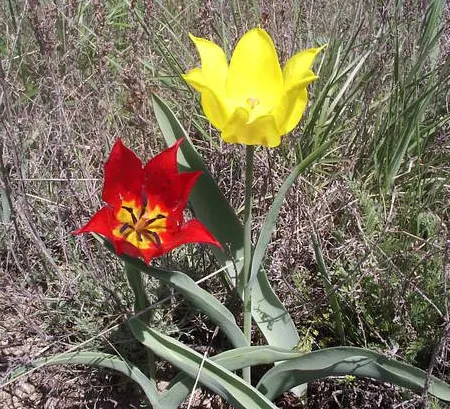
Tulipa gesneriana, widely recognized as the common garden tulip, is a captivating perennial bulbous geophyte belonging to the Liliaceae family. While its precise wild origin remains somewhat obscure, it is believed to have roots in Central Asia, with historical cultivation extensively documented in regions like Turkey before its introduction to Western Europe in the 16th century. This introduction famously ignited 'Tulip Mania' in the Netherlands, cementing its status as a highly prized ornamental.
The species is celebrated as the direct progenitor of the vast majority of modern cultivated tulip varieties, showcasing remarkable genetic diversity. Typically, it produces a single, elegant, cup-shaped flower atop a sturdy, erect stem, blooming vibrantly in spring. Its petals exhibit an astonishing spectrum of colors, including pure white, deep reds, purples, yellows, and intricate bicolors or multi-colored patterns.
Beyond its aesthetic appeal, Tulipa gesneriana is naturalized in various parts of Southwest Europe, often found thriving in and around cultivated land, demonstrating its adaptability. Its robust bulbs are notably hardy, capable of surviving soil temperatures as low as -12°C, contributing to its widespread cultivation in temperate climates as a quintessential symbol of spring and renewal.
Trusted Scientific References
1. Authoritative external sources for Tulipa gesneriana
1.1 Wikipedia — Tulipa gesneriana
1.2 Kew POWO (Plants of the World Online)
1.3 PubMed — peer-reviewed research
1.4 NCBI Taxonomy Browser
1.5 GBIF — Global Biodiversity
1.6Tulipa Gesneriana should be interpreted through verified botanical identity, practical care, and responsible safety language. This recovery note adds the missing context needed for a complete profile: match light to the plant's habit, use well-drained soil, water according to season, and avoid unsupported medicinal or edible claims. For publishing, the plant can be presented as a source-backed garden plant with clear care guidance, common problem diagnosis, and conservative safety wording.
1.1.Tulipa Gesneriana — Defining Traits
- ✓Bulbous Perennial — Grows from an underground bulb, returning annually.
- ✓Iconic Spring Flower — Renowned for its vibrant and diverse spring blooms.
- ✓Progenitor of Cultivated Tulips — Genetic source for numerous modern varieties.
- ✓Wide Color Spectrum — Flowers display a rich array of colors and patterns.
- ✓Liliaceae Family Member — Belongs to the lily family, characterized by monocot features.
- ✓Contains Tuliposides — Specific compounds linked to its toxic properties.
- ✓Ornamental Primarily — Cultivated almost exclusively for aesthetic purposes.
- ✓Air Purifying Qualities — Demonstrates ability to filter certain indoor air pollutants.
- ✓Hardy in Temperate Zones — Tolerates cold temperatures down to -12°C.
- ✓Historical Significance — Central to 'Tulip Mania' and horticultural history.
1.2.Tulipa Gesneriana — In Brief
- ✓Ornamental beauty — Valued globally for vibrant spring flowers.
- ✓Progenitor species — Ancestor to most modern cultivated tulips.
- ✓Contains tuliposides — Responsible for potential skin irritation and toxicity.
- ✓Not for consumption — Internal use is strongly discouraged due to toxic compounds.
- ✓Air purification — Can help remove indoor air toxins like formaldehyde.
- ✓Hardy and adaptable — Thrives in temperate climates with proper care.
2.Tulipa Gesneriana — Taxonomic Classification
3.Tulipa Gesneriana — Quick Facts
4.Tulipa Gesneriana — Morphological Account
5.Tulipa Gesneriana — Where It Grows
6.Tulipa Gesneriana — Historical Applications
7.Tulipa Gesneriana — Secondary Metabolites
- ✓Tuliposides — These are the primary active compounds, notably tuliposide A and its derivatives, which are glucosides responsible for the plant's mild toxic effects and potential to cause contact dermatitis.
- ✓Tulipalin A — An aglycone derived from tuliposide A, formed upon enzymatic hydrolysis, known for its irritating properties.
- ✓Anthocyanins — These pigments are responsible for the vibrant array of colors observed in Tulipa gesneriana flowers, contributing to their ornamental value.
- ✓Flavonoids — A diverse group of polyphenolic compounds typically found in plants, often associated with antioxidant properties, though their specific role in tulip medicinal activity is not prominent.
- ✓Alkaloids — While not extensively studied or highlighted as primary active compounds in Tulipa gesneriana, many Liliaceae species contain various alkaloids.
- ✓Saponins — These glycosides are present in some members of the Liliaceae family and can contribute to irritant properties, though their specific concentration and role in T. gesneriana require further research.
- ✓Organic Acids — Various organic acids are present in plant tissues, contributing to metabolic processes and potentially influencing the plant's chemical profile.
- ✓Sugars — As a bulbous plant, Tulipa gesneriana stores significant amounts of carbohydrates, including various sugars, as an energy reserve.
8.Tulipa Gesneriana — Modern Studies
- ✓Not Recommended for Internal Use — Due to the presence of potentially irritating and toxic compounds, internal consumption of Tulipa gesneriana is strongly discouraged in modern herbalism.
- ✓Ornamental Value — The primary and most significant 'benefit' of Tulipa gesneriana lies in its aesthetic appeal, widely cultivated for its beauty rather than therapeutic properties.
- ✓Historical Topical Applications (Unvalidated) — Some historical accounts anecdotally suggest the crushed bulbs were applied as poultices for minor skin irritations; however, scientific validation for these claims is notably absent.
- ✓Absence of Proven Therapeutic Efficacy — Modern pharmacological research has not identified any substantial internal medicinal uses for Tulipa gesneriana, reinforcing its non-medicinal classification.
- ✓Caution Against Self-Medication — Experts strongly advise against using Tulipa gesneriana for self-medication due to its chemical profile, which is associated with mild toxic effects or contact dermatitis.
- ✓Dermatitis Risk Awareness — Understanding the plant's potential to cause contact dermatitis serves as an important safety 'benefit' by preventing adverse reactions through informed handling.
- ✓Research Focus on Toxicity — Current scientific inquiry into Tulipa gesneriana primarily focuses on its toxic constituents, such as tuliposides, rather than searching for therapeutic applications.
- ✓Air Purification Properties — Studies indicate that potted Tulipa gesneriana plants can help remove indoor air toxins like formaldehyde, xylene, and ammonia, offering an environmental 'benefit'.
- ✓Ecological Contribution — While not a direct medicinal benefit for humans, its role as a beloved spring flower contributes to local biodiversity and aesthetic well-being in gardens and landscapes.
8.1.Tulipa Gesneriana — Therapeutic Indications
9.Tulipa Gesneriana — Risk Profile
9.1.Tulipa Gesneriana — Caution Notes
- ✓Contact Dermatitis — The bulb and flowers, particularly due to tuliposides, can cause skin irritation, redness, and itching in sensitive individuals upon direct contact.
- ✓Gastrointestinal Upset — Internal consumption of bulbs, even in small quantities, may lead to symptoms like nausea, vomiting, abdominal pain, and diarrhea due to toxic compounds.
- ✓Allergic Reactions — Sensitive individuals may experience allergic responses beyond simple dermatitis, including more severe skin rashes or respiratory symptoms.
- ✓Oral Irritation — Ingestion can cause irritation of the mouth and throat, leading to discomfort and swelling.
- ✓Toxicity to Pets — Ingestion of any part of the plant, especially the bulbs, can be toxic to domestic animals, causing vomiting, diarrhea, drooling, and lethargy.
- ✓Systemic Toxicity (Rare) — While generally mild, large quantities ingested could potentially lead to more severe systemic effects, though specific human fatalities are rare.
9.2.Tulipa Gesneriana — Clinical Safety Notes
- ✓Not for Internal Consumption — Tulipa gesneriana is classified as potentially toxic and should never be consumed internally by humans or animals.
- ✓Handle with Care — Wear gloves when handling bulbs or cut flowers, especially if you have sensitive skin, to prevent contact dermatitis.
- ✓Keep Out of Reach of Children and Pets — Ensure bulbs and plants are inaccessible to young children and domestic animals to prevent accidental ingestion.
- ✓Avoid Eye Contact — Direct contact with plant sap should be avoided, as it may cause eye irritation.
- ✓Ornamental Use Only — Its primary and safest use is purely ornamental; do not attempt self-medication with this plant.
- ✓Seek Medical Advice — In case of accidental ingestion or severe skin reaction, consult a medical professional or poison control center immediately.
- ✓Awareness of Allergens — Individuals with known allergies to other Liliaceae family members should exercise extra caution.
10.Tulipa Gesneriana — How to Use
- ✓Ornamental Gardening — Primarily cultivated for its stunning floral displays in garden beds, borders, pots, and as a cut flower.
- ✓Indoor Air Purification — Potted plants can be utilized indoors to help remove common atmospheric toxins such as formaldehyde, xylene, and ammonia.
- ✓Cooked Bulb (with extreme caution) — Historically, bulbs have been cooked and consumed, or dried and ground into flour for bread. However, due to known toxicity, this use is strongly discouraged and not recommended.
- ✓Topical Poultice (historical, unvalidated) — Anecdotal historical accounts suggest crushed bulbs were used as a poultice for minor skin irritations, but this lacks scientific validation and carries dermatitis risk.
- ✓Floral Arrangements — The vibrant and elegant flowers are highly valued for use in bouquets and decorative floral designs.
- ✓Educational Display — Used in botanical gardens and educational settings to illustrate plant diversity, history of cultivation, and horticultural practices.
- ✓Landscape Design — Planted en masse for dramatic spring color in public parks, private estates, and urban green spaces.
11.Tulipa Gesneriana — Propagation & Care
- ✓Soil Preparation — Thrives in sunny positions with well-drained, sandy soil enriched with organic matter like leafmould.
- ✓Planting Depth — Plant bulbs in late autumn, typically 15-20 cm deep, to protect them from frost and provide stability.
- ✓Watering Regimen — Requires moderate watering during its active growth phase in spring; reduce watering significantly once foliage begins to yellow and during dormancy.
- ✓Hardiness Zone — Bulbs are very hardy, tolerating soil temperatures down to approximately -12°C, making them suitable for USDA hardiness zones 4-8.
- ✓Propagation by Seed — Sow seeds in a shady cold frame in early summer or autumn; spring sowing of stored seeds in a greenhouse can also be successful.
- ✓Propagation by Division — Divide offsets in July after the plants have become dormant; larger bulbs can be replanted directly, while smaller ones benefit from a year in a cold frame.
- ✓Dormancy Management — Harvest bulbs in June after foliage dies back, store them in a cool, dry place, and replant in October for the next blooming season.
- ✓Pest and Disease Control — Monitor for common tulip pests like aphids and diseases such as tulip fire (Botrytis tulipae), ensuring good air circulation and proper sanitation.
Reviewed by the Flora Medical Global Botanical Review Panel
Multi-disciplinary editorial group · Botany · Ethnobotany · Herbal-medicine literature
Who reviewed this: This page was checked by the Flora Medical Global Botanical Review Panel — an in-house editorial group of botany graduates, ethnobotany researchers, and horticulture practitioners who collectively maintain our 7,000+ plant encyclopedia. Meet the team.
Our 4-step verification process
1. Taxonomic verification
Scientific names and synonyms cross-checked against Kew POWO, World Flora Online, and The Plant List.
2. Phytochemical & medicinal cross-reference
Active compounds, traditional uses, and reported activities are cross-referenced with PubMed, USDA Dr. Duke's database, and peer-reviewed ethnobotanical literature.
3. Conservation & distribution check
Distribution, ecology, and conservation status confirmed against GBIF occurrence records and the IUCN Red List.
4. Editorial & safety review
Every entry passes an editorial pass for clarity, originality, and safety notices (toxicity, contraindications, dosage caveats) before publication.
Last reviewed:
Important medical disclaimer: This content is for educational and research purposes only. It is not medical advice and is not a substitute for consultation with a licensed healthcare provider. Do not use any herb to self-treat a medical condition without professional guidance.
Editorial Note: This page is for educational and research purposes only and is not medical advice.
Written by: Flora Medical Global Editorial Team
Reviewed by: Flora Medical Global Botanical Review Panel
Last Updated: June 15, 2026





Tulipa Gesneriana — Comments & Community Reviews
Rate this plant