
Medical Disclaimer: This content is for educational purposes only. It is not medical advice. Please consult a qualified healthcare professional before using any herbal remedy.
Safety Overview
1.Turnip — Introduction & Highlights
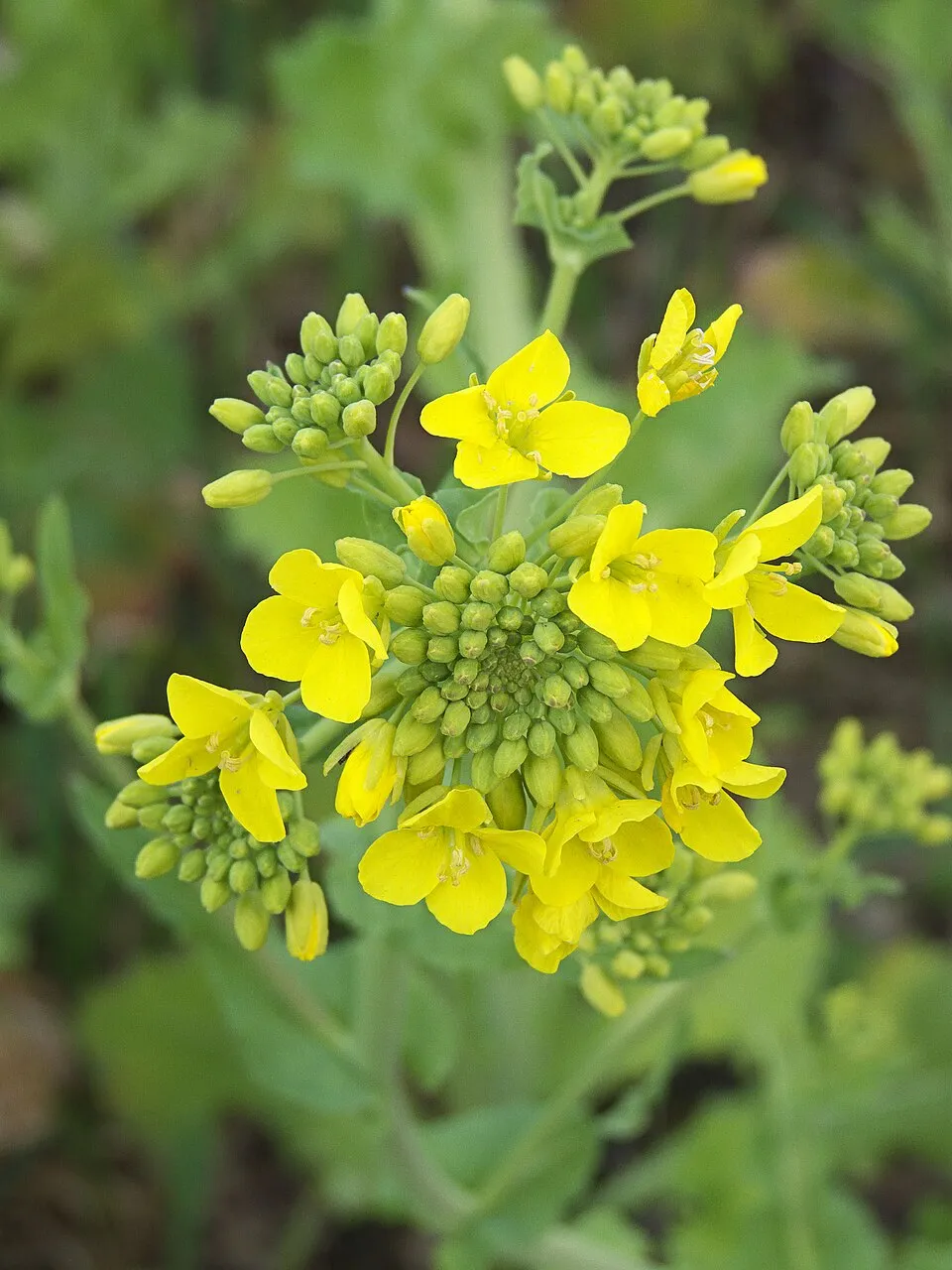
The turnip, scientifically known as Brassica rapa subsp. rapa, is a globally cultivated biennial root vegetable typically grown as an annual. Belonging to the diverse Brassicaceae family, it forms a distinctive rosette of vibrant green leaves above ground and a swollen, fleshy taproot below. This taproot, the primary edible part, is usually white with a purple or green top, though varieties exist with entirely white or red roots.
Its morphology is characterized by deeply lobed or lyrate basal leaves and smaller, entire upper leaves on a flowering stem if allowed to bolt. The plant thrives in temperate climates, preferring cool growing conditions for optimal root development and flavor. While its exact origin is debated, it is believed to have originated in Western Asia or Europe and has been cultivated for thousands of years across various cultures. Taxonomically, it is closely related to other Brassica species, including Chinese cabbage and bok choy, all sharing the Brassica rapa designation but differing in subspecies.
The flavor profile of the turnip root can vary significantly, from sweet and mild in young, white varieties like 'Hakurei' to more pungent and peppery in mature or traditional cooking types, a characteristic often attributed to its glucosinolate content. Its versatility extends beyond the root, as the nutrient-dense turnip greens are also widely consumed.
Trusted Scientific References
1. Authoritative external sources for Brassica rapa
1.1 Wikipedia — Brassica rapa
1.2 Kew POWO (Plants of the World Online)
1.3 PubMed — peer-reviewed research
1.4 NCBI Taxonomy Browser
1.5 GBIF — Global Biodiversity
1.6Turnip should be interpreted through verified botanical identity, practical care, and responsible safety language. This recovery note adds the missing context needed for a complete profile: match light to the plant's habit, use well-drained soil, water according to season, and avoid unsupported medicinal or edible claims. For publishing, the plant can be presented as a source-backed garden plant with clear care guidance, common problem diagnosis, and conservative safety wording.
1.1.Turnip — Standout Qualities
- ✓Nutrient — Dense Root and Greens — Both parts offer a rich profile of vitamins, minerals, and dietary fiber.
- ✓Glucosinolate Rich — Contains compounds that contribute to its unique flavor and health benefits.
- ✓Antioxidant Powerhouse — Packed with compounds that combat oxidative stress.
- ✓Anti — inflammatory Potential — Bioactive compounds help reduce inflammation.
- ✓Digestive Aid — High fiber content supports gut health and regularity.
- ✓Immune Booster — Excellent source of Vitamin C.
- ✓Bone Health Supporter — Turnip greens are high in Vitamin K.
- ✓Versatile Culinary Ingredient — Used raw, cooked, pickled, or juiced in diverse cuisines.
- ✓Cool Season Crop — Thrives in cooler temperatures, making it a staple in temperate regions.
- ✓Low Calorie — A healthy addition to weight management diets.
1.2.Turnip — Snapshot Summary
- ✓Turnip (Brassica rapa) is a highly nutritious root vegetable and leafy green.
- ✓Rich in vitamins (C, K, A), minerals, fiber, and potent antioxidants.
- ✓Supports immune function, digestive health, bone strength, and detoxification.
- ✓Contains glucosinolates and isothiocyanates with anti-inflammatory and potential anti-cancer properties.
- ✓Versatile in culinary uses, from raw salads to cooked dishes.
- ✓Generally safe, but moderation is advised for individuals on blood thinners or with thyroid issues.
2.Turnip — Systematic Position
3.Turnip — Quick Facts
4.Turnip — Plant Morphology
5.Turnip — Where It Grows
6.Turnip — Ethnobotanical Uses
7.Turnip — Secondary Metabolites
- ✓Glucosinolates — Key compounds include gluconasturtiin, glucoraphanin, and progoitrin, which are precursors to bioactive isothiocyanates known for their antioxidant and chemopreventive properties.
- ✓Isothiocyanates — Formed from glucosinolate hydrolysis, such as sulforaphane and phenethyl isothiocyanate, these compounds are potent anti-inflammatory and detoxification-promoting agents.
- ✓Vitamins — Abundant in Vitamin C (ascorbic acid) for immune function, Vitamin K (phylloquinone) for blood clotting and bone health, and Vitamin A (beta-carotene) for vision.
- ✓Minerals — Significant sources of potassium for blood pressure regulation, calcium for bone health, magnesium for muscle and nerve function, and iron for oxygen transport.
- ✓Dietary Fiber — Both soluble and insoluble fibers are present, crucial for digestive regularity, gut microbiome health, and blood sugar control.
- ✓Phenolic Compounds — Includes various hydroxycinnamic acids (e.g., ferulic acid, caffeic acid) and other phenolic acids, contributing to the plant's antioxidant capacity.
- ✓Flavonoids — Contains quercetin and kaempferol, potent antioxidants that also exhibit anti-inflammatory and potentially anti-cancer effects.
- ✓Carotenoids — Beta-carotene, lutein, and zeaxanthin are present, especially in the greens, acting as antioxidants and precursors to Vitamin A.
- ✓Indoles — Such as indole-3-carbinol (I3C), which supports healthy estrogen metabolism and detoxification pathways.
- ✓Sulphur Compounds — Beyond glucosinolates, other organosulfur compounds contribute to the characteristic flavor and potential health benefits.
8.Turnip — Modern Studies
- ✓Immune System Support — Rich in Vitamin C, turnips help bolster the immune system, enhancing the body's defense against infections and promoting overall wellness.
- ✓Antioxidant Protection — The presence of glucosinolates, isothiocyanates, and various phenolic compounds provides potent antioxidant activity, combatting oxidative stress and cellular damage.
- ✓Digestive Health Enhancement — High dietary fiber content in both the roots and greens promotes healthy bowel movements, aids in preventing constipation, and supports a balanced gut microbiome.
- ✓Bone Strength Maintenance — Turnip greens are an excellent source of Vitamin K, crucial for bone metabolism and maintaining bone density, thus reducing the risk of osteoporosis.
- ✓Vision Acuity Support — Turnip greens contain significant amounts of Vitamin A (as beta-carotene), which is essential for maintaining healthy vision, especially in low light conditions.
- ✓Anti-inflammatory Properties — Isothiocyanates and other phytochemicals exhibit anti-inflammatory effects, potentially alleviating symptoms associated with chronic inflammatory conditions.
- ✓Cardiovascular Health Promotion — Potassium content helps regulate blood pressure, while fiber contributes to lowering cholesterol levels, supporting overall heart health.
- ✓Blood Sugar Regulation — The soluble fiber in turnips can help slow down glucose absorption, assisting in the management of blood sugar levels, particularly beneficial for individuals with diabetes.
- ✓Detoxification Pathways Support — Glucosinolates and their breakdown products, isothiocyanates, are known to activate detoxification enzymes in the liver, aiding in the removal of harmful substances from the body.
- ✓Weight Management Aid — Turnips are low in calories and high in fiber and water content, promoting satiety and supporting healthy weight management strategies.
- ✓Skin Health Improvement — Vitamin C acts as a cofactor in collagen synthesis, contributing to skin elasticity and a youthful appearance, while antioxidants protect against environmental damage.
- ✓Cancer Risk Reduction — Research suggests that glucosinolates and their derivatives may inhibit the growth of certain cancer cells and reduce the risk of specific cancers, including colon and breast.
8.1.Turnip — Conditions Traditionally Used For
9.Turnip — Adverse Effects
9.1.Turnip — Warnings
- ✓Digestive Discomfort — High fiber content can cause gas, bloating, or abdominal cramping in some individuals, especially when consumed in large quantities.
- ✓Goitrogenic Effects — Like other Brassicas, turnips contain goitrogens, which can interfere with thyroid function, particularly in individuals with pre-existing thyroid conditions, if consumed raw and in very large amounts.
- ✓Allergic Reactions — Although rare, some individuals may experience allergic reactions to turnips, manifesting as skin rashes, itching, or digestive upset.
- ✓Blood Thinner Interaction — The high Vitamin K content in turnip greens can interfere with anticoagulant medications (blood thinners) like warfarin, potentially reducing their effectiveness.
- ✓Kidney Stone Risk — Turnip greens contain oxalates, which can contribute to kidney stone formation in susceptible individuals, though levels are generally moderate.
- ✓Pesticide Residues — Non-organic turnips may carry pesticide residues; washing thoroughly or choosing organic options is recommended.
- ✓Bitter Taste — Overly mature or drought-stressed turnips can develop a strong, bitter taste due to increased glucosinolate concentration.
9.2.Turnip — Risk Assessment
- ✓General Consumption — Turnips are generally recognized as safe for consumption by most healthy individuals when eaten as part of a balanced diet.
- ✓Pregnancy and Lactation — Considered safe for consumption during pregnancy and lactation in typical dietary amounts, contributing essential nutrients.
- ✓Thyroid Conditions — Individuals with hypothyroidism or other thyroid disorders should consume raw turnips in moderation due to potential goitrogenic effects.
- ✓Anticoagulant Medication — Patients on blood-thinning medications should monitor their intake of turnip greens due to their high Vitamin K content and consult their healthcare provider.
- ✓Allergic Sensitivities — People with known allergies to other Brassica family vegetables should exercise caution when consuming turnips.
- ✓Kidney Stone History — Individuals prone to kidney stones should moderate intake of turnip greens due to oxalate content, especially if not adequately hydrated.
- ✓Moderation Advised — As with any food, excessive consumption may lead to adverse effects, and a balanced approach is always recommended.
10.Turnip — Preparation & Dosage
- ✓Raw Consumption — Young, tender turnip roots can be shredded or thinly sliced and added to salads for a crisp, slightly peppery flavor.
- ✓Cooked Vegetable — Roots can be boiled, steamed, roasted, or mashed as a side dish, often replacing potatoes or carrots in recipes.
- ✓Soups and Stews — Diced turnip roots add a hearty, earthy flavor and texture to winter soups, stews, and casseroles.
- ✓Stir-fries — Young turnip greens and thinly sliced roots can be quickly stir-fried with other vegetables and proteins for a nutritious meal.
- ✓Pickling — Turnips can be pickled in brine with spices, offering a tangy condiment or side dish that preserves them for longer periods.
- ✓Juicing — Both turnip roots and greens can be incorporated into fresh vegetable juices, providing a concentrated dose of vitamins and minerals.
- ✓Fermentation — Turnips can be fermented, similar to cabbage for sauerkraut, creating probiotic-rich foods with unique flavors.
- ✓Culinary Greens — Turnip greens are highly nutritious and can be sautéed, braised, or steamed, often seasoned with garlic, onions, or smoked meats.
11.Turnip — Growing Guide
- ✓Climate Preference — Turnips thrive in cool weather, ideally maturing in temperatures around 60°F (15°C); hot weather can make roots woody or bitter.
- ✓Soil Requirements — Prefer well-drained, fertile soil with a pH between 6.0 and 7.5, amended with compost or well-rotted manure to prevent root deformities.
- ✓Planting Times — Sow seeds 4-6 weeks before the last frost for a spring crop, or in late summer (August 1st in many regions) for a fall/winter harvest; rutabagas require a longer season.
- ✓Seed Spacing and Depth — Plant seeds 1/2 to 1 inch deep and 1-2 inches apart in rows spaced 12-18 inches apart, covering lightly with soil.
- ✓Thinning Seedlings — Once seedlings reach 4 inches tall, thin them to 3-6 inches apart for optimal root development; use thinned greens in salads.
- ✓Watering Regimen — Maintain consistently moist soil, providing about one inch of water per week, as drought stress can lead to bitter or woody roots.
- ✓Fertilization — Generally, turnips do not require heavy fertilization beyond initial soil amendments; excessive nitrogen can promote leaf growth over root development.
- ✓Harvesting — Harvest turnip roots when they are 2-4 inches in diameter for best flavor and texture; greens can be harvested continuously by picking outer leaves.
Reviewed by the Flora Medical Global Botanical Review Panel
Multi-disciplinary editorial group · Botany · Ethnobotany · Herbal-medicine literature
Who reviewed this: This page was checked by the Flora Medical Global Botanical Review Panel — an in-house editorial group of botany graduates, ethnobotany researchers, and horticulture practitioners who collectively maintain our 7,000+ plant encyclopedia. Meet the team.
Our 4-step verification process
1. Taxonomic verification
Scientific names and synonyms cross-checked against Kew POWO, World Flora Online, and The Plant List.
2. Phytochemical & medicinal cross-reference
Active compounds, traditional uses, and reported activities are cross-referenced with PubMed, USDA Dr. Duke's database, and peer-reviewed ethnobotanical literature.
3. Conservation & distribution check
Distribution, ecology, and conservation status confirmed against GBIF occurrence records and the IUCN Red List.
4. Editorial & safety review
Every entry passes an editorial pass for clarity, originality, and safety notices (toxicity, contraindications, dosage caveats) before publication.
Last reviewed:
Important medical disclaimer: This content is for educational and research purposes only. It is not medical advice and is not a substitute for consultation with a licensed healthcare provider. Do not use any herb to self-treat a medical condition without professional guidance.
Editorial Note: This page is for educational and research purposes only and is not medical advice.
Written by: Flora Medical Global Editorial Team
Reviewed by: Flora Medical Global Botanical Review Panel
Last Updated: June 15, 2026





Turnip — Comments & Community Reviews
Rate this plant