
Medical Disclaimer: This content is for educational purposes only. It is not medical advice. Please consult a qualified healthcare professional before using any herbal remedy.
Safety Overview
1.Twisted Sister Snake Plant — At a Glance
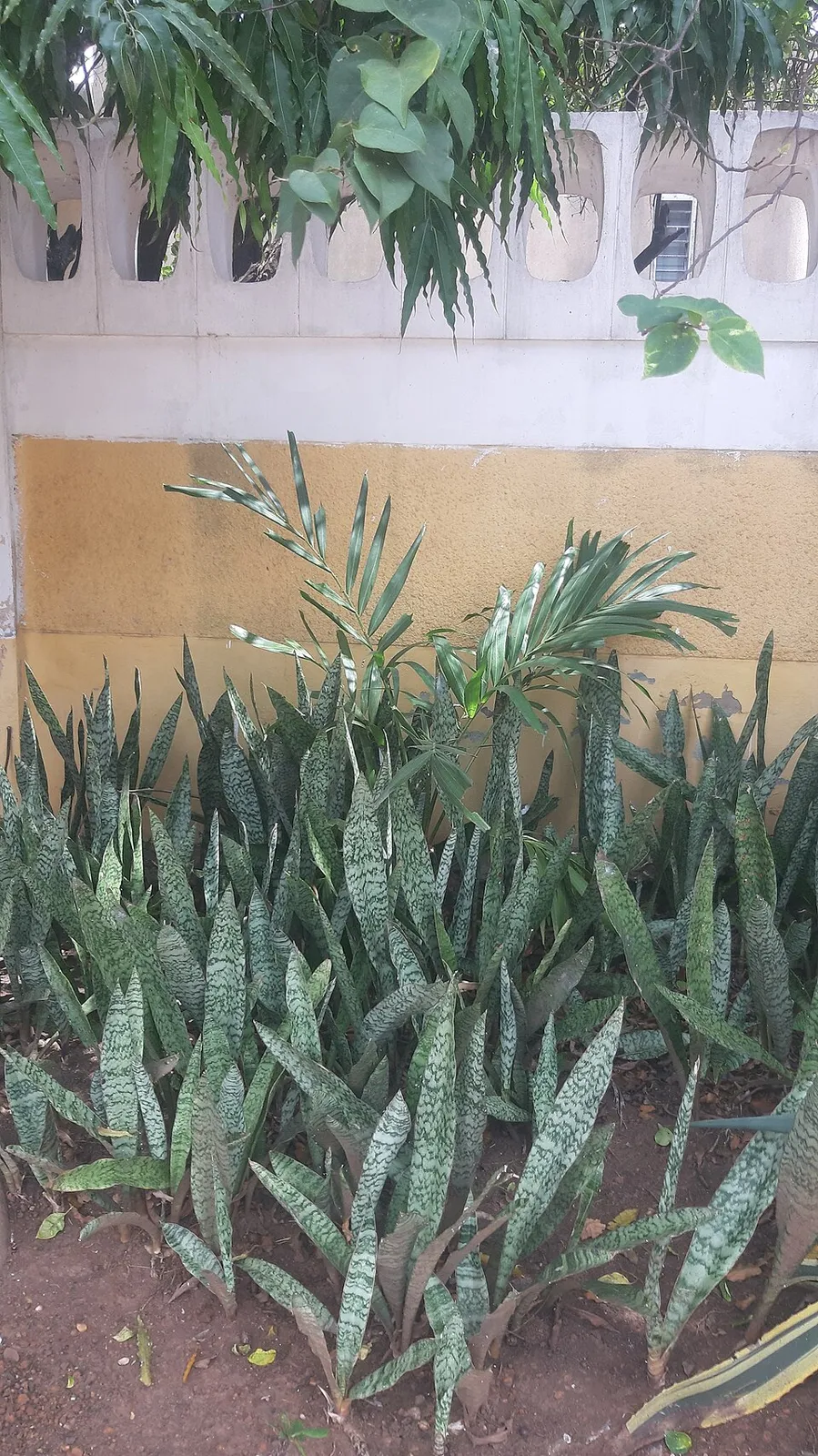
The Twisted Sister Snake Plant, botanically known as Dracaena trifasciata 'Twisted Sister', is a distinctive cultivar derived from the widely recognized Mother-in-Law's Tongue (Dracaena trifasciata, formerly Sansevieria trifasciata). This perennial evergreen succulent belongs to the Asparagaceae family, a reclassification from its previous placement in the Agavaceae or Ruscaceae families. Native to the tropical regions of West Africa, particularly Nigeria and Congo, the species thrives in arid, rocky environments but has adapted remarkably well to indoor cultivation globally.
The 'Twisted Sister' cultivar is characterized by its compact, rosette growth habit and striking, contorted leaves. Unlike the upright, sword-like leaves of its parent species, this variety features shorter, broader leaves that elegantly twist and curl, displaying a beautiful variegation of dark green bands against lighter green or yellowish margins. These architectural leaves grow to about 6-12 inches tall, forming a dense, sculptural clump.
Its rhizomatous growth allows it to spread slowly, forming new plantlets. While primarily cultivated for its ornamental value and ease of care, its robust nature and unique aesthetic make it a favored choice for interior landscaping, adding a touch of modern natural beauty to homes and offices worldwide. It is a testament to the adaptability and diversity within the Dracaena genus.
Trusted Scientific References
1. Authoritative external sources for Dracaena trifasciata twisted
1.1 Wikipedia — Dracaena trifasciata twisted
1.2 Kew POWO (Plants of the World Online)
1.3 PubMed — peer-reviewed research
1.4 NCBI Taxonomy Browser
1.5 GBIF — Global Biodiversity
1.6Twisted Sister Snake Plant should be interpreted through verified botanical identity, practical care, and responsible safety language. This recovery note adds the missing context needed for a complete profile: match light to the plant's habit, use well-drained soil, water according to season, and avoid unsupported medicinal or edible claims. For publishing, the plant can be presented as a source-backed indoor plant with clear care guidance, common problem diagnosis, and conservative safety wording.
1.1.Twisted Sister Snake Plant — Distinguishing Points
- ✓Unique Foliage — Distinctive, compact leaves that twist and curl, featuring attractive variegation.
- ✓Air Purification Champion — Highly effective at filtering indoor air pollutants, as recognized by NASA studies.
- ✓Drought Tolerant — Requires infrequent watering, making it ideal for busy individuals or forgetful gardeners.
- ✓Low Light Adaptable — Thrives in a range of light conditions, from low to bright indirect light.
- ✓Nocturnal Oxygen Release — Unique CAM photosynthesis allows it to release oxygen at night.
- ✓Easy Care — One of the most resilient and forgiving houseplants available.
- ✓Compact Growth Habit — Perfect for small spaces, desks, or shelves due to its moderate size.
- ✓Pet and Child Warning — Contains saponins, making it mildly toxic if ingested by animals or humans.
- ✓Aesthetic Appeal — Adds a modern, sculptural element to any interior decor style.
- ✓Asparagaceae Family — Belongs to the asparagus family, a recent botanical reclassification.
1.2.Twisted Sister Snake Plant — Concise Overview
- ✓Ornamental Houseplant — Prized for its unique, twisted foliage and ease of care.
- ✓Air Purifier — Effectively removes common indoor toxins like formaldehyde and benzene.
- ✓Low Maintenance — Extremely drought-tolerant and adaptable to various light conditions.
- ✓Nighttime Oxygenator — Releases oxygen at night, making it suitable for bedrooms.
- ✓Mildly Toxic — Contains saponins, causing gastrointestinal upset if ingested by humans or pets.
- ✓Biophilic Benefits — Enhances aesthetics and contributes to a calming indoor environment.
2.Twisted Sister Snake Plant — Nomenclature & Classification
3.Twisted Sister Snake Plant — Key Data
4.Twisted Sister Snake Plant — Physical Description
5.Twisted Sister Snake Plant — Native Range & Habitat
6.Twisted Sister Snake Plant — Heritage Uses
7.Twisted Sister Snake Plant — Chemical Profile
- ✓Saponins — These triterpenoid glycosides, such as ruscogenin derivatives, are present in Dracaena trifasciata and are responsible for its mild toxicity if ingested. In traditional medicine, saponins are sometimes noted for their expectorant and anti-inflammatory properties, though not typically from this plant.
- ✓Flavonoids — A diverse group of polyphenolic compounds, including quercetin and kaempferol, found in the plant's leaves. Flavonoids are widely recognized for their antioxidant, anti-inflammatory, and potential anticancer activities, contributing to general plant health and defense mechanisms.
- ✓Phenolic Compounds — Beyond flavonoids, other phenolic acids like caffeic acid and ferulic acid are present. These compounds are potent antioxidants that protect plant cells from oxidative stress and may offer similar benefits when consumed in other plant sources.
- ✓Glycosides — Various glycosides exist, including cardiac glycosides, which can be toxic in high doses. Their presence underscores the importance of not ingesting the plant.
- ✓Steroidal Alkaloids — These nitrogen-containing compounds can have diverse pharmacological activities, although their specific roles and concentrations in 'Twisted Sister' are not extensively studied for medicinal purposes.
- ✓Organic Acids — Including malic acid and citric acid, which are involved in plant metabolism and may contribute to the plant's overall chemical profile and resilience.
- ✓Polysaccharides — Complex carbohydrates that play structural roles in the plant cell walls and can also have immunomodulatory properties in other plant species.
- ✓Volatile Organic Compounds (VOCs) — While the plant absorbs VOCs, it also produces some, though typically in very low, non-harmful concentrations, contributing to its characteristic subtle scent.
8.Twisted Sister Snake Plant — Evidence-Based Benefits
- ✓Air Purification — Dracaena trifasciata, including the 'Twisted Sister' cultivar, is renowned for its ability to filter common indoor air pollutants such as formaldehyde, benzene, xylene, trichloroethylene, and toluene, contributing to a healthier living environment.
- ✓Oxygen Production — Unlike most plants, the Twisted Sister Snake Plant performs Crassulacean Acid Metabolism (CAM), releasing oxygen primarily at night, which can subtly improve ambient air quality in enclosed spaces like bedrooms.
- ✓Low Maintenance Wellness — Its extreme resilience and minimal care requirements reduce the burden on plant owners, promoting a sense of ease and well-being, as caring for plants can be a meditative and stress-reducing activity.
- ✓Aesthetic Enhancement — The unique, twisted foliage and variegated patterns provide significant ornamental value, enhancing the visual appeal of indoor spaces and potentially uplifting mood through biophilic design principles.
- ✓Humidity Regulation — While minor, the plant contributes to localized humidity, which can be beneficial in dry indoor environments, potentially easing respiratory discomfort.
- ✓Adaptability to Low Light — Its capacity to thrive in low-light conditions makes it accessible for various indoor settings, allowing more individuals to experience the benefits of indoor greenery regardless of sun exposure.
- ✓CO2 Absorption — Like all plants, it absorbs carbon dioxide during photosynthesis, albeit at a modest rate in typical indoor settings, contributing to the overall balance of indoor air gases.
- ✓Indirect Stress Reduction — The presence of living plants, including the Twisted Sister Snake Plant, has been associated with reduced psychological stress and improved concentration, offering an indirect mental wellness benefit.
8.1.Twisted Sister Snake Plant — Therapeutic Indications
9.Twisted Sister Snake Plant — Safety & Side Effects
9.1.Twisted Sister Snake Plant — Warnings
- ✓Oral Irritation — Ingestion of any part of the Twisted Sister Snake Plant can cause irritation to the mouth, throat, and digestive tract due to the presence of saponins.
- ✓Nausea and Vomiting — If ingested in sufficient quantities, it can lead to gastrointestinal distress, including nausea, vomiting, and diarrhea.
- ✓Salivation — Pets, particularly cats and dogs, may exhibit excessive salivation or drooling after chewing on the leaves.
- ✓Dermatitis — While rare, direct skin contact with the sap may cause mild skin irritation or allergic reactions in sensitive individuals.
- ✓Swelling — In severe cases of ingestion, swelling of the tongue or throat may occur, posing a choking hazard, especially in small children or pets.
- ✓Lethargy in Pets — After ingestion, pets may appear lethargic or show signs of discomfort.
9.2.Twisted Sister Snake Plant — Toxicity Assessment
- ✓Keep Out of Reach — Always place the Twisted Sister Snake Plant in locations inaccessible to children and pets to prevent accidental ingestion.
- ✓Pet Toxicity — The plant is considered mildly toxic to cats and dogs due to saponins; ingestion can cause gastrointestinal upset.
- ✓Human Ingestion Warning — Advise against human consumption of any part of the plant. While not typically lethal, it can cause significant discomfort.
- ✓Handling Precautions — Wash hands thoroughly after handling the plant, especially if sap comes into contact with skin, to avoid potential irritation.
- ✓First Aid for Ingestion — In case of ingestion, seek immediate medical attention for humans or veterinary care for pets. Induce vomiting only under professional guidance.
- ✓No Medicinal Ingestion — Emphasize that this plant is for ornamental purposes only and has no documented safe internal medicinal uses.
- ✓Allergen Awareness — Individuals with known plant allergies should exercise caution when handling, although allergic reactions are uncommon for this species.
10.Twisted Sister Snake Plant — Preparations & Uses
- ✓Ornamental Display — Primarily used as a decorative houseplant, placed in pots on shelves, desks, or as floor accents to enhance indoor aesthetics.
- ✓Air Purification Placement — Position in living areas, bedrooms, or offices where air purification benefits are desired, ensuring good air circulation around the plant.
- ✓Biophilic Design Integration — Incorporate into interior design schemes to connect occupants with nature, promoting well-being and a calming atmosphere.
- ✓Terrarium or Dish Garden Element — Its compact size and unique form make it suitable for inclusion in larger, open terrariums or mixed succulent dish gardens.
- ✓Architectural Plant Feature — Utilize its sculptural, twisted form as a focal point in minimalist or modern decor settings.
- ✓Gifting — A popular and resilient plant choice for gifts, especially for new plant owners or those seeking low-maintenance greenery.
- ✓Indoor Oxygenator — Place in areas like bedrooms to benefit from its nocturnal oxygen release, though its contribution is modest.
11.Twisted Sister Snake Plant — Cultivation & Care
- ✓Light — Prefers bright, indirect light but tolerates low light conditions. Direct sun can scorch its leaves.
- ✓Watering — Water thoroughly only when the soil is completely dry, typically every 2-4 weeks. Overwatering is the most common cause of root rot.
- ✓Soil — Requires a well-draining potting mix, ideally a succulent or cactus blend, to prevent waterlogging.
- ✓Temperature — Thrives in average room temperatures between 65-80°F (18-27°C). Avoid temperatures below 50°F (10°C).
- ✓Humidity — Tolerates average household humidity. No special humidity requirements are needed, making it ideal for most indoor environments.
- ✓Fertilizing — Feed sparingly with a balanced liquid fertilizer diluted to half strength once or twice during the growing season (spring/summer).
- ✓Propagation — Easily propagated by leaf cuttings or by dividing the rhizomes. Allow cuttings to callus for a few days before planting.
- ✓Pests & Diseases — Generally pest-resistant. Watch for mealybugs or spider mites, which can be treated with insecticidal soap. Root rot is the primary disease concern due to overwatering.
Reviewed by the Flora Medical Global Botanical Review Panel
Multi-disciplinary editorial group · Botany · Ethnobotany · Herbal-medicine literature
Who reviewed this: This page was checked by the Flora Medical Global Botanical Review Panel — an in-house editorial group of botany graduates, ethnobotany researchers, and horticulture practitioners who collectively maintain our 7,000+ plant encyclopedia. Meet the team.
Our 4-step verification process
1. Taxonomic verification
Scientific names and synonyms cross-checked against Kew POWO, World Flora Online, and The Plant List.
2. Phytochemical & medicinal cross-reference
Active compounds, traditional uses, and reported activities are cross-referenced with PubMed, USDA Dr. Duke's database, and peer-reviewed ethnobotanical literature.
3. Conservation & distribution check
Distribution, ecology, and conservation status confirmed against GBIF occurrence records and the IUCN Red List.
4. Editorial & safety review
Every entry passes an editorial pass for clarity, originality, and safety notices (toxicity, contraindications, dosage caveats) before publication.
Last reviewed:
Important medical disclaimer: This content is for educational and research purposes only. It is not medical advice and is not a substitute for consultation with a licensed healthcare provider. Do not use any herb to self-treat a medical condition without professional guidance.
Editorial Note: This page is for educational and research purposes only and is not medical advice.
Written by: Flora Medical Global Editorial Team
Reviewed by: Flora Medical Global Botanical Review Panel
Last Updated: June 15, 2026





Twisted Sister Snake Plant — Comments & Community Reviews
Rate this plant