


Medical Disclaimer: This content is for educational purposes only. It is not medical advice. Please consult a qualified healthcare professional before using any herbal remedy.
Safety Overview
1.Utricularia — Essential Profile
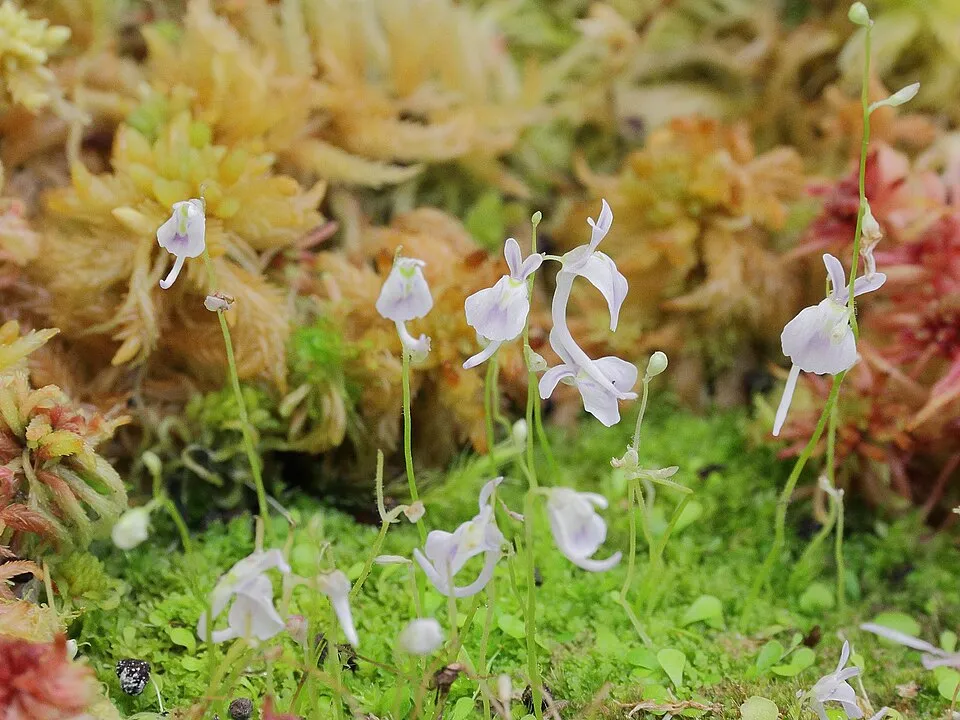
Utricularia sandersonii, commonly known as Sanderson's bladderwort, is a captivating perennial herbaceous carnivorous plant belonging to the family Lentibulariaceae. This unique species thrives in specific, nutrient-poor, and consistently waterlogged environments, such as shallow swamps, bogs, and marshy areas, where it frequently forms extensive, vibrant green mats. Native to the Southern African regions including South Africa, Namibia, and Botswana, U. sandersonii has evolved remarkable adaptations to its aquatic and semi-aquatic habitats.
Morphologically, the plant is distinguished by its highly specialized bladder-like traps, which are transparent and appear as tiny bubbles submerged in water. These ingenious structures function as rapid-fire suction traps, capturing minute aquatic invertebrates like protozoa and small insect larvae to supplement its nutrient intake from the impoverished soil. Its leaves are finely dissected, giving them a delicate, feathery appearance, typically displaying a bright green hue that contrasts beautifully with its watery surroundings. While flowering is not constant, when it occurs, the plant produces charming, bright yellow, sometimes white-tinged, bilabiate flowers that emerge gracefully above the water or substrate on tall, slender stalks, attracting specific pollinators.
U. sandersonii exhibits notable resilience, adapting well to fluctuations in water levels and various environmental changes, making it a fascinating subject for botanical study and a unique addition to specialized indoor aquariums or terrariums, provided its specific care requirements are met.
Trusted Scientific References
1. Authoritative external sources for Utricularia sandersonii
1.1 Wikipedia — Utricularia sandersonii
1.2 Kew POWO (Plants of the World Online)
1.3 PubMed — peer-reviewed research
1.4 NCBI Taxonomy Browser
1.5 GBIF — Global Biodiversity
1.6Utricularia should be interpreted through verified botanical identity, practical care, and responsible safety language. This recovery note adds the missing context needed for a complete profile: match light to the plant's habit, use well-drained soil, water according to season, and avoid unsupported medicinal or edible claims. For publishing, the plant can be presented as a source-backed indoor plant with clear care guidance, common problem diagnosis, and conservative safety wording.
1.1.Utricularia — Distinguishing Points
- ✓Species Name — Utricularia sandersonii (Sanderson's Bladderwort).
- ✓Family — Lentibulariaceae (Bladderwort Family).
- ✓Plant Type — Carnivorous herbaceous perennial.
- ✓Habitat — Aquatic to semi-aquatic, nutrient-poor bogs and swamps.
- ✓Carnivorous Mechanism — Distinctive, fast-acting bladder traps for capturing micro-invertebrates.
- ✓Flowers — Small, bilabiate, bright yellow flowers borne on slender stalks.
- ✓Leaves — Finely dissected, feathery, typically bright green.
- ✓Traditional Use — Genus Utricularia used as diuretic, anti-inflammatory, and for skin ailments.
- ✓Cultivation — Requires specialized care: consistently wet, low-nutrient, acidic conditions.
- ✓Distribution — Native to South Africa, Namibia, and Botswana.
1.2.Utricularia — Concise Overview
- ✓Utricularia sandersonii is a carnivorous perennial known as Sanderson's bladderwort.
- ✓It thrives in nutrient-poor, wet habitats across Southern Africa, using unique bladder traps.
- ✓The genus Utricularia is traditionally valued for diuretic, anti-inflammatory, and skin-supporting properties.
- ✓Phytochemically, it contains flavonoids, phenolic acids, and iridoids, though species-specific data is limited.
- ✓Cultivation requires specific conditions — acidic soil, distilled water, high humidity, and bright indirect light.
- ✓Medicinal use should always be approached with caution and under professional guidance due to limited research.
2.Utricularia — Scientific Identity
3.Utricularia — Fact Sheet
4.Utricularia — Physical Description
5.Utricularia — Origin & Spread
6.Utricularia — Folk Medicine Applications
7.Utricularia — Phytochemistry
- ✓Flavonoids — These potent polyphenolic compounds, such as quercetin and luteolin derivatives, are abundant in Utricularia species, contributing significantly to their antioxidant and anti-inflammatory activities.
- ✓Phenolic Acids — Including compounds like caffeic acid and ferulic acid, these acids provide additional antioxidant, antimicrobial, and mild astringent benefits, supporting cellular protection.
- ✓Iridoid Glycosides — A class of monoterpenoids often found in medicinal plants, iridoids in Utricularia may contribute to its anti-inflammatory and potentially antimicrobial properties.
- ✓Tannins — Responsible for the plant's noted astringent qualities, tannins can help tone tissues, reduce inflammation, and possess mild antiseptic effects.
- ✓Saponins — These natural glycosides may contribute to the diuretic action of Utricularia, facilitating fluid excretion and potentially acting as expectorants.
- ✓Polysaccharides — Complex carbohydrates like mucilage are present, offering demulcent and soothing properties, particularly beneficial for irritated mucous membranes.
- ✓Terpenoids — A diverse group of organic compounds, including various mono- and sesquiterpenes, which can contribute to the plant's aroma and diverse biological activities.
- ✓Organic Acids — Such as malic, citric, and oxalic acids, which are integral to the plant’s metabolism and contribute to its overall biochemical profile and pH regulation.
8.Utricularia — Scientific Evidence
- ✓Diuretic Support — The genus Utricularia, including species like Sanderson's bladderwort, is traditionally recognized for its diuretic properties, aiding the body in expelling excess fluids and supporting healthy kidney function.
- ✓Anti-inflammatory Action — Certain Utricularia species are believed to possess anti-inflammatory compounds that may help reduce swelling and discomfort associated with various inflammatory conditions.
- ✓Skin Health Enhancement — In traditional medicine systems like Ayurveda, bladderwort species are applied topically to soothe and treat various skin ailments, promoting healing and reducing irritation.
- ✓Urinary Tract Health — By promoting increased urine flow, Utricularia may contribute to maintaining a healthy urinary tract, potentially assisting in flushing out pathogens and preventing discomfort.
- ✓Astringent Properties — The plant is described as mildly astringent, which can help tone mucous membranes and tissues, offering a protective and firming effect.
- ✓Detoxification Aid — Through its diuretic action, Utricularia species can support the body's natural detoxification processes, helping to eliminate metabolic waste products.
- ✓Cooling Effect (Traditional) — In Ayurvedic and Unani medicine, Utricularia is used to balance 'excess heat' or Pitta dosha imbalances, suggesting a cooling and soothing effect on the body.
- ✓Respiratory Comfort — Traditional applications sometimes include addressing mild respiratory issues, possibly due to its anti-inflammatory effects on the respiratory passages.
- ✓Nutritional Supplementation — Although carnivorous, some traditional texts consider Utricularia species to be mildly nutritious, potentially offering trace minerals absorbed from its prey.
- ✓Wound Healing — The combined astringent and anti-inflammatory attributes may support the healing of minor cuts, abrasions, and superficial wounds when applied externally.
8.1.Utricularia — Therapeutic Indications
9.Utricularia — Safety & Side Effects
9.1.Utricularia — Caution Notes
- ✓Allergic Reactions — Sensitive individuals may experience skin rashes, itching, or mild respiratory discomfort upon contact or ingestion.
- ✓Gastrointestinal Upset — High doses or prolonged internal use might lead to mild nausea, stomach cramps, or diarrhea in some individuals.
- ✓Dehydration Risk — Due to its diuretic properties, excessive consumption without adequate fluid intake could potentially lead to dehydration and electrolyte imbalance.
- ✓Hypotension — As a diuretic, it may lower blood pressure, which could be a concern for individuals already on blood pressure-lowering medications.
- ✓Drug Interactions — Potential for interactions with prescription diuretics, antihypertensive drugs, or medications metabolized by the liver, due to unknown active compounds.
- ✓Pregnancy and Lactation Concerns — Lack of sufficient safety data strongly advises against use during pregnancy and breastfeeding periods.
9.2.Utricularia — Toxicity Assessment
- ✓Professional Consultation — Always consult a qualified healthcare provider or medical herbalist before using Utricularia sandersonii, especially with pre-existing conditions or medications.
- ✓Avoid During Pregnancy and Lactation — Due to insufficient safety research, its use is contraindicated for pregnant and breastfeeding individuals.
- ✓Monitor Hydration Status — When using for its diuretic effects, ensure adequate fluid and electrolyte intake to prevent dehydration.
- ✓Discontinue if Adverse Reactions Occur — Cease use immediately if any signs of allergic reaction, gastrointestinal distress, or other unusual symptoms develop.
- ✓Pediatric Use — Not recommended for infants or children due to a lack of safety studies and established appropriate dosages.
- ✓Dosage Adherence — Strictly adhere to recommended dosages and duration of use; avoid exceeding suggested amounts without professional guidance.
- ✓Quality Sourcing — Obtain plant material from reputable suppliers to ensure purity, proper identification, and absence of contaminants.
10.Utricularia — Usage Guide
- ✓Herbal Infusion (Tea) — Steep 1-2 teaspoons of dried Utricularia aerial parts in hot water for 10-15 minutes; consume for diuretic and anti-inflammatory benefits.
- ✓Tincture Preparation — Macerate fresh or dried plant material in high-proof alcohol for several weeks, then strain to create a concentrated liquid extract for internal use.
- ✓Topical Poultice — Crush fresh leaves or mix dried powder with a small amount of water to form a paste, then apply directly to skin irritations or minor inflammatory areas.
- ✓Decoction Method — For a stronger extract, boil dried plant material in water for a longer period, then strain and use internally or as a topical wash.
- ✓Herbal Compress — Soak a clean cloth in a warm infusion or decoction, wring out excess liquid, and apply to affected skin regions for soothing relief.
- ✓Encapsulated Powder — Dried and finely powdered plant material can be encapsulated for convenient oral consumption, ensuring consistent dosage.
- ✓Infused Oil (Topical) — Gently infuse dried Utricularia into a carrier oil like olive or jojoba over a period of weeks, then strain and use as a soothing massage oil for skin conditions.
11.Utricularia — Cultivation & Care
- ✓Substrate Preparation — Use a highly acidic, nutrient-poor growing medium, typically a mix of peat moss and perlite or sand, avoiding standard potting soil.
- ✓Water Quality — Employ only distilled water, rainwater, or reverse osmosis water to maintain low mineral content and prevent nutrient burn.
- ✓Consistent Moisture — Keep the substrate consistently saturated or allow for a shallow tray of water beneath the pot, mimicking its boggy natural habitat.
- ✓Humidity Levels — Ensure high ambient humidity, ideally above 70%, which is crucial for the plant's health; terrariums are often ideal.
- ✓Lighting Requirements — Provide bright, indirect light; a south-facing window with filtered light or LED grow lights are suitable, but avoid harsh direct sun.
- ✓Temperature Range — Maintain moderate temperatures, preferably between 18-28°C (65-82°F), and protect from extreme heat or cold.
- ✓Feeding Practices — As a carnivorous plant, it captures its own prey; supplemental feeding is generally unnecessary and can even harm the delicate traps.
- ✓Propagation Techniques — Easily propagated by dividing its rhizomes or stolons, or by taking stem cuttings and placing them in water or moist substrate.
Reviewed by the Flora Medical Global Botanical Review Panel
Multi-disciplinary editorial group · Botany · Ethnobotany · Herbal-medicine literature
Who reviewed this: This page was checked by the Flora Medical Global Botanical Review Panel — an in-house editorial group of botany graduates, ethnobotany researchers, and horticulture practitioners who collectively maintain our 7,000+ plant encyclopedia. Meet the team.
Our 4-step verification process
1. Taxonomic verification
Scientific names and synonyms cross-checked against Kew POWO, World Flora Online, and The Plant List.
2. Phytochemical & medicinal cross-reference
Active compounds, traditional uses, and reported activities are cross-referenced with PubMed, USDA Dr. Duke's database, and peer-reviewed ethnobotanical literature.
3. Conservation & distribution check
Distribution, ecology, and conservation status confirmed against GBIF occurrence records and the IUCN Red List.
4. Editorial & safety review
Every entry passes an editorial pass for clarity, originality, and safety notices (toxicity, contraindications, dosage caveats) before publication.
Last reviewed:
Important medical disclaimer: This content is for educational and research purposes only. It is not medical advice and is not a substitute for consultation with a licensed healthcare provider. Do not use any herb to self-treat a medical condition without professional guidance.
Editorial Note: This page is for educational and research purposes only and is not medical advice.
Written by: Flora Medical Global Editorial Team
Reviewed by: Flora Medical Global Botanical Review Panel
Last Updated: June 15, 2026





Utricularia — Comments & Community Reviews
Rate this plant