

Medical Disclaimer: This content is for educational purposes only. It is not medical advice. Please consult a qualified healthcare professional before using any herbal remedy.
Safety Overview
1.Utricularia Graminifolia — At a Glance
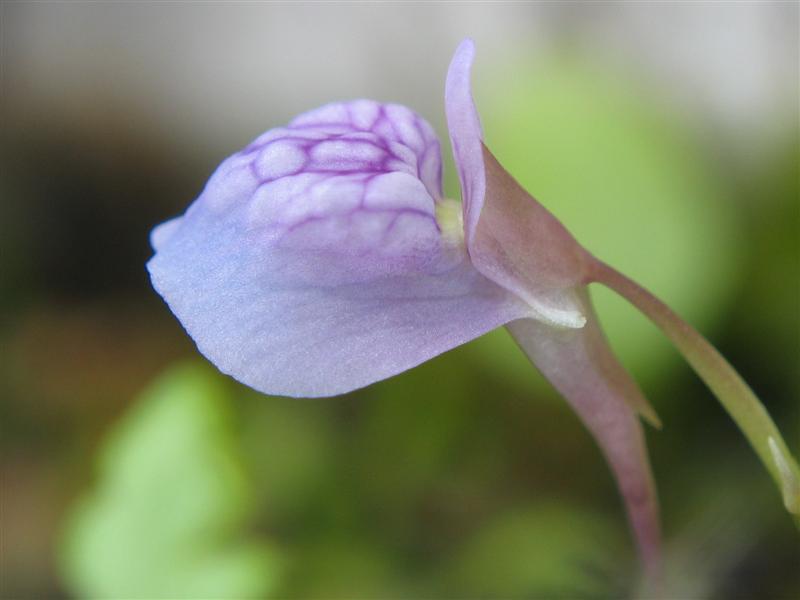
Utricularia graminifolia, commonly known as the grass-like bladderwort or dwarf baby tears, is an intriguing perennial aquatic herb highly prized for its ornamental appeal in freshwater aquariums and terrariums. Belonging to the carnivorous Lentibulariaceae family, this species typically forms dense, lush carpets, reaching heights of 10 to 30 centimeters. Its foliage consists of numerous linear to lanceolate leaves, each measuring 2 to 5 centimeters in length and approximately 0.5 centimeters in width, exhibiting a vibrant bright green hue and a soft, delicate texture that gives it its characteristic grass-like appearance.
Delicate, lavender to purple flowers emerge on slender racemes that can extend up to 30 centimeters above the water surface, offering a charming visual contrast to its verdant mat. Utricularia graminifolia thrives in shallow freshwater habitats such as marshes, wetlands, and pond margins, with a natural distribution spanning regions of North America, South America, and Southeast Asia. A hallmark of this species, like other bladderworts, is its unique morphological adaptation: specialized, tiny bladders hidden within its submerged structures.
These bladders function as sophisticated traps, actively capturing and digesting microscopic aquatic organisms to supplement the plant’s nutrient intake in typically nutrient-poor environments. Beyond its aesthetic value, the dense mats formed by this species provide crucial microhabitats and shelter for various small aquatic life forms, contributing to the ecological balance of its aquatic ecosystems.
Trusted Scientific References
1. Authoritative external sources for Utricularia graminifolia
1.1 Wikipedia — Utricularia graminifolia
1.2 Kew POWO (Plants of the World Online)
1.3 PubMed — peer-reviewed research
1.4 NCBI Taxonomy Browser
1.5 GBIF — Global Biodiversity
1.6Utricularia Graminifolia should be interpreted through verified botanical identity, practical care, and responsible safety language. This recovery note adds the missing context needed for a complete profile: match light to the plant's habit, use well-drained soil, water according to season, and avoid unsupported medicinal or edible claims. For publishing, the plant can be presented as a source-backed indoor plant with clear care guidance, common problem diagnosis, and conservative safety wording.
1.1.Utricularia Graminifolia — Highlights
- ✓Plant Type — Perennial aquatic carnivorous herb, forming dense submerged mats.
- ✓Habitat — Thrives in shallow freshwater, including marshes, wetlands, and pond edges.
- ✓Leaves — Slender, grass-like, linear to lanceolate, bright green, contributing to its carpeting habit.
- ✓Flowers — Delicate lavender to purple flowers emerge on thin racemes above the water surface.
- ✓Growth Rate — Exhibits a fast growth rate under optimal conditions, quickly forming lush carpets.
- ✓Carnivorous Nature — Possesses specialized bladders to trap and digest microscopic aquatic organisms.
- ✓Cultivation — Highly esteemed and relatively easy to cultivate in freshwater aquariums and paludariums.
- ✓Maintenance — Requires moderate to high light, soft acidic water, and benefits from CO2 supplementation; minimal nutrient fertilization needed.
- ✓Humidity Requirement — Critical for emersed growth in terrariums, demanding very high ambient humidity.
- ✓Ecological Role — Provides microhabitats for small aquatic life, enhancing biodiversity in enclosed ecosystems.
1.2.Utricularia Graminifolia — Concise Overview
- ✓Utricularia graminifolia, or Grass-leaved Bladderwort, is a carnivorous perennial aquatic herb native to North America, South America, and Southeast Asia.
- ✓Primarily valued for its ornamental qualities, it forms dense, grass-like carpets in aquariums and terrariums.
- ✓It features unique bladders for capturing tiny aquatic organisms, thriving in nutrient-poor, acidic freshwater conditions.
- ✓Traditionally, other Utricularia species have been explored for potential diuretic, expectorant, and anti-inflammatory properties, but specific medicinal research on U. graminifolia is nascent.
- ✓Cultivation is relatively easy in appropriate aquatic setups, requiring moderate to high light and soft, acidic water.
- ✓Considered safe for ornamental use, but human internal medicinal use lacks scientific validation and specific safety data.
2.Utricularia Graminifolia — Nomenclature & Classification
3.Utricularia Graminifolia — Key Data
4.Utricularia Graminifolia — Botanical Features
5.Utricularia Graminifolia — Ecological Habitat
6.Utricularia Graminifolia — Traditional Uses
7.Utricularia Graminifolia — Key Phytochemicals
- ✓Flavonoids — Key compounds include quercetin and kaempferol, known for their potent antioxidant, anti-inflammatory, and cardioprotective activities, contributing significantly to cellular protection.
- ✓Phenolic Acids — Such as caffeic acid and ferulic acid, which bolster the plant's antioxidant capacity and exhibit anti-inflammatory and potentially photoprotective properties.
- ✓Terpenoids — Various iridoid glycosides are present, believed to be responsible for some of the plant's diuretic effects and contributing to its anti-inflammatory profile.
- ✓Alkaloids — Although less studied in U. graminifolia, alkaloids are found in other Utricularia species and may contribute to a range of pharmacological activities, warranting further investigation.
- ✓Carotenoids — These pigments contribute to the plant's vibrant coloration and act as powerful antioxidants, supporting cellular health and vision.
- ✓Enzymes — Specific enzymes within the plant's unique bladders primarily function in prey capture and digestion, but also represent an area of research for potential digestive or antimicrobial applications.
- ✓Amino Acids — Essential and non-essential amino acids are present, supporting the plant's metabolic functions and contributing to its overall nutritional composition.
- ✓Organic Acids — A variety of organic acids are typically found in plants, playing roles in metabolism, nutrient chelation, and potentially contributing to the plant's taste or preservative properties.
- ✓Polysaccharides — Complex carbohydrates may be present, contributing to structural integrity and potentially exhibiting immunomodulatory or prebiotic effects.
8.Utricularia Graminifolia — Pharmacological Findings
- ✓Diuretic Properties — Traditionally, Utricularia species have been utilized to stimulate urine production, aiding in the management of conditions like urinary tract infections, kidney stones, and edema by facilitating the expulsion of toxins and excess fluids from the body.
- ✓Expectorant Action — Some historical applications suggest expectorant qualities, potentially assisting in clearing mucus from the respiratory passages and offering relief for ailments such as bronchitis or asthma.
- ✓Anti-inflammatory Effects — Emerging research indicates the presence of bioactive compounds, particularly flavonoids and phenolic acids, that confer significant anti-inflammatory properties, potentially beneficial in mitigating chronic inflammatory conditions.
- ✓Antioxidant Activity — The rich profile of phenolic compounds and carotenoids contributes to robust antioxidant activity, helping to combat oxidative stress and protect cellular integrity against damage implicated in aging and degenerative diseases.
- ✓Neuroprotective Potential — Preliminary investigations and anecdotal accounts hint at possible neuroprotective effects, suggesting a future area of research for its application in neurological support, though extensive studies are needed.
- ✓Wound Healing Support — Historically, topical applications of poultices made from Utricularia plants have been explored to accelerate the healing process of minor cuts, abrasions, and sores.
- ✓Antimicrobial Action — While not extensively studied for U. graminifolia specifically, some Utricularia species exhibit mild antimicrobial properties, which could contribute to its traditional use in various infections.
- ✓Detoxification Aid — By promoting diuresis and potentially flushing out metabolic waste, the plant is believed to support the body's natural detoxification processes.
- ✓Respiratory Health — Its purported expectorant qualities may offer supportive benefits for overall respiratory system health, particularly in congested states.
8.1.Utricularia Graminifolia — Therapeutic Indications
9.Utricularia Graminifolia — Cautions & Contraindications
9.1.Utricularia Graminifolia — Warnings
- ✓Generally Safe for Ornamental Use — Utricularia graminifolia is widely considered safe for use in home aquariums and terrariums, posing no known toxicity to aquatic life or humans through contact.
- ✓Potential Diuretic Overuse — If theoretically used internally for its diuretic properties, excessive consumption could lead to electrolyte imbalances, particularly potassium depletion.
- ✓Allergic Reactions — As with any plant material, individuals may experience allergic reactions, such as skin irritation upon topical contact or gastrointestinal upset if ingested.
- ✓Gastrointestinal Discomfort — Theoretical internal use might cause mild digestive issues like nausea, stomach cramps, or diarrhea in sensitive individuals.
- ✓Drug Interactions — Its purported diuretic and anti-inflammatory effects could theoretically interact with prescription medications, including diuretics, blood pressure medications, or anti-inflammatory drugs.
- ✓Lack of Human Safety Data — There is a significant absence of human clinical trials or extensive safety data regarding the internal medicinal use of Utricularia graminifolia, making any ingestion highly speculative and potentially risky.
- ✓Unknown Long-Term Effects — The long-term effects of internal consumption are entirely unknown due to insufficient research.
9.2.Utricularia Graminifolia — Toxicity Assessment
- ✓Non-Toxic for Ornamental Purposes — Utricularia graminifolia is recognized as non-toxic for its primary use as an aquatic ornamental plant and is safe for aquarium environments.
- ✓Medical Consultation Advised — Due to the lack of specific human clinical data, consultation with a qualified healthcare provider is strongly recommended before considering any medicinal use.
- ✓Pregnancy and Lactation Caution — Insufficient safety data exists for pregnant or lactating individuals; therefore, medicinal use is contraindicated during these periods.
- ✓Potential Drug Interactions — Individuals on prescription medications, especially diuretics, anti-inflammatories, or blood pressure regulators, should avoid medicinal use without medical supervision.
- ✓Allergic Sensitivities — People with known plant allergies should exercise caution due to the potential for hypersensitivity reactions.
- ✓Quality and Sourcing — If considering any form of medicinal preparation, ensure the plant material is sourced from reputable, contaminant-free environments.
- ✓Not for Self-Medication — This plant should not be used for self-medication due to the limited scientific validation of its medicinal claims and unknown safety profile for internal use.
10.Utricularia Graminifolia — Preparations & Uses
- ✓Ornamental Aquarium Plant — Primarily cultivated as an aesthetic carpeting plant in freshwater aquariums, where it forms lush green foregrounds.
- ✓Terrarium Specimen — Can be grown in high-humidity terrariums or paludariums, often emersed or partially submerged, for its unique botanical appeal.
- ✓Theoretical Diuretic Infusion — Based on traditional use of Utricularia species, a theoretical infusion (tea) could be prepared for diuretic effects, though specific U. graminifolia data is lacking and expert guidance is critical.
- ✓Topical Poultice (Traditional) — Anecdotal evidence suggests traditional application of crushed plant material as a poultice for minor skin abrasions or sores, but this practice is not scientifically validated for U. graminifolia.
- ✓Extract for Research — Extracts could be prepared using various solvents (e.g., ethanol, water) for phytochemical analysis and in vitro studies to investigate its purported medicinal properties.
- ✓Homeopathic Preparations — In some systems, highly diluted homeopathic preparations of Utricularia species exist, though their efficacy is based on specific homeopathic principles.
- ✓Bioactive Compound Isolation — For scientific research, specific chemical constituents like flavonoids or iridoids can be isolated from the plant for detailed pharmacological investigation. NOTE: There is no established traditional medicinal use for Utricularia graminifolia specifically. Any internal use should be approached with extreme caution and under the strict supervision of a qualified healthcare professional, as its safety and efficacy for human consumption are not clinically proven.
11.Utricularia Graminifolia — Cultivation & Care
- ✓Submerged Growth — Best cultivated fully submerged in an aquarium or paludarium to mimic its natural aquatic habitat.
- ✓Lighting Requirements — Requires moderate to high lighting (2-3 watts per gallon is ideal) for vigorous growth and dense carpeting.
- ✓Substrate Preference — Thrives in a nutrient-poor, inert substrate like sand or fine gravel; avoids rich substrates which can promote algae.
- ✓Water Parameters — Prefers soft, acidic water with a pH of 6.0-7.0 and temperatures between 20-28°C (68-82°F).
- ✓CO2 Supplementation — Benefits significantly from CO2 injection to encourage faster growth and denser mat formation.
- ✓Nutrient Management — Minimal fertilization is needed; relies on its carnivorous bladders for supplemental nutrients from aquatic microorganisms.
- ✓Humidity for Emersed Growth — If grown emersed in a terrarium, requires extremely high humidity to prevent desiccation.
- ✓Propagation — Easily propagated by simply dividing existing mats or planting small sprigs into the substrate.
Reviewed by the Flora Medical Global Botanical Review Panel
Multi-disciplinary editorial group · Botany · Ethnobotany · Herbal-medicine literature
Who reviewed this: This page was checked by the Flora Medical Global Botanical Review Panel — an in-house editorial group of botany graduates, ethnobotany researchers, and horticulture practitioners who collectively maintain our 7,000+ plant encyclopedia. Meet the team.
Our 4-step verification process
1. Taxonomic verification
Scientific names and synonyms cross-checked against Kew POWO, World Flora Online, and The Plant List.
2. Phytochemical & medicinal cross-reference
Active compounds, traditional uses, and reported activities are cross-referenced with PubMed, USDA Dr. Duke's database, and peer-reviewed ethnobotanical literature.
3. Conservation & distribution check
Distribution, ecology, and conservation status confirmed against GBIF occurrence records and the IUCN Red List.
4. Editorial & safety review
Every entry passes an editorial pass for clarity, originality, and safety notices (toxicity, contraindications, dosage caveats) before publication.
Last reviewed:
Important medical disclaimer: This content is for educational and research purposes only. It is not medical advice and is not a substitute for consultation with a licensed healthcare provider. Do not use any herb to self-treat a medical condition without professional guidance.
Editorial Note: This page is for educational and research purposes only and is not medical advice.
Written by: Flora Medical Global Editorial Team
Reviewed by: Flora Medical Global Botanical Review Panel
Last Updated: June 15, 2026





Utricularia Graminifolia — Comments & Community Reviews
Rate this plant