
Medical Disclaimer: This content is for educational purposes only. It is not medical advice. Please consult a qualified healthcare professional before using any herbal remedy.
Safety Overview
1.Uzara — Overview
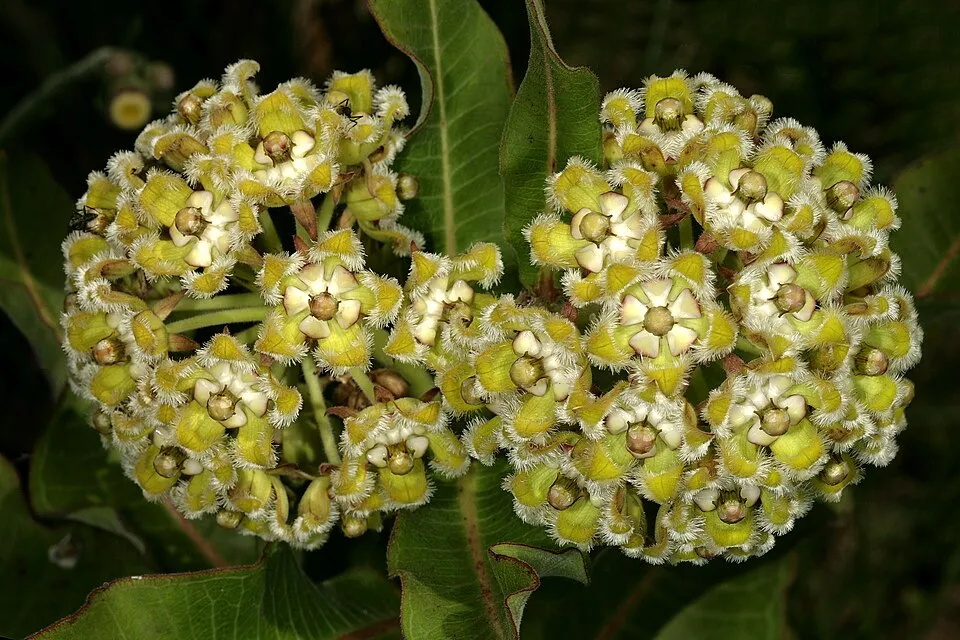
Uzara, scientifically known as Xysmalobium undulatum, is a resilient perennial herbaceous plant native to the diverse landscapes of Southern Africa, particularly thriving in the Eastern Cape and KwaZulu-Natal regions. Belonging to the Apocynaceae family, commonly known as the milkweed family, it typically reaches a height of 1 to 1.5 meters. The plant is characterized by its slender, vertically oriented stems that are adorned with distinctive whorls of narrow, lanceolate leaves.
These leaves measure approximately 10 to 15 cm in length and 2 to 5 cm in width, featuring smooth, often glossy surfaces and notable wavy margins that give the plant its specific epithet, undulatum. During late spring and throughout the summer, Uzara produces umbellate clusters of small, five-petaled flowers, which range in color from white to pale yellow, actively attracting a variety of pollinators. Subterraneously, the plant develops a stout, fleshy, and often fibrous tuberous root system, which is the primary part utilized for its medicinal properties.
Xysmalobium undulatum is well-adapted to its indigenous habitat of sandy and rocky soils, demonstrating a remarkable resilience to varying soil conditions while preferring warm, subtropical climates. Its classification within Apocynaceae places it among a family rich in species known for potent secondary metabolites, including many with significant medicinal applications.
Trusted Scientific References
1. Authoritative external sources for Xysmalobium undulatum
1.1 Wikipedia — Xysmalobium undulatum
1.2 Kew POWO (Plants of the World Online)
1.3 PubMed — peer-reviewed research
1.4 NCBI Taxonomy Browser
1.5 GBIF — Global Biodiversity
1.6Uzara should be interpreted through verified botanical identity, practical care, and responsible safety language. This recovery note adds the missing context needed for a complete profile: match light to the plant's habit, use well-drained soil, water according to season, and avoid unsupported medicinal or edible claims. For publishing, the plant can be presented as a source-backed medicinal plant with clear care guidance, common problem diagnosis, and conservative safety wording.
1.1.Uzara — Key Features
- ✓Indigenous to Southern — Indigenous to Southern Africa's subtropical regions.
- ✓Member of the — Member of the Apocynaceae (milkweed) plant family.
- ✓The tuberous root — The tuberous root is the primary medicinal part.
- ✓Contains characteristic uzara — Contains characteristic uzara glycosides (uzarin, xysmalobin).
- ✓Renowned for its — Renowned for its potent antidiarrheal properties.
- ✓Historically and currently — Historically and currently used for primary dysmenorrhea relief.
- ✓Exhibits notable cardiotonic — Exhibits notable cardiotonic effects, demanding precise dosing.
- ✓Adaptable to well — drained, sandy-rocky soils and full sun.
- ✓Features distinct wavy — margined, lanceolate leaves.
- ✓Perennial herbaceous growth habit, reaching 1 — 1.5 meters.
1.2.Uzara — Snapshot Summary
- ✓Xysmalobium undulatum, or Uzara, is a perennial herb indigenous to Southern Africa.
- ✓Its root contains potent cardiac glycosides like uzarin and xysmalobin.
- ✓Primarily used in traditional and modern contexts for diarrhea and menstrual cramps.
- ✓Possesses significant cardiotonic activity, requiring extreme caution and medical oversight.
- ✓Contraindicated for individuals with heart conditions, low potassium, or during pregnancy.
- ✓Available as oral preparations, recommended for short-term use under professional guidance.
2.Uzara — Systematic Position
3.Uzara — Quick Facts
4.Uzara — Morphological Account
5.Uzara — Where It Grows
6.Uzara — Ethnobotanical Uses
7.Uzara — Bioactive Constituents
- ✓Cardiac Glycosides (Uzaraglycosides) — The most prominent active compounds, including uzarin and xysmalobin, are responsible for Uzara's antidiarrheal and potent cardiotonic effects, primarily by influencing Na+/K+-ATPase activity.
- ✓Flavonoids — A diverse group of polyphenolic compounds such as quercetin, contributing to the plant's antioxidant, anti-inflammatory, and potentially antimicrobial properties.
- ✓Terpenoids — Various triterpenes and sesquiterpenes are present, which may contribute to anti-inflammatory, analgesic, and antimicrobial actions within the plant.
- ✓Phenolic Acids — Compounds like caffeic acid and ferulic acid, known for their strong antioxidant capacities, helping to protect cells from oxidative damage.
- ✓Alkaloids — A range of nitrogen-containing compounds that can exert diverse pharmacological effects, though less prominent than the glycosides in Uzara.
- ✓Saponins — These compounds contribute to the plant's foaming properties and may offer immunomodulatory or hypocholesterolemic benefits.
- ✓Tannins — Possessing astringent properties, tannins contribute to the antidiarrheal effect by tightening and toning mucous membranes in the digestive tract.
- ✓Phytosterols — Plant sterols such as beta-sitosterol may contribute to anti-inflammatory and cholesterol-lowering effects, supporting overall cellular health.
8.Uzara — What Research Suggests
- ✓Antidiarrheal Action — Uzara is highly regarded for its efficacy in slowing intestinal motility and reducing active chloride secretion in the gut, thereby alleviating diarrhea.
- ✓Menstrual Cramp Relief — Early research suggests that uzara may offer pain reduction comparable to non-steroidal anti-inflammatory drugs (NSAIDs) for primary dysmenorrhea.
- ✓Digestive Regulation — Beyond acute diarrhea, it contributes to the overall regulation of digestive processes, promoting balanced gut function.
- ✓Anti-inflammatory Support — Contains phytochemicals that may modulate inflammatory pathways, offering a degree of systemic anti-inflammatory effect.
- ✓Antioxidant Properties — The presence of flavonoids and phenolic acids provides antioxidant protection, helping to neutralize free radicals and reduce oxidative stress.
- ✓Immune System Modulation — Traditionally utilized for general wellness, uzara's compounds may subtly support and modulate the body's immune responses.
- ✓Gastrointestinal Antispasmodic — Helps to relax the smooth muscles of the gastrointestinal tract, alleviating spasms and associated discomfort.
- ✓Fluid Balance Regulation — By reducing excessive fluid loss through the intestines, uzara aids in maintaining fluid and electrolyte balance during diarrheal episodes.
- ✓Traditional Pain Management — Its historical use often extended to various forms of pain, likely due to its anti-inflammatory and antispasmodic actions.
8.1.Uzara — Indications & Uses
9.Uzara — Precautions & Warnings
9.1.Uzara — Warnings
- ✓Cardiac Irregularities — Uzara can cause worsened heart function, irregular heart rhythms (arrhythmias), and potentially life-threatening cardiac events due to its cardiac glycoside content.
- ✓Respiratory Distress — Difficulty breathing has been reported in rare cases, particularly with high doses or in sensitive individuals.
- ✓Gastrointestinal Discomfort — While used for diarrhea, high or improper doses may lead to stomach upset, nausea, or other digestive disturbances.
- ✓Allergic Reactions — Although uncommon, individuals may experience hypersensitivity reactions such as skin rashes or itching.
- ✓Lethality (Injection) — Uzara is extremely dangerous and has been associated with fatalities when administered intravenously; this route of administration is strictly contraindicated.
- ✓Potentiation of Cardiac Medications — It can dangerously increase the effects and side effects of other medications that affect heart function, leading to severe complications.
9.2.Uzara — Toxicity Assessment
- ✓Professional Consultation — Always seek advice from a qualified healthcare provider before using Uzara, especially given its potent cardiac effects and potential drug interactions.
- ✓Short-Term Oral Use — Uzara is considered possibly safe for healthy adults when taken orally for a limited duration, typically not exceeding five days.
- ✓Contraindicated in Heart Conditions — Individuals with any pre-existing heart disease, cardiac rhythm disorders, or hypertension should strictly avoid Uzara.
- ✓Avoid During Pregnancy/Breastfeeding — Due to insufficient reliable safety information, Uzara use is strongly discouraged for pregnant or breastfeeding women.
- ✓Avoid with Low Potassium — Individuals with hypokalemia (low potassium levels) should not use Uzara, as it can further deplete potassium and significantly increase cardiac risks.
- ✓No Intravenous Use — Under no circumstances should Uzara be administered by injection, as this method is highly toxic and can be fatal.
- ✓Monitor Diarrhea — If diarrhea persists for more than two days while using Uzara, discontinue use and consult a healthcare professional immediately to rule out serious underlying conditions.
10.Uzara — Preparation & Dosage
- ✓Decoction (Root) — Dried Uzara root pieces are commonly prepared by simmering them in water for an extended period to extract its active compounds, traditionally consumed for digestive ailments.
- ✓Tincture (Root) — An alcoholic extract of the dried root, allowing for a concentrated liquid preparation that can be easily dosed and has a longer shelf life.
- ✓Powdered Root — The dried root is ground into a fine powder, which can then be encapsulated, mixed into beverages, or added to foods for internal consumption.
- ✓Fluid Extract — A highly concentrated liquid extract, often standardized to specific active compounds, providing precise dosing for therapeutic applications.
- ✓Oral Capsules/Tablets — Commercial preparations offer Uzara root extract in convenient capsule or tablet forms, ensuring consistent dosage and ease of use.
- ✓Traditional African Preparations — In its native regions, Uzara root may be prepared as a bitter liquid infusion or combined with other indigenous herbs as part of complex traditional remedies.
11.Uzara — Growing Guide
- ✓Climate Preference — Uzara thrives best in warm, subtropical to tropical climates, requiring protection from frost and preferring consistent temperatures.
- ✓Soil Requirements — Optimal growth occurs in well-drained, sandy to rocky loam soils, with a slightly acidic to neutral pH range.
- ✓Sun Exposure — Full sun exposure is crucial for the plant to achieve robust growth, adequate flowering, and optimal development of its medicinal root system.
- ✓Watering — Regular watering is essential during its active growing season, but caution must be exercised to avoid waterlogging, which can lead to root rot.
- ✓Propagation — Primarily propagated from seeds, which often benefit from stratification to enhance germination, or vegetatively through careful division of mature root tubers.
- ✓Pest and Disease Management — Generally resilient, Uzara is not highly susceptible to major pests or diseases, but good cultural practices help prevent common fungal issues.
- ✓Harvesting — The tuberous roots, being the medicinally valuable part, are typically harvested after several years of growth, usually during the plant's dormant period to maximize potency.
Reviewed by the Flora Medical Global Botanical Review Panel
Multi-disciplinary editorial group · Botany · Ethnobotany · Herbal-medicine literature
Who reviewed this: This page was checked by the Flora Medical Global Botanical Review Panel — an in-house editorial group of botany graduates, ethnobotany researchers, and horticulture practitioners who collectively maintain our 7,000+ plant encyclopedia. Meet the team.
Our 4-step verification process
1. Taxonomic verification
Scientific names and synonyms cross-checked against Kew POWO, World Flora Online, and The Plant List.
2. Phytochemical & medicinal cross-reference
Active compounds, traditional uses, and reported activities are cross-referenced with PubMed, USDA Dr. Duke's database, and peer-reviewed ethnobotanical literature.
3. Conservation & distribution check
Distribution, ecology, and conservation status confirmed against GBIF occurrence records and the IUCN Red List.
4. Editorial & safety review
Every entry passes an editorial pass for clarity, originality, and safety notices (toxicity, contraindications, dosage caveats) before publication.
Last reviewed:
Important medical disclaimer: This content is for educational and research purposes only. It is not medical advice and is not a substitute for consultation with a licensed healthcare provider. Do not use any herb to self-treat a medical condition without professional guidance.
Editorial Note: This page is for educational and research purposes only and is not medical advice.
Written by: Flora Medical Global Editorial Team
Reviewed by: Flora Medical Global Botanical Review Panel
Last Updated: June 15, 2026




Uzara — Comments & Community Reviews
Rate this plant