

Medical Disclaimer: This content is for educational purposes only. It is not medical advice. Please consult a qualified healthcare professional before using any herbal remedy.
Safety Overview
1.Vamsalochana — Overview
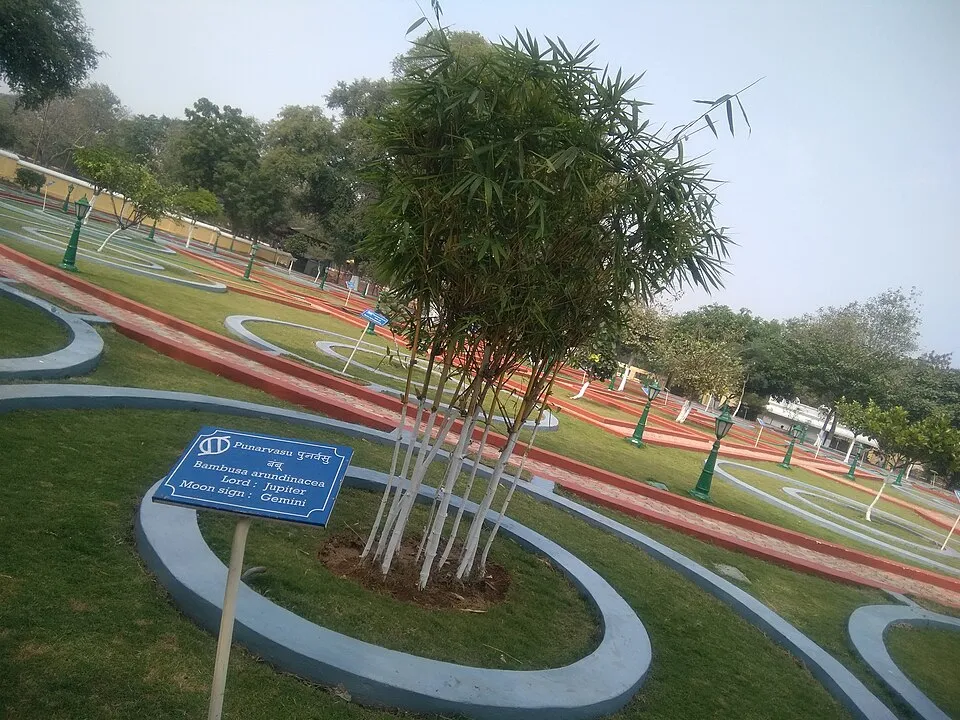
Bambusa arundinacea, universally recognized as Vamsalochana or Indian Thorny Bamboo, is a majestic and robust perennial grass belonging to the extensive Poaceae family. This towering species typically achieves heights ranging from 10 to 15 meters, though it can soar up to 20 meters under optimal growth conditions. Its distinctive stems, known as culms, are notably erect, featuring a diameter of 4 to 8 cm, characterized by a segmented, jointed appearance and a smooth, vibrant green to yellowish-green bark that gradually darkens to a brownish hue with maturity.
The lanceolate leaves are finely textured, measuring between 15 and 30 cm in length and 1 to 2 cm in width, presenting a bright green coloration that enhances the plant's aesthetic appeal. Flowering is an infrequent event, with tiny, inconspicuous greenish to pale yellow flowers borne in pendant inflorescences, typically observed only once every several years, a characteristic of many perennial bamboos. Vamsalochana thrives across diverse tropical and subtropical habitats, showing a preference for warm climates.
It is commonly encountered in open forests, along the fertile banks of rivers, and in mountainous terrains throughout South and Southeast Asia, where it holds significant ecological importance and cultural value. The plant is traditionally celebrated for its unique siliceous exudate, or 'manna,' known as Vamshalochana, which is harvested from the culm internodes and highly valued in various traditional medical systems for its therapeutic properties.
Trusted Scientific References
1. Authoritative external sources for Bambusa arundinacea
1.1 Wikipedia — Bambusa arundinacea
1.2 Kew POWO (Plants of the World Online)
1.3 PubMed — peer-reviewed research
1.4 NCBI Taxonomy Browser
1.5 GBIF — Global Biodiversity
1.6Vamsalochana should be interpreted through verified botanical identity, practical care, and responsible safety language. This recovery note adds the missing context needed for a complete profile: match light to the plant's habit, use well-drained soil, water according to season, and avoid unsupported medicinal or edible claims. For publishing, the plant can be presented as a source-backed medicinal plant with clear care guidance, common problem diagnosis, and conservative safety wording.
1.1.Vamsalochana — Defining Traits
- ✓Botanical Name — Bambusa arundinacea (Indian Thorny Bamboo).
- ✓Primary Medicinal Part — Vamshalochana (siliceous bamboo manna).
- ✓Traditional System — Highly valued in Ayurvedic, Unani, and Siddha medicine.
- ✓Key Constituent — Amorphous silica, vital for connective tissue health.
- ✓Physiological Action — Kaphapitta shamaka (balances Kapha and Pitta doshas).
- ✓Growth Habit — Tall, robust perennial grass with segmented culms.
- ✓Habitat — Native to warm tropical regions of South and Southeast Asia.
- ✓Therapeutic Uses — Supports respiratory, digestive, skin, and urinary health.
- ✓Antioxidant Rich — Contains flavonoids and phenolic acids for cellular protection.
- ✓Anti — inflammatory — Exhibits properties to reduce inflammation and pain.
1.2.Vamsalochana — Concise Overview
- ✓Vamsalochana, or Bambusa arundinacea, is a revered Indian Thorny Bamboo.
- ✓Its siliceous exudate, Vamshalochana, is a key medicinal component.
- ✓Traditionally used in Ayurveda for respiratory, digestive, and skin health.
- ✓Rich in silica, flavonoids, and phenolic compounds.
- ✓Acts as an anti-inflammatory, antioxidant, and restorative agent.
- ✓Generally safe for normal use, with precautions for raw shoots and specific conditions.
2.Vamsalochana — Systematic Position
3.Vamsalochana — Quick Facts
4.Vamsalochana — Structural Profile
5.Vamsalochana — Geographic Distribution
6.Vamsalochana — Ethnobotanical Uses
7.Vamsalochana — Secondary Metabolites
- ✓Silica (Amorphous) — The primary active component of Vamshalochana, a natural siliceous concretion known for its restorative, remineralizing, and anti-inflammatory effects, particularly beneficial for connective tissues and respiratory health.
- ✓Flavonoids — Compounds such as quercetin, vitexin, and isovitexin exhibit potent antioxidant, anti-inflammatory, and antiallergic activities, contributing to overall cellular protection.
- ✓Phenolic Acids — Including cinnamic acid and ferulic acid, these compounds contribute to the plant's antioxidant capacity and possess antimicrobial and anti-inflammatory properties.
- ✓Coumarins — Identified as a phenolic compound, coumarin is known for its anticoagulant properties and has shown some anti-inflammatory and antimicrobial effects.
- ✓Terpenes/Terpenoids — Eugenol is a notable terpene with analgesic, anti-inflammatory, and antiseptic actions, often contributing to the plant's aromatic profile.
- ✓Plant Sterols — Sitosterol is a prominent plant sterol associated with cholesterol-lowering effects and immune-modulating properties.
- ✓Lignans — These phytochemicals possess antioxidant and anti-inflammatory activities, and are being researched for potential anticancer effects.
- ✓Polysaccharides — Contribute to the plant's demulcent properties, providing soothing effects on mucous membranes, particularly in the respiratory and digestive tracts.
- ✓Chlorophylls — Present in green parts, these pigments have antioxidant properties and play a role in detoxification processes.
- ✓Amino Acids — Essential building blocks for proteins, contributing to the plant's nutritional value and general metabolic functions.
8.Vamsalochana — Modern Studies
- ✓Respiratory Support — Vamshalochana is traditionally used to alleviate coughs, colds, and other respiratory ailments, helping to clear phlegm and soothe irritated airways.
- ✓Digestive Aid — The dried resin, Vamshalochana, is employed to treat indigestion, diarrhea, and nausea, promoting gastrointestinal comfort and regularity.
- ✓Skin Health — Pastes made from the root and tender shoots are applied topically to address eczema, ringworm, and skin discolorations, supporting skin regeneration and clarity.
- ✓Wound Healing — Tender bamboo shoots are prepared into a paste and applied to wounds, aiding in the healing process and preventing infection.
- ✓Gynecological Wellness — Decoctions of bamboo leaves are traditionally administered to manage dysmenorrhea (painful menstruation) and to strengthen uterine muscles post-delivery.
- ✓Anti-inflammatory Action — The plant’s constituents, including flavonoids and phenolic acids, contribute to its anti-inflammatory properties, useful in reducing swelling and pain.
- ✓Antioxidant Properties — Rich in compounds like quercetin, Bambusa arundinacea exhibits significant antioxidant activity, protecting cells from oxidative stress and damage.
- ✓Blood Sugar Regulation — Bamboo seeds are traditionally incorporated into the diet for individuals with diabetes, suggesting a role in managing blood glucose levels.
- ✓Fever Reduction — Vamshalochana powder, when mixed with honey, is given to help reduce fever, acting as a cooling and restorative agent.
- ✓Urinary Tract Support — Traditional texts indicate its use in treating urinary tract disorders (Mutrakrichra and Prameha), promoting bladder cleansing and healthy micturition.
- ✓Hemorrhoid Relief — Used in traditional practices to alleviate pain associated with hemorrhoids, offering soothing and anti-inflammatory effects.
- ✓Anti-parasitic Activity — Decoctions of tender leaves are utilized to treat intestinal worm infestations, helping to expel parasites from the digestive tract.
8.1.Vamsalochana — Health Applications
9.Vamsalochana — Adverse Effects
9.1.Vamsalochana — Caution Notes
- ✓Digestive Discomfort — Raw or improperly prepared bamboo shoots can cause bloating, flatulence, or mild digestive upset due to cyanogenic glycosides.
- ✓Drying Effect (Rooksha) — Excessive consumption of certain bamboo parts, particularly seeds, may lead to dryness in the body according to Ayurvedic principles.
- ✓Purgative Action (Sara) — Some preparations, especially bamboo seeds, can induce mild laxative or purgative effects in sensitive individuals.
- ✓Increased Pitta/Vata — According to Ayurveda, bamboo seeds and shoots can increase Pitta and Vata doshas, potentially exacerbating related conditions.
- ✓Allergic Reactions — Although rare, individuals sensitive to grasses may experience allergic reactions such as skin rashes or respiratory irritation.
- ✓Burning Sensation — The tip part (Kareera) or sprouts, if not properly processed, may cause a burning sensation (Vidahi) in some individuals.
- ✓Drug Interactions — Caution is advised when combining with anticoagulant medications due to potential coumarin content, consult a healthcare professional.
9.2.Vamsalochana — Safety Profile
- ✓General Safety — Vamsalochana (dried resin) is generally considered safe for normal therapeutic use within recommended dosages.
- ✓Pregnancy and Lactation — Pregnant and lactating women should consult a healthcare professional before using any bamboo-derived products due to insufficient safety data.
- ✓Children — Use in children should be under strict medical supervision, especially for internal preparations.
- ✓Allergic Sensitivities — Individuals with known allergies to plants in the Poaceae family should exercise caution and consult a physician.
- ✓Raw Bamboo Shoots — Raw bamboo shoots contain cyanogenic glycosides and must be properly processed (boiled or cooked) to remove toxins before consumption.
- ✓Medical Supervision — Patients with pre-existing medical conditions or those on medication should seek advice from a qualified healthcare practitioner.
- ✓Interaction with Anticoagulants — Due to the presence of coumarin, caution is advised for individuals taking blood-thinning medications.
10.Vamsalochana — How to Use
- ✓Vamshalochana Powder — Dried resin (Vamshalochana) is powdered and typically mixed with honey or warm water for internal use, usually 1-3 grams per dose.
- ✓Decoction of Leaves — Tender leaves are boiled to prepare a decoction, taken in doses of 40-50 ml for menstrual issues or intestinal worms.
- ✓Root Paste for Topical Use — Roots are ground into a paste and applied externally to areas affected by eczema or skin discoloration.
- ✓Shoot Paste for Skin Ailments — Tender bamboo shoots are mashed into a paste and applied topically for ringworm or wound healing.
- ✓Bamboo Seeds as Food — The seeds can be processed and consumed as an edible food, particularly noted for managing diabetes.
- ✓Decoction of Root — A decoction made from the roots is traditionally given in doses of 40-50 ml for specific conditions like dog or scorpion bites.
- ✓Tender Buds Paste — Young bamboo buds are crushed into a paste for topical application on skin lesions and wounds.
- ✓Infusion for Respiratory Health — Leaves and young shoots can be steeped in hot water to create an infusion for cough and cold relief.
11.Vamsalochana — Propagation & Care
- ✓Climate Preference — Thrives best in warm, humid tropical and subtropical climates with ample rainfall.
- ✓Soil Requirements — Prefers well-drained, fertile loamy soils, though it can adapt to a range of soil types.
- ✓Propagation — Primarily propagated through rhizome cuttings, culm cuttings, or tissue culture for faster establishment.
- ✓Planting Density — Requires adequate spacing to allow for its robust growth and extensive root system.
- ✓Water Management — Needs consistent moisture, especially during dry periods, but avoids waterlogging.
- ✓Sunlight Exposure — Flourishes in full sun exposure, which promotes vigorous growth and culm development.
- ✓Nutrient Needs — Benefits from regular fertilization with balanced nutrients to support rapid growth and health.
- ✓Pest and Disease Control — Generally resistant, but monitoring for common bamboo pests and diseases is advisable.
Reviewed by the Flora Medical Global Botanical Review Panel
Multi-disciplinary editorial group · Botany · Ethnobotany · Herbal-medicine literature
Who reviewed this: This page was checked by the Flora Medical Global Botanical Review Panel — an in-house editorial group of botany graduates, ethnobotany researchers, and horticulture practitioners who collectively maintain our 7,000+ plant encyclopedia. Meet the team.
Our 4-step verification process
1. Taxonomic verification
Scientific names and synonyms cross-checked against Kew POWO, World Flora Online, and The Plant List.
2. Phytochemical & medicinal cross-reference
Active compounds, traditional uses, and reported activities are cross-referenced with PubMed, USDA Dr. Duke's database, and peer-reviewed ethnobotanical literature.
3. Conservation & distribution check
Distribution, ecology, and conservation status confirmed against GBIF occurrence records and the IUCN Red List.
4. Editorial & safety review
Every entry passes an editorial pass for clarity, originality, and safety notices (toxicity, contraindications, dosage caveats) before publication.
Last reviewed:
Important medical disclaimer: This content is for educational and research purposes only. It is not medical advice and is not a substitute for consultation with a licensed healthcare provider. Do not use any herb to self-treat a medical condition without professional guidance.
Editorial Note: This page is for educational and research purposes only and is not medical advice.
Written by: Flora Medical Global Editorial Team
Reviewed by: Flora Medical Global Botanical Review Panel
Last Updated: June 15, 2026





Vamsalochana — Comments & Community Reviews
Rate this plant