
Medical Disclaimer: This content is for educational purposes only. It is not medical advice. Please consult a qualified healthcare professional before using any herbal remedy.
Safety Overview
1.Veltheimia Bracteata — Overview
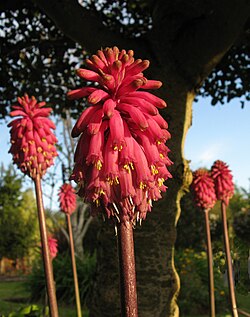
Veltheimia bracteata, commonly known as the Forest Lily, Cape Lily, or Winter Red Hot Poker, is a captivating bulbous perennial indigenous to the Eastern Cape of South Africa. This striking species belongs to the Asphodelaceae family, a diverse botanical group that also encompasses well-known genera like Aloe and Kniphofia. It is particularly celebrated for its magnificent flowering display, which graces gardens from late winter through early spring, providing vibrant color when many other plants are dormant. The plant develops a robust basal rosette of fleshy, strap-like leaves, often exhibiting distinctive wavy edges and a deep green hue.
These substantial leaves can extend up to 60 cm in length and 10 cm in width, forming an elegant, arching clump that gradually spreads. The most dramatic feature is its impressive inflorescence: a tall, stout, upright flower stalk, typically reaching 50-80 cm in height, emerges from the rosette's center. This stalk is crowned with a dense, pendant raceme bearing numerous tubular, downward-hanging flowers. The blooms are usually a vivid pink to deep red, often accentuated with contrasting green or yellow tips.
Prominent bracts, which lend the species its name, are similarly colored to the petals and persist even after the flowers fade, enhancing the plant's ornamental appeal. Veltheimia bracteata flourishes in well-drained sandy soils and is naturally found on rocky slopes, in open woodlands, and coastal scrub under dappled shade. Its large, deep-seated bulbs are an adaptation to dry conditions, allowing for a period of summer dormancy. While remarkably frost-tender, requiring protection in colder climates, it offers a long-lasting floral spectacle in its native habitat and warmer regions.
Trusted Scientific References
1. Authoritative external sources for Veltheimia Bracteata
1.1 Wikipedia — Veltheimia Bracteata
1.2 Kew POWO (Plants of the World Online)
1.3 PubMed — peer-reviewed research
1.4 NCBI Taxonomy Browser
1.5 GBIF — Global Biodiversity
1.6Veltheimia Bracteata should be interpreted through verified botanical identity, practical care, and responsible safety language. This recovery note adds the missing context needed for a complete profile: match light to the plant's habit, use well-drained soil, water according to season, and avoid unsupported medicinal or edible claims. For publishing, the plant can be presented as a source-backed garden plant with clear care guidance, common problem diagnosis, and conservative safety wording.
1.1.Veltheimia Bracteata — Defining Traits
- ✓Botanical Name — Veltheimia bracteata.
- ✓Common Names — Forest Lily, Cape Lily, Winter Red Hot Poker.
- ✓Native Origin — Eastern Cape, South Africa.
- ✓Family — Asphodelaceae (formerly Hyacinthaceae).
- ✓Flowering Season — Late winter to early spring.
- ✓Distinctive Flowers — Tall spikes of tubular, pendant, pink to red flowers with green or yellow tips.
- ✓Foliage — Basal rosette of fleshy, strap-like, wavy-edged deep green leaves.
- ✓Growth Habit — Bulbous perennial, reaching 50-80 cm in height.
- ✓Climate Preference — Frost-tender, thrives in warm, frost-free environments.
- ✓Primary Use — Highly valued ornamental garden and container plant.
1.2.Veltheimia Bracteata — Concise Overview
- ✓Striking South African Ornamental Lily — Prized for its vibrant winter-to-spring floral display.
- ✓Bulbous Perennial — Features a basal rosette of wavy leaves and tall, pendant flower racemes.
- ✓Potentially Toxic — All parts, especially the bulb, are considered toxic if ingested.
- ✓Frost-Tender — Best grown in warm climates or as a protected container plant indoors.
- ✓No Established Medicinal Use — Primarily cultivated for its aesthetic appeal, not for therapeutic purposes.
- ✓Requires Well-Drained Soil & Indirect Light — Essential for healthy growth and prolific flowering.
2.Veltheimia Bracteata — Systematic Position
3.Veltheimia Bracteata — Reference Facts
4.Veltheimia Bracteata — Plant Morphology
5.Veltheimia Bracteata — Geographic Distribution
6.Veltheimia Bracteata — Historical Applications
7.Veltheimia Bracteata — Active Compounds
- ✓Flavonoids — These are common plant pigments and potent antioxidants, often contributing to anti-inflammatory and cellular protective effects. While specific profiles for Veltheimia bracteata are not extensively documented, their presence is highly probable in plant tissues.
- ✓Saponins — Many members of the Asphodelaceae family contain steroidal saponins, which can exhibit expectorant, anti-inflammatory, and potentially hemolytic properties, requiring careful consideration for internal use.
- ✓Anthraquinones — Compounds such as anthraquinones and their glycosides are known for laxative effects and antimicrobial activity in some related genera; their presence in Veltheimia bracteata would warrant investigation.
- ✓Phenolic Acids — These ubiquitous plant compounds contribute to antioxidant and anti-inflammatory activities, crucial for plant defense and potentially beneficial in therapeutic applications.
- ✓Alkaloids — Bulbous plants, including many in the broader Asparagales order, are known to produce various alkaloids, some of which can be potent or toxic. The specific alkaloid profile of Veltheimia bracteata would be critical for safety assessment.
- ✓Polysaccharides — Complex carbohydrates, particularly mucilaginous polysaccharides, can offer soothing and immunomodulatory effects, as seen in other Asphodelaceae members like Aloe.
- ✓Phytosterols — Plant sterols are known for their anti-inflammatory properties and roles in membrane structure. Their presence in Veltheimia bracteata could contribute to its biological activities.
- ✓Terpenoids — A diverse group of organic compounds found in many plants, terpenoids often contribute to aroma, flavor, and various medicinal properties, including anti-inflammatory and antimicrobial actions.
8.Veltheimia Bracteata — What Research Suggests
- ✓Antioxidant Support — While specific studies on Veltheimia bracteata are limited, many plants contain polyphenols and flavonoids that offer antioxidant properties, potentially protecting cells from oxidative stress.
- ✓Anti-inflammatory Potential — Compounds found in related Asphodelaceae species often exhibit anti-inflammatory effects, suggesting Veltheimia bracteata might possess similar properties, though this requires dedicated investigation.
- ✓Skin Soothing Applications — Traditionally, certain bulbous plants have been used topically for minor skin irritations; Veltheimia bracteata might offer soothing effects, but caution is advised due to potential irritants.
- ✓Antimicrobial Activity — Plants naturally produce compounds to defend against pathogens. Research into Veltheimia bracteata's extracts could reveal antimicrobial properties against certain bacteria or fungi.
- ✓Immunomodulatory Interest — Some plant-derived compounds can influence immune responses. Exploring Veltheimia bracteata's phytochemistry might uncover agents with immunomodulatory potential.
- ✓Cardiovascular Health — While unproven for this species, certain plant compounds are studied for their effects on blood pressure and circulation, a potential area for future Veltheimia bracteata research.
- ✓Digestive Aid (Topical/External consideration) — If any internal use were to be considered (highly unlikely without extensive research), some plant compounds can aid digestion. However, for Veltheimia bracteata, this is purely speculative and not recommended.
- ✓Respiratory Support (Traditional/Historical) — In some traditional systems, plants with mucilaginous properties or expectorant compounds are used for respiratory ailments. This is a hypothetical area for Veltheimia bracteata.
- ✓Analgesic Properties (Folkloric) — Certain plant extracts are used in folk medicine for mild pain relief. Further research would be needed to determine if Veltheimia bracteata possesses any such compounds.
- ✓Diuretic Effects (Hypothetical) — Some bulbous plants contain compounds that can act as diuretics. This is a speculative benefit for Veltheimia bracteata and would require rigorous scientific validation.
8.1.Veltheimia Bracteata — Health Applications
9.Veltheimia Bracteata — Risk Profile
9.1.Veltheimia Bracteata — Side Effects & Warnings
- ✓Gastrointestinal Distress — Ingestion of any part of Veltheimia bracteata, particularly the bulb, can lead to severe gastrointestinal upset including nausea, vomiting, and diarrhea due to potentially toxic compounds.
- ✓Skin Irritation — Direct contact with the sap or plant juices may cause dermatitis, itching, or skin irritation in sensitive individuals.
- ✓Allergic Reactions — As with many plants, individuals may experience allergic responses, such as skin rashes or respiratory symptoms, upon contact or exposure to pollen.
- ✓Systemic Toxicity — Due to the potential presence of alkaloids and other potent compounds, ingestion can lead to systemic toxicity affecting various organ systems, including the heart.
- ✓Oral Mucosa Irritation — Chewing or ingesting plant material can cause irritation and burning sensations in the mouth and throat.
- ✓Livestock Poisoning — If consumed by grazing animals, Veltheimia bracteata can cause illness or poisoning, necessitating careful placement in gardens accessible to pets or livestock.
9.2.Veltheimia Bracteata — Clinical Safety Notes
- ✓Strict Non-Ingestion — Veltheimia bracteata is considered potentially toxic; no part of the plant should be ingested by humans or animals.
- ✓Topical Caution — Avoid direct skin contact with plant sap; wear gloves when handling, especially during propagation or pruning, to prevent irritation.
- ✓Children & Pets — Keep Veltheimia bracteata plants out of reach of children and pets, who may be tempted to chew on leaves or bulbs.
- ✓Pregnancy & Lactation — Due to unknown toxicity and lack of research, pregnant and breastfeeding individuals should strictly avoid any exposure or use.
- ✓Pre-existing Conditions — Individuals with heart conditions, gastrointestinal sensitivities, or other chronic illnesses should avoid any contact or use.
- ✓Professional Consultation — Any consideration of traditional or unverified medicinal use must be undertaken only under the strict guidance of a qualified medical herbalist or toxicologist.
- ✓Ornamental Use Only — Emphasize that the plant's primary and safest use is purely ornamental.
10.Veltheimia Bracteata — How to Use
- ✓Ornamental Cultivation — Primarily cultivated as a striking ornamental plant for winter and spring interest in gardens, rockeries, or as a focal point in containers.
- ✓Houseplant Display — Suitable for growing as an indoor houseplant in bright, indirect light, offering vibrant color during colder months.
- ✓Floral Arrangements — The tall, showy inflorescences of Veltheimia bracteata make excellent cut flowers, adding a unique architectural element to floral designs.
- ✓Research Extracts — For scientific investigation, various plant parts (bulbs, leaves, flowers) could be extracted using solvents like ethanol or water to isolate and analyze phytochemical compounds.
- ✓Topical Applications (Hypothetical) — If future research confirms skin-soothing properties and safety, a diluted poultice or infused oil (prepared under expert guidance) might be considered for external use, with extreme caution.
- ✓Decoction for External Use (Speculative) — A decoction of the leaves or bulbs, strictly for external application, might be explored in research for potential antimicrobial or anti-inflammatory effects, always after rigorous toxicity screening.
- ✓Tincture Preparation (For Research Only) — Alcoholic tinctures could be prepared from specific plant parts for phytochemical analysis and preliminary screening of biological activities, not for human consumption.
- ✓Powdered Material (Experimental) — Dried and powdered plant material could be prepared for laboratory analysis to determine constituent profiles or for use in in vitro studies.
11.Veltheimia Bracteata — Propagation & Care
- ✓Light Requirements — Thrives in bright, indirect sunlight or dappled shade; avoid harsh direct sun, especially in warmer climates, to prevent leaf scorch.
- ✓Soil & Drainage — Prefers well-drained, sandy loamy soils, mimicking its native habitat. Excellent drainage is crucial to prevent bulb rot.
- ✓Watering Schedule — Water moderately during active growth (winter to spring), allowing the topsoil to dry out between waterings. Reduce watering significantly during summer dormancy.
- ✓Temperature & Frost Protection — Veltheimia bracteata is frost-tender; protect bulbs from freezing temperatures. In colder zones, grow as a container plant that can be moved indoors.
- ✓Propagation Methods — Easily propagated by offsets (bulbils) that form around the main bulb, through careful bulb division, or from fresh seeds, though seed-grown plants take longer to flower.
- ✓Dormancy Management — After spring flowering, the foliage naturally dies back, indicating a period of summer dormancy. Reduce water and keep dry until new growth emerges in late summer or fall.
- ✓Container Growing — An excellent choice for containers, allowing for easy relocation to protect from frost. Use a pot large enough to accommodate several years of growth.
- ✓Pest & Disease Resistance — Generally robust, but watch for slugs and snails that may damage leaves, and caterpillars which can target flower buds.
Reviewed by the Flora Medical Global Botanical Review Panel
Multi-disciplinary editorial group · Botany · Ethnobotany · Herbal-medicine literature
Who reviewed this: This page was checked by the Flora Medical Global Botanical Review Panel — an in-house editorial group of botany graduates, ethnobotany researchers, and horticulture practitioners who collectively maintain our 7,000+ plant encyclopedia. Meet the team.
Our 4-step verification process
1. Taxonomic verification
Scientific names and synonyms cross-checked against Kew POWO, World Flora Online, and The Plant List.
2. Phytochemical & medicinal cross-reference
Active compounds, traditional uses, and reported activities are cross-referenced with PubMed, USDA Dr. Duke's database, and peer-reviewed ethnobotanical literature.
3. Conservation & distribution check
Distribution, ecology, and conservation status confirmed against GBIF occurrence records and the IUCN Red List.
4. Editorial & safety review
Every entry passes an editorial pass for clarity, originality, and safety notices (toxicity, contraindications, dosage caveats) before publication.
Last reviewed:
Important medical disclaimer: This content is for educational and research purposes only. It is not medical advice and is not a substitute for consultation with a licensed healthcare provider. Do not use any herb to self-treat a medical condition without professional guidance.
Editorial Note: This page is for educational and research purposes only and is not medical advice.
Written by: Flora Medical Global Editorial Team
Reviewed by: Flora Medical Global Botanical Review Panel
Last Updated: June 15, 2026





Veltheimia Bracteata — Comments & Community Reviews
Rate this plant