
Medical Disclaimer: This content is for educational purposes only. It is not medical advice. Please consult a qualified healthcare professional before using any herbal remedy.
Safety Overview
1.Venidium Fastuosum — At a Glance
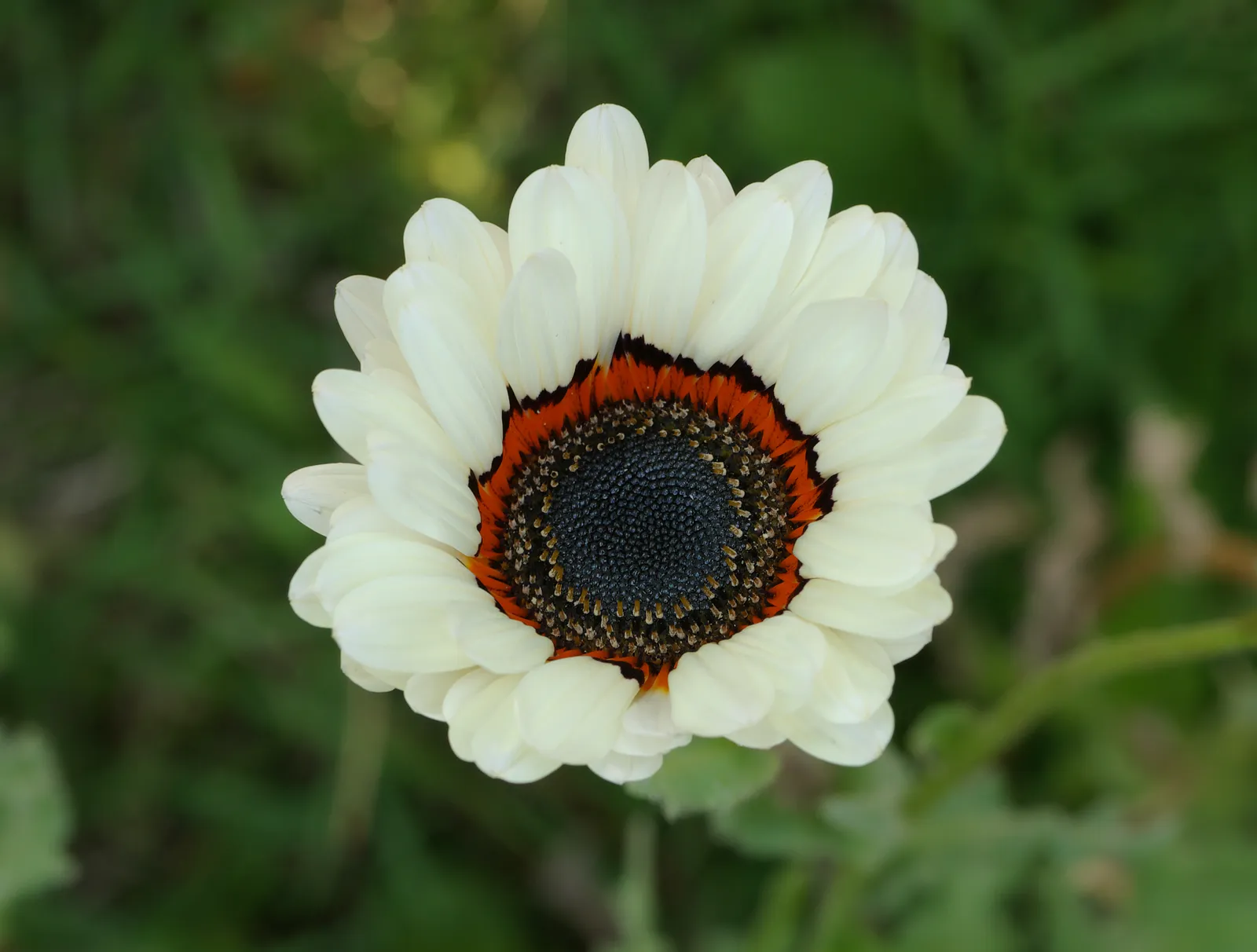
Venidium fastuosum, commonly known as the Monarch of the Veldt or Cape Daisy, is a spectacular annual flowering plant that captivates with its vibrant blooms and distinctive foliage. Native to the arid and semi-arid regions of the Eastern Cape province of South Africa, it thrives in environments characterized by abundant sunshine and well-drained soils.
Taxonomically, it is classified within the Asteraceae family, a vast and diverse group that includes a multitude of familiar daisies, sunflowers, and asters. This particular species is highly prized in horticulture for its remarkably large, showy flowers, which typically span 3 to 5 inches (7-12 cm) in diameter.
The floral display of Venidium fastuosum is its most striking feature, presenting brilliant orange or yellow petals that radiate outwards from a dramatically contrasting dark-purple or black central disc, creating an eye-catching effect that stands out in any garden setting. The plant's foliage is equally unique; its leaves are deeply lobed or pinnately divided, giving them a delicate, feathery appearance. These leaves are covered in a fine, silvery-white downy fuzz, which not only adds to its aesthetic appeal but also serves as a protective mechanism against intense solar radiation and browsing by herbivores, a common adaptation in plants from arid climates.
Growing to an average height of 1-2 feet (30-60 cm), the Monarch of the Veldt forms a bushy, upright habit, with sturdy stems capable of supporting its heavy, sun-facing blooms. Its adaptability, coupled with its extended flowering season from early summer to autumn, has cemented its status as a favorite among gardeners seeking to introduce exotic beauty and vibrant color with relatively low maintenance, as it is notably drought-tolerant once established.
Trusted Scientific References
1. Authoritative external sources for Venidium Fastuosum
1.1 Wikipedia — Venidium Fastuosum
1.2 Kew POWO (Plants of the World Online)
1.3 PubMed — peer-reviewed research
1.4 NCBI Taxonomy Browser
1.5 GBIF — Global Biodiversity
1.1.Venidium Fastuosum — Notable Characteristics
- ✓Bold, Daisy — like Flowers — Large, vibrant orange or yellow blooms with distinctive dark centers.
- ✓Silvery, Downy Foliage — Deeply lobed leaves covered in a fine, silvery-white fuzz.
- ✓Compact Bushy Habit — Grows 1-2 feet tall, forming an upright and robust plant structure.
- ✓Native to South Africa — Thrives in conditions similar to its natural Eastern Cape habitat.
- ✓Attracts Pollinators — Highly effective in drawing bees, butterflies, and other beneficial insects.
- ✓Drought — Tolerant — Exhibits strong resilience to dry periods once established.
- ✓Low Maintenance — Requires minimal care, including occasional watering and deadheading.
- ✓Versatile Use — Ideal for garden beds, containers, rock gardens, and cut flower arrangements.
- ✓Extended Bloom Period — Flowers profusely from early summer through autumn.
- ✓Asteraceae Family Member — Shares characteristics with sunflowers and other daisies.
1.2.Venidium Fastuosum — At-a-Glance Summary
- ✓Ornamental Annual — A striking daisy-like flower primarily grown for its garden aesthetics.
- ✓South African Native — Originates from the Eastern Cape, thriving in full sun.
- ✓Pollinator Magnet — Attracts bees and butterflies, enhancing garden biodiversity.
- ✓Drought Tolerant — Adaptable to dry conditions once established, requiring minimal water.
- ✓Low Maintenance — Easy to grow with basic care, suitable for various garden settings.
- ✓No Medicinal Use — Currently recognized solely for its horticultural value, not for therapeutic applications.
2.Venidium Fastuosum — Nomenclature & Classification
3.Venidium Fastuosum — Key Data
4.Venidium Fastuosum — Botanical Features
5.Venidium Fastuosum — Origin & Spread
6.Venidium Fastuosum — Heritage Uses
7.Venidium Fastuosum — Chemical Profile
- ✓While specific comprehensive phytochemical studies on Venidium fastuosum are limited due to its primary ornamental classification, based on its family (Asteraceae) and general plant chemistry, it is expected to contain a range of secondary metabolites:
- ✓Flavonoids — Compounds such as quercetin and luteolin are common in Asteraceae, often associated with antioxidant, anti-inflammatory, and UV-protective potential in other plant species.
- ✓Sesquiterpene Lactones — Many Asteraceae species contain these compounds, which can contribute to bitter taste, plant defense, and sometimes exhibit cytotoxic or anti-inflammatory properties.
- ✓Triterpenes — These include compounds like ursolic acid and oleanolic acid, frequently found in plants and known for their potential anti-inflammatory and hepatoprotective activities in other botanical contexts.
- ✓Phenolic Acids — Such as caffeic acid and chlorogenic acid, which are widely distributed in plants and act as potent antioxidants, contributing to overall plant defense.
- ✓Carotenoids — Responsible for the vibrant yellow and orange pigments observed in the flowers, including beta-carotene and lutein, known for their antioxidant roles and provitamin A activity in human nutrition.
- ✓Volatile Oils — While not extensively studied in Venidium fastuosum, many flowering plants produce essential oils containing monoterpenes and sesquiterpenes, which contribute to scent and act as chemical defenses against herbivores and pathogens.
- ✓Polysaccharides — Structural carbohydrates present in plant cell walls, which can sometimes exhibit immunomodulatory effects in other plant species, though not specifically studied here.
- ✓Phytosterols — Plant sterols like beta-sitosterol are common constituents, offering potential cholesterol-lowering and anti-inflammatory benefits in other botanical contexts.
8.Venidium Fastuosum — Evidence-Based Benefits
- ✓Venidium fastuosum is primarily cultivated for its exceptional ornamental value and is not traditionally recognized for specific medicinal applications in established herbal systems like Ayurveda, TCM, or modern pharmacognosy. However, its horticultural attributes offer indirect well-being benefits:
- ✓Aesthetic Therapy — The vibrant and unique blooms of Venidium fastuosum contribute significantly to horticultural beauty, which can positively impact mental well-being and reduce stress through garden engagement and visual appreciation.
- ✓Pollinator Attraction — As a prolific bloomer, the Monarch of the Veldt actively draws beneficial insects such as bees, butterflies, and other pollinators, thereby supporting local biodiversity and ecosystem health.
- ✓Garden Biodiversity Enhancement — Incorporating Venidium fastuosum into landscape designs enriches the variety of plant life, fostering a more robust and resilient garden ecosystem.
- ✓Drought Tolerance — Its natural adaptation to dry conditions makes it a sustainable choice for water-wise gardening, conserving precious resources while maintaining visual appeal and reducing horticultural effort.
- ✓Air Quality Improvement (Minor) — Like many green plants, Venidium fastuosum engages in photosynthesis, contributing to oxygen production and potentially filtering minor atmospheric pollutants in its immediate vicinity.
- ✓Soil Health Contribution — As an annual, the decomposition of its plant material at the end of its life cycle can enrich garden soil with organic matter, improving soil structure and nutrient content over time.
- ✓Horticultural Education — Cultivating Venidium fastuosum offers practical opportunities for learning about plant care, life cycles, and the specific needs of South African flora, thereby promoting botanical knowledge.
- ✓Stress Reduction through Gardening — Engaging in the care and observation of flowering plants like Venidium fastuosum is a recognized therapeutic activity that can alleviate psychological stress and promote mindfulness.
- ✓Visual Stimulation — The striking colors, intricate patterns, and bold presence of its flowers provide significant visual stimulation, enhancing outdoor spaces and potentially improving mood.
8.1.Venidium Fastuosum — Therapeutic Indications
9.Venidium Fastuosum — Cautions & Contraindications
9.1.Venidium Fastuosum — Side Effects & Warnings
- ✓As Venidium fastuosum is an ornamental plant not intended for medicinal use, potential 'side effects' relate primarily to horticultural interactions or sensitivities:
- ✓Allergic Reactions — Individuals sensitive to plants in the Asteraceae family may experience contact dermatitis or mild respiratory irritation from pollen when handling the plant.
- ✓Overwatering Issues — Excessive moisture in the soil can lead to root rot and other fungal diseases, severely impacting plant health and leading to wilting or death.
- ✓Pest Susceptibility — While generally robust, like many garden annuals, it may occasionally attract common garden pests such as aphids or spider mites, particularly when stressed.
- ✓Frost Damage — Being an annual, Venidium fastuosum is highly susceptible to frost, which will cause immediate tissue damage and ultimately lead to the plant's demise.
- ✓Weed Competition — Young Venidium fastuosum plants can be easily outcompeted by aggressive weeds if not properly managed, hindering their growth and vigor.
- ✓Ingestion Risk — While not widely reported as toxic, ingestion of any ornamental plant by pets or children should be discouraged due to potential unknown compounds or mild gastrointestinal upset.
9.2.Venidium Fastuosum — Clinical Safety Notes
- ✓Venidium fastuosum is primarily an ornamental plant, and its safety profile is considered in this context:
- ✓External Use Only — Venidium fastuosum is cultivated solely for its aesthetic appeal and is not intended for internal consumption, topical medicinal application, or any therapeutic purpose.
- ✓Allergic Sensitivity — Individuals with known allergies or sensitivities to plants within the Asteraceae family should exercise caution when handling to avoid potential skin irritation or respiratory reactions.
- ✓Children and Pets — It is advisable to keep plants out of reach of small children and curious pets to prevent accidental ingestion, as its safety for consumption has not been established.
- ✓Horticultural Handling — Gardeners with sensitive skin may benefit from wearing gloves when handling the plant, especially its downy foliage, which might cause mild irritation in some individuals.
- ✓Non-Medicinal Status — It is crucial to understand that Venidium fastuosum holds no recognized medicinal uses in traditional or modern herbalism and should not be used as such.
- ✓Environmental Consideration — When managing pests or diseases, utilize environmentally friendly methods to ensure the safety of surrounding flora, fauna, and human health.
10.Venidium Fastuosum — Preparation Methods
- ✓Venidium fastuosum is exclusively utilized for its ornamental attributes and offers diverse applications in horticultural settings:
- ✓Garden Bed Integration — The Monarch of the Veldt is primarily used as a vibrant annual for mass plantings, mixed borders, and rock gardens, providing a striking splash of continuous color.
- ✓Container Cultivation — Its manageable size and showy blooms make it an excellent choice for growing in pots, window boxes, and other containers, ideal for patios, balconies, and courtyards.
- ✓Cut Flower Production — The long-lasting, bold flowers of Venidium fastuosum are highly valued for fresh floral arrangements, adding an exotic and dramatic flair to bouquets and indoor displays.
- ✓Pollinator Garden Inclusion — Plant this species specifically to attract a diverse range of beneficial insects, including bees, butterflies, and other pollinators, thereby supporting local ecology and biodiversity.
- ✓Drought-Tolerant Landscaping — Utilize Venidium fastuosum in xeriscaping designs or in garden areas prone to dry spells, leveraging its natural resilience to low water conditions once established.
- ✓Aesthetic Groundcover — When planted closely in large areas, its bushy habit and attractive gray-green foliage can form an appealing, large-scale groundcover, suppressing weeds and providing visual interest.
- ✓Seasonal Display — Employ Venidium fastuosum for impactful seasonal displays in public parks or private gardens, capitalizing on its extended and prolific flowering period from early summer to autumn.
- ✓Educational Gardening — Incorporate this plant into educational gardens to demonstrate plant life cycles, adaptations of South African flora, and the importance of pollinator interactions.
11.Venidium Fastuosum — How to Grow
- ✓Cultivating Venidium fastuosum, or Monarch of the Veldt, is straightforward with attention to a few key requirements:
- ✓Site Selection — Plant Venidium fastuosum in a location that receives full sun exposure throughout the day and boasts fertile, well-draining soil to ensure optimal growth and prevent waterlogging.
- ✓Seed Starting — Seeds can be sown directly into the garden after the last frost has passed, or started indoors 4-6 weeks prior to the average last frost date for an earlier bloom.
- ✓Pre-treatment and Sowing — Presoak seeds overnight to enhance germination rates, then plant them at a shallow depth of approximately 1/8 inch, placing 4-5 seeds per cell or planting spot.
- ✓Seedling Care — Once sprouted, ensure seedlings receive abundant light, ideally 16 hours daily under fluorescent plant lights, followed by a crucial 8-hour period of darkness for healthy development.
- ✓Hardening Off — Before transplanting seedlings outdoors, gradually acclimate them to external conditions over about a week by placing them in a sheltered outdoor area, protecting them from strong winds and direct sun initially.
- ✓Spacing and Weeding — Space mature plants 12-15 inches apart in the garden to allow for adequate air circulation, and consistently control weeds which compete for water and nutrients.
- ✓Watering and Mulching — Water Venidium fastuosum sparingly, allowing the soil to dry out completely between waterings, as it thrives in drier conditions; apply organic mulch to conserve soil moisture and suppress weeds.
- ✓Ongoing Maintenance — Deadhead spent flowers regularly to encourage continuous blooming throughout its long season and to prevent unwanted self-seeding.
Reviewed by the Flora Medical Global Botanical Review Panel
Multi-disciplinary editorial group · Botany · Ethnobotany · Herbal-medicine literature
Who reviewed this: This page was checked by the Flora Medical Global Botanical Review Panel — an in-house editorial group of botany graduates, ethnobotany researchers, and horticulture practitioners who collectively maintain our 7,000+ plant encyclopedia. Meet the team.
Our 4-step verification process
1. Taxonomic verification
Scientific names and synonyms cross-checked against Kew POWO, World Flora Online, and The Plant List.
2. Phytochemical & medicinal cross-reference
Active compounds, traditional uses, and reported activities are cross-referenced with PubMed, USDA Dr. Duke's database, and peer-reviewed ethnobotanical literature.
3. Conservation & distribution check
Distribution, ecology, and conservation status confirmed against GBIF occurrence records and the IUCN Red List.
4. Editorial & safety review
Every entry passes an editorial pass for clarity, originality, and safety notices (toxicity, contraindications, dosage caveats) before publication.
Last reviewed:
Important medical disclaimer: This content is for educational and research purposes only. It is not medical advice and is not a substitute for consultation with a licensed healthcare provider. Do not use any herb to self-treat a medical condition without professional guidance.
Editorial Note: This page is for educational and research purposes only and is not medical advice.
Written by: Flora Medical Global Editorial Team
Reviewed by: Flora Medical Global Botanical Review Panel
Last Updated: June 15, 2026





Venidium Fastuosum — Comments & Community Reviews
Rate this plant