
Medical Disclaimer: This content is for educational purposes only. It is not medical advice. Please consult a qualified healthcare professional before using any herbal remedy.
Safety Overview
1.Veronica Longifolia — Botanical Snapshot
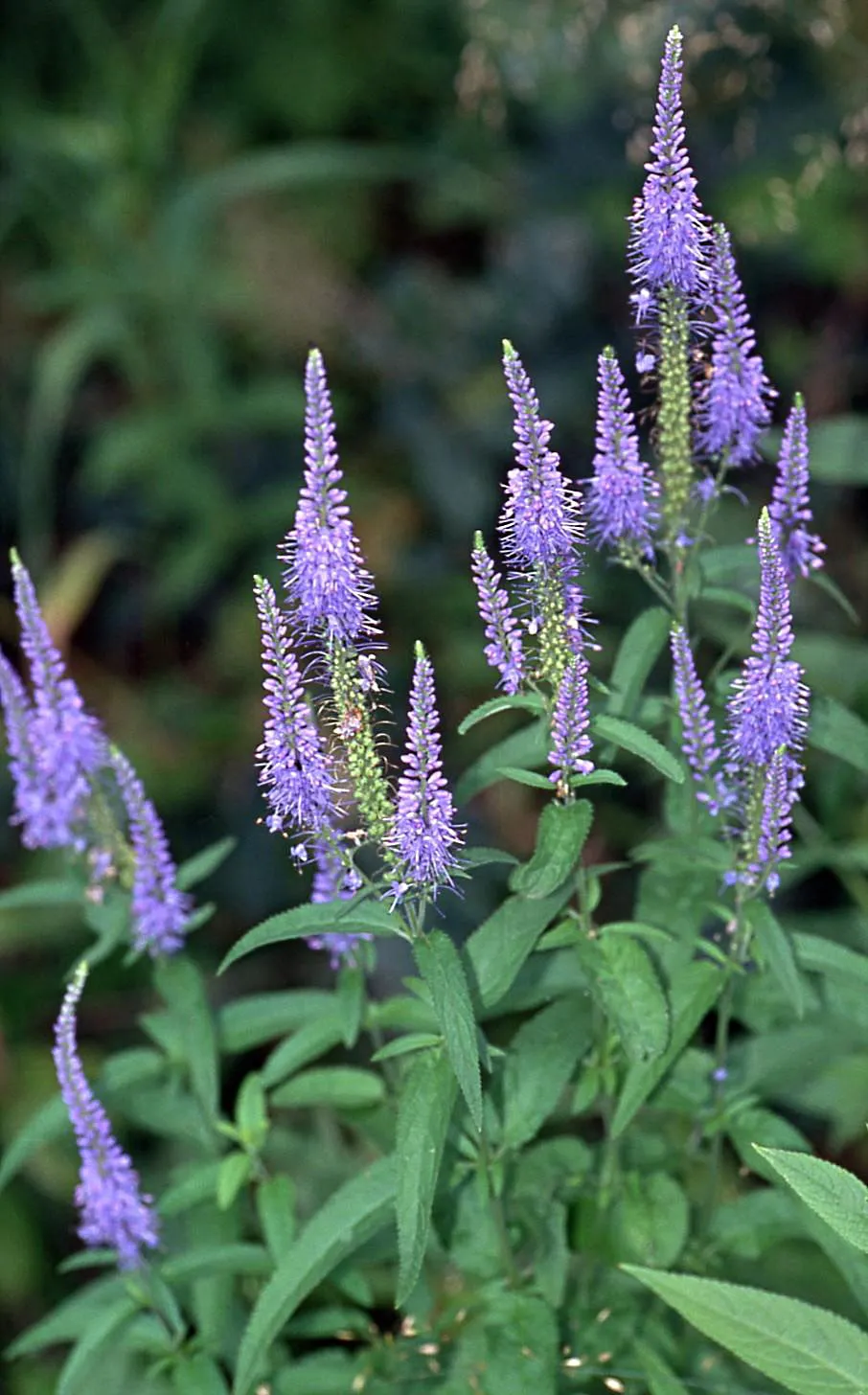
Veronica longifolia, commonly known as Longleaf Speedwell or Garden Speedwell, is an elegant herbaceous perennial belonging to the Plantaginaceae family, though historically it was often classified under Scrophulariaceae. This striking species is indigenous to a broad expanse of Europe and Asia, thriving in diverse habitats from moist meadows to open woodlands. Renowned for its distinctive, upright spire-like flower stalks, Veronica longifolia imparts a strong vertical accent in garden designs and naturalized settings.
The plant typically features lance-shaped to narrowly ovate leaves, arranged in whorls of 3 to 5 along its rigid, unbranched stems. These vibrant green leaves, often with subtly toothed margins, generally range from 5 to 10 cm in length. The true spectacle lies in its magnificent inflorescences, which are dense, terminal racemes extending 15-30 cm.
These racemes are densely packed with numerous small, four-petaled flowers, presenting a rich palette of blue, purple, pink, or white hues, depending on the specific cultivar. Blooming profusely from early summer through late summer, the flowers open sequentially from the base upwards, ensuring a prolonged and captivating display of color. Beyond its aesthetic appeal, Veronica longifolia is a highly valuable pollinator magnet, drawing bees, butterflies, and other beneficial insects, making it an excellent choice for ecological gardening, borders, cottage gardens, and meadow plantings, contributing both beauty and biodiversity.
Trusted Scientific References
1. Authoritative external sources for Veronica longifolia
1.1 Wikipedia — Veronica longifolia
1.2 Kew POWO (Plants of the World Online)
1.3 PubMed — peer-reviewed research
1.4 NCBI Taxonomy Browser
1.5 GBIF — Global Biodiversity
1.6Veronica Longifolia should be interpreted through verified botanical identity, practical care, and responsible safety language. This recovery note adds the missing context needed for a complete profile: match light to the plant's habit, use well-drained soil, water according to season, and avoid unsupported medicinal or edible claims. For publishing, the plant can be presented as a source-backed garden plant with clear care guidance, common problem diagnosis, and conservative safety wording.
1.1.Veronica Longifolia — Highlights
- ✓Stately Perennial — A robust herbaceous perennial with a strong vertical growth habit.
- ✓Elegant Inflorescences — Features dense, spire-like racemes of blue, purple, pink, or white flowers.
- ✓Native to Europe & Asia — Widely distributed across temperate regions of these continents.
- ✓Pollinator Magnet — Highly attractive to bees, butterflies, and other beneficial insects.
- ✓Traditional Medicinal Uses — Historically employed for respiratory, skin, and inflammatory conditions.
- ✓Rich Phytochemistry — Contains beneficial iridoid glycosides, flavonoids, and phenolic compounds.
- ✓Moderate Growth Rate — Establishes well and grows at a moderate pace under optimal conditions.
- ✓Adaptable to Gardens — Suitable for borders, cottage gardens, and meadow plantings.
- ✓Low Maintenance — Generally resistant to major pests and diseases with proper care.
- ✓Herbal Expectorant & Diuretic — Noted for its traditional roles in supporting lung and urinary health.
1.2.Veronica Longifolia — Snapshot Summary
- ✓Veronica longifolia is a perennial herb from Europe and Asia, known for its elegant flower spikes.
- ✓Traditionally used for respiratory health, wound healing, and anti-inflammatory support.
- ✓Rich in iridoid glycosides, flavonoids, and phenolic acids, contributing to its medicinal properties.
- ✓Cultivated for its beauty and ecological benefits as a pollinator plant.
- ✓Generally safe for topical use, but caution advised for internal use, especially during pregnancy or with medications.
- ✓A valuable addition to herbal medicine cabinets for its diverse therapeutic potential.
2.Veronica Longifolia — Scientific Identity
3.Veronica Longifolia — Key Data
4.Veronica Longifolia — Botanical Features
5.Veronica Longifolia — Origin & Spread
6.Veronica Longifolia — Heritage Uses
7.Veronica Longifolia — Phytochemistry
- ✓Iridoid Glycosides — Key compounds include Aucubin and Catalpol, known for their anti-inflammatory, hepatoprotective, and laxative properties.
- ✓Flavonoids — Such as Apigenin, Luteolin, and Quercetin derivatives, which are potent antioxidants and contribute to the plant's anti-inflammatory and vascular protective effects.
- ✓Phenolic Acids — Including Caffeic acid, Rosmarinic acid, and Chlorogenic acid, which provide significant antioxidant, anti-inflammatory, and antimicrobial activities.
- ✓Tannins — Primarily condensed tannins, responsible for the plant's astringent properties, aiding in wound healing and reducing inflammation.
- ✓Saponins — Triterpenoid saponins are present, which may contribute to expectorant and mild diuretic actions, though specific types need further identification.
- ✓Volatile Oils — Trace amounts of essential oils containing various monoterpenes and sesquiterpenes, contributing to the plant's aroma and potential antimicrobial activity.
- ✓Polysaccharides — Complex carbohydrates that can have immune-modulating properties, supporting the body's natural defenses.
- ✓Carotenoids — Pigments like beta-carotene are present, acting as antioxidants and precursors to Vitamin A, supporting cellular health.
- ✓Phytosterols — Plant sterols such as beta-sitosterol, which may contribute to anti-inflammatory and cholesterol-lowering effects.
- ✓Mineral Salts — Essential minerals vital for various physiological functions, supporting overall health and electrolyte balance.
8.Veronica Longifolia — Scientific Evidence
- ✓Respiratory Aid — Veronica longifolia is traditionally valued as an expectorant and antitussive, assisting in soothing irritated respiratory passages and promoting the efficient expulsion of mucus from the lungs, beneficial for coughs and bronchitis.
- ✓Wound Healing — When applied topically, preparations derived from Longleaf Speedwell can significantly aid in the healing of minor cuts, abrasions, and various skin irritations, largely due to its inherent astringent and anti-inflammatory compounds.
- ✓Anti-inflammatory Support — The rich presence of flavonoids, iridoid glycosides, and phenolic compounds in Veronica longifolia contributes substantially to its anti-inflammatory properties, potentially mitigating pain and swelling associated with diverse inflammatory conditions.
- ✓Antioxidant Activity — Abundant in phenolic compounds and other phytochemicals, Veronica longifolia exhibits potent antioxidant effects, crucial for neutralizing harmful free radicals and safeguarding cellular integrity against oxidative damage.
- ✓Diuretic Properties — Traditional applications suggest that this plant acts as a mild diuretic, which can support urinary tract health and assist the body in eliminating excess fluids and waste products.
- ✓Digestive Aid — Historically, certain Veronica species have been employed to support digestive functions, potentially alleviating mild gastrointestinal discomfort through their carminative or mild astringent actions.
- ✓Astringent Effects — The tannins present in Veronica longifolia contribute to its astringent qualities, which can be beneficial for toning tissues, reducing minor bleeding, and tightening skin pores.
- ✓Detoxification Support — Through its diuretic and antioxidant actions, Longleaf Speedwell may indirectly support the body’s natural detoxification processes, aiding in the elimination of toxins.
- ✓Skin Health Enhancement — Beyond wound healing, its anti-inflammatory and antioxidant properties can contribute to overall skin health, potentially soothing conditions like eczema or minor rashes.
- ✓Immune Modulatory Effects — Emerging research on related Veronica species suggests potential immune-modulating properties, which could help support the body’s natural defense mechanisms.
8.1.Veronica Longifolia — Indications & Uses
9.Veronica Longifolia — Safety Considerations
9.1.Veronica Longifolia — Possible Adverse Reactions
- ✓Allergic Reactions — Individuals sensitive to Plantaginaceae family plants may experience skin rashes, itching, or respiratory symptoms.
- ✓Digestive Upset — In some cases, high doses or sensitive individuals may experience mild stomach upset, nausea, or diarrhea.
- ✓Skin Irritation — Topical application might cause contact dermatitis in highly sensitive individuals; a patch test is recommended.
- ✓Diuretic Effect — Excessive consumption may lead to increased urination, potentially affecting electrolyte balance if not adequately hydrated.
- ✓Drug Interactions — May interact with diuretic medications, potentially increasing their effect or causing electrolyte imbalances.
- ✓Blood Thinners — Theoretical interaction with anticoagulant medications due to potential effects on blood clotting, though not well-documented.
- ✓Hypotension — Due to its diuretic action, it might theoretically lower blood pressure, which could be a concern for individuals on antihypertensive drugs.
9.2.Veronica Longifolia — Toxicity Assessment
- ✓Pregnancy & Lactation — Avoid use during pregnancy and breastfeeding due to insufficient safety data and potential uterine stimulant effects.
- ✓Children — Not recommended for infants or young children; consult a pediatrician or qualified herbalist before administering to older children.
- ✓Pre-existing Conditions — Individuals with kidney disease, heart conditions, or blood pressure issues should consult a healthcare provider before use.
- ✓Drug Interactions — Exercise caution if taking diuretics, blood pressure medications, or anticoagulants; consult a physician.
- ✓Allergic Sensitivity — Perform a patch test before topical application, especially for individuals with known plant allergies.
- ✓Dosage — Adhere strictly to recommended dosages; excessive consumption may increase the risk of side effects.
- ✓Internal Use — For internal use, ensure the plant material is correctly identified and free from pesticides or contaminants.
10.Veronica Longifolia — Usage Guide
- ✓Herbal Tea Infusion — Steep 1-2 teaspoons of dried Longleaf Speedwell aerial parts in hot water for 10-15 minutes; consume 2-3 times daily for respiratory or diuretic support.
- ✓Tincture Preparation — Macerate fresh or dried plant material in alcohol (e.g., 40-60% ethanol) for several weeks; strain and take drops as directed by a qualified herbalist.
- ✓Topical Compress — Prepare a strong infusion or decoction, soak a clean cloth, and apply to minor cuts, scrapes, or inflamed skin areas for wound healing and anti-inflammatory effects.
- ✓Poultice Application — Crush fresh leaves and stems to form a paste, apply directly to the skin, and cover with a bandage for localized wound care or soothing skin irritations.
- ✓Herbal Bath — Add a strong decoction of Veronica longifolia to bathwater to soothe widespread skin irritations or for a general relaxing and detoxifying effect.
- ✓Gargle/Mouthwash — Use a cooled strong infusion as a gargle to alleviate sore throats or as a mild antiseptic mouthwash.
- ✓Culinary Use (Limited) — Young shoots and leaves can be consumed cooked, but its primary use is medicinal; exercise caution and moderation.
11.Veronica Longifolia — Cultivation & Care
- ✓Site Selection — Choose a location with full sun to partial shade for optimal flowering and growth.
- ✓Soil Preparation — Plant in fertile, well-draining soil enriched with organic matter; a good garden loam is ideal.
- ✓Watering Regimen — Water regularly during the growing season, maintaining consistently moist but not waterlogged soil.
- ✓Temperature & Hardiness — Thrives in temperatures between 10–28°C; minimum tolerance around -25°C, suitable for USDA Zones 4-8.
- ✓Fertilization — Apply a balanced liquid fertilizer monthly during the active growing season to support robust growth and abundant blooms.
- ✓Propagation — Easily propagated by seed (sow at 18–22°C, germination 1–8 weeks) or by division of clumps in spring or autumn.
- ✓Pest & Disease Management — Generally low maintenance with no major pest or disease issues; ensure good air circulation to prevent fungal problems.
- ✓Mulching — Apply a layer of organic mulch around the base to retain soil moisture, regulate soil temperature, and suppress weeds.
Reviewed by the Flora Medical Global Botanical Review Panel
Multi-disciplinary editorial group · Botany · Ethnobotany · Herbal-medicine literature
Who reviewed this: This page was checked by the Flora Medical Global Botanical Review Panel — an in-house editorial group of botany graduates, ethnobotany researchers, and horticulture practitioners who collectively maintain our 7,000+ plant encyclopedia. Meet the team.
Our 4-step verification process
1. Taxonomic verification
Scientific names and synonyms cross-checked against Kew POWO, World Flora Online, and The Plant List.
2. Phytochemical & medicinal cross-reference
Active compounds, traditional uses, and reported activities are cross-referenced with PubMed, USDA Dr. Duke's database, and peer-reviewed ethnobotanical literature.
3. Conservation & distribution check
Distribution, ecology, and conservation status confirmed against GBIF occurrence records and the IUCN Red List.
4. Editorial & safety review
Every entry passes an editorial pass for clarity, originality, and safety notices (toxicity, contraindications, dosage caveats) before publication.
Last reviewed:
Important medical disclaimer: This content is for educational and research purposes only. It is not medical advice and is not a substitute for consultation with a licensed healthcare provider. Do not use any herb to self-treat a medical condition without professional guidance.
Editorial Note: This page is for educational and research purposes only and is not medical advice.
Written by: Flora Medical Global Editorial Team
Reviewed by: Flora Medical Global Botanical Review Panel
Last Updated: June 15, 2026





Veronica Longifolia — Comments & Community Reviews
Rate this plant