


Medical Disclaimer: This content is for educational purposes only. It is not medical advice. Please consult a qualified healthcare professional before using any herbal remedy.
Safety Overview
1.Vidarikand (Indian Kudzu) — Essential Profile
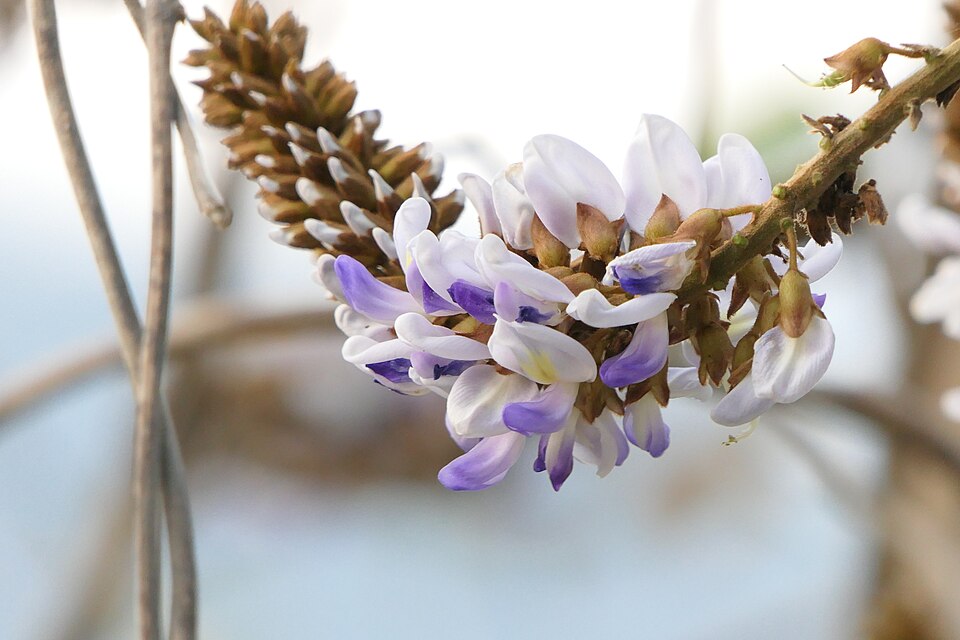
Vidarikand, scientifically known as Pueraria tuberosa, is a robust perennial herbaceous vine native to the tropical and subtropical regions of the Indian subcontinent, including parts of India, Pakistan, and Nepal. This vigorous climber can ascend to impressive heights of 4 to 6 meters, utilizing surrounding vegetation for support. Its distinctive foliage consists of trifoliate leaves, with each broadly ovate leaflet typically measuring 6 to 15 cm in length and 5 to 10 cm in width, characterized by a pointed apex and subtly serrated margins.
From June to August, Pueraria tuberosa adorns itself with clusters of small, exquisitely fragrant violet-pink flowers, arranged in striking racemose inflorescences, each bloom approximately 1 to 2 cm in diameter. The vine's slender, flexible stems exhibit a greenish-brown hue, and its bark can vary from smooth to slightly hairy. The most pharmacologically significant part of the plant is its large, often extensive tuberous roots, which can weigh several kilograms and are the primary source of its medicinal properties.
Pueraria tuberosa thrives in well-drained, light, and sandy soils, adapting to diverse environments and found at elevations up to 1,500 meters, and even up to 4,000 feet in the Himalayan ranges. Taxonomically, it belongs to the Fabaceae family, positioning it as a close relative to the well-known Kudzu species of East Asia.
Trusted Scientific References
1. Authoritative external sources for Pueraria tuberosa
1.1 Wikipedia — Pueraria tuberosa
1.2 Kew POWO (Plants of the World Online)
1.3 PubMed — peer-reviewed research
1.4 NCBI Taxonomy Browser
1.5 GBIF — Global Biodiversity
1.6Vidarikand (Indian Kudzu) should be interpreted through verified botanical identity, practical care, and responsible safety language. This recovery note adds the missing context needed for a complete profile: match light to the plant's habit, use well-drained soil, water according to season, and avoid unsupported medicinal or edible claims. For publishing, the plant can be presented as a source-backed medicinal plant with clear care guidance, common problem diagnosis, and conservative safety wording.
1.1.Vidarikand (Indian Kudzu) — Distinguishing Points
- ✓Botanical Identity — Perennial herbaceous climbing vine with large tuberous roots.
- ✓Ayurvedic Significance — Classified as a potent Rasayana (rejuvenative) and Vrishya (aphrodisiac) herb.
- ✓Primary Medicinal Part — The extensive, starchy tuberous roots are the main part used.
- ✓Phytochemical Richness — Abundant in isoflavonoids, saponins, and other bioactive compounds.
- ✓Traditional Applications — Widely used in Ayurveda for boosting vitality, fertility, and strength.
- ✓Adaptogenic Qualities — Enhances the body's resilience to various forms of stress.
- ✓Galactagogue Action — Supports milk production in nursing mothers.
- ✓Endemic to India — Native to tropical and subtropical regions of the Indian subcontinent.
- ✓Holistic Health Benefits — Addresses a wide range of health concerns from reproductive to respiratory and immune health.
- ✓Phytoestrogenic Profile — Contains compounds that mimic estrogen, influencing hormonal balance.
1.2.Vidarikand (Indian Kudzu) — At-a-Glance Summary
- ✓Vidarikand (Pueraria tuberosa) is a revered Ayurvedic herb known as Indian Kudzu.
- ✓Its tuberous roots are prized for rejuvenative, aphrodisiac, and galactagogue properties.
- ✓Rich in isoflavonoids like Puerarin, Daidzein, and Genistein, contributing to its diverse pharmacological actions.
- ✓Traditionally used for general debility, reproductive health, urinary disorders, and immunity boosting.
- ✓Modern research supports its antioxidant, anti-inflammatory, and cardioprotective potentials.
- ✓Important safety considerations include contraindications for pregnancy, lactation, and hormone-sensitive conditions.
2.Vidarikand (Indian Kudzu) — Scientific Identity
3.Vidarikand (Indian Kudzu) — Vital Statistics
4.Vidarikand (Indian Kudzu) — Physical Description
5.Vidarikand (Indian Kudzu) — Native Range & Habitat
6.Vidarikand (Indian Kudzu) — Folk Medicine Applications
7.Vidarikand (Indian Kudzu) — Key Phytochemicals
- ✓Isoflavonoids — Key compounds like Puerarin, Daidzein, Genistein, Irisolidone, and Biochanin A are abundant, acting as phytoestrogens and contributing to antioxidant, anti-inflammatory, and cardioprotective effects.
- ✓Saponins — Puerusaponins are present, known for their adaptogenic, immunomodulatory, and hypolipidemic activities.
- ✓Flavonoids — Includes Quercetin, which provides significant antioxidant and anti-inflammatory benefits, supporting cellular health.
- ✓Phytosterols — Compounds such as Tuberostan contribute to the plant's cholesterol-lowering and anti-inflammatory properties.
- ✓Coumestans — Miroestrol is a potent phytoestrogen, primarily found in related Pueraria species but also reported in Vidarikand, influencing hormonal balance.
- ✓Carbohydrates — The tuberous roots are rich in starches and sugars, providing a nutritive and energetic base for the plant's medicinal actions.
- ✓Glycosides — Isoorientin and Mangiferin are examples of glycosidic compounds, offering antioxidant, anti-diabetic, and neuroprotective activities.
- ✓Biochanin B — Another isoflavone, contributing to the overall phytoestrogenic and anti-inflammatory profile of the plant.
- ✓Triterpenoids — These compounds contribute to the plant's adaptogenic and anti-inflammatory effects, though specific structures require further elucidation.
8.Vidarikand (Indian Kudzu) — Pharmacological Findings
- ✓Rejuvenative & Adaptogenic — Vidarikand is highly valued in Ayurveda as a Rasayana, promoting overall vitality, delaying aging, and enhancing the body's ability to adapt to stress.
- ✓Aphrodisiac Properties — Traditionally used to boost libido, improve sexual performance, and address various aspects of reproductive health in both men and women.
- ✓Galactagogue Action — Supports and increases the production of breast milk in lactating mothers, making it beneficial for postnatal care.
- ✓General Debility & Strength — Helps to combat weakness, fatigue, and general debility, contributing to improved physical strength and stamina.
- ✓Immune System Support — Acts as an immunomodulator, enhancing the body's natural defense mechanisms and resilience against infections.
- ✓Urinary System Health — Beneficial in managing urinary disorders, including supporting kidney function and alleviating symptoms of dysuria dueating its diuretic and cooling properties.
- ✓Reproductive Health Enhancement — Supports fertility, balances hormones, and is traditionally used for conditions like menorrhagia and improving semen quality.
- ✓Respiratory Conditions Relief — Offers relief in various respiratory ailments such as bronchial asthma and coughs, often attributed to its expectorant and anti-inflammatory effects.
- ✓Cardioprotective Effects — Modern research suggests potential in protecting the heart, possibly by improving lipid profiles and reducing oxidative stress.
- ✓Anti-inflammatory Action — Contains compounds that exhibit anti-inflammatory properties, useful in managing inflammatory conditions.
- ✓Antioxidant Activity — Rich in antioxidants, Pueraria tuberosa helps neutralize free radicals, protecting cells from oxidative damage.
- ✓Hepatoprotective & Nephroprotective — Studies indicate its potential to protect liver and kidney tissues from damage caused by toxins or disease.
8.1.Vidarikand (Indian Kudzu) — Indications & Uses
9.Vidarikand (Indian Kudzu) — Safety Considerations
9.1.Vidarikand (Indian Kudzu) — Reported Side Effects
- ✓Digestive Discomfort — High doses may lead to mild gastrointestinal issues such as bloating, gas, or stomach upset.
- ✓Hormonal Imbalance — Due to its phytoestrogenic content, excessive use could potentially interfere with hormonal balance, particularly in sensitive individuals.
- ✓Allergic Reactions — Rare instances of allergic reactions like skin rashes or itching have been reported in hypersensitive individuals.
- ✓Hypotension — May cause a slight reduction in blood pressure, so caution is advised for individuals on antihypertensive medication.
- ✓Blood Sugar Fluctuations — While beneficial for diabetes, it might interact with diabetic medications, potentially leading to hypoglycemia if not monitored.
- ✓Drug Interactions — Potential interactions with blood thinners, hormone replacement therapy, or medications metabolized by the liver.
9.2.Vidarikand (Indian Kudzu) — Clinical Safety Notes
- ✓Pregnancy & Lactation — Contraindicated during pregnancy and lactation due to its phytoestrogenic effects and lack of sufficient safety data.
- ✓Hormone-Sensitive Conditions — Should be avoided by individuals with hormone-sensitive cancers (e.g., breast, uterine, ovarian cancer) or conditions like endometriosis.
- ✓Children — Not recommended for use in infants and young children without expert medical advice.
- ✓Pre-existing Medical Conditions — Individuals with chronic diseases, especially those affecting the liver, kidneys, or cardiovascular system, should consult a healthcare professional before use.
- ✓Surgery — Discontinue use at least two weeks before scheduled surgery due to potential effects on blood clotting or blood sugar.
- ✓Dosage Adherence — Always adhere to recommended dosages from qualified practitioners to minimize potential adverse effects.
- ✓Quality Sourcing — Ensure Vidarikand products are sourced from reputable suppliers to avoid contamination or adulteration.
10.Vidarikand (Indian Kudzu) — Preparation Methods
- ✓Powder (Churna) — Dried tuber roots are ground into a fine powder, often mixed with honey, milk, or ghee, and consumed orally for general debility or as an aphrodisiac.
- ✓Decoction (Kwath) — Sliced fresh or dried roots are boiled in water until reduced, then strained and consumed for respiratory or urinary issues.
- ✓Infusion (Phanta) — Crushed roots are steeped in hot water for a period, then filtered, used for its rejuvenative and cooling properties.
- ✓Paste (Lepa) — Fresh tuber is ground into a paste with water or milk, applied topically for skin diseases, wounds, or inflammatory swellings.
- ✓Medicated Milk (Ksheer Pak) — Roots are boiled with milk and water, reducing to milk, used to enhance strength, immunity, and reproductive health.
- ✓Ghee Preparations (Ghrita) — Powdered Vidarikand is infused into clarified butter (ghee), enhancing its bioavailability and therapeutic effects, especially for neurological and reproductive benefits.
- ✓Herbal Formulations — Often incorporated as a key ingredient in polyherbal Ayurvedic formulations targeting specific conditions like infertility or chronic fatigue.
11.Vidarikand (Indian Kudzu) — Garden Cultivation
- ✓Soil Preference — Thrives best in well-drained, light, and sandy-loam soils with a pH ranging from 6.0 to 7.5.
- ✓Climatic Conditions — Prefers tropical and subtropical climates, requiring warm temperatures and adequate humidity.
- ✓Propagation — Primarily propagated through root tubers or stem cuttings, ensuring viable nodes for rooting.
- ✓Support Structure — As a climbing vine, Vidarikand requires robust support structures like trellises, fences, or other plants to grow effectively.
- ✓Water Requirements — Needs consistent moisture, especially during its active growth phase, but avoids waterlogging.
- ✓Sunlight Exposure — Prefers full sun to partial shade for optimal growth and tuber development.
- ✓Harvesting — Tuberous roots are typically harvested after 2-3 years of growth when they reach a substantial size and medicinal maturity.
- ✓Pest and Disease Management — Generally robust, but monitoring for common vine pests and fungal diseases is advisable for healthy cultivation.
Reviewed by the Flora Medical Global Botanical Review Panel
Multi-disciplinary editorial group · Botany · Ethnobotany · Herbal-medicine literature
Who reviewed this: This page was checked by the Flora Medical Global Botanical Review Panel — an in-house editorial group of botany graduates, ethnobotany researchers, and horticulture practitioners who collectively maintain our 7,000+ plant encyclopedia. Meet the team.
Our 4-step verification process
1. Taxonomic verification
Scientific names and synonyms cross-checked against Kew POWO, World Flora Online, and The Plant List.
2. Phytochemical & medicinal cross-reference
Active compounds, traditional uses, and reported activities are cross-referenced with PubMed, USDA Dr. Duke's database, and peer-reviewed ethnobotanical literature.
3. Conservation & distribution check
Distribution, ecology, and conservation status confirmed against GBIF occurrence records and the IUCN Red List.
4. Editorial & safety review
Every entry passes an editorial pass for clarity, originality, and safety notices (toxicity, contraindications, dosage caveats) before publication.
Last reviewed:
Important medical disclaimer: This content is for educational and research purposes only. It is not medical advice and is not a substitute for consultation with a licensed healthcare provider. Do not use any herb to self-treat a medical condition without professional guidance.
Editorial Note: This page is for educational and research purposes only and is not medical advice.
Written by: Flora Medical Global Editorial Team
Reviewed by: Flora Medical Global Botanical Review Panel
Last Updated: June 15, 2026





Vidarikand (Indian Kudzu) — Comments & Community Reviews
Rate this plant