
Medical Disclaimer: This content is for educational purposes only. It is not medical advice. Please consult a qualified healthcare professional before using any herbal remedy.
Safety Overview
1.Vriesea Carinata — At a Glance
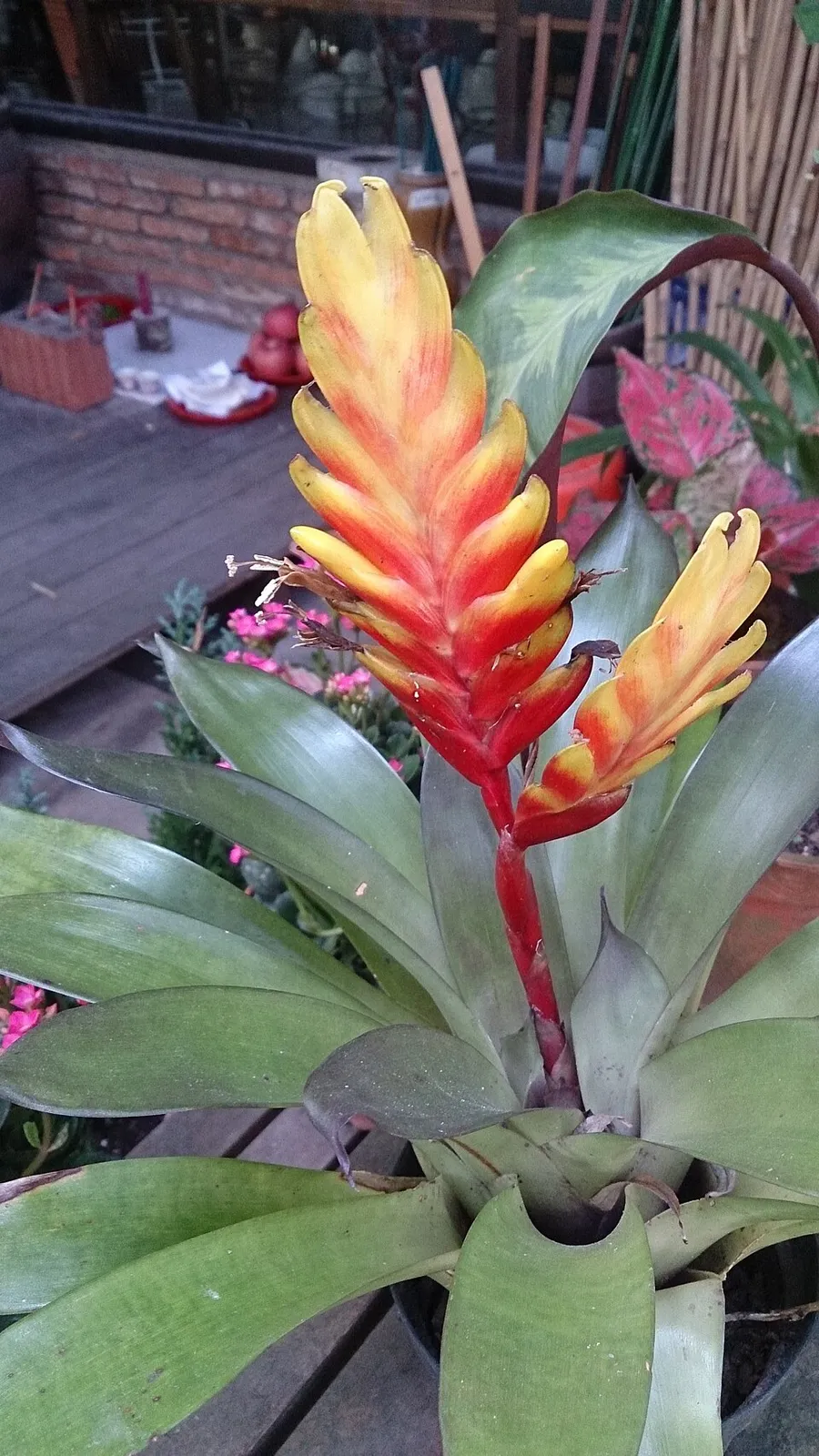
Vriesea carinata, popularly known as the Carinata Bromeliad or Feathered Vriesea, is an exquisite perennial herbaceous plant belonging to the diverse and fascinating Bromeliaceae family. This species is indigenous to the humid, tropical rainforests of Brazil, predominantly within the Atlantic Forest biome, where it thrives as an epiphyte or lithophyte, anchoring itself to trees or rocks, or occasionally as a terrestrial plant in nutrient-rich, well-draining soils. Its natural habitat is characterized by high humidity, dappled light, and consistent warmth, often in the understory where it benefits from filtered sunlight. Morphologically, Vriesea carinata exhibits a classic rosette growth form, where its linear, strap-like leaves radiate outwards from a central cup or 'tank'.
These vibrant green leaves typically measure between 30 to 80 centimeters in length and possess a slightly glossy texture, often featuring subtle banding or mottling on the undersides in some varieties. The central rosette is crucial for water and nutrient collection, a unique adaptation for epiphytic survival. Recent research has shed new light on the root system of epiphytic bromeliads, indicating that while primarily for anchorage in mature tank-forming plants, the roots play a more significant role in water and nutrient absorption than previously thought, especially for juvenile tankless bromeliads, complementing the absorptive function of leaf trichomes. The plant’s most striking feature emerges during its blooming phase, usually in the warmer months of summer.
A magnificent, flattened, sword-shaped inflorescence, often described as a 'feather' or 'quill', rises dramatically above the foliage. This spike, which can reach heights of 30-60 cm, is adorned with brightly colored, overlapping bracts that transition from brilliant yellow at the base to fiery orange or red towards the apex, creating a stunning visual display. Small, tubular, often inconspicuous yellow flowers emerge sequentially from these bracts, attracting a variety of pollinators, most notably hummingbirds, which are vital for the plant's reproduction in its native ecosystem.
Trusted Scientific References
1. Authoritative external sources for Vriesea carinata
1.1 Wikipedia — Vriesea carinata
1.2 Kew POWO (Plants of the World Online)
1.3 PubMed — peer-reviewed research
1.4 NCBI Taxonomy Browser
1.5 GBIF — Global Biodiversity
1.1.Vriesea Carinata — Notable Characteristics
- ✓Epiphytic or Lithophytic Growth — Adapts to growing on trees or rocks in its native habitat.
- ✓Rosette Leaf Structure — Forms a central cup or 'tank' for water and nutrient collection.
- ✓Vibrant Green Leaves — Strap-like, glossy foliage, often with subtle banding.
- ✓Striking Inflorescence — A flattened, sword-shaped spike with brilliant yellow-to-red bracts.
- ✓Hummingbird Pollination — Attracts hummingbirds in its natural ecosystem.
- ✓Adaptable Root System — Primarily for anchorage, but also for nutrient and water absorption, especially in juveniles.
- ✓High Humidity Requirement — Thrives in moist, tropical environments.
- ✓Ornamental Value — Highly prized for its aesthetic appeal in horticulture.
- ✓Low Maintenance (for bromeliads) — Relatively easy to care for with proper conditions.
- ✓Air Purifying Qualities — Contributes to indoor air quality as a houseplant.
1.2.Vriesea Carinata — Snapshot Summary
- ✓Vriesea carinata is an ornamental epiphytic bromeliad native to Brazilian rainforests.
- ✓Known for its vibrant, feather-like inflorescence and rosette leaf structure.
- ✓Its central 'tank' collects water and nutrients, with roots providing anchorage and contributing to absorption.
- ✓Primarily valued for aesthetic appeal and air purification in indoor environments.
- ✓Potential traditional uses and phytochemical properties are inferred from the broader Bromeliaceae family.
- ✓Requires high humidity, indirect light, and consistent moisture in its central tank.
2.Vriesea Carinata — Nomenclature & Classification
3.Vriesea Carinata — Fact Sheet
4.Vriesea Carinata — Botanical Description
5.Vriesea Carinata — Native Range & Habitat
6.Vriesea Carinata — Folk Medicine Applications
7.Vriesea Carinata — Key Phytochemicals
- ✓Flavonoids — Compounds like quercetin and kaempferol are anticipated, acting as potent antioxidants and potentially offering anti-inflammatory benefits.
- ✓Phenolic Acids — Gallic acid and caffeic acid derivatives are likely present, contributing to the plant's antioxidant capacity and potentially antimicrobial effects.
- ✓Terpenoids — Various monoterpenes and sesquiterpenes may be found, which can contribute to the plant's aroma and possess potential anti-inflammatory or antimicrobial activities.
- ✓Saponins — These glycosides might be present, known for their detergent-like properties and potential for immune-modulating and cholesterol-lowering effects in some plants.
- ✓Proteolytic Enzymes — Similar to other Bromeliaceae members, there is a potential for enzymes like bromelain or bromelain-like proteases, which aid in protein digestion and possess anti-inflammatory properties.
- ✓Polysaccharides — Complex carbohydrates that can contribute to immune support and have demulcent properties, potentially soothing irritated tissues.
- ✓Alkaloids — While less common in bromeliads, some species may contain trace amounts of nitrogen-containing compounds with various pharmacological activities.
- ✓Organic Acids — Malic acid, citric acid, and succinic acid are generally present in plant tissues, playing roles in metabolism and contributing to overall plant health.
- ✓Phytosterols — Plant sterols such as beta-sitosterol may be present, known for their potential to support cardiovascular health and modulate inflammation.
- ✓Anthocyanins — Pigments responsible for the red and orange hues in the bracts, offering strong antioxidant protection and potential benefits for vascular health.
8.Vriesea Carinata — Pharmacological Findings
- ✓Anti-inflammatory Potential — Compounds found in the Bromeliaceae family, such as certain enzymes and flavonoids, may offer anti-inflammatory effects, potentially aiding in reducing swelling and discomfort.
- ✓Antioxidant Properties — Like many plants, Vriesea carinata is likely to contain phenolic compounds and flavonoids, which contribute to antioxidant activity, helping to neutralize free radicals and protect cellular health.
- ✓Digestive Support — While not directly studied for Vriesea carinata, some bromeliads are known to contain proteolytic enzymes that can assist in protein digestion and overall gut health.
- ✓Respiratory Health Support — Certain epiphytic plants, including some bromeliads, have been traditionally associated with properties that may help soothe respiratory passages or alleviate minor discomforts.
- ✓Immune System Modulation — The presence of various phytochemicals may contribute to modulating the immune response, supporting the body's natural defense mechanisms.
- ✓Minor Wound Healing — Historically, some plant extracts with proteolytic or antimicrobial properties have been applied topically to assist in the cleansing and healing of minor cuts and abrasions.
- ✓Environmental Air Purification — As an indoor plant, Vriesea carinata contributes to air quality by absorbing certain airborne toxins and releasing oxygen, fostering a healthier indoor environment.
- ✓Stress Reduction through Aesthetics — The vibrant colors and unique form of the Carinata Bromeliad are known to enhance mood and reduce stress, promoting mental well-being and a sense of calm.
- ✓Humidity Regulation — The plant's tank-like structure and transpiration contribute to localized humidity, which can be beneficial for respiratory comfort in dry indoor environments.
- ✓Ecological Support for Pollinators — In its native habitat, the plant's striking inflorescence provides nectar for hummingbirds, contributing to biodiversity and ecosystem health.
8.1.Vriesea Carinata — Therapeutic Indications
9.Vriesea Carinata — Safety & Side Effects
9.1.Vriesea Carinata — Caution Notes
- ✓Skin Irritation — Direct contact with sap or plant tissues may cause mild skin irritation or allergic contact dermatitis in sensitive individuals.
- ✓Gastrointestinal Upset — Ingestion of plant parts, though not recommended, could potentially lead to mild gastrointestinal discomfort, nausea, or vomiting.
- ✓Allergic Reactions — Individuals with plant allergies may experience symptoms such as sneezing, itching, or respiratory issues upon exposure to pollen or plant material.
- ✓Drug Interactions — While not specifically studied for Vriesea carinata, general plant phytochemicals could theoretically interact with medications, especially blood thinners or immune suppressants.
- ✓Photosensitivity — Some plant compounds can increase skin sensitivity to sunlight, though this is not commonly reported for this species, it is a general plant caution.
- ✓Toxicity at High Doses — Any plant material, if consumed in excessively large quantities, could potentially lead to adverse effects due to concentration of various compounds.
- ✓Environmental Contamination — If water in the plant's tank is not regularly flushed, it can become a breeding ground for mosquito larvae or harbor other pathogens.
9.2.Vriesea Carinata — Risk Assessment
- ✓Generally Non-Toxic — Considered safe for ornamental purposes and not known to be highly toxic to humans or pets through casual contact or minor ingestion.
- ✓Not for Internal Consumption — Avoid consuming any part of Vriesea carinata due to lack of documented safety and efficacy for internal use.
- ✓Skin Sensitivity — Perform a patch test before applying any plant material topically, especially for individuals with sensitive skin or known allergies.
- ✓Keep Out of Reach — Position plants away from curious children and pets to prevent accidental ingestion or contact with sap.
- ✓Pregnancy and Lactation — Pregnant or breastfeeding individuals should avoid any internal use due to insufficient safety data.
- ✓Pre-existing Conditions — Individuals with chronic health conditions or those on medication should consult a healthcare professional before any therapeutic use.
- ✓Consult a Professional — For any suspected adverse reactions or before considering any medicinal application, always seek advice from a qualified medical herbalist or physician.
10.Vriesea Carinata — Preparation Methods
- ✓Ornamental Display — Primarily cultivated as an indoor decorative plant, appreciating its vibrant inflorescence and lush foliage in homes and offices.
- ✓Terrarium Specimen — Ideal for enclosed terrariums or vivariums due to its preference for high humidity and epiphytic nature.
- ✓Botanical Collection — Valued by plant enthusiasts and collectors for its unique morphology and striking floral display.
- ✓Potential Infusion — Hypothetically, dried leaves could be prepared as a warm infusion for general well-being, though specific medicinal uses are not widely documented.
- ✓Topical Compress — As a general plant application, crushed leaves might be used as a compress for minor skin irritations, with caution for sensitivity.
- ✓Air Humidifier — The water held in the central tank naturally evaporates, contributing to localized ambient humidity, beneficial in dry indoor environments.
- ✓Phytochemical Extraction — For research purposes, plant parts could be processed to extract compounds for scientific study of their potential bioactivities.
- ✓Ecological Landscaping — In suitable tropical climates, it can be integrated into shaded, humid garden designs as an epiphyte on trees or rocks.
11.Vriesea Carinata — Garden Cultivation
- ✓Light — Provide bright, indirect light; avoid direct, intense sunlight which can scorch leaves.
- ✓Watering — Keep the central 'tank' filled with clean, soft water; flush weekly to prevent stagnant water and mineral buildup.
- ✓Humidity — Maintain high humidity (60-80%) through misting, humidity trays, or a humidifier, mimicking its native rainforest environment.
- ✓Temperature — Thrive in warm conditions, ideally between 18-29°C (65-85°F); protect from cold drafts and temperatures below 10°C (50°F).
- ✓Substrate — Use a well-draining, airy mix if potted terrestrially, such as orchid bark, perlite, and peat moss; for epiphytic mounting, use cork bark or driftwood.
- ✓Fertilization — Feed sparingly with a diluted (1/4 to 1/8 strength) liquid fertilizer, applied to the tank water or foliage during the growing season.
- ✓Air Circulation — Ensure good air movement to prevent fungal issues, especially in high humidity environments.
- ✓Repotting — Repot only when necessary, typically when the plant outgrows its container or substrate degrades, usually every 2-3 years.
Reviewed by the Flora Medical Global Botanical Review Panel
Multi-disciplinary editorial group · Botany · Ethnobotany · Herbal-medicine literature
Who reviewed this: This page was checked by the Flora Medical Global Botanical Review Panel — an in-house editorial group of botany graduates, ethnobotany researchers, and horticulture practitioners who collectively maintain our 7,000+ plant encyclopedia. Meet the team.
Our 4-step verification process
1. Taxonomic verification
Scientific names and synonyms cross-checked against Kew POWO, World Flora Online, and The Plant List.
2. Phytochemical & medicinal cross-reference
Active compounds, traditional uses, and reported activities are cross-referenced with PubMed, USDA Dr. Duke's database, and peer-reviewed ethnobotanical literature.
3. Conservation & distribution check
Distribution, ecology, and conservation status confirmed against GBIF occurrence records and the IUCN Red List.
4. Editorial & safety review
Every entry passes an editorial pass for clarity, originality, and safety notices (toxicity, contraindications, dosage caveats) before publication.
Last reviewed:
Important medical disclaimer: This content is for educational and research purposes only. It is not medical advice and is not a substitute for consultation with a licensed healthcare provider. Do not use any herb to self-treat a medical condition without professional guidance.
Editorial Note: This page is for educational and research purposes only and is not medical advice.
Written by: Flora Medical Global Editorial Team
Reviewed by: Flora Medical Global Botanical Review Panel
Last Updated: June 15, 2026





Vriesea Carinata — Comments & Community Reviews
Rate this plant