
Medical Disclaimer: This content is for educational purposes only. It is not medical advice. Please consult a qualified healthcare professional before using any herbal remedy.
Safety Overview
1.Wahlenbergia Stricta — Overview
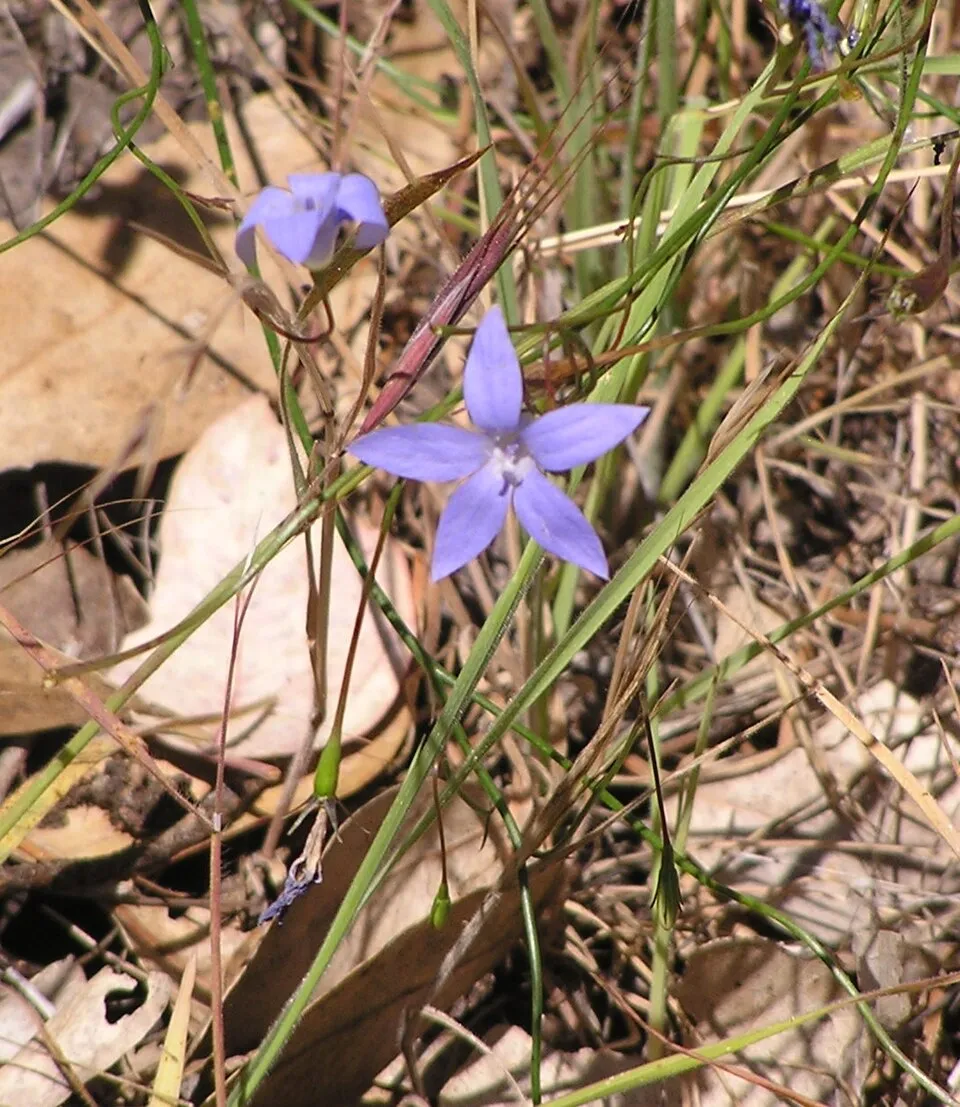
Wahlenbergia stricta, widely recognized as the 'Tall Bluebell' or 'Austral Bluebell', is a graceful indigenous perennial herb native to Australia, belonging to the Campanulaceae family. Its scientific epithet, 'stricta', derived from Latin, aptly signifies its characteristic upright or straight growth habit. This resilient plant thrives across a diverse range of Australian ecosystems, including sun-drenched grasslands, open woodlands, heathlands, and even anthropogenically disturbed sites, underscoring its remarkable adaptability to various soil types and environmental conditions. Botanically, Wahlenbergia stricta typically presents slender, erect stems that commonly reach heights of 30 to 70 centimeters, though some robust specimens can exceed a meter in stature.
The basal leaves are often broader and more varied in shape, ranging from linear to spatulate, while the leaves along the stem are generally smaller, linear, and arranged alternately. The most captivating feature of the Tall Bluebell is undoubtedly its delicate, bell-shaped flowers, which exhibit hues from sky-blue to vibrant violet-blue. These exquisite blooms typically appear during the warmer months, transforming native landscapes into a striking display of color. The flowers are either solitary or clustered in loose cymes, each distinguished by five prominent lobes.
Following pollination, the plant produces a small, capsule-like fruit that encases numerous minute seeds. Ecologically, Wahlenbergia stricta plays a crucial role within its native habitats, serving as a vital food source for an array of native insects, including various bee species and butterflies, thereby contributing significantly to essential pollination dynamics. Its inherent ability to flourish in nutrient-poor soils and disturbed areas also positions it as an important pioneer species in ecological restoration initiatives.
Trusted Scientific References
1. Authoritative external sources for Wahlenbergia stricta
1.1 Wikipedia — Wahlenbergia stricta
1.2 Kew POWO (Plants of the World Online)
1.3 PubMed — peer-reviewed research
1.4 NCBI Taxonomy Browser
1.5 GBIF — Global Biodiversity
1.1.Wahlenbergia Stricta — Key Features
- ✓Native Australian Perennial — Indigenous to diverse Australian landscapes.
- ✓Upright Growth Habit — Characterized by slender, erect stems (Latin 'stricta').
- ✓Delicate Blue Flowers — Bell-shaped blooms, sky-blue to violet-blue, prominent in warmer months.
- ✓Adaptable and Resilient — Thrives in various soils, including disturbed sites.
- ✓Ecological Importance — Food source for native insects, supporting pollination.
- ✓Aboriginal Traditional Use — Anecdotal use for digestive and skin conditions (various native bluebells).
- ✓Potential Anti — inflammatory — Indicated by research on related Wahlenbergia species.
- ✓Potential Wound Healing — Suggested by traditional uses and studies on related species.
- ✓Rich in Phytochemicals — Contains flavonoids, saponins, and phenolic acids (based on related species).
- ✓Low Maintenance Plant — Easy to cultivate in appropriate conditions.
1.2.Wahlenbergia Stricta — Concise Overview
- ✓Wahlenbergia stricta is an iconic Australian native bluebell with a significant ecological role.
- ✓Traditionally used by Aboriginal communities for general well-being, including digestive and skin support.
- ✓Research on related species like Wahlenbergia marginata suggests potential anti-inflammatory, wound healing, and digestive benefits.
- ✓Contains phytochemicals such as flavonoids, saponins, and phenolic acids, which contribute to its potential therapeutic actions.
- ✓Generally considered safe for external use, but internal use requires caution and professional guidance, especially during pregnancy or with medications.
- ✓A versatile plant with ornamental value and emerging scientific interest in its medicinal potential.
2.Wahlenbergia Stricta — Taxonomic Classification
3.Wahlenbergia Stricta — Botanical Stats
4.Wahlenbergia Stricta — Structural Profile
5.Wahlenbergia Stricta — Geographic Distribution
6.Wahlenbergia Stricta — Cultural & Traditional Roles
7.Wahlenbergia Stricta — Bioactive Constituents
- ✓The specific comprehensive phytochemical profile of Wahlenbergia stricta is an area of ongoing scientific exploration. However, insights from closely related species, particularly Wahlenbergia marginata, provide a strong indication of the classes of compounds likely present and their potential bioactivities.
- ✓Flavonoids — Compounds like quercetin-3-O-rhamnoside and various kaempferol derivatives are found in related species, known for their potent antioxidant and anti-inflammatory properties, protecting cells from oxidative damage.
- ✓Triterpenoid Saponins — Unique glycosides identified in related Wahlenbergia species are thought to modulate immune responses and may contribute to enhanced nutrient absorption and tissue repair, particularly when applied topically.
- ✓Phenolic Acids — Caffeic acid and ferulic acid are present in related species, acting as significant free-radical scavengers, which contribute to the plant's overall antioxidant capacity.
- ✓Alkaloid Traces — Minor concentrations of alkaloids have been detected in related Wahlenbergia species, potentially contributing to mild analgesic or other subtle pharmacological effects.
- ✓Glycosides — Beyond saponins, other glycosidic compounds may be present, influencing various physiological processes through their interaction with cellular receptors.
- ✓Polysaccharides — These complex carbohydrates could contribute to the plant's immunomodulatory properties and general cellular support, often found in mucilaginous plants.
- ✓Volatile Compounds — While less documented, some Wahlenbergia species may contain essential oils or volatile organic compounds that contribute to their aroma and potentially offer antimicrobial or insect-repellent properties.
- ✓Sterols — Plant sterols are generally present in herbaceous plants and may contribute to anti-inflammatory or cholesterol-modulating effects, though specific data for Wahlenbergia stricta is limited.
8.Wahlenbergia Stricta — What Research Suggests
- ✓While direct comprehensive research on Wahlenbergia stricta's medicinal properties is emerging, traditional Aboriginal communities across Australia have anecdotally utilized various native bluebells, including Wahlenbergia species, for general ailments, such as digestive support and skin conditions.
- ✓Anti-inflammatory Action — Research on related species like Wahlenbergia marginata suggests potential anti-inflammatory benefits, possibly due to flavonoids and saponins, which may help alleviate joint discomfort and reduce inflammatory responses.
- ✓Wound Healing Support — Analogous to traditional applications of related Wahlenbergia species, W. stricta may possess properties that aid in epithelial repair and collagen formation, promoting faster healing of minor wounds and abrasions.
- ✓Digestive Aid — Anecdotal traditional uses for Wahlenbergia stricta, alongside insights from related Wahlenbergia species, point to its potential as a mild bitter, stimulating gastric secretions to support digestion and alleviate sluggish bowels.
- ✓Skin Health Enhancement — Extracts from related Wahlenbergia species have shown promise in improving symptoms of skin conditions like eczema, potentially by reducing itchiness and redness through antioxidant and anti-inflammatory effects.
- ✓Immunomodulation — Studies on Wahlenbergia marginata indicate that its saponins might boost macrophage activity, suggesting a role in enhancing immune defense against common seasonal ailments.
- ✓Antioxidant Activity — Phytochemicals such as flavonoids and phenolic acids, present in related Wahlenbergia species, are known for their free-radical scavenging capabilities, contributing to cellular protection against oxidative stress.
- ✓Mild Analgesic Effects — Trace alkaloids identified in related Wahlenbergia species could contribute to mild pain-relieving properties, traditionally used for discomfort associated with minor injuries or muscle aches.
- ✓Blood Purification (Traditional) — Historically, some related Wahlenbergia species were used in traditional tonics for what was perceived as 'blood purification', suggesting a detoxifying or systemic cleansing effect.
8.1.Wahlenbergia Stricta — Reported Uses
9.Wahlenbergia Stricta — Precautions & Warnings
9.1.Wahlenbergia Stricta — Reported Side Effects
- ✓While generally considered safe in traditional use, potential side effects, primarily observed in studies on related Wahlenbergia species like W. marginata, should be noted.
- ✓Gastrointestinal Upset — High oral doses, particularly of saponin-rich preparations, may lead to mild nausea, abdominal discomfort, or diarrhea.
- ✓Skin Irritation — Topical application as a poultice or cream may cause localized skin irritation or contact dermatitis in individuals with sensitive skin.
- ✓Hypotensive Effects — In susceptible individuals or when combined with blood pressure-lowering medications, related species have shown potential for mild hypotensive effects.
- ✓Allergic Reactions — As with any plant material, allergic reactions such as rash, itching, or swelling are possible, though rare.
- ✓Diuretic Effects — Some compounds may possess mild diuretic properties, potentially increasing urine output.
- ✓Sedation (Mild) — Anecdotal reports for some bluebell species suggest a very mild calming or sedative effect in high doses, though not clinically established.
9.2.Wahlenbergia Stricta — Safety Overview
- ✓Contraindications and safety considerations for Wahlenbergia stricta, largely derived from research on related species such as Wahlenbergia marginata, are important for responsible use.
- ✓Pregnancy and Breastfeeding — Insufficient human safety data; it is best to avoid use or consult a healthcare professional for minimal, professionally guided use.
- ✓Bleeding Disorders — Flavonoids present in related species may potentially alter platelet aggregation, thus caution is advised for individuals with bleeding disorders or those on anticoagulant medications.
- ✓Autoimmune Conditions — Immune-modulating saponins found in related species could theoretically exacerbate flare-ups in autoimmune conditions like lupus or rheumatoid arthritis; consult a physician.
- ✓Medication Interactions — Individuals on prescribed medications, especially blood thinners, diuretics, or antihypertensives, should seek medical clearance due to potential interactions.
- ✓Surgical Procedures — Discontinue use at least two weeks prior to scheduled surgery due to potential effects on blood clotting.
- ✓Children and Infants — Due to lack of specific safety data, use is not recommended for children and infants without expert medical supervision.
- ✓Patch Testing — Always perform a patch test for topical applications to rule out skin sensitivity or allergic reactions.
10.Wahlenbergia Stricta — How to Use
- ✓Based on traditional anecdotal uses for Wahlenbergia stricta and documented methods for related Wahlenbergia species, various preparations can be considered.
- ✓Decoction (Kasaya) — Prepare by simmering 5–10g of dried aerial parts in 250ml water, reducing to 50–75ml, and consuming twice daily for digestive support.
- ✓Herbal Infusion (Tea) — Steep 1-2 teaspoons of dried leaves and flowers in hot water for 10-15 minutes; traditionally used as a mild tonic.
- ✓Topical Poultice — Crush fresh leaves and stems and apply directly to minor skin irritations, bruises, or joint areas, securing with a clean cloth for up to two hours.
- ✓Powder (Churna) — Dry and grind aerial parts into a fine powder; 1–2g can be mixed with warm water or honey, taken once or twice daily for internal benefits.
- ✓Tincture — Macerate fresh or dried plant material in an alcohol-based solvent to extract active compounds; dosage typically determined by a qualified herbalist.
- ✓Infused Oil — Gently heat fresh plant material in a carrier oil (e.g., olive oil) to create a topical oil for massage on sore muscles or skin conditions.
- ✓Capsules — For standardized extracts (often from related species), 300–500mg capsules taken twice daily may be used, ensuring professional guidance.
11.Wahlenbergia Stricta — Growth Requirements
- ✓Soil Preference — Thrives in well-drained, slightly acidic to neutral soils, adaptable to poor or disturbed sites.
- ✓Light Requirement — Prefers full sun to partial shade, with abundant flowering in brighter conditions.
- ✓Watering — Drought-tolerant once established, requiring minimal water; avoid overwatering to prevent root rot.
- ✓Propagation — Easily propagated from seeds, which can be sown in autumn or spring, or via division of established clumps.
- ✓Spacing — Plant seedlings 15-30 cm apart to allow for mature spread and airflow.
- ✓Maintenance — Low maintenance; deadhead spent flowers to encourage further blooming and prevent excessive self-seeding.
- ✓Climate Zone — Suited to temperate and subtropical climates, tolerating a range of conditions common in its native Australia.
- ✓Pest and Disease — Generally robust, with few significant pest or disease issues, though slugs and snails may target young growth.
Reviewed by the Flora Medical Global Botanical Review Panel
Multi-disciplinary editorial group · Botany · Ethnobotany · Herbal-medicine literature
Who reviewed this: This page was checked by the Flora Medical Global Botanical Review Panel — an in-house editorial group of botany graduates, ethnobotany researchers, and horticulture practitioners who collectively maintain our 7,000+ plant encyclopedia. Meet the team.
Our 4-step verification process
1. Taxonomic verification
Scientific names and synonyms cross-checked against Kew POWO, World Flora Online, and The Plant List.
2. Phytochemical & medicinal cross-reference
Active compounds, traditional uses, and reported activities are cross-referenced with PubMed, USDA Dr. Duke's database, and peer-reviewed ethnobotanical literature.
3. Conservation & distribution check
Distribution, ecology, and conservation status confirmed against GBIF occurrence records and the IUCN Red List.
4. Editorial & safety review
Every entry passes an editorial pass for clarity, originality, and safety notices (toxicity, contraindications, dosage caveats) before publication.
Last reviewed:
Important medical disclaimer: This content is for educational and research purposes only. It is not medical advice and is not a substitute for consultation with a licensed healthcare provider. Do not use any herb to self-treat a medical condition without professional guidance.
Editorial Note: This page is for educational and research purposes only and is not medical advice.
Written by: Flora Medical Global Editorial Team
Reviewed by: Flora Medical Global Botanical Review Panel
Last Updated: June 15, 2026





Wahlenbergia Stricta — Comments & Community Reviews
Rate this plant