
Medical Disclaimer: This content is for educational purposes only. It is not medical advice. Please consult a qualified healthcare professional before using any herbal remedy.
Safety Overview
1.Walnut Tree — Plant Snapshot
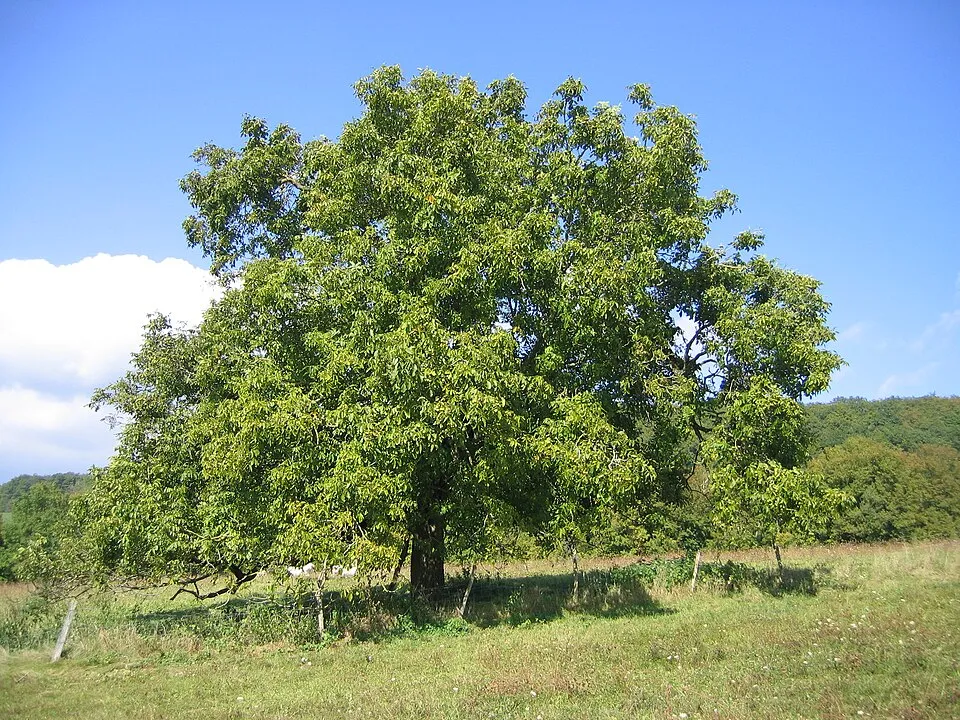
The Walnut Tree, scientifically known as Juglans regia and a member of the Juglandaceae family, is a majestic deciduous tree native to a vast region spanning the Balkan Peninsula, Central Asia, and the Himalayas. This species is highly valued globally not only for its superior timber and ornamental beauty but also, most famously, for its nutritious nuts. Growing up to 35 meters in height, Juglans regia develops a broad, spreading crown that offers significant shade.
Its distinctive bark transitions from a smooth, silvery-grey in youth to a deeply fissured texture with age. The leaves are pinnately compound, characterized by their aromatic quality and a striking transformation to golden-yellow hues in autumn. The tree produces large, spherical fruits encased in a thick, green husk.
Upon ripening, this husk naturally splits open to reveal the hard-shelled walnut, which is a prized culinary ingredient and a powerhouse of nutrients. Beyond the edible nuts, various parts of the walnut tree, including its leaves, bark, and green husks, have a rich history of traditional use in medicine and for natural dyeing. Notably, Juglans regia exhibits allelopathic properties due to the compound juglone, though typically in lower concentrations compared to its relative, the black walnut.
Trusted Scientific References
1. Authoritative external sources for Juglans regia
1.1 Wikipedia — Juglans regia
1.2 Kew POWO (Plants of the World Online)
1.3 PubMed — peer-reviewed research
1.4 NCBI Taxonomy Browser
1.5 GBIF — Global Biodiversity
1.6Walnut Tree should be interpreted through verified botanical identity, practical care, and responsible safety language. This recovery note adds the missing context needed for a complete profile: match light to the plant's habit, use well-drained soil, water according to season, and avoid unsupported medicinal or edible claims. For publishing, the plant can be presented as a source-backed garden plant with clear care guidance, common problem diagnosis, and conservative safety wording.
1.1.Walnut Tree — Defining Traits
- ✓Large, deciduous tree — Large, deciduous tree reaching up to 35 meters with a broad crown.
- ✓Produces highly nutritious — Produces highly nutritious and economically significant edible nuts.
- ✓Exceptionally rich source of omega — 3 alpha-linolenic acid (ALA).
- ✓Contains a diverse — Contains a diverse array of potent antioxidants, including polyphenols and Vitamin E.
- ✓Traditional uses span — Traditional uses span across various cultures for its astringent, antiseptic, and dyeing properties.
- ✓All parts of the tree — nuts, leaves, bark, and green husks—hold medicinal or practical value.
- ✓Valued globally for its high — quality timber and ornamental appeal in landscapes.
- ✓Exhibits allelopathic properties — Exhibits allelopathic properties due to the natural production of juglone.
- ✓Thrives in temperate — Thrives in temperate climates with full sun and deep, fertile, well-drained soils.
- ✓An important global — An important global agricultural crop and subject of ongoing phytopharmacological research.
1.2.Walnut Tree — Quick Summary
- ✓Juglans regia, the Walnut Tree, is a versatile species valued for its edible nuts, timber, and traditional medicinal uses.
- ✓Its nuts are a powerhouse of nutrition, rich in omega-3 fatty acids, antioxidants, and essential minerals.
- ✓Walnut leaves, bark, and green husks possess astringent, antiseptic, and anti-inflammatory properties for various health applications.
- ✓The plant supports cardiovascular, brain, and skin health, and has potential anti-cancer and blood sugar regulating effects.
- ✓Cultivation requires full sun, deep, well-drained soil, and temperate climates, with attention to specific pests and diseases.
- ✓Important safety considerations include potential nut allergies, interactions with medications, and skin irritation from fresh husks.
2.Walnut Tree — Scientific Profile
3.Walnut Tree — Botanical Stats
4.Walnut Tree — Structural Profile
5.Walnut Tree — Where It Grows
6.Walnut Tree — Historical Applications
7.Walnut Tree — Active Compounds
- ✓Phenolic Compounds — This category includes ellagitannins (e.g., tellimagrandin I and II), gallotannins, and various phenolic acids like gallic acid and caffeic acid, which are responsible for significant antioxidant, astringent, and anti-inflammatory activities.
- ✓Naphthoquinones — Juglone is the most prominent compound, found in leaves, bark, and green husks, known for its antimicrobial, antifungal, cytotoxic, and allelopathic properties.
- ✓Flavonoids — Key flavonoids such as quercetin, kaempferol, and myricetin contribute to the plant's antioxidant, anti-inflammatory, and cardioprotective effects.
- ✓Fatty Acids — Alpha-linolenic acid (ALA, an omega-3 fatty acid) is abundant in the nuts, alongside linoleic acid (omega-6) and oleic acid (omega-9), crucial for cardiovascular and neurological health.
- ✓Tocopherols — Alpha-tocopherol, a form of Vitamin E, acts as a potent lipid-soluble antioxidant, protecting cell membranes from oxidative damage.
- ✓Phytosterols — Compounds like beta-sitosterol and campesterol found in walnuts contribute to cholesterol-lowering effects by inhibiting its absorption in the gut.
- ✓Triterpenoids — Betulinic acid and related compounds are present, exhibiting anti-inflammatory, antiviral, and potential anticancer activities.
- ✓Melatonin — A natural hormone and powerful antioxidant found in walnuts, contributing to sleep regulation and cellular protection.
- ✓Vitamins — Juglans regia parts contain Vitamin C (ascorbic acid) for immune support and various B vitamins (e.g., folate, B6) essential for metabolic processes.
- ✓Minerals — Essential minerals such as manganese, copper, magnesium, phosphorus, and zinc are present, vital for bone health, enzyme function, and nerve transmission.
8.Walnut Tree — Research Insights
- ✓Antioxidant Support — Walnut tree parts, particularly the nuts and leaves, are rich in polyphenols and Vitamin E, which effectively combat oxidative stress and protect cellular integrity from free radical damage.
- ✓Cardiovascular Health — The high content of omega-3 fatty acids (alpha-linolenic acid), phytosterols, and antioxidants in walnuts contributes to lowering LDL ('bad') cholesterol, improving blood vessel elasticity, and supporting overall heart function.
- ✓Neuroprotective Properties — Regular consumption of walnuts has been linked to enhanced brain health, improved cognitive function, and a reduced risk of age-related cognitive decline, attributed to their unique blend of omega-3s, antioxidants, and anti-inflammatory compounds.
- ✓Anti-inflammatory Action — Ellagitannins and flavonoids found in Juglans regia exhibit potent anti-inflammatory effects, helping to mitigate systemic inflammation and associated chronic conditions.
- ✓Antiseptic and Astringent — Extracts from walnut leaves and green husks, rich in tannins, act as powerful astringents and antiseptics, making them traditionally useful for treating minor skin inflammations, superficial wounds, and as a gargle for sore throats.
- ✓Anticancer Potential — Research suggests that compounds like juglone, ellagitannins, and flavonoids in walnuts may possess chemopreventive properties, inhibiting cancer cell proliferation and inducing apoptosis in various cancer lines.
- ✓Digestive Aid — The dietary fiber in walnut nuts promotes healthy digestion and supports a balanced gut microbiome, while tannins from leaves and husks can have a mild anti-diarrheal effect.
- ✓Skin and Hair Health — Topical applications of walnut leaf extracts or oil can soothe skin irritations and contribute to a healthy complexion. Green husks are also historically used as a natural hair dye.
- ✓Blood Sugar Regulation — Walnuts' healthy fats, protein, and fiber content can help improve insulin sensitivity and stabilize blood sugar levels, making them beneficial for metabolic health.
- ✓Bone Health — Walnuts provide essential minerals such as copper, magnesium, and manganese, which are crucial cofactors for enzymes involved in bone formation and maintenance.
- ✓Immune System Boost — The presence of vitamins (e.g., Vitamin E, C) and minerals like zinc in walnuts supports a robust immune response and overall bodily resilience.
- ✓Sleep Improvement — Walnuts are a natural dietary source of melatonin, a hormone vital for regulating sleep-wake cycles, potentially aiding in better sleep quality.
8.1.Walnut Tree — Indications & Uses
9.Walnut Tree — Precautions & Warnings
9.1.Walnut Tree — Warnings
- ✓Allergic Reactions — Individuals with tree nut allergies must strictly avoid walnuts, as they can trigger severe allergic responses including anaphylaxis.
- ✓Digestive Upset — Due to their high fiber and fat content, excessive consumption of walnuts can cause gastrointestinal discomfort such as bloating, gas, or diarrhea in sensitive individuals.
- ✓Skin Irritation — Direct contact with the fresh green husks or sap can cause contact dermatitis or skin discoloration due to the presence of juglone.
- ✓Gastrointestinal Discomfort — Concentrated herbal extracts, if taken in high doses, may lead to nausea, stomach upset, or mild laxative effects.
- ✓Anticoagulant Interaction — The omega-3 fatty acids in walnuts may theoretically enhance the effects of anticoagulant medications, increasing the risk of bleeding.
- ✓Thyroid Function — Very high, prolonged consumption of raw walnuts might interfere with iodine absorption, potentially impacting thyroid function, though this is rare with typical intake.
- ✓Photosensitivity — In rare instances, topical application of concentrated walnut husk extracts has been associated with increased skin sensitivity to sunlight.
9.2.Walnut Tree — Risk Assessment
- ✓Allergy Alert — Juglans regia is a known allergen; individuals with tree nut allergies should avoid all parts of the plant, especially the nuts.
- ✓Pregnancy/Lactation — Pregnant or breastfeeding women should exercise caution and consult a healthcare professional before using walnut herbal preparations due to limited safety data on concentrated forms.
- ✓Medication Interactions — Individuals on anticoagulant therapy, antidiabetic drugs, or thyroid medications should consult their doctor before using walnut supplements due to potential interactions.
- ✓Topical Use — Avoid prolonged direct skin contact with fresh green walnut husks or sap to prevent irritation and staining; use processed or diluted forms for topical applications.
- ✓Children — Walnuts in moderation are generally safe for children without nut allergies; however, concentrated herbal preparations should be avoided unless under medical supervision.
- ✓Dosage — Adhere strictly to recommended dosages for walnut herbal supplements, as excessive intake of any plant part can lead to adverse effects.
- ✓Purity — Ensure that any walnut-derived products are sourced from reputable suppliers and tested for purity, free from contaminants or adulterants.
10.Walnut Tree — Application Forms
- ✓Culinary Use — The nuts are widely consumed raw, roasted, or incorporated into various culinary preparations such as salads, baked goods, desserts, and as a source of cold-pressed oil.
- ✓Leaf Infusion/Decoction — Dried walnut leaves can be steeped in hot water to create an infusion or decoction, traditionally used as an astringent gargle for sore throats or as a topical wash for minor skin irritations.
- ✓Green Husk Tincture/Extract — A tincture or hydroalcoholic extract made from the fresh green husks is employed for its antiseptic, antifungal, and sometimes antiparasitic properties, often used externally.
- ✓Bark Decoction — The bark, particularly from younger branches, can be boiled to produce a decoction historically used internally for digestive complaints or externally for skin ailments.
- ✓Walnut Oil — Cold-pressed from the nuts, walnut oil is valued in cuisine for its distinct flavor, and in cosmetics for its moisturizing and nourishing properties for skin and hair.
- ✓Topical Poultices — Crushed fresh leaves or husks can be prepared as a poultice and applied directly to minor wounds, insect bites, or inflammatory skin conditions for their soothing and healing effects.
- ✓Hair Dye — The green husks of walnuts have long been utilized as a natural dye, producing rich brown tones for hair and textiles.
- ✓Dietary Supplement — Standardized extracts of walnut leaf or husk powder are available in capsule or tablet form, offering concentrated benefits for specific health concerns.
11.Walnut Tree — Growth Requirements
- ✓Sun Exposure — English walnut trees require full sun exposure, meaning at least six hours of direct sunlight daily for optimal growth and nut production.
- ✓Soil Requirements — They thrive in deep, fertile, well-drained loamy soils with a slightly acidic to neutral pH range of 6.0 to 6.5.
- ✓Watering — Newly planted trees need consistent weekly watering throughout their first two growing seasons, especially during spring and summer; established trees benefit from biweekly irrigation.
- ✓Temperature and Humidity — Juglans regia prefers cooler, temperate climates and is hardy in USDA zones 3-7, generally avoiding hot and excessively humid conditions.
- ✓Fertilization — Annual application of a slow-release, high-nitrogen fertilizer in the spring helps support vigorous growth and nut yield.
- ✓Propagation — While young trees are the easiest starting point, propagation from seed requires a cold stratification period of 90-120 days to mimic winter conditions.
- ✓Pruning — Annual winter pruning is recommended to establish a strong central leader, encourage a rounded crown, and remove any dead, diseased, or weak branches.
- ✓Pest and Disease Management — Watch for the walnut husk fly, which can be managed with landscape fabric and prompt nut removal, and the serious fungal disease 'thousand cankers' spread by the walnut twig beetle.
Reviewed by the Flora Medical Global Botanical Review Panel
Multi-disciplinary editorial group · Botany · Ethnobotany · Herbal-medicine literature
Who reviewed this: This page was checked by the Flora Medical Global Botanical Review Panel — an in-house editorial group of botany graduates, ethnobotany researchers, and horticulture practitioners who collectively maintain our 7,000+ plant encyclopedia. Meet the team.
Our 4-step verification process
1. Taxonomic verification
Scientific names and synonyms cross-checked against Kew POWO, World Flora Online, and The Plant List.
2. Phytochemical & medicinal cross-reference
Active compounds, traditional uses, and reported activities are cross-referenced with PubMed, USDA Dr. Duke's database, and peer-reviewed ethnobotanical literature.
3. Conservation & distribution check
Distribution, ecology, and conservation status confirmed against GBIF occurrence records and the IUCN Red List.
4. Editorial & safety review
Every entry passes an editorial pass for clarity, originality, and safety notices (toxicity, contraindications, dosage caveats) before publication.
Last reviewed:
Important medical disclaimer: This content is for educational and research purposes only. It is not medical advice and is not a substitute for consultation with a licensed healthcare provider. Do not use any herb to self-treat a medical condition without professional guidance.
Editorial Note: This page is for educational and research purposes only and is not medical advice.
Written by: Flora Medical Global Editorial Team
Reviewed by: Flora Medical Global Botanical Review Panel
Last Updated: June 15, 2026






Walnut Tree — Comments & Community Reviews
Rate this plant