
Medical Disclaimer: This content is for educational purposes only. It is not medical advice. Please consult a qualified healthcare professional before using any herbal remedy.
Safety Overview
1.Warburgia — Essential Profile
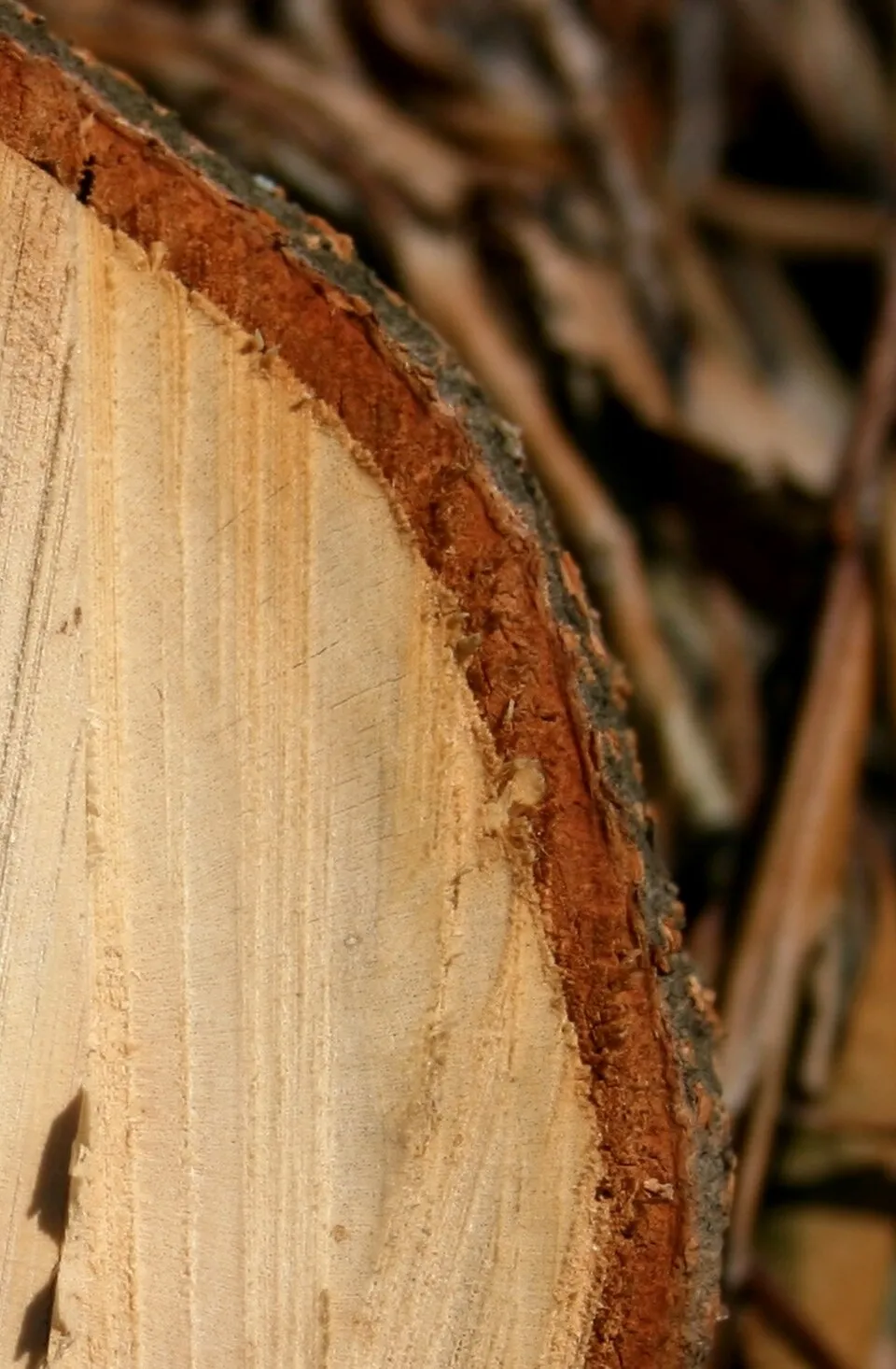
Warburgia salutaris, widely recognized as the Pepper Bark Tree, is a distinguished evergreen tree belonging to the botanical family Canellaceae. This species can attain impressive heights of up to 30 meters, characterized by a notably straight, cylindrical trunk adorned with smooth, brown-gray bark that naturally peels away in slender strips. Its leaves are lanceolate, typically measuring between 4 to 12 centimeters in length and 1 to 3 centimeters in width, featuring a glossy green upper surface and a distinct, prominent midrib.
The tree produces subtle yellowish-green flowers, which emerge in axillary clusters, generally blooming from December to March. These blossoms subsequently give way to small, woody capsules that encase dark-brown seeds. Warburgia salutaris is indigenous to the tropical and subtropical forests spanning Eastern and Southern Africa, thriving particularly in regions with well-drained, loamy soils and environments that offer moderate to high humidity.
It is frequently encountered in countries such as Tanzania, Mozambique, South Africa, Zimbabwe, and Malawi, where it prefers the shaded understory beneath larger canopy trees, often found in montane forests at elevations ranging from 900 to 2,000 meters. Taxonomically, Warburgia salutaris is classified within the order Canellales, an ancient lineage of magnoliids celebrated for their rich essential oils and significant medicinal properties. The presence of potent drimane sesquiterpenes within its bark is responsible for its characteristic aromatic qualities and its pronounced, pungent, peppery taste.
Trusted Scientific References
1. Authoritative external sources for Warburgia salutaris
1.1 Wikipedia — Warburgia salutaris
1.2 Kew POWO (Plants of the World Online)
1.3 PubMed — peer-reviewed research
1.4 NCBI Taxonomy Browser
1.5 GBIF — Global Biodiversity
1.6Warburgia should be interpreted through verified botanical identity, practical care, and responsible safety language. This recovery note adds the missing context needed for a complete profile: match light to the plant's habit, use well-drained soil, water according to season, and avoid unsupported medicinal or edible claims. For publishing, the plant can be presented as a source-backed medicinal plant with clear care guidance, common problem diagnosis, and conservative safety wording.
1.1.Warburgia — Distinguishing Points
- ✓Botanical Name — Warburgia salutaris, commonly known as the Pepper Bark Tree.
- ✓Family — Belongs to the Canellaceae family, renowned for its aromatic plant species.
- ✓Native Region — Indigenous to the tropical and subtropical forests of Eastern and Southern Africa.
- ✓Distinctive Bark — Features smooth, brown-gray bark that peels in strips, emitting a characteristic pungent, peppery aroma.
- ✓Key Compounds — Rich in potent drimane sesquiterpenoids such as Muzigadial, Polygodial, and Warburganal.
- ✓Traditional Uses — Possesses an extensive history in African traditional medicine for treating respiratory, digestive, and inflammatory conditions.
- ✓Antimicrobial Power — Scientific studies have confirmed its demonstrated efficacy against a range of bacteria and fungi.
- ✓Conservation Status — Historically subjected to overharvesting, necessitating stringent sustainable collection practices for its survival.
- ✓Therapeutic Versatility — Applied for a wide spectrum of conditions, from malarial fevers to maintaining oral hygiene.
- ✓Evergreen Tree — Characterized as a small to medium-sized evergreen tree or shrub.
1.2.Warburgia — Concise Overview
- ✓Potent Antimicrobial — Warburgia salutaris is highly valued for its strong antimicrobial compounds, notably drimane sesquiterpenes like muzigadial.
- ✓Respiratory Health — It is traditionally and scientifically recognized for its efficacy in alleviating coughs, bronchitis, and other respiratory complaints.
- ✓Anti-inflammatory Action — The herb contains warburganal, which contributes significantly to its anti-inflammatory properties, making it useful for various ailments.
- ✓African Traditional Medicine — Deeply embedded in the traditional pharmacopeias of Tswana, Zulu, and other Eastern/Southern African cultures for centuries.
- ✓Sustainable Sourcing — Ethical harvesting practices are essential to protect this historically overharvested species and ensure its future availability.
- ✓Caution Advised — Not recommended for pregnant women or individuals on specific medications without prior consultation with a healthcare professional.
2.Warburgia — Scientific Identity
3.Warburgia — Key Data
4.Warburgia — Botanical Features
5.Warburgia — Native Range & Habitat
6.Warburgia — Traditional Uses
7.Warburgia — Phytochemistry
- ✓Sesquiterpenoids — The bark is particularly rich in powerful drimane sesquiterpenes, which are the primary active compounds responsible for many of its medicinal properties, including its distinct pungent taste and aroma.
- ✓Muzigadial — A prominent sesquiterpenoid dialdehyde, this compound is known for its robust antimicrobial action, specifically inhibiting bacterial cell walls and disrupting fungal biofilms by impairing microbial adhesion.
- ✓Polygodial — Another significant sesquiterpenoid, polygodial contributes to the plant's antifeedant and antiseptic properties, effectively disrupting fungal membranes through its reactive dialdehyde groups.
- ✓Warburganal — This sesquiterpenoid is crucial for the plant's anti-inflammatory effects, acting by modulating cyclooxygenase (COX) pathways and subsequently reducing the levels of prostaglandin E2.
- ✓Flavonoids — These polyphenolic compounds are present in Warburgia salutaris and offer valuable antioxidant support, actively scavenging free radicals and contributing to overall cellular protection.
- ✓Tannins — Astringent by nature, tannins in the bark aid in binding toxins within the digestive tract, providing beneficial digestive support and contributing to its anti-diarrheal properties.
- ✓Essential Oils — The distinctive aromatic qualities and pungent, peppery taste of the bark are largely attributed to the presence of various essential oils, which also possess antiseptic properties.
- ✓Sterols — Plant sterols are found, playing a role in cell membrane structure and potentially contributing to the plant's overall biological activities, though less studied than the sesquiterpenoids.
8.Warburgia — Pharmacological Findings
- ✓Antimicrobial Action — Warburgia salutaris bark extracts have demonstrated potent activity against various pathogens, inhibiting bacterial cell walls and fungal biofilms, including Staphylococcus aureus and Candida albicans, primarily due to muzigadial and polygodial.
- ✓Respiratory Support — Traditional decoctions are highly valued for their ability to ease bronchial spasms, alleviate coughs, and provide symptomatic relief for acute bronchitis and flu-like conditions, consistent with its smooth muscle relaxant properties.
- ✓Anti-inflammatory Properties — The presence of warburganal contributes to significant anti-inflammatory effects by modulating COX pathways and reducing prostaglandin E2 levels, offering relief from rheumatism and general inflammation.
- ✓Antimalarial Adjunct — In vitro studies suggest that when combined with other extracts, Warburgia salutaris can lower parasitemia, though it is not recommended as a standalone treatment for malaria.
- ✓Oral Health Improvement — Chewing small slivers of the bark is a traditional practice to freshen breath and reduce gingivitis, leveraging its natural antiseptic qualities to improve overall oral hygiene.
- ✓Digestive Aid — The tannins present in the bark help to bind toxins, making decoctions effective in soothing mild diarrhea and stomach cramps, providing gentle relief for gastrointestinal discomfort.
- ✓Immune System Support — Historically used as a general tonic, Warburgia salutaris is believed to bolster the body’s natural defenses, supporting overall immune system function against various infections.
- ✓Skin Infection Treatment — Its broad-spectrum antimicrobial activity makes it a traditional remedy for various skin infections, often applied topically in poultices or concentrated tinctures.
- ✓Pain Relief — Beyond inflammation, the herb has been traditionally employed to alleviate pain associated with conditions such as pleurisy and general body aches, contributing to comfort.
- ✓Insect Repellent — Ethnobotanical knowledge from indigenous communities suggests that the plant’s strong aromatic compounds also lend themselves to its use as a natural insect repellent.
8.1.Warburgia — Therapeutic Indications
9.Warburgia — Cautions & Contraindications
9.1.Warburgia — Warnings
- ✓Gastrointestinal Upset — Mild stomach discomfort, nausea, or indigestion may occur, particularly with higher doses or when taken on an empty stomach.
- ✓Headaches — Occasional headaches have been reported as an adverse effect, especially if the dosage is too high.
- ✓Skin Irritation — Rare instances of localized skin irritation or rash may develop following the topical application of concentrated tinctures.
- ✓Bleeding Risk — There is a potential to potentiate anti-inflammatory effects when combined with NSAIDs, which could theoretically increase bleeding risk due to warburganal's mild platelet effects.
- ✓Gastric Aggravation — Individuals with peptic ulcers should exercise caution as the tannins in the bark may aggravate the gastric lining.
- ✓Allergic Reactions — As with any herbal product, rare allergic reactions, presenting as skin rashes or itching, are possible in sensitive individuals.
9.2.Warburgia — Risk Assessment
- ✓Pregnancy and Lactation — Warburgia salutaris is contraindicated during pregnancy and lactation due to insufficient safety data and a lack of teratogenicity studies; high doses should be strictly avoided.
- ✓Children — For children under 12 years of age, the adult dosage should be reduced by half, and use should be closely monitored; professional consultation is strongly recommended.
- ✓Drug Interactions — Patients currently on anticoagulants or NSAIDs must consult a healthcare professional before use due to potential interactions and an increased risk of bleeding.
- ✓Pre-existing Conditions — Individuals with peptic ulcers or other chronic medical conditions should only use Warburgia salutaris under the direct supervision of a qualified herbalist or medical provider.
- ✓Discontinue Use — Should unusual symptoms such as persistent dizziness, severe stomach pain, or a widespread rash occur, discontinue use immediately and seek prompt medical advice.
- ✓Professional Guidance — Always seek personalized guidance from qualified Ayurvedic professionals or medical practitioners, especially if you are taking multiple prescription medications.
10.Warburgia — Usage Guide
- ✓Decoction — To prepare, simmer 1–2 grams of dried Warburgia salutaris bark in 200 mL of water for 10 minutes; this decoction is typically consumed twice daily for coughs and mild infections.
- ✓Powdered Form — The dried bark can be finely ground into a powder, often encapsulated in 500 mg doses, to be taken up to three times daily with warm water, preferably after meals to minimize gastrointestinal discomfort.
- ✓Tincture — A common preparation involves a 1:5 ratio of bark to 60% ethanol; 10–15 drops of this tincture are diluted in water and taken three times daily for immune support.
- ✓Chewing Sticks — Small slivers of fresh bark are briefly chewed to alleviate oral thrush or bad breath, a practice used once or twice per day for oral hygiene.
- ✓Steam Inhalation — For respiratory relief, bark powder can be infused into hot water, and the resulting steam inhaled, particularly beneficial for easing asthma or bronchial symptoms.
- ✓Topical Application — Concentrated tinctures or poultices made from the bark may be applied topically for skin infections, though it is advised to use with caution due to potential irritation.
- ✓Traditional Combinations — In traditional African pharmacopeias, the bark is often combined with roots of Hypoxis hemerocallidea or leaves of Cryptolepis sanguinolenta to amplify its antimicrobial effects.
11.Warburgia — How to Grow
- ✓Climate Preference — Warburgia salutaris thrives in tropical and subtropical regions, specifically favoring montane forests at elevations of 900–2,000 meters.
- ✓Soil Requirements — It requires well-drained, loamy soils to flourish, ensuring proper root development and nutrient absorption.
- ✓Humidity and Rainfall — Optimal growth is achieved with moderate to high humidity levels and an annual rainfall of 800–1,200 mm.
- ✓Light Conditions — The tree prefers shaded environments, often growing as an understory plant beneath larger canopy trees.
- ✓Propagation — While it can be propagated from seeds, which may have slow germination, vegetative propagation methods are also being explored for efficiency.
- ✓Sustainable Harvesting — To ensure the longevity of the species, traditional and modern guidelines recommend removing only 30% of the bark circumference per tree to prevent girdling.
- ✓Conservation Efforts — Due to historical overharvesting, community-driven conservation initiatives and adherence to sustainable bark-harvesting guidelines are critical for its survival.
Reviewed by the Flora Medical Global Botanical Review Panel
Multi-disciplinary editorial group · Botany · Ethnobotany · Herbal-medicine literature
Who reviewed this: This page was checked by the Flora Medical Global Botanical Review Panel — an in-house editorial group of botany graduates, ethnobotany researchers, and horticulture practitioners who collectively maintain our 7,000+ plant encyclopedia. Meet the team.
Our 4-step verification process
1. Taxonomic verification
Scientific names and synonyms cross-checked against Kew POWO, World Flora Online, and The Plant List.
2. Phytochemical & medicinal cross-reference
Active compounds, traditional uses, and reported activities are cross-referenced with PubMed, USDA Dr. Duke's database, and peer-reviewed ethnobotanical literature.
3. Conservation & distribution check
Distribution, ecology, and conservation status confirmed against GBIF occurrence records and the IUCN Red List.
4. Editorial & safety review
Every entry passes an editorial pass for clarity, originality, and safety notices (toxicity, contraindications, dosage caveats) before publication.
Last reviewed:
Important medical disclaimer: This content is for educational and research purposes only. It is not medical advice and is not a substitute for consultation with a licensed healthcare provider. Do not use any herb to self-treat a medical condition without professional guidance.
Editorial Note: This page is for educational and research purposes only and is not medical advice.
Written by: Flora Medical Global Editorial Team
Reviewed by: Flora Medical Global Botanical Review Panel
Last Updated: June 15, 2026





Warburgia — Comments & Community Reviews
Rate this plant