

Medical Disclaimer: This content is for educational purposes only. It is not medical advice. Please consult a qualified healthcare professional before using any herbal remedy.
Safety Overview
1.Whale Fin Snake Plant — Plant Snapshot
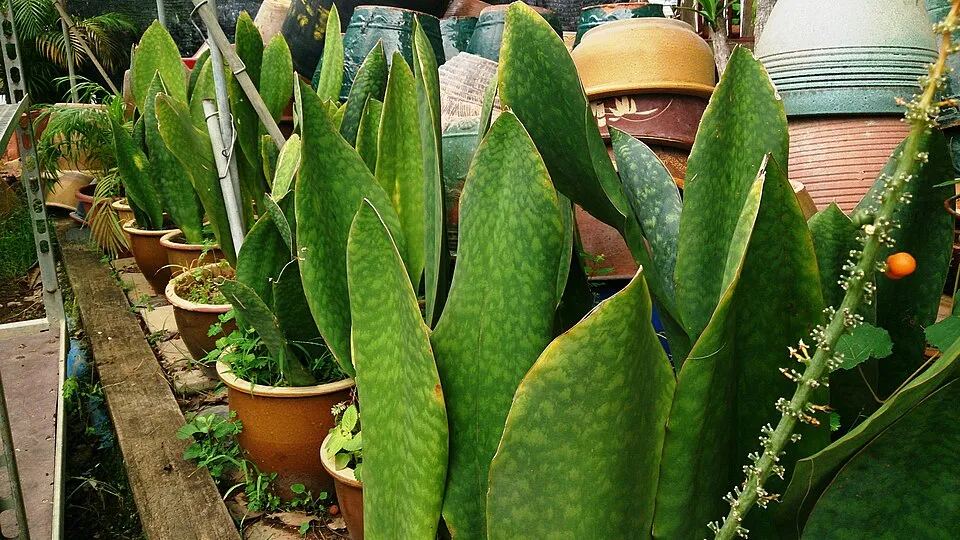
The Whale Fin Snake Plant, scientifically known as Dracaena masoniana, is a distinctive and highly sought-after perennial succulent belonging to the family Asparagaceae. This unique botanical specimen is celebrated for its singular, broad, paddle-like leaves that strikingly resemble the fin of a whale, hence its evocative common name. Typically reaching an indoor height of 1 to 3 feet, its leaves can grow impressively large, often extending up to 3 feet in length and 8 inches in width, displaying an alluring mosaic of deep and light green bands with a subtly wavy edge.
Native to the warm, humid regions of Central Africa, particularly thriving in areas with well-draining soils, Dracaena masoniana is renowned for its resilience and adaptability. Historically classified within the genus Sansevieria, recent phylogenetic studies have reclassified it into Dracaena, highlighting its close genetic relationship with other popular species like Dracaena trifasciata. While it rarely flowers in indoor settings, when it does, it produces inconspicuous, small, tubular white blossoms that are typically overshadowed by the plant's magnificent foliage.
Its robust nature, combined with its aesthetic appeal and air-purifying capabilities, makes Dracaena masoniana a favored choice for enhancing indoor environments in homes and offices.
Trusted Scientific References
1. Authoritative external sources for Dracaena masoniana
1.1 Wikipedia — Dracaena masoniana
1.2 Kew POWO (Plants of the World Online)
1.3 PubMed — peer-reviewed research
1.4 NCBI Taxonomy Browser
1.5 GBIF — Global Biodiversity
1.6Whale Fin Snake Plant should be interpreted through verified botanical identity, practical care, and responsible safety language. This recovery note adds the missing context needed for a complete profile: match light to the plant's habit, use well-drained soil, water according to season, and avoid unsupported medicinal or edible claims. For publishing, the plant can be presented as a source-backed indoor plant with clear care guidance, common problem diagnosis, and conservative safety wording.
1.1.Whale Fin Snake Plant — Standout Qualities
- ✓Unique 'Whale Fin' Foliage — Characterized by single, wide, paddle-shaped leaves.
- ✓Striking Variegation — Features attractive bands of deep and light green hues.
- ✓Crassulacean Acid Metabolism (CAM) — Performs photosynthesis at night, releasing oxygen.
- ✓Exceptional Air Purification — Filters out various volatile organic compounds (VOCs).
- ✓Drought Tolerant — Highly resilient to dry conditions, requiring infrequent watering.
- ✓Low Light Adaptability — Can thrive in less-than-ideal lighting conditions.
- ✓Architectural Plant Form — Adds a modern, sculptural element to indoor decor.
- ✓Slow Growing — Maintains its shape and size for extended periods.
- ✓Rhizomatous Growth — Spreads via underground rhizomes, forming clumps.
- ✓Tropical Perennial — Long-lived plant native to warm climates.
1.2.Whale Fin Snake Plant — In Brief
- ✓Distinctive Appearance — Features broad, paddle-like leaves resembling a whale fin.
- ✓Excellent Air Purifier — Effectively removes common indoor air toxins like formaldehyde and benzene.
- ✓Night Oxygen Release — Unique CAM photosynthesis provides oxygen during nighttime hours.
- ✓Low Maintenance — Thrives on neglect, making it ideal for beginners and busy individuals.
- ✓Mildly Toxic — Contains saponins, causing gastrointestinal upset if ingested by humans or pets.
- ✓Central African Origin — Native to warm, humid regions, preferring well-draining soils.
2.Whale Fin Snake Plant — Scientific Profile
3.Whale Fin Snake Plant — Quick Facts
4.Whale Fin Snake Plant — Plant Morphology
5.Whale Fin Snake Plant — Habitat & Distribution
6.Whale Fin Snake Plant — Cultural & Traditional Roles
7.Whale Fin Snake Plant — Secondary Metabolites
- ✓Saponins — These triterpenoid glycosides, notably dracogenic acid, are the primary active compounds in Dracaena masoniana, responsible for its mild toxicity if ingested and potentially contributing to its defense mechanisms.
- ✓Flavonoids — A diverse group of polyphenolic compounds present, known for their antioxidant, anti-inflammatory, and free-radical scavenging properties, supporting overall plant health and potentially contributing to air purification mechanisms.
- ✓Polysaccharides — Complex carbohydrates found in the plant's tissues, playing roles in structural support, energy storage, and potentially interacting with environmental elements.
- ✓Phenolic Acids — Simple phenolic compounds that contribute to the plant's defense against pathogens and oxidative stress, possessing mild antioxidant activity.
- ✓Steroidal Glycosides — A class of compounds similar to saponins, which may also contribute to the plant's chemical defense and have potential biological activities.
- ✓Organic Acids — Various organic acids are involved in the plant's metabolic processes, including the unique CAM photosynthesis pathway.
- ✓Waxes and Cuticular Lipids — Found on the leaf surface, these compounds form a protective barrier, reducing water loss and interacting with atmospheric gases and particles.
- ✓Phytosterols — Plant sterols that are structural components of cell membranes and may have mild anti-inflammatory properties.
8.Whale Fin Snake Plant — Modern Studies
- ✓Air Purification — Dracaena masoniana is highly effective at removing common indoor air pollutants such as formaldehyde, benzene, xylene, and trichloroethylene, significantly improving indoor air quality.
- ✓Nighttime Oxygen Release — Unlike most plants, the Whale Fin Snake Plant utilizes Crassulacean Acid Metabolism (CAM) to release oxygen at night, making it ideal for bedrooms and enclosed spaces to enhance respiratory comfort.
- ✓Reduction of VOCs — Its leaves efficiently absorb volatile organic compounds (VOCs) that off-gas from furniture, carpets, and cleaning products, contributing to a healthier living environment.
- ✓Improved Sleep Quality — By releasing oxygen and filtering pollutants throughout the night, the plant can indirectly promote better sleep by ensuring a supply of cleaner, fresher air.
- ✓Enhanced Relaxation — Aesthetically pleasing and known for its air-purifying qualities, Dracaena masoniana contributes to a serene and healthful atmosphere, potentially reducing stress and enhancing relaxation.
- ✓Humidity Regulation — While not a primary function, larger specimens can contribute to maintaining optimal indoor humidity levels, which can alleviate issues related to dry air.
- ✓Traditional Fiber Source — Historically, certain Dracaena species (formerly Sansevieria) were used as 'viper's bowstring hemp,' providing strong plant fibers for ropes and bowstrings, showcasing a traditional utility beyond ornamental value.
- ✓Low Maintenance Therapeutic Value — Its easy-care nature makes it accessible to a wide audience, providing the therapeutic benefits of plant care without demanding extensive time or expertise, fostering a sense of accomplishment and connection to nature.
8.1.Whale Fin Snake Plant — Reported Uses
9.Whale Fin Snake Plant — Adverse Effects
9.1.Whale Fin Snake Plant — Warnings
- ✓Oral Toxicity (Humans) — Ingestion of Dracaena masoniana plant material can cause mild gastrointestinal upset, including nausea, vomiting, and diarrhea, due to the presence of saponins.
- ✓Oral Toxicity (Pets) — It is considered mildly toxic to cats and dogs; ingestion can lead to symptoms such as vomiting, diarrhea, lethargy, and loss of appetite.
- ✓Skin Irritation — Direct contact with plant sap is generally mild but may cause minor skin irritation in sensitive individuals.
- ✓Allergic Reactions — Rare instances of allergic reactions, though generally mild, might occur in highly sensitive individuals upon contact or inhalation of plant particles.
- ✓Choking Hazard — For small children or pets, larger pieces of ingested leaves could pose a choking hazard, regardless of chemical toxicity.
- ✓Overwatering-Induced Root Rot — While a plant issue, overwatering is a common 'side effect' of improper care, leading to plant death and loss of its benefits.
9.2.Whale Fin Snake Plant — Toxicity Assessment
- ✓Keep Out of Reach — Always place Dracaena masoniana where it is inaccessible to curious pets and small children to prevent accidental ingestion.
- ✓Avoid Ingestion — Advise against any internal consumption of the plant or its parts due to the presence of saponins, which can cause gastrointestinal distress.
- ✓Wash Hands After Handling — Practice good hygiene by washing hands thoroughly after handling the plant, especially if there are cuts or open wounds.
- ✓Inform Veterinarian — If a pet ingests any part of the plant and shows symptoms, contact a veterinarian immediately, providing the plant's scientific name.
- ✓No Medicinal Ingestion — Emphasize that Dracaena masoniana is primarily an ornamental and air-purifying plant, not intended for medicinal internal use.
- ✓Monitor for Sensitivity — Individuals with known plant sensitivities should exercise caution when handling the plant and observe for any signs of irritation.
10.Whale Fin Snake Plant — Preparation & Dosage
- ✓Indoor Air Purification — Place Dracaena masoniana in living spaces, bedrooms, or offices to leverage its natural ability to filter common indoor air pollutants and release oxygen at night.
- ✓Ornamental Display — Utilize its striking, architectural foliage as a focal point in interior design, adding a touch of modern elegance to any room.
- ✓Low-Maintenance Decor — Incorporate it into busy environments where consistent plant care might be challenging, as it thrives on neglect and requires minimal attention.
- ✓Enhancing Sleep Environments — Position the plant near bedsides to benefit from its unique nighttime oxygen release, potentially improving air quality for better sleep.
- ✓Biophilic Design Element — Integrate it into biophilic design concepts to connect occupants with nature, promoting well-being and productivity in indoor settings.
- ✓Traditional Fiber Extraction — While not a common modern practice for this specific species, historically, related Dracaena plants were processed to extract strong fibers for textiles and ropes.
- ✓Classroom or Office Plant — Its resilience and air-purifying properties make it an excellent choice for educational or professional environments to foster a healthier atmosphere.
11.Whale Fin Snake Plant — Propagation & Care
- ✓Light Requirements — Provide bright, indirect light; direct sunlight can scorch the distinctive leaves of Dracaena masoniana.
- ✓Watering Schedule — Water sparingly, allowing the soil to dry out completely between waterings to prevent root rot, which this plant is highly susceptible to.
- ✓Soil Mix — Use a well-draining potting mix, ideally a succulent or cactus blend, to ensure proper aeration and prevent waterlogging.
- ✓Temperature and Humidity — Maintain average room temperatures (65-80°F or 18-27°C) and moderate humidity; avoid cold drafts.
- ✓Propagation — Propagate Whale Fin Snake Plant by leaf cuttings (though variegation may be lost) or by dividing its rhizomes for best results.
- ✓Fertilization — Fertilize minimally during the growing season (spring and summer) with a balanced liquid fertilizer diluted to half strength, typically once every 2-4 months.
- ✓Potting — Repot only when root-bound, usually every 2-3 years, ensuring the new pot has adequate drainage holes.
Reviewed by the Flora Medical Global Botanical Review Panel
Multi-disciplinary editorial group · Botany · Ethnobotany · Herbal-medicine literature
Who reviewed this: This page was checked by the Flora Medical Global Botanical Review Panel — an in-house editorial group of botany graduates, ethnobotany researchers, and horticulture practitioners who collectively maintain our 7,000+ plant encyclopedia. Meet the team.
Our 4-step verification process
1. Taxonomic verification
Scientific names and synonyms cross-checked against Kew POWO, World Flora Online, and The Plant List.
2. Phytochemical & medicinal cross-reference
Active compounds, traditional uses, and reported activities are cross-referenced with PubMed, USDA Dr. Duke's database, and peer-reviewed ethnobotanical literature.
3. Conservation & distribution check
Distribution, ecology, and conservation status confirmed against GBIF occurrence records and the IUCN Red List.
4. Editorial & safety review
Every entry passes an editorial pass for clarity, originality, and safety notices (toxicity, contraindications, dosage caveats) before publication.
Last reviewed:
Important medical disclaimer: This content is for educational and research purposes only. It is not medical advice and is not a substitute for consultation with a licensed healthcare provider. Do not use any herb to self-treat a medical condition without professional guidance.
Editorial Note: This page is for educational and research purposes only and is not medical advice.
Written by: Flora Medical Global Editorial Team
Reviewed by: Flora Medical Global Botanical Review Panel
Last Updated: June 15, 2026





Whale Fin Snake Plant — Comments & Community Reviews
Rate this plant