
Medical Disclaimer: This content is for educational purposes only. It is not medical advice. Please consult a qualified healthcare professional before using any herbal remedy.
Safety Overview
1.White Bird of Paradise — Plant Snapshot
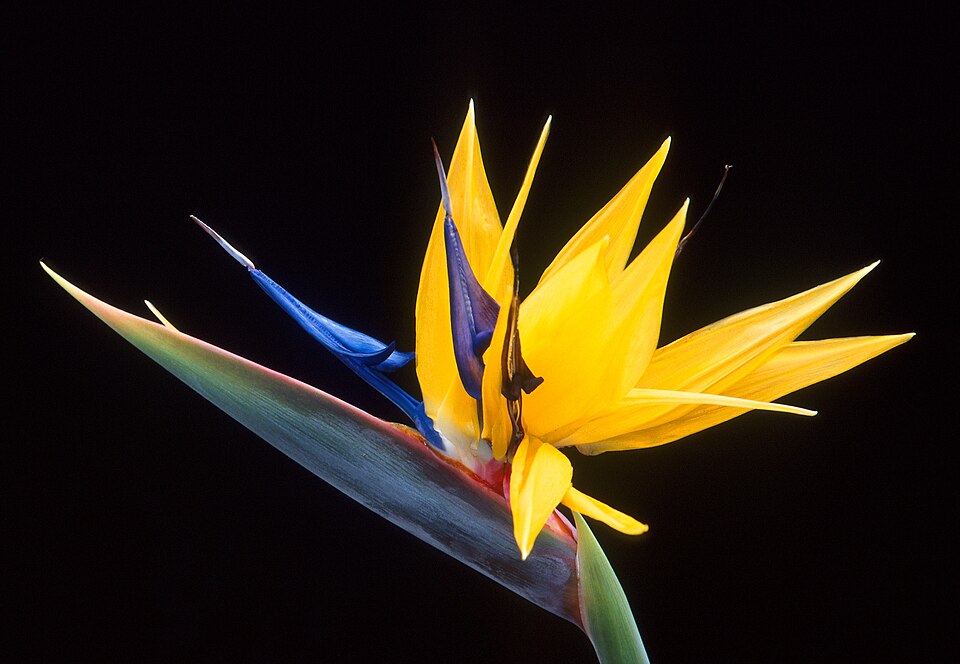
Strelitzia nicolai, commonly known as White Bird of Paradise, is a majestic tropical perennial renowned for its striking architectural form and lush foliage. Native to the coastal regions of South Africa, particularly KwaZulu-Natal, this member of the Strelitziaceae family can attain impressive heights, often reaching 3 to 5 feet indoors and significantly taller in its natural outdoor habitat. Its distinctive leaves are large, paddle-shaped, and deeply green, growing up to 3 feet long and 1 foot wide, arranged in an elegant, fan-like pattern that creates a dramatic visual impact.
While primarily celebrated for its foliage, mature plants may produce exotic, bird-like flowers featuring pristine white sepals and a blue 'tongue' or petal, often with hints of orange, though indoor flowering is a rare and cherished event. The stout, upright stems are smooth and green in their youth, developing a slightly textured bark with age. Taxonomically, Strelitzia nicolai is closely related to the vibrant Strelitzia reginae (Orange Bird of Paradise) and other species within its unique family.
Beyond its ornamental appeal, this plant is increasingly valued for its contribution to indoor air quality, effectively filtering common airborne toxins and enhancing the overall well-being of its environment.
Trusted Scientific References
1. Authoritative external sources for Strelitzia nicolai
1.1 Wikipedia — Strelitzia nicolai
1.2 Kew POWO (Plants of the World Online)
1.3 PubMed — peer-reviewed research
1.4 NCBI Taxonomy Browser
1.5 GBIF — Global Biodiversity
1.6White Bird of Paradise should be interpreted through verified botanical identity, practical care, and responsible safety language. This recovery note adds the missing context needed for a complete profile: match light to the plant's habit, use well-drained soil, water according to season, and avoid unsupported medicinal or edible claims. For publishing, the plant can be presented as a source-backed indoor plant with clear care guidance, common problem diagnosis, and conservative safety wording.
1.1.White Bird of Paradise — Key Features
- ✓Botanical Name — Strelitzia nicolai
- ✓Common Name — White Bird of Paradise
- ✓Family — Strelitziaceae
- ✓Origin — South Africa
- ✓Foliage — Large, deep green, paddle-shaped leaves arranged in a distinctive fan pattern.
- ✓Flowers — Exotic white and blue bird-like blooms (rare indoors).
- ✓Growth Habit — Tall, upright perennial, reaching 3-5 feet indoors, much larger outdoors.
- ✓Air Purification — Effectively filters indoor air, removing common toxins like formaldehyde.
- ✓Unique Constituent — Arils contain bilirubin, an animal pigment with antioxidant properties.
- ✓Research Interest — In vitro studies indicate potential anti-cancer activity of its aril extract.
1.2.White Bird of Paradise — Snapshot Summary
- ✓White Bird of Paradise (Strelitzia nicolai) is a striking tropical perennial known for its large, paddle-shaped leaves and exotic white flowers.
- ✓Native to South Africa, it thrives indoors with bright, indirect light, contributing significantly to aesthetic appeal and air quality.
- ✓Recent research highlights its aril extract, containing bilirubin, for potent antioxidant and promising in vitro anti-cancer properties against cervical cancer cells.
- ✓It is valued for its ability to purify indoor air by removing common toxins, enhancing overall environmental wellness.
- ✓While safe for humans as an ornamental plant, all parts are considered mildly toxic to pets if ingested, causing gastrointestinal upset.
- ✓This plant embodies both horticultural beauty and emerging scientific interest in its unique phytochemical profile.
2.White Bird of Paradise — Systematic Position
3.White Bird of Paradise — Botanical Stats
4.White Bird of Paradise — Plant Morphology
5.White Bird of Paradise — Where It Grows
6.White Bird of Paradise — Ethnobotanical Uses
7.White Bird of Paradise — Secondary Metabolites
- ✓Bilirubin — Uniquely found in the arils of Strelitzia nicolai, this animal-derived pigment acts as a potent antioxidant and has shown promising in vitro anti-cancer activity.
- ✓Flavonoids — A diverse group of polyphenolic compounds present in various plant parts, contributing significantly to the plant's antioxidant, anti-inflammatory, and potentially chemopreventive properties.
- ✓Phenolic Acids — Including compounds like caffeic acid and chlorogenic acid, these widely distributed plant constituents provide strong antioxidant effects and support cellular protection.
- ✓Carotenoids — Pigments responsible for some of the plant's coloration, also functioning as antioxidants and contributing to overall plant health and defense mechanisms.
- ✓Terpenoids — A broad class of organic compounds, some of which may contribute to the plant's defense against pests and pathogens, and possess diverse biological activities.
- ✓Alkaloids — While not extensively studied in Strelitzia nicolai, these nitrogen-containing compounds can have various physiological effects and are often associated with medicinal properties in other plants.
- ✓Saponins — Glycosides that can exhibit foam-forming properties, some with immunomodulatory or adaptogenic potential, though their specific role here is less defined.
- ✓Polysaccharides — Complex carbohydrates that contribute to plant structure and may possess immune-modulating activities if extracted and consumed.
- ✓Plant Sterols — Naturally occurring compounds structurally similar to cholesterol, found in plant cell membranes, offering potential benefits for cellular health.
8.White Bird of Paradise — Modern Studies
- ✓Antioxidant Support — The aril extract of Strelitzia nicolai, notably containing bilirubin, demonstrates potent antioxidant activity, helping to neutralize harmful free radicals and reduce oxidative stress in the body.
- ✓Potential Anti-cancer Activity — In vitro studies suggest that the aril extract may possess chemo-preventative properties, particularly showing efficacy against cervical cancer cells by inhibiting their proliferation.
- ✓Apoptosis Induction — Research indicates that the extract can induce apoptosis (programmed cell death) in cervical cancer cells (HeLa cells), suggesting a mechanism for its anti-cancer potential.
- ✓Cellular Protection — By acting as a robust antioxidant, the plant's compounds can protect cells from damage, which is crucial for maintaining overall cellular health and function.
- ✓Air Purification — As an indoor plant, Strelitzia nicolai is recognized for its ability to filter common indoor air pollutants such as formaldehyde, benzene, and xylene, contributing to healthier living spaces.
- ✓Stress Reduction — The presence of vibrant green plants like the White Bird of Paradise in living or working environments is linked to reducing psychological stress and promoting a sense of calm and well-being.
- ✓Mood Enhancement — Exposure to natural greenery can positively impact mood, alleviate feelings of anxiety, and foster a more positive emotional state, indirectly supporting mental health.
- ✓Environmental Wellness — Contributes to a holistic sense of health by creating a more visually appealing and cleaner indoor environment, which supports both physical and psychological comfort.
- ✓Immune System Modulation (Indirect) — A healthier environment with reduced toxins and lower stress levels can indirectly support a robust immune system function.
- ✓Anti-Inflammatory Potential — The antioxidant properties of its constituents may indirectly contribute to reducing inflammation by mitigating oxidative damage, a key factor in many inflammatory processes.
8.1.White Bird of Paradise — Reported Uses
9.White Bird of Paradise — Risk Profile
9.1.White Bird of Paradise — Warnings
- ✓Pet Toxicity — All parts of Strelitzia nicolai, especially the seeds and arils, are considered mildly toxic to cats and dogs, potentially causing gastrointestinal upset if ingested.
- ✓Skin Irritation — Direct contact with the sap may cause mild skin irritation or dermatitis in sensitive individuals.
- ✓Allergic Reactions — Although rare, individuals sensitive to plant pollen or specific plant compounds might experience allergic reactions upon exposure.
- ✓Ingestion Concerns — Not intended for human consumption; ingestion of plant parts may lead to mild digestive discomfort.
- ✓Digestive Upset — Accidental ingestion, particularly of seeds or raw plant material, can result in nausea, vomiting, or diarrhea.
- ✓Seed Toxicity — The seeds, while visually appealing, contain compounds that can be irritating to the digestive system if consumed.
9.2.White Bird of Paradise — Clinical Safety Notes
- ✓Human Safety — Strelitzia nicolai is generally considered safe for ornamental cultivation and contact; it is not intended for internal human consumption.
- ✓Pet Safety — Exercise caution; keep the plant out of reach of pets, especially cats and dogs, due to its mild toxicity if ingested.
- ✓Children — Supervise young children around the plant to prevent accidental ingestion of leaves, flowers, or seeds.
- ✓Allergic Sensitivity — Individuals with known plant allergies should handle the plant with care or wear gloves to avoid potential contact dermatitis.
- ✓Pregnancy and Lactation — Due to a lack of research on internal use, pregnant or lactating individuals should avoid ingesting any part of the plant.
- ✓Topical Application — While extracts are studied, direct topical application of raw plant material is not recommended without proper processing and patch testing.
- ✓Environmental Impact — Non-invasive in most non-tropical climates when grown indoors; minimal ecological risk when managed responsibly.
10.White Bird of Paradise — How to Use
- ✓Ornamental Display — Primarily cultivated as a striking decorative plant for homes, offices, and tropical gardens due to its unique foliage and exotic flowers.
- ✓Indoor Air Purification — Positioned in living spaces to naturally filter airborne toxins like formaldehyde, benzene, and xylene, thereby improving indoor air quality.
- ✓Horticultural Therapy — Utilized in therapeutic settings to promote mental well-being, reduce stress, and enhance cognitive function through interaction with nature.
- ✓Research Extracts — Aril extracts are prepared for scientific investigation into their antioxidant, anti-inflammatory, and potential anti-cancer properties, particularly focusing on bilirubin content.
- ✓Seed Collection for Propagation — Seeds encased in their vibrant orange arils are collected for propagating new plants, maintaining genetic stock, or for further phytochemical analysis.
- ✓Environmental Enhancement — Integrated into interior design schemes to create lush, biophilic environments that foster a sense of calm and connection to nature.
- ✓Aesthetic Appeal — Used to add a tropical, architectural element to landscapes and interior designs, enhancing visual appeal and contributing to a serene atmosphere.
11.White Bird of Paradise — Growing Guide
- ✓Light Requirements — Prefers bright, indirect light; direct harsh sunlight can scorch leaves, while insufficient light may hinder growth and flowering.
- ✓Watering Schedule — Water thoroughly when the top 2-3 inches of soil feel dry; allow excess water to drain to prevent root rot, especially during cooler months.
- ✓Soil Preference — Thrives in well-draining, rich potting mix, ideally a blend of peat, perlite, and pine bark to ensure good aeration and moisture retention.
- ✓Temperature and Humidity — Best grown in warm conditions, between 65-80°F (18-27°C), with moderate to high humidity; misting can be beneficial, especially indoors.
- ✓Fertilization — Feed with a balanced liquid fertilizer every 2-4 weeks during the growing season (spring and summer) and reduce frequency in fall and winter.
- ✓Pruning — Remove dead or yellowing leaves at the base to maintain plant health and appearance; spent flower stalks should also be cut back.
- ✓Propagation — Primarily propagated by division of rhizomes or from seeds, though seed germination can be slow and erratic.
- ✓Pest Control — Generally resistant, but monitor for common pests like spider mites, mealybugs, and scale insects; treat with insecticidal soap or neem oil if detected.
Reviewed by the Flora Medical Global Botanical Review Panel
Multi-disciplinary editorial group · Botany · Ethnobotany · Herbal-medicine literature
Who reviewed this: This page was checked by the Flora Medical Global Botanical Review Panel — an in-house editorial group of botany graduates, ethnobotany researchers, and horticulture practitioners who collectively maintain our 7,000+ plant encyclopedia. Meet the team.
Our 4-step verification process
1. Taxonomic verification
Scientific names and synonyms cross-checked against Kew POWO, World Flora Online, and The Plant List.
2. Phytochemical & medicinal cross-reference
Active compounds, traditional uses, and reported activities are cross-referenced with PubMed, USDA Dr. Duke's database, and peer-reviewed ethnobotanical literature.
3. Conservation & distribution check
Distribution, ecology, and conservation status confirmed against GBIF occurrence records and the IUCN Red List.
4. Editorial & safety review
Every entry passes an editorial pass for clarity, originality, and safety notices (toxicity, contraindications, dosage caveats) before publication.
Last reviewed:
Important medical disclaimer: This content is for educational and research purposes only. It is not medical advice and is not a substitute for consultation with a licensed healthcare provider. Do not use any herb to self-treat a medical condition without professional guidance.
Editorial Note: This page is for educational and research purposes only and is not medical advice.
Written by: Flora Medical Global Editorial Team
Reviewed by: Flora Medical Global Botanical Review Panel
Last Updated: June 15, 2026





White Bird of Paradise — Comments & Community Reviews
Rate this plant