
Medical Disclaimer: This content is for educational purposes only. It is not medical advice. Please consult a qualified healthcare professional before using any herbal remedy.
Safety Overview
1.White Hellebore — Essential Profile
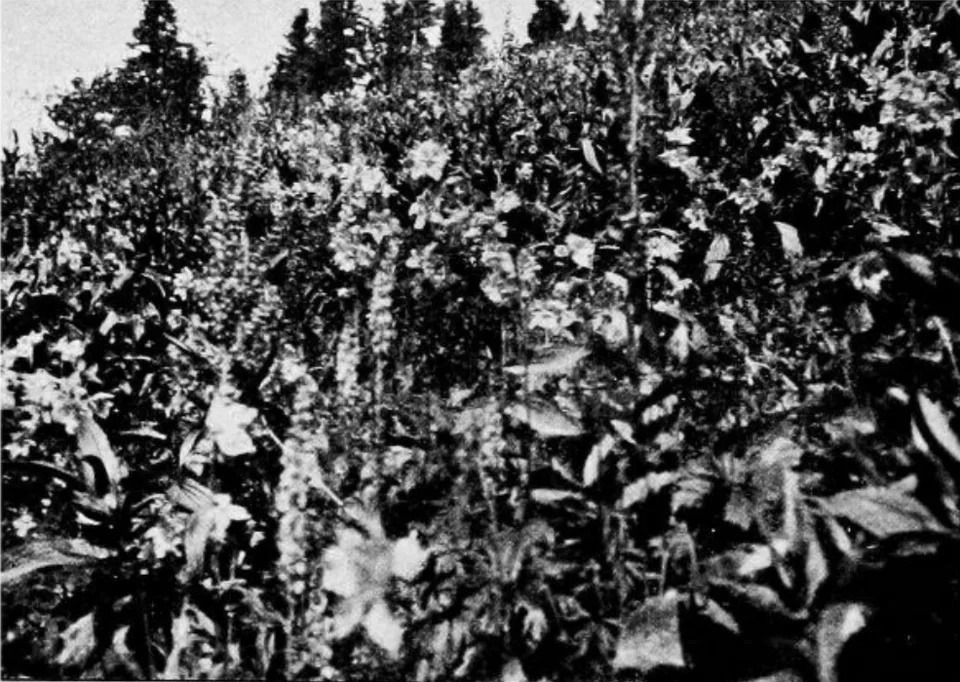
White Hellebore, scientifically known as Veratrum album, is a striking perennial herbaceous plant native to the mountainous regions and wet meadows of Europe and Northern Asia. It typically reaches impressive heights of 60 to 150 cm, sometimes even up to 2.5 meters, characterized by robust, upright stems that can occasionally display a purplish hue. Its large, prominent leaves are lanceolate to broadly ovate, glossy dark green, and deeply pleated with distinctive parallel veins, growing up to 30 cm long and 10 cm wide, especially the lower leaves.
The plant flowers between May and July, producing greenish-yellow to white, star-shaped flowers arranged in dense, terminal panicles. Each flower possesses six tepals, giving it a unique appearance. Beneath the soil, it develops a thick, fleshy rhizome that anchors its sturdy structure.
Veratrum album thrives in rich, moist, well-drained soils and prefers cooler climates. Belonging to the family Melanthiaceae, this species is critically recognized for its potent alkaloid content, making all parts of the plant highly poisonous and a significant toxicological concern.
Trusted Scientific References
1. Authoritative external sources for Veratrum album
1.1 Wikipedia — Veratrum album
1.2 Kew POWO (Plants of the World Online)
1.3 PubMed — peer-reviewed research
1.4 NCBI Taxonomy Browser
1.5 GBIF — Global Biodiversity
1.6White Hellebore should be interpreted through verified botanical identity, practical care, and responsible safety language. This recovery note adds the missing context needed for a complete profile: match light to the plant's habit, use well-drained soil, water according to season, and avoid unsupported medicinal or edible claims. For publishing, the plant can be presented as a source-backed medicinal plant with clear care guidance, common problem diagnosis, and conservative safety wording.
1.7White Hellebore (Veratrum album) is maintained in this recovery file as a complete medicinal profile with practical care, safety, and identification context. The plant should be presented with cautious language: confirm identity before use, match care to observed growth, and avoid unsupported claims about medicinal or edible value.
1.1.White Hellebore — Highlights
- ✓Highly Toxic Plant — All parts of Veratrum album are extremely poisonous.
- ✓Potent Alkaloid Content — Rich in cardiotoxic and neurotoxic steroidal alkaloids.
- ✓Striking Morphology — Tall, robust plant with large, pleated, glossy green leaves.
- ✓European and Asian Native — Thrives in mountainous, moist meadows.
- ✓Historical Medicinal Misuse — Used traditionally despite high toxicity and fatality rates.
- ✓Cardiovascular and Neurological Effects — Primary targets of its toxic action.
- ✓Risk of Misidentification — Frequently mistaken for edible wild plants, leading to accidental poisoning.
- ✓No Safe Therapeutic Dose — The margin between therapeutic and lethal dose is extremely narrow, making it unsafe.
- ✓Homeopathic Application — Only safe use is in ultra-diluted homeopathic preparations, lacking conventional scientific evidence.
- ✓Environmental Indicator — Often found in pristine, nutrient-rich soil environments.
1.2.White Hellebore — Snapshot Summary
- ✓White Hellebore (Veratrum album) is a highly toxic plant, all parts are poisonous.
- ✓Contains potent steroidal alkaloids like veratrine and protoveratrine.
- ✓Historically used in folk medicine, but with severe adverse effects and often fatal outcomes.
- ✓Causes severe gastrointestinal, cardiovascular, and neurological toxicity upon ingestion or skin absorption.
- ✓Absolutely contraindicated for internal use and caution is advised even for external contact.
- ✓Modern medicine and toxicology strongly warn against any therapeutic use due to extreme danger.
2.White Hellebore — Botanical Identity
3.White Hellebore — Vital Statistics
4.White Hellebore — Physical Description
5.White Hellebore — Native Range & Habitat
6.White Hellebore — Heritage Uses
7.White Hellebore — Key Phytochemicals
- ✓Steroidal Alkaloids — The primary active and highly toxic compounds, including veratrine, protoveratrine A and B, germitrine, and jervine, which exert profound cardiotoxic and neurotoxic effects by interfering with voltage-gated sodium channels.
- ✓Flavonoids — Various flavonoid glycosides are present, contributing to antioxidant potential in vitro, though their therapeutic relevance in the context of Veratrum album's toxicity is negligible.
- ✓Terpenoids — A range of terpenoid compounds can be found, but their specific pharmacological contributions are overshadowed by the plant's alkaloid content.
- ✓Phenolic Acids — Compounds like caffeic acid and ferulic acid are present, known for antioxidant and anti-inflammatory properties, yet not sufficient to mitigate the plant's overall toxicity.
- ✓Glycosides — Various glycosidic compounds, including some with cardiac activity, contribute to the complex pharmacology of the plant.
- ✓Resins — Present in the rhizome, these can contribute to the plant's physical properties and might contain minor bioactive compounds.
- ✓Tannins — Astringent compounds found in plant tissues, which have general antioxidant and antimicrobial properties, but are not the primary drivers of Veratrum album's effects.
- ✓Saponins — These soap-like compounds may contribute to digestive irritation and absorption of other compounds, though they are secondary to the steroidal alkaloids in toxicity.
- ✓Polysaccharides — Complex carbohydrates that form part of the plant's structural and storage components, with no known direct medicinal activity relevant to Veratrum album's potent effects.
8.White Hellebore — Evidence-Based Benefits
- ✓Historical Antihypertensive Exploration — Traditionally, Veratrum album was investigated for its potent ability to lower blood pressure, acting on the cardiovascular system; however, its extremely narrow therapeutic window and severe cardiotoxicity rendered it unsafe for clinical use.
- ✓Historical Parasiticide Use — Extracts were historically applied externally as a potent insecticide and parasiticide, particularly against lice and scabies, due to its neurotoxic alkaloids.
- ✓Traditional Emetic Action — In ancient medicine, it was used as a violent emetic to induce vomiting, believed to purge the body of toxins, though this practice was highly dangerous.
- ✓Historical Gout Management — Some traditional texts mention its use as a substitute for colchicum in treating gout, aiming to reduce inflammation and pain; however, its toxicity far outweighed any potential benefit.
- ✓Traditional Topical Treatment for Skin Lesions — Historically, diluted preparations were cautiously applied externally to treat certain herpetic lesions and other skin conditions, though absorption through the skin posed significant risks.
- ✓Folk Remedy for Fever — In some folk traditions, it was used in minute doses to break fevers, often with severe adverse reactions due to its systemic toxicity.
- ✓Veterinary External Use — Historically, it found limited external application in veterinary medicine for treating external parasites on livestock, always with extreme caution due to absorption risks.
- ✓Homeopathic Preparations — In highly diluted homeopathic preparations, Veratrum album is used for various symptoms like collapse, cold sweats, and vomiting, adhering to the principle of 'like cures like,' though scientific evidence for its efficacy in these dilutions is lacking and it still carries warnings.
- ✓Respiratory Distress Management (Historical) — Ancient physicians explored its use for severe respiratory conditions, believing it could stimulate breathing, but often resulting in respiratory paralysis due to its potent neurotoxic effects.
- ✓Pain Relief (Historical) — Due to its profound effects on the nervous system, it was historically experimented with for severe pain relief, though the risk of paralysis and death was extremely high.
- ✓Anti-inflammatory (Historical) — Some traditional uses suggest anti-inflammatory properties, but these were inseparable from its systemic toxic effects and were never safely harnessed.
8.1.White Hellebore — Therapeutic Indications
9.White Hellebore — Safety & Side Effects
9.1.White Hellebore — Reported Side Effects
- ✓Severe Gastrointestinal Distress — Includes violent vomiting, intense nausea, abdominal pain, and hypersalivation, often the first signs of poisoning.
- ✓Cardiovascular Collapse — Manifests as severe bradycardia (slow heart rate), profound hypotension (low blood pressure), and potentially atrioventricular block, leading to circulatory shock.
- ✓Neurological Impairment — Symptoms range from dizziness, headache, paresthesia (tingling/numbness), visual disturbances, and muscle weakness to paralysis and seizures.
- ✓Respiratory Depression — Can cause difficulty breathing, respiratory arrest, and ultimately death due to its neurotoxic effects on respiratory centers.
- ✓Loss of Consciousness and Coma — Progresses from confusion and disorientation to loss of consciousness and a comatose state.
- ✓Death — Ingestion of even small amounts can be fatal due to cardiac and respiratory failure.
- ✓Skin Absorption Toxicity — Contact with the skin can lead to absorption of toxic alkaloids, causing systemic poisoning.
9.2.White Hellebore — Toxicity Assessment
- ✓EXTREMELY POISONOUS — All parts of Veratrum album are highly toxic and ingestion can be fatal; it is not safe for human or animal consumption.
- ✓LIKELY UNSAFE FOR ORAL USE — Ingestion causes severe gastrointestinal, cardiovascular, and neurological toxicity, including death.
- ✓LIKELY UNSAFE FOR TOPICAL USE — Toxic chemicals can be absorbed through the skin, leading to systemic poisoning.
- ✓PREGNANCY AND BREASTFEEDING — Absolutely contraindicated during pregnancy and breastfeeding due to teratogenic effects and the risk of severe harm to the fetus or infant.
- ✓DRUG INTERACTIONS — While not well-documented, its potent cardiovascular effects suggest potential interactions with cardiac medications, blood pressure regulators, and central nervous system depressants.
- ✓CHILDREN AND VULNERABLE POPULATIONS — Particularly dangerous for children, the elderly, and individuals with pre-existing cardiovascular or neurological conditions, where even smaller doses can be lethal.
- ✓MISIDENTIFICATION RISK — Often mistaken for edible plants like wild garlic (Allium ursinum) or gentian species, leading to accidental, fatal poisonings.
10.White Hellebore — Preparation Methods
- ✓STRICTLY FOR EXTERNAL, NON-ABSORBABLE APPLICATIONS (HISTORICAL) — Historically, highly diluted preparations were used topically for parasites; however, absorption through the skin is a serious risk and modern use is strongly discouraged.
- ✓HOMEOPATHIC DILUTIONS — Veratrum album is utilized in ultra-diluted homeopathic remedies, where the original toxic substance is virtually absent, for specific symptom pictures; consult a qualified homeopath and understand it lacks conventional scientific efficacy.
- ✓RESEARCH PURPOSES ONLY — Due to its extreme toxicity, any handling or extraction of Veratrum album should be conducted exclusively in controlled laboratory settings by trained professionals for research into its isolated compounds.
- ✓ABSOLUTELY NO INTERNAL CONSUMPTION — All parts of White Hellebore are highly poisonous; ingestion can lead to severe cardiac and neurological symptoms, including death. It is NOT safe for teas, tinctures, or any form of internal consumption.
- ✓CAUTION WITH SKIN CONTACT — Even external application is hazardous; the plant's toxic alkaloids can be absorbed through the skin, causing systemic poisoning.
- ✓AVOID IN PREGNANCY/LACTATION — Due to its teratogenic and abortifacient potential, and the risk of systemic absorption, Veratrum album must be avoided by pregnant or breastfeeding individuals.
- ✓DISTINGUISH FROM EDIBLE PLANTS — Never forage for Veratrum album without expert botanical identification, as it can be easily mistaken for edible plants like wild garlic (Allium ursinum), leading to fatal poisoning.
- ✓ANIMAL REPELLENT (HISTORICAL EXTERNAL) — Historically used as an external repellent for some animals, its toxicity necessitates extreme caution to prevent accidental ingestion or skin absorption by animals or humans.
11.White Hellebore — Garden Cultivation
- ✓Habitat Mimicry — Replicate its natural environment by providing moist, rich, well-drained soil, often found in mountainous meadows.
- ✓Soil Requirements — Prefers loamy, humus-rich soil with a slightly acidic to neutral pH (6.0-7.0) for optimal growth.
- ✓Light Exposure — Thrives in partial shade, especially in warmer climates, but can tolerate full sun in cooler, moist conditions.
- ✓Water Needs — Requires consistent moisture; ensure regular watering, especially during dry periods, to prevent the soil from drying out.
- ✓Temperature Tolerance — Hardy in temperate climates, capable of withstanding cold winters, but sensitive to prolonged drought and excessive heat.
- ✓Propagation — Primarily propagated by seed, which can take a long time to germinate, or by division of its thick rhizomes in early spring or late autumn.
- ✓Pest and Disease Management — Generally robust, but monitor for common garden pests; good air circulation helps prevent fungal issues.
- ✓Growth Cycle — A slow-growing perennial that can take several years to establish and reach flowering maturity.
Reviewed by the Flora Medical Global Botanical Review Panel
Multi-disciplinary editorial group · Botany · Ethnobotany · Herbal-medicine literature
Who reviewed this: This page was checked by the Flora Medical Global Botanical Review Panel — an in-house editorial group of botany graduates, ethnobotany researchers, and horticulture practitioners who collectively maintain our 7,000+ plant encyclopedia. Meet the team.
Our 4-step verification process
1. Taxonomic verification
Scientific names and synonyms cross-checked against Kew POWO, World Flora Online, and The Plant List.
2. Phytochemical & medicinal cross-reference
Active compounds, traditional uses, and reported activities are cross-referenced with PubMed, USDA Dr. Duke's database, and peer-reviewed ethnobotanical literature.
3. Conservation & distribution check
Distribution, ecology, and conservation status confirmed against GBIF occurrence records and the IUCN Red List.
4. Editorial & safety review
Every entry passes an editorial pass for clarity, originality, and safety notices (toxicity, contraindications, dosage caveats) before publication.
Last reviewed:
Important medical disclaimer: This content is for educational and research purposes only. It is not medical advice and is not a substitute for consultation with a licensed healthcare provider. Do not use any herb to self-treat a medical condition without professional guidance.
Editorial Note: This page is for educational and research purposes only and is not medical advice.
Written by: Flora Medical Global Editorial Team
Reviewed by: Flora Medical Global Botanical Review Panel
Last Updated: June 15, 2026





White Hellebore — Comments & Community Reviews
Rate this plant