

Medical Disclaimer: This content is for educational purposes only. It is not medical advice. Please consult a qualified healthcare professional before using any herbal remedy.
Safety Overview
1.White Horehound — Introduction & Highlights
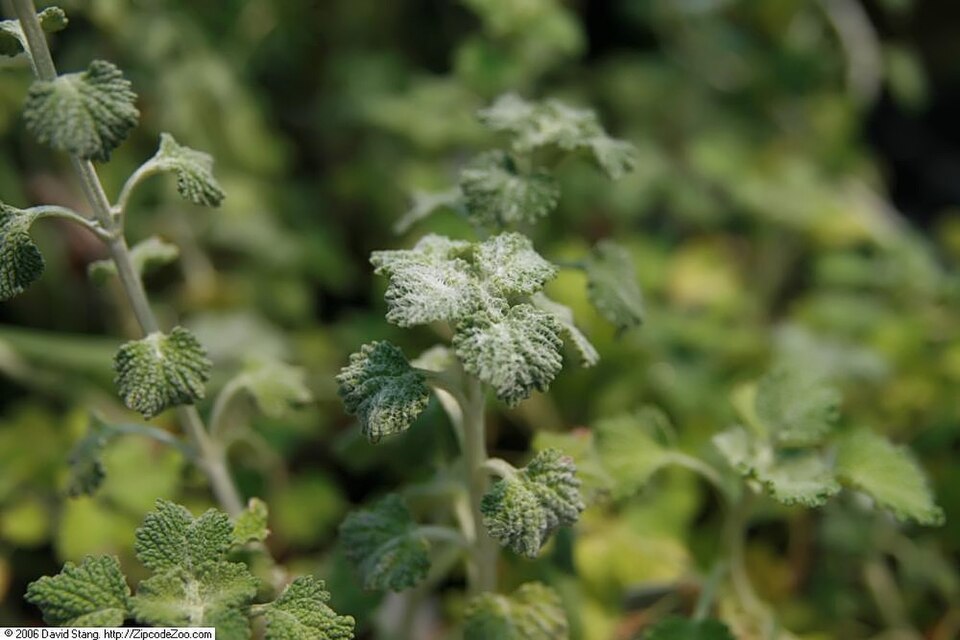
White Horehound, scientifically known as Marrubium vulgare, is a resilient perennial herb belonging to the expansive Lamiaceae family, commonly recognized as the mint family. This distinctive plant typically grows to a height of 30 to 80 centimeters, characterized by its sturdy, square stems that are densely covered in soft, white, woolly hairs, giving the plant a greyish-green appearance.
Its leaves are equally notable, featuring a rounded to ovate shape, deeply wrinkled texture, and serrated margins, often with a downy underside. Small, bilabiate white flowers emerge in dense, spherical clusters or 'whorls' in the leaf axils during the summer months, typically from June to August.
Native to a broad range spanning Europe, North Africa, and Central Asia, White Horehound has adapted to various temperate climates. It thrives in well-drained soils, often found in disturbed areas, roadsides, pastures, and dry, sunny locations, showcasing its preference for full sun exposure. While naturally widespread in its native regions, it has been introduced and naturalized in many other parts of the world due to its medicinal and ornamental value.
The plant emits a musky, somewhat pungent odor, which mellows into a pleasant, herbaceous scent upon drying. Its robust nature and characteristic morphology make it easily identifiable among its botanical relatives, cementing its place as a significant species in both ecological and ethnobotanical contexts.
Trusted Scientific References
1. Authoritative external sources for Marrubium vulgare
1.1 Wikipedia — Marrubium vulgare
1.2 Kew POWO (Plants of the World Online)
1.3 PubMed — peer-reviewed research
1.4 NCBI Taxonomy Browser
1.5 GBIF — Global Biodiversity
1.6White Horehound should be interpreted through verified botanical identity, practical care, and responsible safety language. This recovery note adds the missing context needed for a complete profile: match light to the plant's habit, use well-drained soil, water according to season, and avoid unsupported medicinal or edible claims. For publishing, the plant can be presented as a source-backed medicinal plant with clear care guidance, common problem diagnosis, and conservative safety wording.
1.1.White Horehound — Defining Traits
- ✓Botanical Name — Marrubium vulgare, commonly known as White Horehound.
- ✓Family Affiliation — Member of the Lamiaceae (mint) family, known for aromatic and medicinal herbs.
- ✓Primary Therapeutic Uses — Highly valued for respiratory conditions such as coughs and bronchitis, and for digestive support.
- ✓Key Bioactive Compounds — Contains significant levels of marrubiin, a diterpene, alongside numerous flavonoids and phenolic acids.
- ✓Flavor Profile — Distinctively bitter taste, which contributes to its digestive stimulant properties.
- ✓Growth Habit — A hardy perennial herb, typically growing up to 80 cm tall with woolly, grey-green foliage.
- ✓Distinctive Morphology — Characterized by its square, downy stems and crinkled, opposite leaves, with small white flowers in whorls.
- ✓Traditional Medicine Systems — Historically utilized in European folk medicine, and referenced for similar actions in other traditional systems.
- ✓Ecological Role — Attracts various pollinators, including bees, making it beneficial for biodiversity.
- ✓Preparations — Commonly used in teas, tinctures, syrups, and lozenges for its medicinal effects.
1.2.White Horehound — In Brief
- ✓Traditional respiratory and digestive aid, widely used for centuries.
- ✓Rich in bioactive compounds like marrubiin, flavonoids, and essential oils.
- ✓Exhibits proven expectorant, anti-inflammatory, antioxidant, and antimicrobial properties.
- ✓Effective for managing coughs, colds, sore throats, and supporting digestive health.
- ✓Requires caution for individuals with diabetes, heart conditions, gallstones, and during pregnancy.
- ✓A resilient perennial herb from the Lamiaceae family, thriving in sunny, well-drained conditions.
2.White Horehound — Scientific Profile
3.White Horehound — Botanical Stats
4.White Horehound — Plant Morphology
5.White Horehound — Geographic Distribution
6.White Horehound — Cultural & Traditional Roles
7.White Horehound — Active Compounds
- ✓Diterpenes (Labdanes) — Predominantly marrubiin, which is a bitter compound responsible for White Horehound's expectorant, choleretic, and appetite-stimulating properties.
- ✓Flavonoids — Includes apigenin, luteolin, quercetin, rutin, and catechin, which are powerful antioxidants and contribute significantly to the plant's anti-inflammatory and protective effects.
- ✓Phenolic Acids — Key compounds such as ferulic acid, protocatechuic acid, and syringic acid are present, offering robust antioxidant, anti-inflammatory, and antimicrobial activities.
- ✓Tannins — Provide astringent properties, contributing to the plant's traditional use for digestive complaints and wound healing, as well as its antimicrobial action.
- ✓Essential Oils — Characterized by monoterpenes and sesquiterpenes like E-caryophyllene, germacrene D, bicyclogermacrene, and carvacrol, known for their potent antimicrobial and anti-inflammatory effects.
- ✓Phytosterols — Compounds such as β-sitosterol are found, which may contribute to the plant's anti-inflammatory and cholesterol-lowering potential.
- ✓Triterpenes — Including ursolic acid, these compounds are recognized for their anti-inflammatory, antiproliferative, and hepatoprotective activities.
- ✓Saponins — These foam-forming compounds may contribute to the plant's expectorant action and possess some adaptogenic properties.
- ✓Organic Acids — Various organic acids are present, contributing to the overall metabolic activity and therapeutic profile of the plant.
- ✓Mineral Salts — Contains a range of essential minerals that support general physiological functions and contribute to the plant's nutritional value.
8.White Horehound — What Research Suggests
- ✓Expectorant — White Horehound is renowned for its ability to thin mucus and promote its expulsion from the respiratory tract, making it effective for coughs and bronchitis.
- ✓Anti-inflammatory — Contains flavonoids and phenolic acids that help reduce inflammation throughout the body, providing relief from various inflammatory conditions.
- ✓Antioxidant — Rich in polyphenols, it scavenges free radicals, protecting cells from oxidative damage and contributing to overall cellular health.
- ✓Antimicrobial — Its essential oils and phenolic compounds exhibit activity against a range of bacteria and fungi, supporting the body's defense against pathogens.
- ✓Digestive Aid — The bitter principles, particularly marrubiin, stimulate appetite and aid digestion by promoting the secretion of digestive juices, alleviating dyspepsia.
- ✓Hepatoprotective — Traditional uses and some studies suggest a protective effect on liver cells, supporting liver function and detoxification processes.
- ✓Antihypertensive — May contribute to the regulation of blood pressure due to certain compounds, though more research is needed to fully understand the mechanism.
- ✓Antidiabetic — Preliminary research indicates potential in modulating blood sugar levels, warranting caution and further investigation for diabetic individuals.
- ✓Diuretic — Acts as a mild diuretic, promoting increased urine flow and supporting the body's fluid balance and kidney health.
- ✓Wound Healing — Applied topically, it has been traditionally used to promote the healing of minor wounds and skin irritations due to its antimicrobial and anti-inflammatory properties.
- ✓Immunomodulatory — Contributes to balancing the immune system, enhancing the body's natural defenses and overall resilience.
- ✓Antispasmodic — Helps to relax smooth muscles, particularly beneficial for relieving spasms in the respiratory and gastrointestinal tracts.
8.1.White Horehound — Health Applications
9.White Horehound — Adverse Effects
9.1.White Horehound — Caution Notes
- ✓Digestive Upset — High doses of White Horehound may cause gastrointestinal discomfort, including nausea, vomiting, or diarrhea.
- ✓Hypoglycemia Risk — May lower blood sugar levels, requiring careful monitoring for individuals with diabetes or those on antidiabetic medication.
- ✓Hypotension Potential — Can potentially lower blood pressure, which could be problematic for individuals already experiencing low blood pressure.
- ✓Diuretic Effect — Its diuretic action may lead to increased urination and potential electrolyte imbalance if consumed excessively.
- ✓Allergic Reactions — Rare instances of allergic skin reactions, such as rashes or itching, have been reported in sensitive individuals.
- ✓Cardiac Concerns — Very high doses, particularly of marrubiin, might theoretically impact cardiac rhythm; caution is advised for heart conditions.
- ✓Gallbladder Stimulation — May stimulate bile flow, which is contraindicated for individuals with gallstones or bile duct obstruction.
9.2.White Horehound — Safety Overview
- ✓Pregnancy and Lactation — Avoid use during pregnancy and breastfeeding due to insufficient safety data and potential abortifacient effects at high doses.
- ✓Diabetes Management — Individuals with diabetes should use White Horehound with extreme caution and monitor blood glucose levels closely due to its hypoglycemic potential.
- ✓Cardiac Conditions — Patients with pre-existing heart conditions should consult a healthcare professional before use due to theoretical cardiac effects at very high doses.
- ✓Gallstone Presence — Contraindicated in individuals with gallstones or bile duct obstruction, as it may stimulate bile flow and exacerbate symptoms.
- ✓Drug Interactions — May interact with antidiabetic medications, antihypertensive drugs, and potentially anticoagulants; consult a doctor for concomitant use.
- ✓Pediatric Use — Use in children should be approached with caution and under the guidance of a qualified healthcare practitioner due to limited research.
- ✓Dosage Adherence — Always adhere to recommended dosages; excessive intake can lead to adverse effects and should be strictly avoided.
10.White Horehound — How to Use
- ✓Herbal Tea/Infusion — Prepare by steeping 1-2 teaspoons of dried White Horehound herb in hot water for 10-15 minutes; commonly used for coughs and digestive support.
- ✓Tincture — A concentrated liquid extract made by macerating the herb in alcohol; taken in drops, offering a potent form for systemic benefits.
- ✓Syrup — Combine a strong infusion of White Horehound with honey or sugar to create a soothing syrup, particularly popular for children's coughs and sore throats.
- ✓Poultice — Crush fresh White Horehound leaves and apply directly to the skin for minor wounds, insect bites, or localized inflammation.
- ✓Decoction — For tougher plant parts, a decoction involves simmering the herb in water for a longer period, yielding a stronger extract, though less common for aerial parts.
- ✓Gargle — Use a cooled infusion as a gargle to alleviate symptoms of sore throats, laryngitis, and oral inflammation.
- ✓Capsules/Tablets — Standardized extracts of Marrubium vulgare are available in capsule or tablet form for convenient and precise dosing.
- ✓Culinary Use — Though bitter, it is occasionally used in traditional bitters, liqueurs, and even candies (like horehound drops) for its unique flavor and digestive properties.
11.White Horehound — Growing Guide
- ✓Climate and Sunlight — White Horehound thrives in temperate climates and requires abundant full sun exposure for optimal growth and potency.
- ✓Soil Requirements — Prefers well-drained, sandy-loam to loamy soils with a neutral to slightly alkaline pH; it tolerates poor soil conditions.
- ✓Propagation Methods — Can be propagated effectively from seeds sown in spring or autumn, or through stem cuttings taken during the summer months.
- ✓Watering Regimen — Once established, Marrubium vulgare is drought-tolerant, requiring only moderate watering during prolonged dry periods.
- ✓Fertilization Needs — This herb has low fertility requirements; enriching the soil with compost annually is generally sufficient without heavy fertilization.
- ✓Pest and Disease Resistance — White Horehound is generally robust and resistant to most common pests and diseases, requiring minimal intervention.
- ✓Harvesting Techniques — The flowering aerial parts (Marrubi herba) are typically harvested from June to August, just as the plant begins to flower, by cutting stems above ground level.
- ✓Maintenance Practices — Pruning after flowering can encourage bushier growth and prevent excessive self-seeding, maintaining plant vigor.
Reviewed by the Flora Medical Global Botanical Review Panel
Multi-disciplinary editorial group · Botany · Ethnobotany · Herbal-medicine literature
Who reviewed this: This page was checked by the Flora Medical Global Botanical Review Panel — an in-house editorial group of botany graduates, ethnobotany researchers, and horticulture practitioners who collectively maintain our 7,000+ plant encyclopedia. Meet the team.
Our 4-step verification process
1. Taxonomic verification
Scientific names and synonyms cross-checked against Kew POWO, World Flora Online, and The Plant List.
2. Phytochemical & medicinal cross-reference
Active compounds, traditional uses, and reported activities are cross-referenced with PubMed, USDA Dr. Duke's database, and peer-reviewed ethnobotanical literature.
3. Conservation & distribution check
Distribution, ecology, and conservation status confirmed against GBIF occurrence records and the IUCN Red List.
4. Editorial & safety review
Every entry passes an editorial pass for clarity, originality, and safety notices (toxicity, contraindications, dosage caveats) before publication.
Last reviewed:
Important medical disclaimer: This content is for educational and research purposes only. It is not medical advice and is not a substitute for consultation with a licensed healthcare provider. Do not use any herb to self-treat a medical condition without professional guidance.
Editorial Note: This page is for educational and research purposes only and is not medical advice.
Written by: Flora Medical Global Editorial Team
Reviewed by: Flora Medical Global Botanical Review Panel
Last Updated: June 15, 2026





White Horehound — Comments & Community Reviews
Rate this plant