
Medical Disclaimer: This content is for educational purposes only. It is not medical advice. Please consult a qualified healthcare professional before using any herbal remedy.
Safety Overview
1.Wild Dagga — Introduction & Highlights
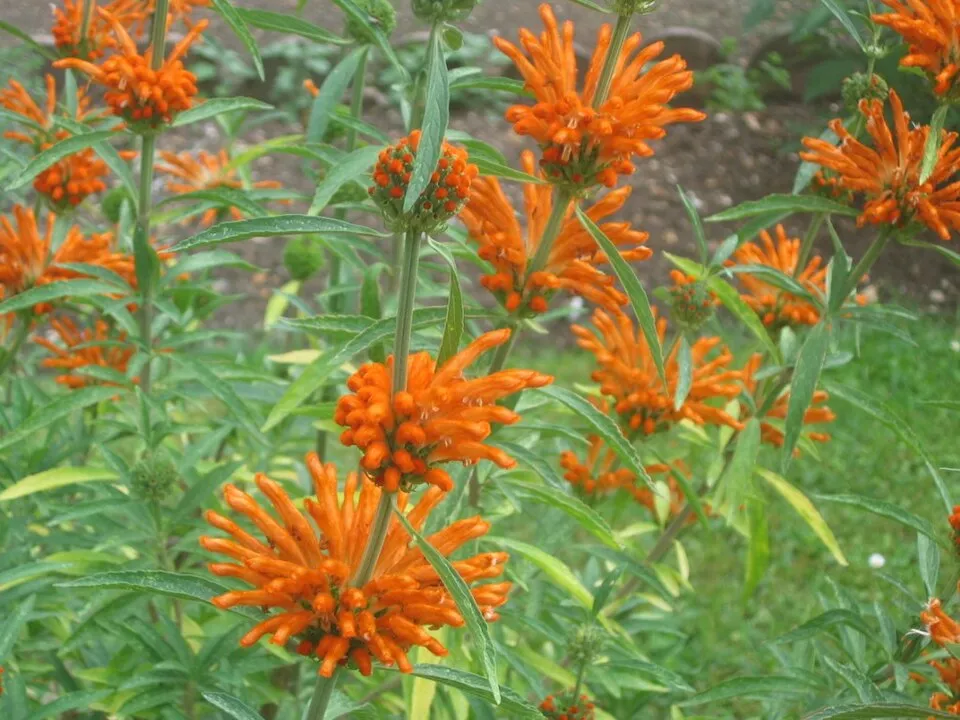
Wild Dagga (Leonotis leonurus), commonly known as Lion's Ear, is a striking perennial shrub native to the rocky hillsides, grasslands, and savannas of Southern Africa, particularly widespread in South Africa, Mozambique, and Zimbabwe. This robust plant typically attains a height of 1 to 3 meters, characterized by its distinctive velvety, square stems, a hallmark trait of the Lamiaceae family. Its leaves are lanceolate to ovate, growing up to 15 cm long, and possess a slightly serrated margin with an aromatic quality when crushed.
The most captivating feature of Leonotis leonurus is its vibrant inflorescence, which comprises dense, ball-shaped whorls of tubular flowers, ranging in color from brilliant orange to deep red. These eye-catching blooms typically appear in late summer and autumn, serving as a magnet for various pollinators, including sunbirds and bees. The plant thrives in well-drained soils and prefers full sun to partial shade, showcasing its adaptability to diverse natural landscapes.
Taxonomically, it belongs to the mint family (Lamiaceae), which is renowned for its aromatic members and square-stemmed plants. While often discussed in contexts of its mild psychoactive properties, Wild Dagga remains chemically and functionally distinct from cannabis.
Trusted Scientific References
1. Authoritative external sources for Leonotis leonurus
1.1 Wikipedia — Leonotis leonurus
1.2 Kew POWO (Plants of the World Online)
1.3 PubMed — peer-reviewed research
1.4 NCBI Taxonomy Browser
1.5 GBIF — Global Biodiversity
1.6Wild Dagga should be interpreted through verified botanical identity, practical care, and responsible safety language. This recovery note adds the missing context needed for a complete profile: match light to the plant's habit, use well-drained soil, water according to season, and avoid unsupported medicinal or edible claims. For publishing, the plant can be presented as a source-backed medicinal plant with clear care guidance, common problem diagnosis, and conservative safety wording.
1.1.Wild Dagga — Defining Traits
- ✓Botanical Name — Leonotis leonurus.
- ✓Common Names — Wild Dagga, Lion's Ear, Lion's Tail.
- ✓Plant Family — Lamiaceae (Mint family).
- ✓Native Region — Southern Africa.
- ✓Flower Characteristics — Striking whorls of vibrant orange to red tubular flowers.
- ✓Traditional Uses — Anti-inflammatory, analgesic, anthelmintic, mild psychoactive.
- ✓Key Phytochemicals — Labdane diterpenoids, flavonoids, phenolic acids, alkaloids.
- ✓Growth Habit — Upright perennial shrub, typically 1-3 meters tall.
- ✓Stem Morphology — Distinctive square, velvety stems.
- ✓Pollinator Attraction — Highly attractive to bees, birds, and other pollinators.
1.2.Wild Dagga — At-a-Glance Summary
- ✓Wild Dagga (Leonotis leonurus) is a perennial shrub native to Southern Africa.
- ✓Known for its vibrant orange flowers and traditional medicinal uses in African cultures.
- ✓Traditionally employed for its anti-inflammatory, analgesic, and anthelmintic properties.
- ✓Contains key phytochemicals including labdane diterpenoids, flavonoids, and alkaloids.
- ✓Exhibits mild psychoactive effects, often used for relaxation and mild euphoria.
- ✓Cultivated for its ornamental value and revered for its historical medicinal applications.
2.Wild Dagga — Taxonomic Classification
3.Wild Dagga — Botanical Stats
4.Wild Dagga — Morphological Account
5.Wild Dagga — Where It Grows
6.Wild Dagga — Ethnobotanical Uses
7.Wild Dagga — Secondary Metabolites
- ✓Labdane Diterpenoids — Key compounds like those related to leonotinin, although leonotinin itself is more strongly associated with L. nepetifolia, are present in Leonotis leonurus leaves and stems, contributing significantly to its anti-inflammatory and potential CNS activities.
- ✓Flavonoids — A diverse group of polyphenolic compounds widely distributed throughout the plant, responsible for much of its antioxidant and anti-inflammatory benefits.
- ✓Phenolic Acids — These compounds, including various derivatives, are strong antioxidants that protect cells from oxidative stress and contribute to the plant's overall therapeutic profile.
- ✓Alkaloids — Nitrogen-containing organic compounds that contribute to the plant's diverse pharmacological effects, including its mild influence on the central nervous system.
- ✓Iridoid Glycosides — Found in the stem, these compounds are known for their potential anti-inflammatory, antimicrobial, and bitter tonic properties, often characteristic of the Lamiaceae family.
- ✓Phenylethanoid Glycosides — Present in the stem, these are a class of phenolic compounds with noted antioxidant and potentially anti-inflammatory activities.
- ✓Coumarins — Identified in the stem, coumarins are naturally occurring compounds with a range of biological activities, including anti-inflammatory and anticoagulant properties.
- ✓Essential Oils — Volatile compounds contributing to the plant's aromatic nature, which may offer antimicrobial, carminative, and mild sedative effects.
8.Wild Dagga — Modern Studies
- ✓Anti-inflammatory Support — Aqueous extracts of Wild Dagga leaves have demonstrated significant anti-inflammatory activity in preclinical studies, effectively reducing carrageenan-induced paw edema, indicating its potential in managing inflammatory conditions.
- ✓Analgesic Properties — Research indicates that Leonotis leonurus exhibits notable pain-relieving effects, as observed in acetic acid-induced writhing models in rats, suggesting its utility for alleviating various types of pain.
- ✓Anthelmintic Action — Traditionally, the plant has been employed for treating gastrointestinal parasites, particularly in animals, highlighting its potential in supporting digestive health and combating parasitic infections.
- ✓Antioxidant Protection — Rich in various phenolic compounds and flavonoids, Wild Dagga contributes to cellular protection by neutralizing free radicals, thereby supporting overall cellular integrity and health.
- ✓Immune System Modulation — Traditional uses suggest its role in fortifying the body's natural defenses, offering generalized immune support to maintain wellness.
- ✓Digestive Health Enhancement — Beyond its anthelmintic properties, the plant is traditionally valued for its ability to soothe digestive discomfort and promote a healthy gastrointestinal tract.
- ✓General Wellness Promotion — Across indigenous African cultures, Wild Dagga is revered as a panacea, used to enhance overall vitality and well-being, reflecting its broad spectrum of traditional applications.
- ✓Mild Central Nervous System Effects — Known for its unique, mild psychoactive properties, Wild Dagga can induce feelings of relaxation and mild euphoria, contributing to stress reduction and a sense of calm.
8.1.Wild Dagga — Therapeutic Indications
9.Wild Dagga — Adverse Effects
9.1.Wild Dagga — Possible Adverse Reactions
- ✓Drowsiness and Sedation — May cause mild drowsiness, especially at higher doses, impacting alertness.
- ✓Nausea and Stomach Upset — Some individuals may experience mild gastrointestinal discomfort, including nausea or stomach upset.
- ✓Headache — Occasional reports of headaches, particularly with excessive use or in sensitive individuals.
- ✓Dry Mouth — A common anticholinergic-like effect, leading to a sensation of dryness in the mouth.
- ✓Allergic Reactions — Rarely, skin rashes or other allergic responses may occur in hypersensitive individuals.
- ✓Altered Perception — Due to its mild psychoactive properties, it can induce subtle changes in perception or a feeling of detachment.
- ✓Heart Rate Changes — Some anecdotal reports suggest potential for mild fluctuations in heart rate, especially with high doses.
9.2.Wild Dagga — Toxicity Assessment
- ✓Pregnancy and Lactation — Avoid use during pregnancy and breastfeeding due to insufficient safety data and potential effects on fetal or infant development.
- ✓Children — Not recommended for use in children or adolescents due to lack of safety studies and potential psychoactive effects.
- ✓Operating Machinery — Exercise caution when driving or operating heavy machinery, as Wild Dagga may cause drowsiness or altered perception.
- ✓Pre-existing Conditions — Individuals with heart conditions, liver disease, or psychiatric disorders should consult a healthcare professional before use.
- ✓Drug Interactions — May interact with central nervous system depressants, sedatives, or medications affecting heart rhythm; consult a doctor.
- ✓Dosage Adherence — Adhere strictly to recommended dosages to minimize the risk of adverse effects and ensure safe use.
- ✓Acute Toxicity — Preclinical studies in animals suggest a relatively safe profile at typical therapeutic doses, but high doses should still be avoided.
10.Wild Dagga — Application Forms
- ✓Herbal Infusion (Tea) — Dried leaves and flowers are steeped in hot water to create a calming and mildly psychoactive tea, traditionally consumed for relaxation.
- ✓Tincture Preparation — Plant material is macerated in alcohol to extract bioactive compounds, producing a concentrated liquid extract for internal use.
- ✓Smoking Blend — Dried leaves and flowers are traditionally smoked, often mixed with other herbs, for their mild euphoric and relaxing effects.
- ✓Decoction — Roots or tougher plant parts can be boiled in water to extract medicinal compounds, suitable for internal or topical application.
- ✓Topical Poultice — Crushed fresh leaves can be applied directly to the skin to address localized inflammation, minor wounds, or skin irritations.
- ✓Encapsulated Powder — Dried and powdered plant material can be filled into capsules for convenient and standardized oral consumption.
- ✓Vaporization — Dried flowers can be vaporized at appropriate temperatures to inhale the active compounds without combustion.
- ✓Consultation — Always consult a qualified medical herbalist or healthcare professional for appropriate dosage and preparation methods.
11.Wild Dagga — Propagation & Care
- ✓Soil Requirements — Thrives in well-drained soil, preferably sandy or loamy, with a neutral to slightly acidic pH.
- ✓Sunlight Exposure — Prefers full sun to partial shade, with full sun promoting more robust flowering and growth.
- ✓Watering Regimen — Requires regular watering, especially during dry periods, but is somewhat drought-tolerant once established; avoid waterlogging.
- ✓Climate Preference — Best suited for tropical to subtropical climates, intolerant of heavy frost.
- ✓Propagation Techniques — Can be propagated readily from seeds, which should be sown in spring, or from semi-hardwood cuttings taken in summer.
- ✓Pruning — Benefits from regular pruning to maintain shape, encourage bushier growth, and promote abundant flowering.
- ✓Fertilization — Generally not a heavy feeder, but a balanced, slow-release fertilizer can be applied during the growing season.
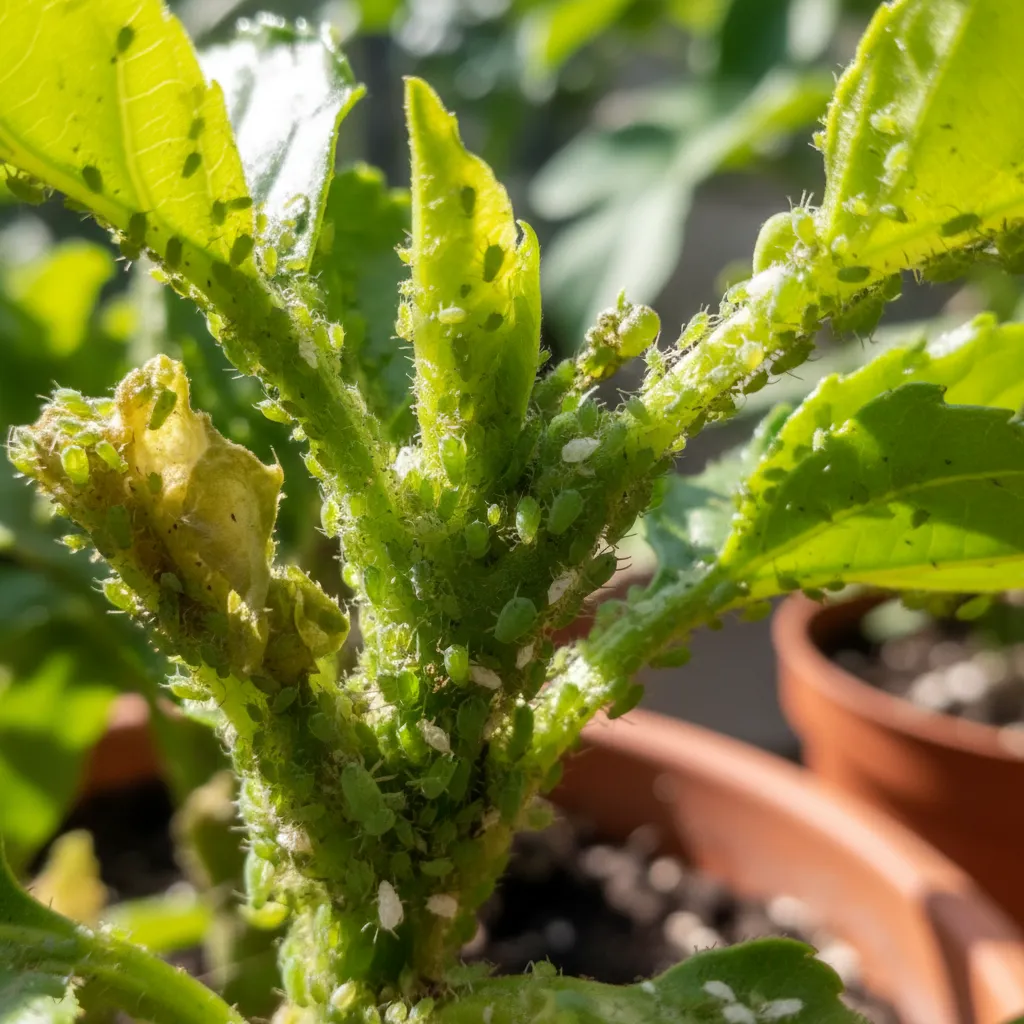
- ✓Pest and Disease Control — Relatively pest-resistant; monitor for common garden pests like aphids and treat organically if necessary.
Reviewed by the Flora Medical Global Botanical Review Panel
Multi-disciplinary editorial group · Botany · Ethnobotany · Herbal-medicine literature
Who reviewed this: This page was checked by the Flora Medical Global Botanical Review Panel — an in-house editorial group of botany graduates, ethnobotany researchers, and horticulture practitioners who collectively maintain our 7,000+ plant encyclopedia. Meet the team.
Our 4-step verification process
1. Taxonomic verification
Scientific names and synonyms cross-checked against Kew POWO, World Flora Online, and The Plant List.
2. Phytochemical & medicinal cross-reference
Active compounds, traditional uses, and reported activities are cross-referenced with PubMed, USDA Dr. Duke's database, and peer-reviewed ethnobotanical literature.
3. Conservation & distribution check
Distribution, ecology, and conservation status confirmed against GBIF occurrence records and the IUCN Red List.
4. Editorial & safety review
Every entry passes an editorial pass for clarity, originality, and safety notices (toxicity, contraindications, dosage caveats) before publication.
Last reviewed:
Important medical disclaimer: This content is for educational and research purposes only. It is not medical advice and is not a substitute for consultation with a licensed healthcare provider. Do not use any herb to self-treat a medical condition without professional guidance.
Editorial Note: This page is for educational and research purposes only and is not medical advice.
Written by: Flora Medical Global Editorial Team
Reviewed by: Flora Medical Global Botanical Review Panel
Last Updated: June 15, 2026




Wild Dagga — Comments & Community Reviews
Rate this plant