

Medical Disclaimer: This content is for educational purposes only. It is not medical advice. Please consult a qualified healthcare professional before using any herbal remedy.
Safety Overview
1.Wild Lettuce — Introduction & Highlights
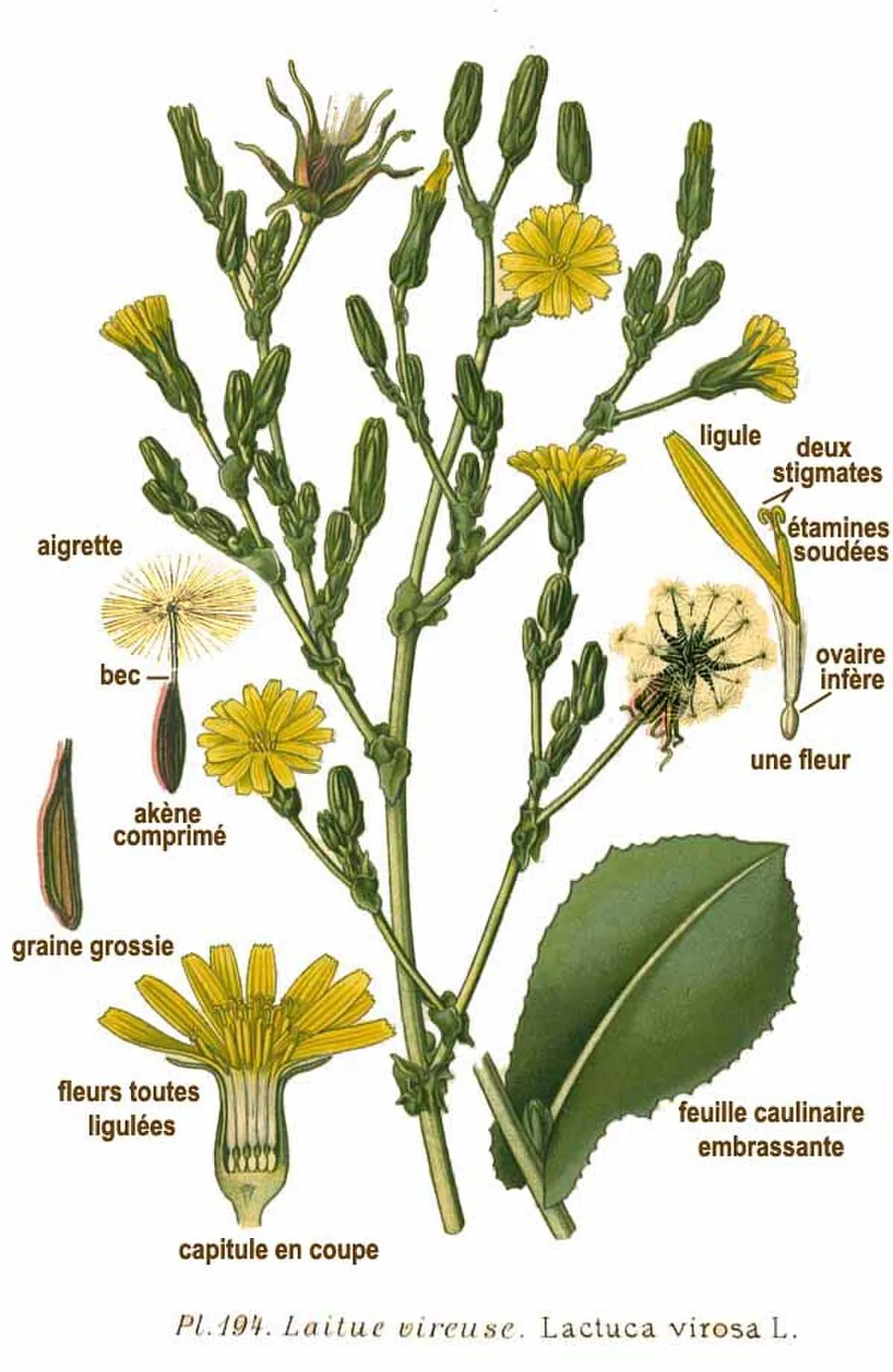
Wild Lettuce, scientifically known as Lactuca virosa, is a biennial herbaceous plant native to parts of Europe, North Africa, and temperate Asia, though it has naturalized in many other regions, including North America. It typically grows in disturbed soils, roadsides, waste grounds, and along riverbanks, preferring sunny to partially shaded locations. The plant can reach heights of 1 to 2 meters, distinguished by its hollow, purplish-spotted stems that exude a milky white latex (lactucarium) when cut.
Its leaves are deeply lobed, spiny along the midrib and margins, and arranged alternately along the stem. The basal leaves form a rosette, often much larger than the upper stem leaves. During its second year, Lactuca virosa produces small, pale-yellow, dandelion-like flower heads clustered in panicles, blooming from mid-summer to early autumn.
These flowers are followed by achenes with a pappus, aiding in wind dispersal. Taxonomically, it belongs to the genus Lactuca, which includes common garden lettuce, and is a member of the vast Asteraceae family, characterized by its composite flower heads. This plant is often confused with other Lactuca species, emphasizing the importance of accurate botanical identification for medicinal use.
Trusted Scientific References
1. Authoritative external sources for Lactuca virosa
1.1 Wikipedia — Lactuca virosa
1.2 Kew POWO (Plants of the World Online)
1.3 PubMed — peer-reviewed research
1.4 NCBI Taxonomy Browser
1.5 GBIF — Global Biodiversity
1.6Wild Lettuce should be interpreted through verified botanical identity, practical care, and responsible safety language. This recovery note adds the missing context needed for a complete profile: match light to the plant's habit, use well-drained soil, water according to season, and avoid unsupported medicinal or edible claims. For publishing, the plant can be presented as a source-backed medicinal plant with clear care guidance, common problem diagnosis, and conservative safety wording.
1.1.Wild Lettuce — Standout Qualities
- ✓Natural Analgesic — Recognized for its mild pain-relieving properties.
- ✓Herbal Sedative — Promotes relaxation and aids sleep.
- ✓Anti — inflammatory Support — Contains compounds that may reduce inflammation.
- ✓Traditional Remedy — Long history of use in folk medicine for various ailments.
- ✓Rich in Phytochemicals — Abundant in lactucarium, flavonoids, and phenolic acids.
- ✓Biennial Growth Habit — Completes its life cycle over two years.
- ✓Milky Latex Exudate — Produces a characteristic white sap when cut.
- ✓Asteraceae Family Member — Related to dandelion and other composite flowers.
- ✓Adaptable Habitat — Grows in disturbed areas across temperate regions.
- ✓Respiratory Aid — Traditionally used to soothe coughs and respiratory discomfort.
1.2.Wild Lettuce — Concise Overview
- ✓Wild Lettuce (Lactuca virosa) is a traditional analgesic and sedative.
- ✓Contains lactucarium compounds like lactucin, offering mild pain relief.
- ✓Used historically for sleep, anxiety, and respiratory issues.
- ✓Belongs to the Asteraceae family, often confused with common lettuce.
- ✓Available as teas, tinctures, and extracts for various applications.
- ✓Caution advised due to potential drowsiness, GI upset, and drug interactions.
2.Wild Lettuce — Scientific Profile
3.Wild Lettuce — Botanical Stats
4.Wild Lettuce — Plant Morphology
5.Wild Lettuce — Where It Grows
6.Wild Lettuce — Ethnobotanical Uses
7.Wild Lettuce — Secondary Metabolites
- ✓Lactucarium Compounds — This milky latex contains sesquiterpene lactones such as lactucin, lactucopicrin, and 11β,13-dihydrolactucin, which are primarily responsible for the plant's sedative, analgesic, and anxiolytic effects by interacting with opioid receptors.
- ✓Flavonoids — Compounds like quercetin, luteolin, and apigenin are present, contributing to the plant's antioxidant and anti-inflammatory properties through their free radical scavenging and enzyme inhibition activities.
- ✓Phenolic Acids — Derivatives such as caffeic acid, chlorogenic acid, and p-coumaric acid are found, offering significant antioxidant capacity and playing roles in inflammation modulation and antimicrobial defense.
- ✓Triterpenoids — Saponins and other triterpenes contribute to various pharmacological activities, including anti-inflammatory and adaptogenic effects, though specific roles in Wild Lettuce are still being explored.
- ✓Alkaloids — While not as prominent as in other medicinal plants, minor alkaloid components may contribute to its overall pharmacological profile, influencing neurotransmission.
- ✓Coumarins — These compounds can have anticoagulant, anti-inflammatory, and antimicrobial properties, adding to the plant's diverse therapeutic potential.
- ✓Carotenoids — Present in the green parts of the plant, these pigments act as antioxidants and precursors to vitamin A, supporting vision and immune function.
- ✓Vitamins and Minerals — Contains trace amounts of essential vitamins (e.g., Vitamin C, K) and minerals (e.g., potassium, calcium), contributing to general nutritional support.
8.Wild Lettuce — Modern Studies
- ✓Analgesic Properties — Wild Lettuce contains lactucarium compounds like lactucin and lactucopicrin, which are believed to act on the central nervous system to reduce pain perception, similar to mild opiates but without their addictive potential.
- ✓Sedative and Anxiolytic Effects — The bitter principles in Lactuca virosa may promote relaxation and reduce anxiety by influencing neurotransmitter pathways, making it a traditional remedy for restlessness and nervousness.
- ✓Sleep Aid — Due to its sedative qualities, Wild Lettuce is often used to alleviate insomnia and improve sleep quality, helping individuals fall asleep faster and experience deeper rest.
- ✓Anti-inflammatory Action — Flavonoids and other phenolic compounds contribute to its anti-inflammatory effects, potentially reducing swelling and pain associated with various inflammatory conditions.
- ✓Antioxidant Protection — Rich in antioxidant compounds, Wild Lettuce helps neutralize free radicals, protecting cells from oxidative stress and supporting overall cellular health.
- ✓Respiratory Support — Traditionally, it has been used as an antitussive and expectorant, helping to soothe coughs and clear respiratory passages, particularly in cases of bronchitis or asthma.
- ✓Digestive Health — The bitter taste can stimulate digestive enzyme production, aiding in digestion and potentially relieving mild indigestion, though excessive use might cause gastrointestinal upset.
- ✓Diuretic Properties — Some traditional uses suggest a mild diuretic effect, which could assist in flushing excess fluids from the body.
- ✓Antimicrobial Activity — Preliminary research indicates that certain extracts of Lactuca virosa possess antimicrobial properties, showing potential against specific bacterial and fungal strains.
- ✓Muscle Relaxant — Its antispasmodic effects may help in relaxing tense muscles and alleviating muscle cramps or spasms, contributing to its pain-relieving profile.
8.1.Wild Lettuce — Conditions Traditionally Used For
9.Wild Lettuce — Adverse Effects
9.1.Wild Lettuce — Reported Side Effects
- ✓Drowsiness — May cause significant drowsiness, especially when combined with other sedatives or alcohol, impairing driving and operating machinery.
- ✓Gastrointestinal Upset — High doses can lead to nausea, vomiting, stomach cramps, or diarrhea due to its bitter compounds.
- ✓Allergic Reactions — Individuals sensitive to plants in the Asteraceae family (e.g., ragweed, chamomile) may experience allergic reactions such as skin rash, itching, or anaphylaxis.
- ✓Skin Irritation — Direct contact with the milky latex can cause skin irritation or allergic contact dermatitis in some individuals.
- ✓Vision Changes — Extremely high doses have been anecdotally associated with temporary changes in vision or pupil dilation.
- ✓Central Nervous System Depression — Excessive consumption can lead to over-sedation, respiratory depression, and impaired coordination, particularly in vulnerable populations.
9.2.Wild Lettuce — Risk Assessment
- ✓Pregnancy and Breastfeeding — Contraindicated during pregnancy and breastfeeding due to lack of safety data and potential effects on uterine contractions or infant development.
- ✓Children — Not recommended for use in children due to potential for over-sedation and lack of established safe dosages.
- ✓Surgery — Discontinue use at least two weeks before any scheduled surgery due to potential interactions with anesthesia and other medications.
- ✓Liver Disease — Use with caution in individuals with liver conditions, as the liver metabolizes many plant compounds.
- ✓Glaucoma — Avoid use in individuals with narrow-angle glaucoma due to potential for pupil dilation.
- ✓Allergic History — Individuals with known allergies to the Asteraceae family should avoid Wild Lettuce to prevent allergic reactions.
- ✓Driving and Operating Machinery — Avoid activities requiring mental alertness after consumption due to its sedative effects.
10.Wild Lettuce — Application Forms
- ✓Herbal Tea Infusion — Dried Wild Lettuce leaves and flowering tops can be steeped in hot water to create a calming tea, often used for sleep or mild pain relief.
- ✓Tincture Preparation — A more potent method involves macerating fresh or dried plant material in alcohol to extract the active compounds, resulting in a concentrated liquid extract.
- ✓Topical Poultices — Crushed fresh leaves or a strong infusion can be applied externally as a poultice to soothe minor skin irritations, muscle aches, or localized inflammation.
- ✓Syrups and Elixirs — The plant's extract can be incorporated into honey-based syrups or glycerin-based elixirs to mask its bitter taste, particularly for cough relief.
- ✓Smoking Blends — Historically, dried Wild Lettuce has been used in smoking blends for its mild sedative effects, though this method is not recommended due to potential health risks.
- ✓Edible Greens (Young Leaves) — Young, tender leaves can be consumed in salads or cooked as greens, offering a bitter, slightly narcotic flavor, though older leaves become too bitter.
- ✓Lactucarium Extract — The milky latex (lactucarium) can be collected, dried, and processed into a resinous extract for specific medicinal applications, requiring careful dosage.
- ✓Capsules or Tablets — Standardized extracts of Wild Lettuce are available in capsule or tablet form for convenient and precise dosing.
11.Wild Lettuce — Growth Requirements
- ✓Seed Propagation — Wild Lettuce is typically propagated from seeds, which can be sown directly in spring or autumn.
- ✓Soil Requirements — Thrives in well-drained, fertile soil with a neutral to slightly alkaline pH, though it tolerates a range of soil types.
- ✓Sunlight Exposure — Prefers full sun to partial shade, with adequate sunlight promoting robust growth and higher lactucarium production.
- ✓Watering — Requires moderate watering, especially during dry periods, but avoid waterlogging to prevent root rot.
- ✓Spacing — Space plants about 30-45 cm apart to allow for proper air circulation and growth.
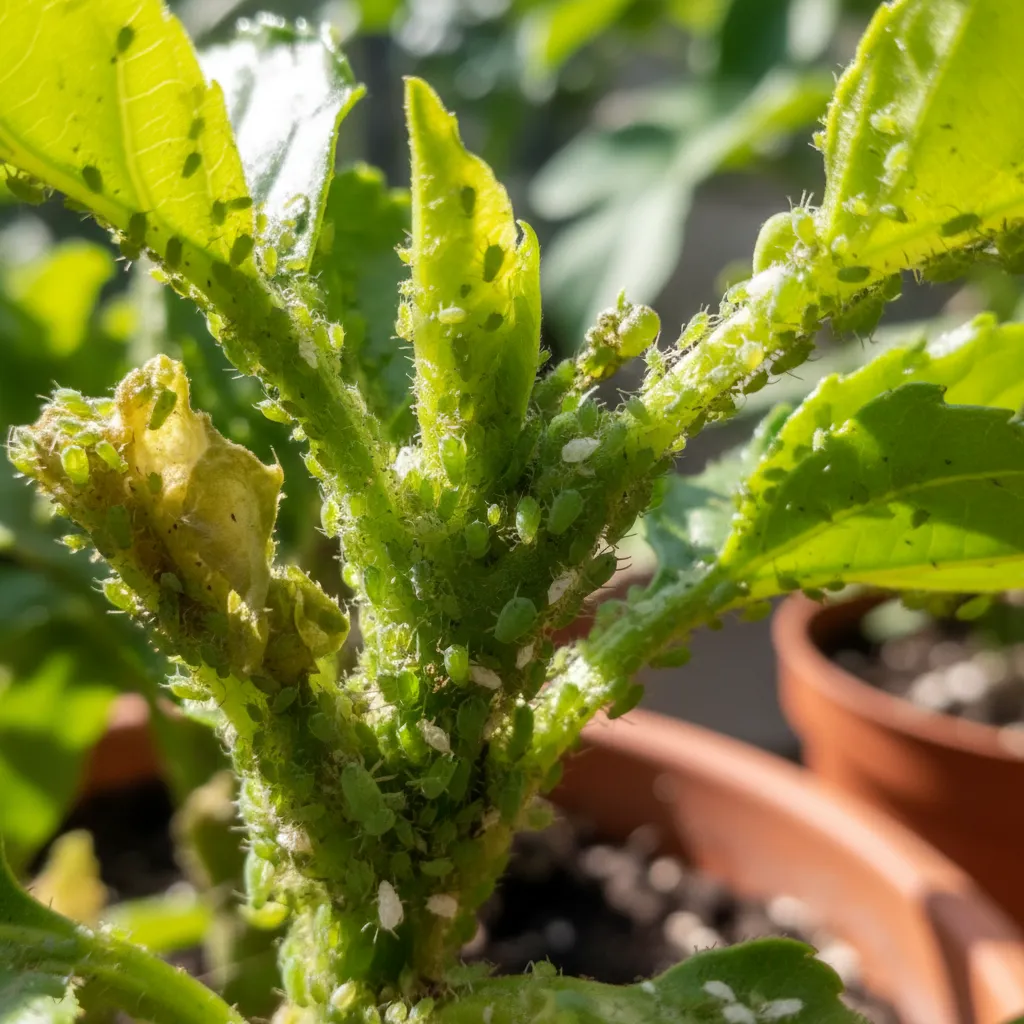
- ✓Pest and Disease Management — Generally resistant to most pests and diseases, but monitor for common garden pests like aphids and slugs; good cultural practices minimize issues.
- ✓Harvesting — Leaves can be harvested throughout the growing season, while the lactucarium-rich sap is collected from flowering stems, typically in the plant's second year.
- ✓Self-Seeding — The plant readily self-seeds, which can lead to its natural spread in suitable environments, sometimes requiring management to prevent overgrowth.
Reviewed by the Flora Medical Global Botanical Review Panel
Multi-disciplinary editorial group · Botany · Ethnobotany · Herbal-medicine literature
Who reviewed this: This page was checked by the Flora Medical Global Botanical Review Panel — an in-house editorial group of botany graduates, ethnobotany researchers, and horticulture practitioners who collectively maintain our 7,000+ plant encyclopedia. Meet the team.
Our 4-step verification process
1. Taxonomic verification
Scientific names and synonyms cross-checked against Kew POWO, World Flora Online, and The Plant List.
2. Phytochemical & medicinal cross-reference
Active compounds, traditional uses, and reported activities are cross-referenced with PubMed, USDA Dr. Duke's database, and peer-reviewed ethnobotanical literature.
3. Conservation & distribution check
Distribution, ecology, and conservation status confirmed against GBIF occurrence records and the IUCN Red List.
4. Editorial & safety review
Every entry passes an editorial pass for clarity, originality, and safety notices (toxicity, contraindications, dosage caveats) before publication.
Last reviewed:
Important medical disclaimer: This content is for educational and research purposes only. It is not medical advice and is not a substitute for consultation with a licensed healthcare provider. Do not use any herb to self-treat a medical condition without professional guidance.
Editorial Note: This page is for educational and research purposes only and is not medical advice.
Written by: Flora Medical Global Editorial Team
Reviewed by: Flora Medical Global Botanical Review Panel
Last Updated: June 15, 2026





Wild Lettuce — Comments & Community Reviews
Rate this plant