
Medical Disclaimer: This content is for educational purposes only. It is not medical advice. Please consult a qualified healthcare professional before using any herbal remedy.
Safety Overview
1.Willow Herb — Introduction & Highlights
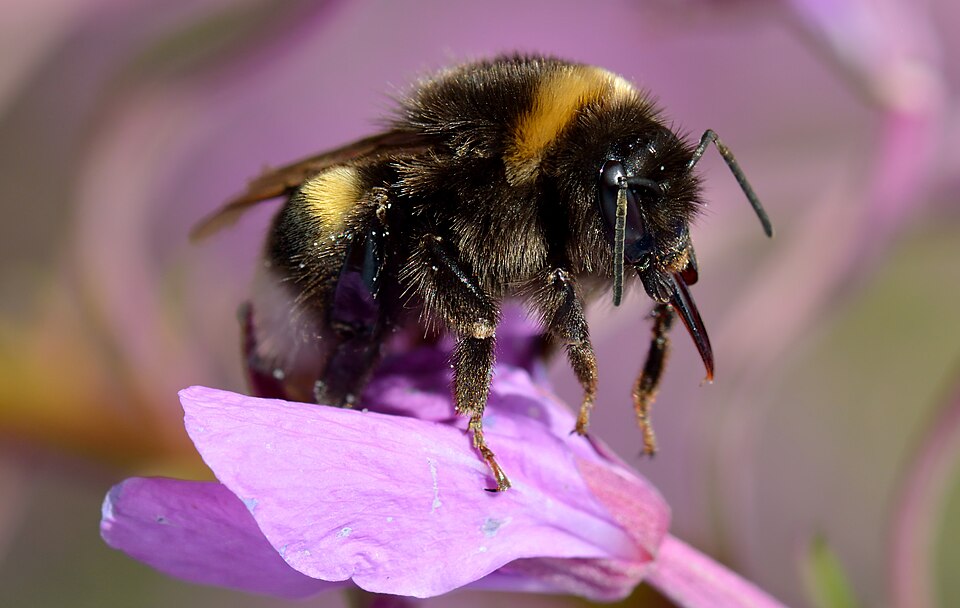
Willow Herb, scientifically known as Epilobium angustifolium and commonly called fireweed, is a striking herbaceous perennial reaching impressive heights of 90 to 120 centimeters. Its tall, slender stems are adorned with spirally arranged, lanceolate leaves that typically measure 5 to 15 cm in length. These leaves possess a smooth, slightly glossy texture, contributing to the plant's elegant appearance.
During the summer months, Epilobium angustifolium produces vibrant magenta to light purple flowers, each featuring four delicate petals. These blossoms are organized into dense, elongated clusters known as racemes, which crown the upper portion of the stem. The plant’s bark maintains a smooth, greenish hue in its younger stages, gradually transitioning to a gray-brown as it matures.
Native to a vast expanse across the Northern Hemisphere, including regions of North America, Europe, and Asia, Willow Herb demonstrates remarkable adaptability. It thrives particularly well in disturbed environments such as roadsides, recently cleared forest areas, and open meadows. Taxonomically, it is classified under the Onagraceae family, a group recognized for its distinctive floral structures and diverse species.
Epilobium angustifolium exhibits a preference for nutrient-rich, moist soils but is notably resilient, tolerating a wide spectrum of sunlight exposure from full sun to partial shade. This plant is celebrated for its pioneering spirit, often being among the first species to colonize landscapes after fire disturbances, where its robust growth helps stabilize soil and support ecosystem recovery. Its traditional medicinal uses have long been recognized in various herbal systems, highlighting its significant role in holistic health practices.
Trusted Scientific References
1. Authoritative external sources for Epilobium angustifolium
1.1 Wikipedia — Epilobium angustifolium
1.2 Kew POWO (Plants of the World Online)
1.3 PubMed — peer-reviewed research
1.4 NCBI Taxonomy Browser
1.5 GBIF — Global Biodiversity
1.1.Willow Herb — Defining Traits
- ✓Prostate Health Support — Specifically recognized for its positive impact on benign prostatic hyperplasia (BPH).
- ✓Anti — inflammatory Powerhouse — Contains compounds that effectively reduce inflammation throughout the body.
- ✓Digestive Aid — Soothes and tones the gastrointestinal tract, beneficial for diarrhea and irritation.
- ✓Antioxidant Rich — Protects cells from oxidative stress and damage.
- ✓Resilient Pioneer Plant — Thrives in disturbed environments, often after wildfires.
- ✓Northern Hemisphere Native — Widely distributed across North America, Europe, and Asia.
- ✓Astringent Action — Useful for toning tissues and reducing excessive secretions.
- ✓Diuretic Properties — Supports kidney function and urinary system cleansing.
- ✓High in Tannins — Particularly ellagitannins, which are key to its therapeutic profile.
- ✓Traditional Herbal Medicine — Long history of use in various folk medicine systems for diverse ailments.
1.2.Willow Herb — Snapshot Summary
- ✓Willow Herb (Epilobium angustifolium) is a resilient perennial recognized for its striking magenta flowers and ability to colonize disturbed habitats.
- ✓Key medicinal uses include supporting prostate health, aiding digestion, and providing anti-inflammatory and antioxidant benefits.
- ✓Rich in ellagitannins (like oenothein B), flavonoids, and phenolic acids, which underpin its therapeutic actions.
- ✓Traditionally used for urinary and digestive complaints, with modern research validating many of these applications.
- ✓Generally safe for most adults when used appropriately, but contraindicated in pregnancy, lactation, and certain conditions.
- ✓Can be prepared as an infusion, tincture, or encapsulated extract, with aerial parts being the primary medicinal component.
2.Willow Herb — Systematic Position
3.Willow Herb — Botanical Stats
4.Willow Herb — Structural Profile
5.Willow Herb — Where It Grows
6.Willow Herb — Historical Applications
7.Willow Herb — Secondary Metabolites
- ✓Phenolic Acids — Contains gallic acid, ellagic acid, and chlorogenic acid, which contribute to its antioxidant and anti-inflammatory properties.
- ✓Flavonoids — Rich in compounds like quercetin, myricetin, and kaempferol glycosides, known for their strong antioxidant and anti-inflammatory activities.
- ✓Tannins — Predominantly macrocyclic ellagitannins, such as oenothein B, which are responsible for the herb's astringent, anti-inflammatory, and antiproliferative effects, particularly on prostate cells.
- ✓Mucilage — Polysaccharide compounds that provide demulcent and soothing actions on mucous membranes, aiding digestive and urinary comfort.
- ✓Sterols — Including beta-sitosterol, which is recognized for its potential role in supporting prostate health.
- ✓Triterpenes — Compounds that can contribute to the plant's overall anti-inflammatory and adaptogenic qualities.
- ✓Mineral Nutrients — Contains various essential minerals, supporting general wellness and cellular function.
- ✓Anthocyanins — Pigments responsible for the purple coloration of the flowers, also possessing antioxidant properties.
- ✓Fatty Acids — Small amounts of beneficial fatty acids that contribute to the plant's nutritional profile.
8.Willow Herb — Modern Studies
- ✓Supports Prostate Health — Willow Herb is a specific remedy for prostate issues, particularly benign prostatic hyperplasia (BPH), by reducing inflammation and inhibiting cell proliferation in prostate tissue.
- ✓Aids Digestive Wellness — With its astringent and anti-inflammatory properties, Epilobium angustifolium helps soothe irritation throughout the gastrointestinal tract, promoting normal digestive function.
- ✓Offers Anti-inflammatory Effects — The rich content of polyphenols and tannins in Willow Herb contributes to its potent anti-inflammatory action, beneficial for various bodily systems.
- ✓Provides Antioxidant Protection — Flavonoids and phenolic acids found in fireweed act as powerful antioxidants, neutralizing free radicals and protecting cells from oxidative damage.
- ✓Acts as a Diuretic — This herb gently increases urine flow, assisting the kidneys in flushing out waste products and supporting urinary tract health, especially during infections.
- ✓Exhibits Astringent Properties — Tannins impart an astringent action that helps to tone and tighten mucous membranes, making it useful for conditions like diarrhea and inflamed tissues.
- ✓Soothes Mucous Membranes — The presence of mucilage provides demulcent qualities, offering a soothing and protective effect on irritated mucous membranes of the digestive and urinary systems.
- ✓Supports Immune Function — While not a primary immune stimulant, its anti-inflammatory and antioxidant actions indirectly contribute to a more robust immune response.
- ✓Addresses Urinary Tract Infections (UTIs) — By combining diuretic and anti-inflammatory actions, Willow Herb can help alleviate symptoms and support recovery from urinary tract infections.
- ✓Reduces Nocturia — Traditionally used to lessen the frequency of nighttime urination, particularly associated with prostate enlargement, improving sleep quality.
8.1.Willow Herb — Reported Uses
9.Willow Herb — Precautions & Warnings
9.1.Willow Herb — Reported Side Effects
- ✓Allergic Reactions — Rare, but individuals sensitive to plants in the Onagraceae family may experience skin rashes or respiratory symptoms.
- ✓Digestive Upset — In some sensitive individuals, high doses may lead to mild stomach discomfort, nausea, or loose stools.
- ✓Diarrhea Aggravation — Due to its astringent properties, it should be used with caution in cases of severe or chronic diarrhea, as it might worsen symptoms in specific contexts.
- ✓Iron Absorption Interference — Tannins can potentially interfere with the absorption of iron, especially if consumed with iron-rich meals or supplements.
- ✓Medication Interactions — Potential for interaction with medications, particularly those affecting hormone levels or blood clotting, though specific interactions are not well-documented.
- ✓Hypotension — Very high doses could theoretically contribute to a mild reduction in blood pressure due to diuretic effects, though this is not a common side effect.
9.2.Willow Herb — Toxicity Assessment
- ✓Pregnancy and Lactation — Avoid use during pregnancy and lactation due to insufficient safety data and potential hormonal effects.
- ✓Anemia — Individuals with iron-deficiency anemia should use Willow Herb cautiously due to the potential for tannins to impair iron absorption.
- ✓Pre-existing Diarrhea — Use with caution in individuals experiencing chronic or severe diarrhea, as its astringent nature could potentially exacerbate certain conditions.
- ✓Medication Interactions — Consult a healthcare professional if taking prescription medications, especially hormonal therapies, blood thinners, or diuretics.
- ✓Children — Use in children should be under the guidance of a qualified healthcare practitioner due to limited research on pediatric safety.
- ✓Dosage Adherence — Adhere strictly to recommended dosages, as excessive intake may increase the risk of adverse effects.
- ✓Quality Sourcing — Ensure the product is from a reputable source to avoid contamination and ensure purity and potency.
10.Willow Herb — Preparation & Dosage
- ✓Herbal Infusion (Tea) — Steep 1-2 teaspoons of dried aerial parts (leaves and flowers) in hot water for 10-15 minutes; consume 2-3 times daily for general wellness or specific conditions.
- ✓Tincture — Take 2-4 ml of a 1:5 ethanol extract (tincture) 2-3 times daily, typically diluted in water, for concentrated medicinal benefits.
- ✓Capsules/Tablets — For standardized dosing, powdered Willow Herb extract can be taken in capsule or tablet form, following manufacturer's instructions.
- ✓Poultice — Fresh crushed leaves can be applied externally as a poultice to soothe minor skin irritations or inflammation.
- ✓Glycerite — A non-alcoholic extract made with vegetable glycerin can be used for those avoiding alcohol, especially for children or sensitive individuals.
- ✓Topical Cream/Salve — Extracts can be incorporated into creams or salves for localized anti-inflammatory or astringent effects on the skin.
- ✓Dosage — A common daily dosage of dried aerial parts is 5-9 grams, typically divided into multiple doses throughout the day.
11.Willow Herb — Propagation & Care
- ✓Soil Preference — Willow Herb thrives best in nutrient-rich, moist, and well-drained soils, ideally with a slightly acidic to neutral pH.
- ✓Sunlight Exposure — It tolerates a wide range of light conditions, from full sun to partial shade, though abundant sunlight promotes more vigorous flowering.
- ✓Watering Needs — Requires regular watering to maintain consistently moist soil, especially during dry periods and establishment.
- ✓Propagation — Can be propagated effectively from seeds, root divisions, or stem cuttings, making it relatively easy to cultivate.
- ✓Climate Adaptability — Epilobium angustifolium is highly resilient and adapted to temperate climates across the Northern Hemisphere, tolerating cold winters.
- ✓Spacing — When planting, allow adequate space for growth, as it can spread readily via rhizomes, potentially forming dense patches.
- ✓Pest and Disease Resistance — Generally robust and resistant to most common garden pests and diseases, requiring minimal intervention.
- ✓Maintenance — Requires minimal care once established, though spent flower stalks can be cut back to encourage tidiness and prevent excessive self-seeding.
Reviewed by the Flora Medical Global Botanical Review Panel
Multi-disciplinary editorial group · Botany · Ethnobotany · Herbal-medicine literature
Who reviewed this: This page was checked by the Flora Medical Global Botanical Review Panel — an in-house editorial group of botany graduates, ethnobotany researchers, and horticulture practitioners who collectively maintain our 7,000+ plant encyclopedia. Meet the team.
Our 4-step verification process
1. Taxonomic verification
Scientific names and synonyms cross-checked against Kew POWO, World Flora Online, and The Plant List.
2. Phytochemical & medicinal cross-reference
Active compounds, traditional uses, and reported activities are cross-referenced with PubMed, USDA Dr. Duke's database, and peer-reviewed ethnobotanical literature.
3. Conservation & distribution check
Distribution, ecology, and conservation status confirmed against GBIF occurrence records and the IUCN Red List.
4. Editorial & safety review
Every entry passes an editorial pass for clarity, originality, and safety notices (toxicity, contraindications, dosage caveats) before publication.
Last reviewed:
Important medical disclaimer: This content is for educational and research purposes only. It is not medical advice and is not a substitute for consultation with a licensed healthcare provider. Do not use any herb to self-treat a medical condition without professional guidance.
Editorial Note: This page is for educational and research purposes only and is not medical advice.
Written by: Flora Medical Global Editorial Team
Reviewed by: Flora Medical Global Botanical Review Panel
Last Updated: June 15, 2026





Willow Herb — Comments & Community Reviews
Rate this plant