
Medical Disclaimer: This content is for educational purposes only. It is not medical advice. Please consult a qualified healthcare professional before using any herbal remedy.
Safety Overview
1.Woodruff — Essential Profile
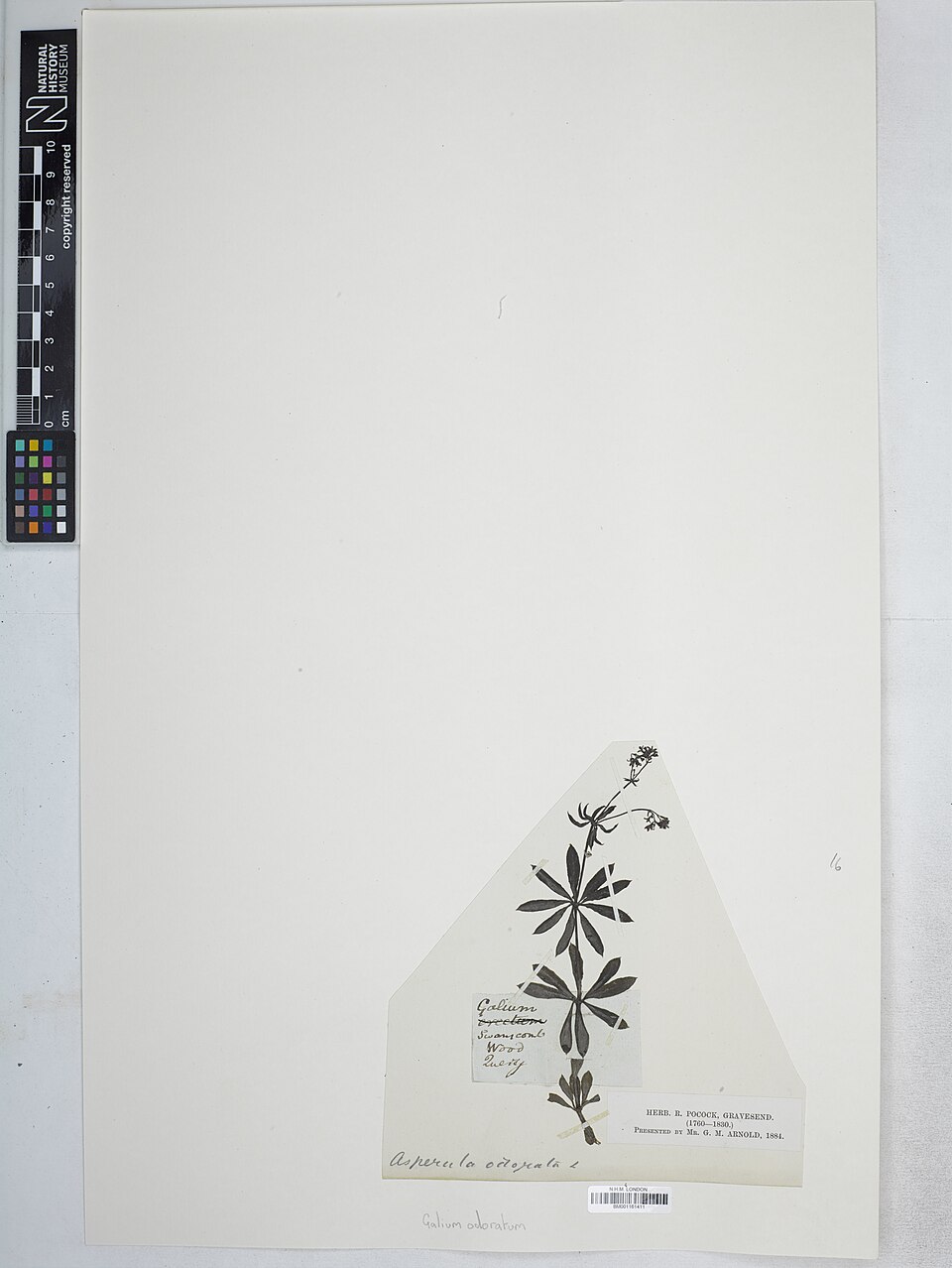
Woodruff, scientifically known as Galium odoratum (L.) Scop., is a charming perennial herb belonging to the extensive Rubiaceae family, which also includes the coffee plant. This herbaceous species typically attains a modest height of 15 to 30 centimeters, forming dense mats in its preferred habitats.
Its distinctive foliage consists of leaves arranged in striking whorls, usually numbering six to eight per node. Each leaf is lanceolate, measuring approximately 4 to 10 cm in length and 1 to 2 cm in width, and maintains a vibrant, deep green color throughout the growing season, providing attractive ground cover.
In late spring to early summer, Galium odoratum produces delicate, star-shaped flowers that are typically pure white to creamy-white. These small blossoms, about 4 mm in diameter with four petals, are often clustered at the stem tips, creating a visually appealing display that attracts a variety of pollinators.
The slender stems are characteristically square in cross-section and possess a smooth texture, complementing the lush foliage.
Native to the temperate regions of Europe, extending into parts of Iran and Siberia, woodruff thrives in the understory of shady woodlands, preferring moist, well-drained soils that are rich in organic matter. Its natural distribution highlights its adaptation to cool, shaded environments. Taxonomically, it is classified within the subfamily Rubioideae and the tribe Galieae, indicating its close kinship with other medicinally significant herbs in the family.
The plant is renowned for the unique, sweet aroma of its dried leaves, reminiscent of freshly cut hay, which is primarily attributed to the presence of coumarin, a naturally occurring organic compound. This distinctive scent has historically made woodruff a popular addition to traditional teas, beverages, and even culinary preparations.
Trusted Scientific References
1. Authoritative external sources for Galium odoratum (L.) Scop.
1.1 Wikipedia — Galium odoratum (L.) Scop.
1.2 Kew POWO (Plants of the World Online)
1.3 PubMed — peer-reviewed research
1.4 NCBI Taxonomy Browser
1.5 GBIF — Global Biodiversity
1.1.Woodruff — Distinguishing Points
- ✓Distinctive whorled leaves, typically 6 — 8 per node.
- ✓Small, star — shaped white flowers blooming in late spring to early summer.
- ✓Characteristic sweet, hay — like aroma when dried, due to coumarin.
- ✓Native to temperate — Native to temperate European woodlands, preferring shady, moist habitats.
- ✓Traditional uses span — Traditional uses span digestive aid, immune support, and mild sedation.
- ✓Contains bioactive compounds — Contains bioactive compounds like coumarins, flavonoids, and iridoid glycosides.
- ✓Easily identified by — Easily identified by its square stems and spreading groundcover habit.
- ✓Popular in traditional — Popular in traditional European cuisine, especially for flavoring beverages.
- ✓Requires caution due — Requires caution due to potential interactions and side effects related to coumarin.
- ✓Aesthetically pleasing as — Aesthetically pleasing as an ornamental groundcover in shaded gardens.
1.2.Woodruff — Snapshot Summary
- ✓Woodruff (Galium odoratum) is a shade-loving perennial herb known for its sweet, hay-like aroma.
- ✓Traditionally used for immune support, anti-inflammatory effects, and mild sedative properties.
- ✓Contains coumarins, flavonoids, and phenolic acids, contributing to its medicinal profile.
- ✓Caution is advised due to coumarin content, especially regarding liver health and blood clotting.
- ✓Used culinarily in beverages and as an aromatic in folk traditions.
- ✓Thrives in moist, shady woodland environments.
2.Woodruff — Botanical Identity
3.Woodruff — Fact Sheet
4.Woodruff — Physical Description
5.Woodruff — Origin & Spread
6.Woodruff — Heritage Uses
7.Woodruff — Phytochemistry
- ✓Coumarins — Primarily coumarin, responsible for the characteristic sweet aroma upon drying, and asperuloside, an iridoid glycoside that hydrolyzes into coumarin derivatives, contributing to its anti-inflammatory and diuretic potential.
- ✓Flavonoids — Including compounds like rutin and quercetin, which are potent antioxidants, contributing to the plant's protective effects against oxidative stress and inflammation.
- ✓Phenolic Acids — Such as caffeic acid and chlorogenic acid, these compounds exhibit strong antioxidant capabilities and may contribute to the plant's anti-inflammatory and antimicrobial activities.
- ✓Iridoid Glycosides — Asperuloside is a prominent example, which can contribute to the plant's mild laxative and anti-inflammatory properties, and is a precursor to coumarin.
- ✓Tannins — These astringent compounds contribute to the plant's traditional use in wound healing and as a mild anti-diarrheal agent, by binding to proteins and forming protective layers.
- ✓Alkaloids — While generally in low concentrations, certain alkaloids may be present, influencing various biological activities, though specific types and their effects are less studied in woodruff.
- ✓Saponins — These soap-like compounds may contribute to the plant's expectorant and diuretic effects, and can also have antimicrobial properties.
- ✓Ascorbic Acid (Vitamin C) — Present in varying amounts, contributing to its overall antioxidant profile and potential immune-supportive benefits.
8.Woodruff — Evidence-Based Benefits
- ✓Immune Support — Woodruff contains various phytochemicals that may modulate immune responses, helping to fortify the body's natural defenses and promote overall health.
- ✓Anti-inflammatory Effects — Compounds within Galium odoratum, such as certain flavonoids and iridoid glycosides, may help mitigate inflammatory processes, potentially reducing discomfort associated with minor inflammation.
- ✓Antioxidant Protection — The herb is rich in antioxidants, including phenolic acids, which combat oxidative stress by neutralizing free radicals, thereby protecting cellular integrity.
- ✓Digestive Health — Traditionally, woodruff has been used to support digestive function, potentially by calming gastrointestinal irritation and aiding in the healthy metabolism of food.
- ✓General Wellness Promotion — Through its diverse array of bioactive compounds, woodruff is believed to contribute to overall vitality and well-being, supporting various physiological systems.
- ✓Wound and Burn Healing — Preliminary research suggests that extracts of Galium odoratum may possess properties that accelerate the healing of skin wounds and burns, possibly due to its anti-inflammatory and antiseptic qualities.
- ✓Mild Sedative and Insomnia Relief — Historically, woodruff has been employed as a mild sedative to alleviate restlessness, agitation, and promote restful sleep, though scientific evidence is limited.
- ✓Migraine and Headache Alleviation — Traditional uses indicate its application for easing migraine headaches, possibly through its effects on circulation or anti-inflammatory pathways.
- ✓Diuretic Properties — The plant is traditionally recognized for its diuretic action, helping to increase urine flow and reduce water retention, which may benefit urinary tract health.
- ✓Circulatory Support — Some traditional practices suggest woodruff may support healthy circulation and address issues related to "weak veins," although this use lacks robust scientific validation.
- ✓Skin Condition Management — Applied topically, woodruff has been used in folk medicine for various skin diseases and swelling, potentially due to its soothing and healing properties.
- ✓Liver and Gallbladder Support — Traditional European herbalism has utilized woodruff for supporting the health of the liver and gallbladder, though specific mechanisms are not well-defined.
8.1.Woodruff — Conditions Traditionally Used For
9.Woodruff — Cautions & Contraindications
9.1.Woodruff — Possible Adverse Reactions
- ✓Headache — Consumption, particularly of larger amounts or concentrated forms, may lead to headaches, possibly due to coumarin content.
- ✓Liver Damage — High doses or prolonged use of woodruff, especially due to its coumarin content, can potentially cause liver damage.
- ✓Increased Bleeding Risk — Compounds in woodruff may slow blood clotting, increasing the risk of bruising and bleeding, especially in susceptible individuals.
- ✓Gastrointestinal Upset — Some individuals may experience mild digestive discomfort, such as nausea or stomach upset, particularly with high doses.
- ✓Skin Irritation — Topical application may cause skin irritation or allergic reactions in sensitive individuals.
- ✓Drowsiness — As a traditional mild sedative, it may induce drowsiness, particularly when combined with other sedatives or alcohol.
- ✓Photosensitivity — While rare, some coumarin-containing plants can increase skin sensitivity to sunlight.
9.2.Woodruff — Safety Profile
- ✓Pregnancy and Breastfeeding — Due to insufficient reliable information and potential coumarin risks, woodruff should be avoided during pregnancy and breastfeeding.
- ✓Bleeding Disorders — Individuals with bleeding disorders should avoid woodruff, as it may slow blood clotting and increase the risk of hemorrhage.
- ✓Scheduled Surgery — Discontinue woodruff use at least two weeks before any scheduled surgery to minimize the risk of excessive bleeding.
- ✓Liver Conditions — Patients with pre-existing liver conditions or those on hepatotoxic medications should use woodruff with extreme caution or avoid it entirely due to coumarin.
- ✓Anticoagulant Medications — Concurrent use with blood-thinning medications (e.g., warfarin, aspirin) is contraindicated due to an increased risk of bleeding.
- ✓Children — Woodruff is not recommended for use in children due to limited safety data and potential risks associated with coumarin.
- ✓Long-Term or High-Dose Use — Avoid prolonged or high-dose use of woodruff to minimize the risk of coumarin-related adverse effects, particularly liver toxicity.
10.Woodruff — Preparation Methods
- ✓Herbal Tea Infusion — Dried woodruff leaves can be steeped in hot water for 5-10 minutes to create a mild, aromatic herbal tea, often used for relaxation or digestive aid.
- ✓Culinary Flavoring — Fresh or dried woodruff is traditionally used to flavor beverages like May wine (Maibowle), syrups, and desserts, imparting its characteristic sweet, hay-like aroma.
- ✓Tincture Preparation — A concentrated liquid extract can be made by macerating dried woodruff in alcohol, allowing for precise dosing and extended shelf life.
- ✓Topical Compress — Infusions or diluted tinctures can be applied externally as a compress for minor skin irritations, wounds, or swelling, leveraging its traditional healing uses.
- ✓Herbal Poultice — Fresh, crushed woodruff leaves can be applied directly to the skin as a poultice for localized relief from minor aches or insect bites.
- ✓Aromatic Sachets — Dried woodruff is excellent for making fragrant sachets to freshen linens or act as a natural air freshener, due to its lasting, pleasant scent.
- ✓Bath Additive — A strong infusion of woodruff can be added to bathwater for a relaxing and aromatic experience, potentially soothing tired muscles.
11.Woodruff — Garden Cultivation
- ✓Site Selection — Choose a location with partial to full shade, mimicking its natural woodland habitat, as direct sun can scorch its delicate leaves.
- ✓Soil Requirements — Opt for moist, well-drained soil rich in organic matter, with a slightly acidic to neutral pH (6.0-7.0) for optimal growth.
- ✓Watering — Keep the soil consistently moist, especially during dry spells, but avoid waterlogging to prevent root rot.
- ✓Planting — Plant young woodruff plants or divisions in spring or early autumn, spacing them about 15-30 cm apart to allow for spreading.
- ✓Fertilization — A light application of balanced organic fertilizer or compost in spring can promote vigorous growth.
- ✓Propagation — Easily propagated by division of established clumps in spring or fall, or by collecting and sowing seeds, though seed germination can be slow.
- ✓Maintenance — Requires minimal maintenance; mulching helps retain soil moisture and suppress weeds, and occasional trimming can encourage denser growth.
- ✓Pest and Disease Control — Woodruff is generally robust but can be susceptible to slugs and snails in very moist conditions; monitor for fungal issues in overly damp environments.
Reviewed by the Flora Medical Global Botanical Review Panel
Multi-disciplinary editorial group · Botany · Ethnobotany · Herbal-medicine literature
Who reviewed this: This page was checked by the Flora Medical Global Botanical Review Panel — an in-house editorial group of botany graduates, ethnobotany researchers, and horticulture practitioners who collectively maintain our 7,000+ plant encyclopedia. Meet the team.
Our 4-step verification process
1. Taxonomic verification
Scientific names and synonyms cross-checked against Kew POWO, World Flora Online, and The Plant List.
2. Phytochemical & medicinal cross-reference
Active compounds, traditional uses, and reported activities are cross-referenced with PubMed, USDA Dr. Duke's database, and peer-reviewed ethnobotanical literature.
3. Conservation & distribution check
Distribution, ecology, and conservation status confirmed against GBIF occurrence records and the IUCN Red List.
4. Editorial & safety review
Every entry passes an editorial pass for clarity, originality, and safety notices (toxicity, contraindications, dosage caveats) before publication.
Last reviewed:
Important medical disclaimer: This content is for educational and research purposes only. It is not medical advice and is not a substitute for consultation with a licensed healthcare provider. Do not use any herb to self-treat a medical condition without professional guidance.
Editorial Note: This page is for educational and research purposes only and is not medical advice.
Written by: Flora Medical Global Editorial Team
Reviewed by: Flora Medical Global Botanical Review Panel
Last Updated: June 15, 2026





Woodruff — Comments & Community Reviews
Rate this plant