

Medical Disclaimer: This content is for educational purposes only. It is not medical advice. Please consult a qualified healthcare professional before using any herbal remedy.
Safety Overview
1.Wormseed — At a Glance
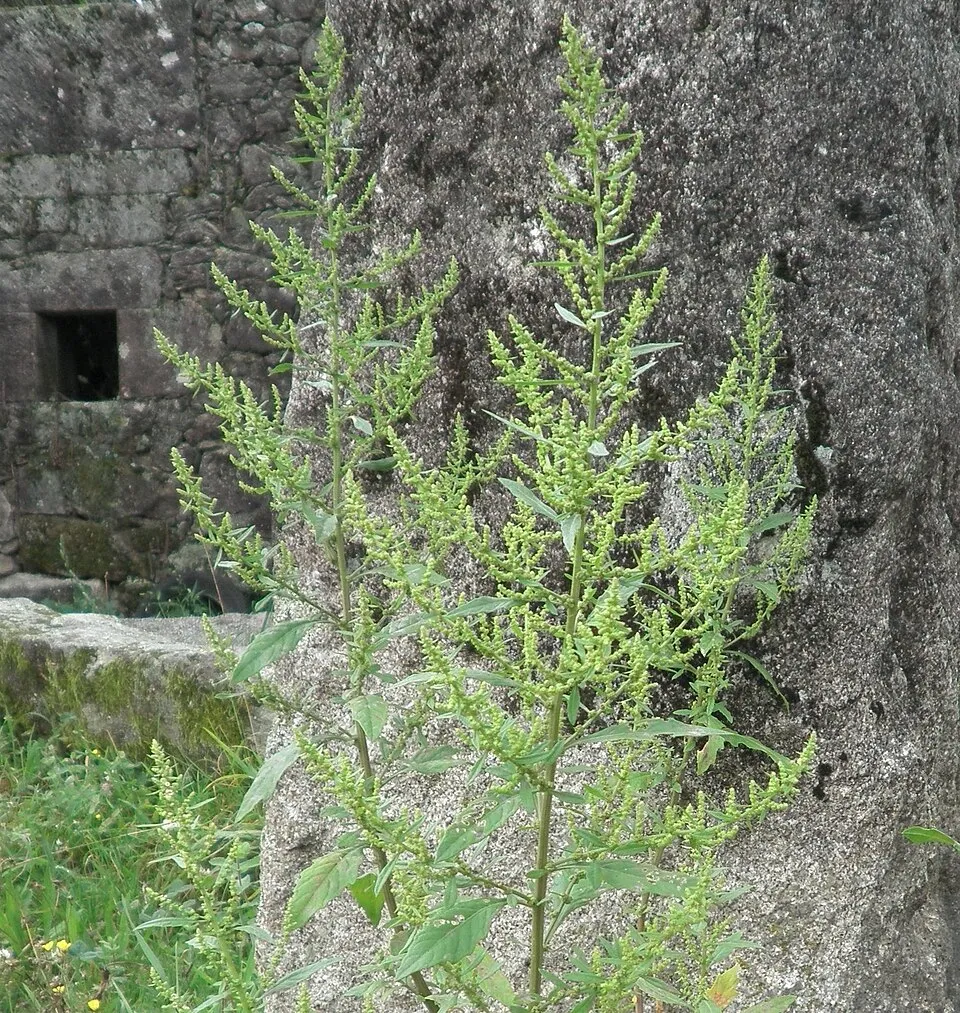
Wormseed (Dysphania ambrosioides), often recognized by its other common names like Epazote, Mexican Tea, or Paico, is a distinctive annual or short-lived perennial herb belonging to the Amaranthaceae family. Native to tropical Americas, its naturalized range now extends across North and South America and parts of Europe, thriving in diverse disturbed habitats such as cultivated fields, roadsides, streamsides, and waste places. The plant typically grows erect, reaching heights of 2 to 5 feet, characterized by numerous irregular side branches.
Both the stems and the green to yellow-green leaves are covered in minute glandular structures that secrete an aromatic oil, imparting a musky, somewhat malodorous scent when crushed. Its simple leaves are alternately arranged, ovate in shape, and measure 3-6 inches long by 1-3 inches wide, with margins that can vary from dentate to entire or lobed. During summer and fall, Dysphania ambrosioides produces small, inconspicuous greenish flowers arranged in dense clusters along spikes, interspersed with tiny leafy bracts.
These flowers are self or wind-pollinated, leading to the production of numerous small, black, egg-shaped achenes. The specific epithet 'ambrosioides' refers to its resemblance to certain unrelated plants within the Aster family, highlighting its unique aromatic profile.
Trusted Scientific References
1. Authoritative external sources for Dysphania ambrosioides
1.1 Wikipedia — Dysphania ambrosioides
1.2 Kew POWO (Plants of the World Online)
1.3 PubMed — peer-reviewed research
1.4 NCBI Taxonomy Browser
1.5 GBIF — Global Biodiversity
1.6Wormseed should be interpreted through verified botanical identity, practical care, and responsible safety language. This recovery note adds the missing context needed for a complete profile: match light to the plant's habit, use well-drained soil, water according to season, and avoid unsupported medicinal or edible claims. For publishing, the plant can be presented as a source-backed medicinal plant with clear care guidance, common problem diagnosis, and conservative safety wording.
1.1.Wormseed — Highlights
- ✓Potent Anthelmintic Action — Contains ascaridole, a strong compound against intestinal parasites.
- ✓Traditional Culinary Use — Widely known as Epazote in Mexican cuisine for flavor and anti-flatulent properties.
- ✓Aromatic Profile — Emits a distinct musky, somewhat malodorous scent due to glandular secretions.
- ✓Broad — Spectrum Bioactivity — Exhibits anti-inflammatory, antioxidant, and antimicrobial effects.
- ✓Significant Toxicity — Possesses medium severity poison characteristics, requiring extreme caution.
- ✓Amaranthaceae Family Member — Part of a diverse botanical family known for various food and medicinal plants.
- ✓Rapid Grower and Self — Seeder — A vigorous plant that can easily become weedy in disturbed areas.
- ✓Native to the Americas — Indigenous to tropical regions of the Americas with a long history of traditional use.
- ✓Heat Tolerant — Adapts well to warm climates and full sun conditions.
- ✓Rich in Essential Oils — Contains a complex blend of volatile compounds like camphor and thymol.
1.2.Wormseed — Quick Summary
- ✓Dysphania ambrosioides is a potent medicinal herb from the Amaranthaceae family, native to the Americas.
- ✓Historically valued for its anthelmintic properties, primarily due to ascaridole, and used as a culinary herb (Epazote).
- ✓Possesses anti-inflammatory, antioxidant, and antimicrobial activities, supported by compounds like flavonoids and essential oils.
- ✓Known for its toxicity; internal use, especially of the essential oil, is highly dangerous and not recommended without expert medical supervision.
- ✓Contraindicated in pregnancy, lactation, children, and individuals with liver, kidney, or neurological conditions.
- ✓Thrives in full sun and well-drained soil, but is also a common weed due to its rapid growth and self-seeding.
2.Wormseed — Botanical Identity
3.Wormseed — Fact Sheet
4.Wormseed — Physical Description
5.Wormseed — Native Range & Habitat
6.Wormseed — Traditional Uses
7.Wormseed — Key Phytochemicals
- ✓Monoterpenoids — Ascaridole is the primary bicyclic monoterpenoid, a major active constituent celebrated for its potent anthelmintic and insecticidal properties, often found in high concentrations within the essential oil.
- ✓Flavonoids — Compounds such as quercetin are present, contributing to the plant's antioxidant, anti-inflammatory, and potentially antihistaminic activities.
- ✓Essential Oils — The volatile oil fraction is complex, containing key terpenes like camphor and thymol, which impart antimicrobial, antifungal, and aromatic characteristics.
- ✓Piperidine Alkaloids — Including piperine and pipradrol, these alkaloids are known for their potential to enhance bioavailability of other compounds and may contribute to anthelmintic effects.
- ✓Saponins — These glycosides are found in the plant and may contribute to its saponolytic (red blood cell lysing) and some antimicrobial properties.
- ✓Tannins — Possessing astringent properties, tannins contribute to the plant's potential for wound healing and anti-diarrheal effects.
- ✓Sesquiterpenes — Other sesquiterpenoids are present in the essential oil, adding to the plant's complex array of bioactive compounds and contributing to its fragrance and biological activities.
- ✓Phenolic Acids — Various phenolic acids contribute to the overall antioxidant capacity of Dysphania ambrosioides, supporting cellular protection.
8.Wormseed — Pharmacological Findings
- ✓Anthelmintic Properties — Wormseed is historically renowned for its potent ability to expel intestinal parasites, primarily due to the active compound ascaridole, making it a traditional remedy for worm infestations.
- ✓Anti-inflammatory Effects — The plant contains various phytochemicals, including flavonoids, that contribute to reducing inflammation throughout the body, offering relief in conditions characterized by inflammatory responses.
- ✓Antioxidant Activity — Rich in compounds like quercetin, Dysphania ambrosioides helps combat oxidative stress by neutralizing free radicals, thereby protecting cells from damage and supporting overall cellular health.
- ✓Antimicrobial Action — Its essential oil components, such as camphor and thymol, exhibit broad-spectrum antimicrobial properties against bacteria, fungi, and potentially some viruses, aiding in the fight against infections.
- ✓Digestive Health Support — Traditionally used to alleviate digestive discomfort, particularly to reduce gas associated with the consumption of beans, Wormseed can promote smoother digestion.
- ✓Immune System Modulation — The collective action of its bioactive compounds may help modulate the immune system, enhancing the body's natural defense mechanisms against pathogens.
- ✓Antimalarial Potential — Preliminary research and traditional uses suggest that certain constituents of Wormseed may possess antimalarial properties, warranting further investigation.
- ✓Anti-fungal Efficacy — Specific components within the plant's essential oil have demonstrated significant antifungal activity, useful against various fungal pathogens.
- ✓Respiratory Support — In some traditional practices, Wormseed has been employed to address certain respiratory ailments, though scientific validation is limited.
- ✓Skin Health Benefits — Topical applications, with extreme caution, have been explored in traditional medicine for minor skin irritations due to its antimicrobial and anti-inflammatory properties.
8.1.Wormseed — Therapeutic Indications
9.Wormseed — Cautions & Contraindications
9.1.Wormseed — Caution Notes
- ✓Gastrointestinal Distress — Can cause nausea, vomiting, abdominal pain, and diarrhea, especially with higher doses or sensitive individuals.
- ✓Neurotoxicity — Overdoses, particularly of the essential oil (ascaridole), can lead to dizziness, confusion, convulsions, and even coma.
- ✓Hepatotoxicity — Prolonged or excessive use can result in liver damage, characterized by elevated liver enzymes.
- ✓Nephrotoxicity — Kidney damage is also a potential severe side effect from systemic toxicity.
- ✓Allergic Reactions — Individuals may experience skin rashes, itching, or respiratory issues upon contact or ingestion.
- ✓Teratogenicity — Known to be toxic to developing fetuses and should be strictly avoided during pregnancy.
- ✓Cardiotoxicity — In severe cases of poisoning, cardiac irregularities or failure can occur.
9.2.Wormseed — Safety Overview
- ✓Pregnancy and Lactation — Absolutely contraindicated in pregnant and breastfeeding women due to its abortifacient and toxic potential.
- ✓Children — Not safe for use in children due to their increased sensitivity to toxic compounds and potential for severe adverse effects.
- ✓Liver and Kidney Conditions — Individuals with pre-existing liver or kidney diseases should avoid Wormseed entirely due to its hepatotoxic and nephrotoxic properties.
- ✓Neurological Disorders — Contraindicated in individuals with epilepsy or other seizure disorders due to its potential neurotoxic effects.
- ✓Professional Guidance — Internal use of Wormseed, especially its essential oil, is highly discouraged and should only be considered under the strict supervision of a qualified healthcare professional.
- ✓Dosage Sensitivity — The therapeutic window for Wormseed is very narrow; even slightly exceeding traditional doses can lead to severe toxicity.
- ✓External Use Caution — Topical application should be approached with caution as it can cause skin irritation or allergic reactions in sensitive individuals.
10.Wormseed — Usage Guide
- ✓Traditional Anthelmintic Tea — Infusion prepared from the leaves and seeds historically used to expel intestinal worms, always with extreme caution due to its toxicity.
- ✓Culinary Herb (Epazote) — Fresh leaves are widely used in Mexican cuisine, particularly with bean dishes, to impart a distinctive flavor and help reduce flatulence.
- ✓Essential Oil — The distilled essential oil is highly concentrated and primarily used for research or in highly diluted forms under expert supervision for specific applications, never for internal self-medication.
- ✓Poultices — In some traditional systems, crushed leaves are applied externally as a poultice for minor skin ailments, though skin irritation is a potential risk.
- ✓Decoction — A stronger preparation made by boiling the plant material, sometimes used externally or, rarely and with great caution, internally in traditional medicine.
- ✓Incense/Fumigation — Dried leaves are occasionally burned as incense in traditional practices for their aromatic properties and perceived cleansing effects.
- ✓Herbal Extracts — Standardized extracts are used in some research settings to isolate specific compounds, not typically available for general public use due to toxicity.
- ✓Insect Repellent — The strong aroma of the plant is sometimes used as a natural insect repellent in gardens or homes.
11.Wormseed — How to Grow
- ✓Soil Preference — Thrives in moderately fertile, moist, well-drained soil; however, it is highly adaptable and can also grow in sandy and rocky soils of disturbed sites.
- ✓Light Requirements — Prefers full sun, requiring at least 6 or more hours of direct sunlight daily for optimal growth and volatile oil production.
- ✓Propagation — Primarily propagated by seed; the plant readily self-seeds, contributing to its weedy nature.
- ✓Growth Rate — Exhibits a rapid growth rate, quickly establishing itself in suitable conditions.
- ✓Water Needs — Requires consistent moisture but is tolerant of occasionally dry conditions once established.
- ✓Maintenance — Considered high maintenance due to its vigorous spreading and self-seeding habits, often requiring management to prevent it from becoming weedy.
- ✓Climate — Best suited for tropical and subtropical climates, though it can grow as an annual in temperate zones.
- ✓Pest and Disease Resistance — Generally resistant to many common pests and diseases, often due to its aromatic compounds, though it is considered a weed in many agricultural settings.
Reviewed by the Flora Medical Global Botanical Review Panel
Multi-disciplinary editorial group · Botany · Ethnobotany · Herbal-medicine literature
Who reviewed this: This page was checked by the Flora Medical Global Botanical Review Panel — an in-house editorial group of botany graduates, ethnobotany researchers, and horticulture practitioners who collectively maintain our 7,000+ plant encyclopedia. Meet the team.
Our 4-step verification process
1. Taxonomic verification
Scientific names and synonyms cross-checked against Kew POWO, World Flora Online, and The Plant List.
2. Phytochemical & medicinal cross-reference
Active compounds, traditional uses, and reported activities are cross-referenced with PubMed, USDA Dr. Duke's database, and peer-reviewed ethnobotanical literature.
3. Conservation & distribution check
Distribution, ecology, and conservation status confirmed against GBIF occurrence records and the IUCN Red List.
4. Editorial & safety review
Every entry passes an editorial pass for clarity, originality, and safety notices (toxicity, contraindications, dosage caveats) before publication.
Last reviewed:
Important medical disclaimer: This content is for educational and research purposes only. It is not medical advice and is not a substitute for consultation with a licensed healthcare provider. Do not use any herb to self-treat a medical condition without professional guidance.
Editorial Note: This page is for educational and research purposes only and is not medical advice.
Written by: Flora Medical Global Editorial Team
Reviewed by: Flora Medical Global Botanical Review Panel
Last Updated: June 15, 2026





Wormseed — Comments & Community Reviews
Rate this plant