
Medical Disclaimer: This content is for educational purposes only. It is not medical advice. Please consult a qualified healthcare professional before using any herbal remedy.
Safety Overview
1.Xanthium — Introduction & Highlights
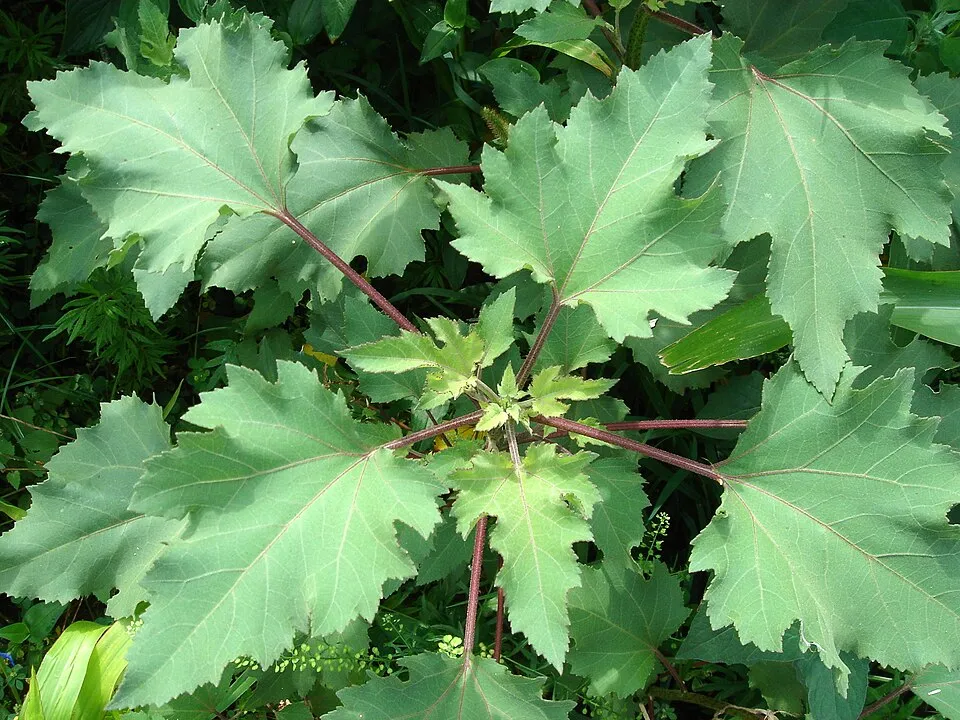
Xanthium strumarium, commonly known as cocklebur or spiny burdock, is a highly adaptable annual herb belonging to the Asteraceae family. This widespread plant typically grows to a height of 0.5 to 2 meters, characterized by a robust, often purplish-tinged, branched stem that can be smooth or slightly hairy. Its leaves are alternate, broadly ovate to heart-shaped, with irregularly toothed margins and a rough texture, often featuring three main veins from the base.
The inconspicuous green flowers are monoecious, with male flowers clustered at the apex of the stem and female flowers located in the leaf axils below. The most distinctive feature of Xanthium strumarium is its fruit—an oval-shaped, woody bur covered densely with stiff, hooked spines and two prominent apical beaks. These burs are highly effective for dispersal, clinging to animal fur or human clothing, facilitating its rapid spread across various environments.
Ecologically, Xanthium strumarium is a cosmopolitan weed, thriving in disturbed soils, roadsides, agricultural fields, riverbanks, and waste areas across temperate and tropical regions worldwide. Its remarkable adaptability to diverse environmental conditions, including varying soil types and moisture levels, contributes to its pervasive presence.
While often regarded as an agricultural nuisance due to its competitive growth and bur production, its widespread distribution underscores its resilience and ecological success. The plant completes its life cycle within a single growing season, producing abundant seeds that can remain viable in the soil for several years, ensuring its continued proliferation.
Trusted Scientific References
1. Authoritative external sources for Xanthium strumarium
1.1 Wikipedia — Xanthium strumarium
1.2 Kew POWO (Plants of the World Online)
1.3 PubMed — peer-reviewed research
1.4 NCBI Taxonomy Browser
1.5 GBIF — Global Biodiversity
1.6Xanthium should be interpreted through verified botanical identity, practical care, and responsible safety language. This recovery note adds the missing context needed for a complete profile: match light to the plant's habit, use well-drained soil, water according to season, and avoid unsupported medicinal or edible claims. For publishing, the plant can be presented as a source-backed medicinal plant with clear care guidance, common problem diagnosis, and conservative safety wording.
1.1.Xanthium — Standout Qualities
- ✓Global Distribution — A cosmopolitan weed found across temperate and tropical zones.
- ✓Distinctive Burs — Oval-shaped fruits covered in hooked spines for efficient dispersal.
- ✓Traditional Chinese Medicine (TCM) — Highly valued as 'Cang Er Zi' for various ailments.
- ✓Rich Phytochemistry — Contains potent sesquiterpene lactones, flavonoids, and coumarins.
- ✓Anti — allergic Properties — Clinically investigated for its efficacy in allergic rhinitis.
- ✓Significant Toxicity Risk — Raw plant parts are dangerous, requiring specific detoxification for medicinal use.
- ✓Adaptable Growth — Thrives in disturbed soils, roadsides, and agricultural fields.
- ✓Annual Life Cycle — Completes its growth and reproduction within a single year.
- ✓Anti — inflammatory Action — Possesses compounds that reduce inflammation in the body.
- ✓Antimicrobial Effects — Demonstrated activity against various bacterial and fungal pathogens.
1.2.Xanthium — In Brief
- ✓Xanthium strumarium, or cocklebur, is a globally widespread annual herb known for its burred fruits.
- ✓Traditionally, it's a key herb (Cang Er Zi) in TCM for rhinitis, headaches, and skin issues.
- ✓Modern research confirms its anti-inflammatory, antioxidant, antimicrobial, and antitumor properties.
- ✓Key compounds include sesquiterpene lactones (e.g., xanthatin) responsible for many benefits.
- ✓Raw seeds and young seedlings are highly toxic due to carboxyatractyloside, causing severe liver damage.
- ✓Proper processing and expert guidance are crucial for safe medicinal application.
2.Xanthium — Systematic Position
3.Xanthium — Quick Facts
4.Xanthium — Morphological Account
5.Xanthium — Where It Grows
6.Xanthium — Cultural & Traditional Roles
7.Xanthium — Secondary Metabolites
- ✓Sesquiterpene Lactones — Key compounds include xanthatin, xanthinin, xanthumin, and xanthanolides, which are largely responsible for the plant's anti-inflammatory, antimicrobial, and cytotoxic activities.
- ✓Diterpenoids — Various diterpenoid compounds have been isolated, contributing to the plant's diverse pharmacological effects, including anti-inflammatory and potential anticarcinogenic properties.
- ✓Flavonoids — Quercetin, luteolin, and their glycosides are present, imparting significant antioxidant and anti-inflammatory benefits by scavenging free radicals and modulating immune responses.
- ✓Coumarins — Compounds such as scopoletin and esculetin contribute to the plant's anti-inflammatory and potential anticoagulant activities, enhancing its therapeutic profile.
- ✓Phenylpropenoids — These compounds, including caffeic acid derivatives, possess antioxidant and anti-inflammatory properties, supporting the plant's role in traditional medicine.
- ✓Lignanoids — Found in the plant, lignans are known for their antioxidant, anti-inflammatory, and potential estrogenic activities, adding to the plant's complex phytochemistry.
- ✓Steroids — Phytosterols like beta-sitosterol are present, contributing to anti-inflammatory and cholesterol-lowering effects.
- ✓Glycosides — Various glycosidic compounds, including triterpene saponins, contribute to the plant's overall biological activity, potentially influencing immune and metabolic functions.
- ✓Fatty Acids — The seeds are rich in fatty acids, including linoleic and oleic acids, which are important for nutritional value and may have anti-inflammatory roles.
- ✓Carboxyatractyloside — A highly toxic diterpenoid glycoside primarily found in raw seeds and young seedlings, responsible for the plant's severe hepatotoxicity if ingested improperly.
- ✓Thiazides and Anthraquinones — Though less prominent, these compound classes may also be present, contributing to minor pharmacological effects or acting as markers.
8.Xanthium — Modern Studies
- ✓Anti-allergic Rhinitis — Extracts of Xanthium strumarium, particularly the fruits, have demonstrated significant efficacy in alleviating symptoms of allergic rhinitis by modulating immune responses and reducing inflammatory mediators.
- ✓Anti-inflammatory Action — The plant contains sesquiterpene lactones and other compounds that inhibit pro-inflammatory pathways, offering potential relief for conditions characterized by inflammation.
- ✓Antimicrobial Properties — Studies indicate that Xanthium extracts possess inhibitory effects against various bacteria and fungi, suggesting its use in traditional medicine for treating infections.
- ✓Antioxidant Activity — Rich in flavonoids and other phenolic compounds, Xanthium strumarium helps neutralize free radicals, protecting cells from oxidative damage and contributing to overall cellular health.
- ✓Antitumor Potential — Specific compounds, such as xanthatin, have shown cytotoxic effects against various cancer cell lines in vitro, indicating potential as an anticancer agent.
- ✓Nasal Decongestion — Traditionally used in TCM as 'Cang Er Zi,' the fruits are well-regarded for clearing nasal passages and relieving sinus congestion associated with colds, allergies, and sinusitis.
- ✓Headache Relief — In traditional systems, Xanthium strumarium is employed to alleviate headaches, particularly those linked to sinus pressure or cold symptoms, due to its decongestant and anti-inflammatory effects.
- ✓Skin Condition Management — Applied topically as a poultice, it has been used to soothe skin irritations such as eczema, pruritus, and urticaria, owing to its anti-inflammatory and antipruritic actions.
- ✓Fever Reduction — Traditional practices utilize Xanthium for its febrifuge properties, helping to reduce fever associated with various infections and inflammatory states.
- ✓Immune System Support — Certain constituents may modulate immune function, enhancing the body's natural defenses against pathogens and contributing to general wellness.
- ✓Digestive Health Promotion — While less documented in modern research, traditional uses suggest benefits for gastric ulcers and other digestive complaints, possibly through anti-inflammatory or antimicrobial effects.
- ✓Antimalarial Properties — Historically, Xanthium strumarium has been used in some regions to treat malaria, a use that warrants further scientific investigation into its specific mechanisms.
8.1.Xanthium — Conditions Traditionally Used For
9.Xanthium — Precautions & Warnings
9.1.Xanthium — Side Effects & Warnings
- ✓Hepatotoxicity — Ingestion of raw seeds or young seedlings can cause severe liver damage due to carboxyatractyloside, leading to symptoms like vomiting, abdominal pain, jaundice, and liver failure.
- ✓Gastrointestinal Distress — Nausea, vomiting, diarrhea, and abdominal discomfort may occur, particularly with improper dosage or preparation.
- ✓Allergic Reactions — Sensitive individuals may experience allergic responses such as skin rashes, itching, or respiratory symptoms.
- ✓Central Nervous System Effects — High doses or improper use can lead to neurological symptoms including convulsions and tremors.
- ✓Hypoglycemia — Some studies suggest a potential to lower blood sugar, which could be problematic for individuals with diabetes or on hypoglycemic medications.
- ✓Kidney Damage — In severe cases of poisoning, renal impairment can occur alongside liver damage.
- ✓Blood Pressure Changes — Potential for affecting blood pressure, requiring caution in individuals with cardiovascular conditions.
9.2.Xanthium — Risk Assessment
- ✓Avoid Raw Forms — Raw seeds and young seedlings of Xanthium strumarium are highly toxic and must never be consumed due to lethal hepatotoxicity.
- ✓Professional Guidance Essential — Medicinal use should only be under the strict supervision of a qualified medical herbalist or TCM practitioner who understands proper processing and dosage.
- ✓Contraindicated in Pregnancy and Lactation — Due to potential toxicity and lack of safety data, pregnant and breastfeeding women should avoid its use.
- ✓Not for Children — Xanthium strumarium is generally contraindicated for use in infants and young children due to their increased susceptibility to toxicity.
- ✓Caution with Liver/Kidney Conditions — Individuals with pre-existing liver or kidney diseases should strictly avoid this herb, even in processed forms, due to potential exacerbation.
- ✓Monitor Blood Sugar Levels — Diabetics or those on medications affecting blood sugar should use with extreme caution and monitor glucose levels closely.
- ✓Allergic Sensitivity — Individuals with known allergies to plants in the Asteraceae family should exercise caution or avoid use.
10.Xanthium — Preparation & Dosage
- ✓Decoction for Internal Use — Dried and processed Xanthium fruits (Cang Er Zi) are commonly prepared as a decoction, boiled in water, for oral consumption to treat rhinitis, headaches, and sinus issues.
- ✓Topical Poultice — Crushed leaves or fruits, sometimes mixed with other herbs, can be applied externally as a poultice to alleviate skin conditions like eczema, pruritus, and swelling.
- ✓Tincture Preparation — A tincture can be made by steeping processed Xanthium material in alcohol, offering a concentrated form for internal or external application, with careful dosage.
- ✓Powdered Form — Dried and finely ground fruits can be encapsulated or mixed with other herbal powders for internal use, especially in Traditional Chinese Medicine formulas.
- ✓Oil Infusion — For topical applications, Xanthium can be infused into a carrier oil (e.g., olive oil) to create a soothing rub for muscle aches or skin irritations.
- ✓Processing for Detoxification — Raw seeds and young seedlings are highly toxic; medicinal use mandates specific processing (e.g., stir-frying or roasting) to reduce toxicity, as prescribed by traditional practitioners.
- ✓Herbal Combinations — Xanthium strumarium is frequently used in synergistic herbal formulas in TCM, combined with other herbs to enhance efficacy and mitigate potential side effects.
11.Xanthium — Growth Requirements
- ✓Seed Propagation — Xanthium strumarium is primarily propagated by seeds, which can remain viable in the soil for several years, ensuring consistent regrowth.
- ✓Soil Preference — Thrives in a wide range of soils but prefers well-drained, fertile loams; highly adaptable to disturbed and compacted soils.
- ✓Light Requirements — Requires full sun exposure for optimal growth and fruit production, though it can tolerate partial shade.
- ✓Water Needs — Exhibits moderate water requirements but is quite drought-tolerant once established, benefiting from consistent moisture during germination and early growth.
- ✓Temperature Range — Prefers warm to temperate climates; as an annual, it completes its life cycle within one growing season before the onset of frost.
- ✓Weed Management — Due to its prolific seeding and competitive nature, careful management is required if cultivated, to prevent it from becoming an invasive weed.
- ✓Harvest Time — Fruits (burs) are typically harvested in late summer to early autumn when they are mature and dry, before natural dispersal.
Reviewed by the Flora Medical Global Botanical Review Panel
Multi-disciplinary editorial group · Botany · Ethnobotany · Herbal-medicine literature
Who reviewed this: This page was checked by the Flora Medical Global Botanical Review Panel — an in-house editorial group of botany graduates, ethnobotany researchers, and horticulture practitioners who collectively maintain our 7,000+ plant encyclopedia. Meet the team.
Our 4-step verification process
1. Taxonomic verification
Scientific names and synonyms cross-checked against Kew POWO, World Flora Online, and The Plant List.
2. Phytochemical & medicinal cross-reference
Active compounds, traditional uses, and reported activities are cross-referenced with PubMed, USDA Dr. Duke's database, and peer-reviewed ethnobotanical literature.
3. Conservation & distribution check
Distribution, ecology, and conservation status confirmed against GBIF occurrence records and the IUCN Red List.
4. Editorial & safety review
Every entry passes an editorial pass for clarity, originality, and safety notices (toxicity, contraindications, dosage caveats) before publication.
Last reviewed:
Important medical disclaimer: This content is for educational and research purposes only. It is not medical advice and is not a substitute for consultation with a licensed healthcare provider. Do not use any herb to self-treat a medical condition without professional guidance.
Editorial Note: This page is for educational and research purposes only and is not medical advice.
Written by: Flora Medical Global Editorial Team
Reviewed by: Flora Medical Global Botanical Review Panel
Last Updated: June 15, 2026





Xanthium — Comments & Community Reviews
Rate this plant