
Medical Disclaimer: This content is for educational purposes only. It is not medical advice. Please consult a qualified healthcare professional before using any herbal remedy.
Safety Overview
1.Xanthosoma Garden — At a Glance
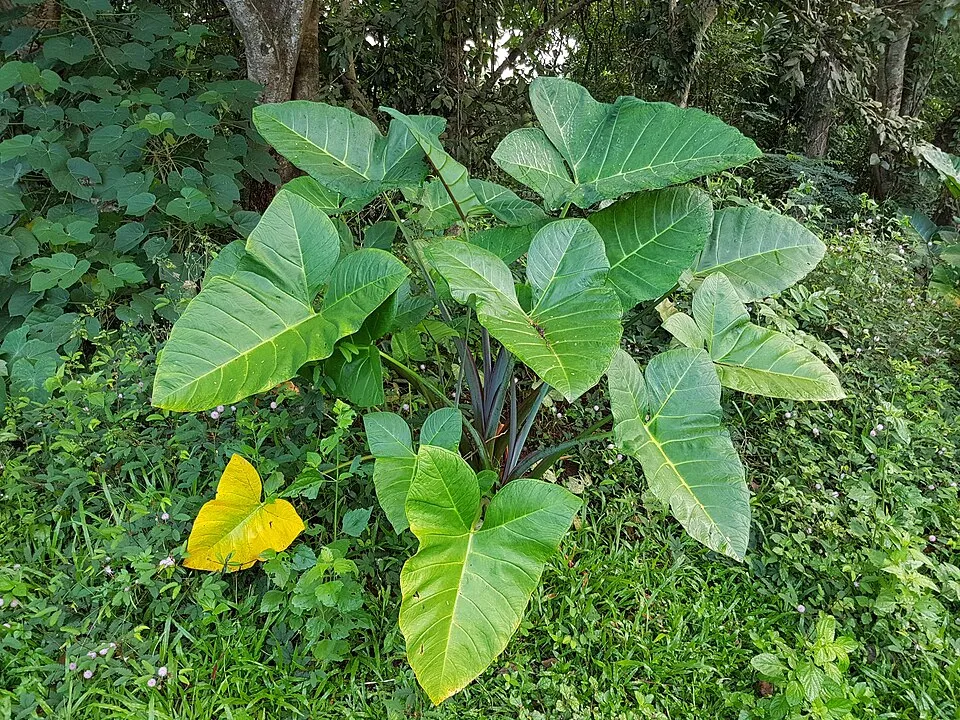
Xanthosoma sagittifolium, widely known as arrowleaf elephant ear, malanga, taro, or cocoyam, is a prominent tropical perennial belonging to the Araceae family. This robust plant typically attains impressive heights of 1.2 to 2.4 meters (4 to 8 feet), distinguished by its striking, large, and glossy green leaves. These leaves are characteristically sagittate (arrowhead-shaped) to broadly cordate, often reaching lengths of 60 to 90 cm (2 to 3 feet), and feature deeply impressed venation that significantly enhances their ornamental appeal.
The plant's thick, often subtly ribbed stem, which varies in hue from vibrant green to light brown, provides sturdy support for the extensive foliage. While primarily valued for its substantial edible corms and nutritious leaves, Xanthosoma sagittifolium also produces the characteristic inflorescence of the Araceae family—a spadix gracefully encased by a pale yellowish-white spathe, bearing a resemblance to the elegant calla lily. It is indigenous to the humid, warm ecosystems of tropical Americas, specifically regions stretching from Mexico down to Brazil, thriving in environments with consistent moisture such as rainforest understories, along riverbanks, and in marshy areas.
Its cultivation has broadened globally, establishing it as a crucial staple food crop across tropical and subtropical zones in Africa, Asia, and the Pacific Islands. Taxonomically, Xanthosoma is notably differentiated from similar aroids like Colocasia by the distinct attachment point of the petiole to the leaf blade; in Xanthosoma, the petiole typically joins at the base of the 'V' of the sagittate leaf, rather than centrally. The plant's inherent resilience and adaptability to a range of well-draining, organic-rich soil conditions make it an invaluable species for both agricultural production and ornamental landscaping endeavors.
Trusted Scientific References
1. Authoritative external sources for Xanthosoma sagittifolium
1.1 Wikipedia — Xanthosoma sagittifolium
1.2 Kew POWO (Plants of the World Online)
1.3 PubMed — peer-reviewed research
1.4 NCBI Taxonomy Browser
1.5 GBIF — Global Biodiversity
1.1.Xanthosoma Garden — Distinguishing Points
- ✓Common Names — Arrowleaf elephant ear, malanga, taro, cocoyam.
- ✓Scientific Name — Xanthosoma sagittifolium.
- ✓Family — Araceae (Arum family).
- ✓Edible Parts — Corms (tubers) and young leaves (must be cooked).
- ✓Leaf Morphology — Large, sagittate (arrowhead-shaped) to cordate leaves with prominent venation.
- ✓Growth Habit — Robust perennial, typically growing 1.2 to 2.4 meters (4 to 8 feet) tall.
- ✓Native Range — Tropical Americas, from Mexico to Brazil.
- ✓Global Cultivation — Widely cultivated as a staple food crop in tropical and subtropical regions worldwide.
- ✓Toxicity — Contains calcium oxalate crystals, requiring thorough cooking before consumption.
- ✓Nutritional Value — High in carbohydrates, fiber, Vitamin C, B vitamins, and essential minerals.
1.2.Xanthosoma Garden — Concise Overview
- ✓Xanthosoma sagittifolium is a tropical perennial valued for edible corms and leaves.
- ✓Rich in complex carbohydrates, vitamins (C, B-complex), and minerals.
- ✓Must be thoroughly cooked to neutralize irritating calcium oxalate.
- ✓Supports digestive health, immunity, and provides antioxidant benefits.
- ✓Native to tropical Americas, now a global staple food crop.
- ✓Known for its large, arrow-shaped leaves and significant nutritional profile.
2.Xanthosoma Garden — Botanical Identity
3.Xanthosoma Garden — Fact Sheet
4.Xanthosoma Garden — Physical Description
5.Xanthosoma Garden — Ecological Habitat
6.Xanthosoma Garden — Traditional Uses
7.Xanthosoma Garden — Key Phytochemicals
- ✓Carbohydrates — Primarily complex starches like amylose and amylopectin, constituting the bulk of the corm's dry weight, providing sustained energy.
- ✓Dietary Fiber — Both soluble and insoluble fibers, including cellulose, hemicellulose, and pectin, essential for digestive health and blood sugar regulation.
- ✓Vitamins — High levels of Ascorbic Acid (Vitamin C), Thiamine (B1), Riboflavin (B2), Niacin (B3), Pyridoxine (B6), and Folate (B9), critical for metabolic processes and immune function.
- ✓Minerals — Significant concentrations of Calcium (Ca), Iron (Fe), Phosphorus (P), Potassium (K), Magnesium (Mg), and Zinc (Zn), vital for bone health, electrolyte balance, and enzymatic activities.
- ✓Phenolic Compounds — Flavonoids (e.g., quercetin, kaempferol glycosides) and phenolic acids (e.g., caffeic acid, ferulic acid), contributing to antioxidant and anti-inflammatory activities.
- ✓Saponins — Glycosides with potential hemolytic, anti-inflammatory, and cholesterol-lowering properties, though also contributing to bitterness.
- ✓Alkaloids — Various nitrogen-containing compounds, often present in trace amounts, with diverse pharmacological activities; specific types in Xanthosoma require further elucidation.
- ✓Triterpenoids — Compounds known for their anti-inflammatory, antimicrobial, and adaptogenic potential, found in many plant species.
- ✓Oxalates — Calcium oxalate crystals (raphides and druses) are present in all parts of the plant, responsible for the irritating sensation if consumed raw or improperly prepared.
- ✓Proteins — Contains essential amino acids, particularly in the leaves, contributing to the plant's overall nutritional value, though not a primary protein source.
8.Xanthosoma Garden — Pharmacological Findings
- ✓Nutritional Support — Xanthosoma sagittifolium corms and leaves are profoundly rich in complex carbohydrates, a spectrum of vitamins (notably Vitamin C and B-complex vitamins like thiamine, riboflavin, and niacin), and essential minerals such as iron, phosphorus, and calcium, providing vital energy and micronutrients crucial for metabolic functions.
- ✓Digestive Health Enhancement — The significant dietary fiber content in both the corms and leaves promotes healthy bowel function, aiding in the prevention of constipation and supporting a balanced gut microbiome, which is essential for overall digestive wellness.
- ✓Antioxidant Protection — Abundant in Vitamin C and various phenolic compounds, Xanthosoma sagittifolium exhibits potent antioxidant activities, helping to neutralize free radicals and reduce oxidative stress, thereby protecting cellular integrity and potentially lowering the risk of chronic diseases.
- ✓Immune System Fortification — The high concentration of Vitamin C, alongside other vitamins and minerals, plays a critical role in bolstering the immune system, enhancing the body's ability to defend against infections and illnesses.
- ✓Energy Metabolism Support — B-complex vitamins present in the plant are integral cofactors in numerous enzymatic reactions involved in energy production from carbohydrates, fats, and proteins, supporting sustained energy levels and reducing fatigue.
- ✓Bone Health Contribution — Calcium and phosphorus, vital minerals found in Xanthosoma sagittifolium, are fundamental building blocks for strong bones and teeth, contributing to skeletal health and potentially mitigating the risk of osteoporosis.
- ✓Anemia Prevention — The iron content, particularly in the leaves, is beneficial for red blood cell formation and oxygen transport, making it a valuable dietary component in preventing and managing iron-deficiency anemia.
- ✓Blood Sugar Regulation — The complex carbohydrates and dietary fiber contribute to a more gradual release of glucose into the bloodstream, which can aid in stabilizing blood sugar levels, making it a potentially beneficial food for managing glycemic response.
- ✓Anti-inflammatory Properties — Preliminary research suggests that certain phytochemicals in Xanthosoma may possess anti-inflammatory effects, potentially offering relief from inflammatory conditions, although more targeted studies are needed.
- ✓Skin Health Promotion — Vitamin C is crucial for collagen synthesis, supporting skin elasticity and wound healing, while antioxidants protect skin cells from environmental damage, contributing to healthier skin.
8.1.Xanthosoma Garden — Indications & Uses
9.Xanthosoma Garden — Safety & Side Effects
9.1.Xanthosoma Garden — Caution Notes
- ✓Oral Irritation — Raw or improperly cooked corms and leaves cause severe burning, itching, and swelling of the mouth, throat, and digestive tract due to calcium oxalate crystals.
- ✓Gastrointestinal Distress — Ingestion of inadequately prepared Xanthosoma can lead to nausea, vomiting, abdominal pain, and diarrhea.
- ✓Skin Irritation — Direct contact with the sap or raw plant material can cause skin irritation, itching, and dermatitis in sensitive individuals.
- ✓Allergic Reactions — Rare instances of allergic reactions, including hives, swelling, and difficulty breathing, may occur in susceptible individuals.
- ✓Kidney Stone Risk — Prolonged excessive consumption of oxalate-rich foods might theoretically contribute to kidney stone formation in prone individuals, though proper cooking significantly reduces oxalate content.
- ✓Toxicity to Pets — All parts of the plant are toxic to pets (dogs, cats, horses) if ingested, leading to oral irritation, vomiting, difficulty swallowing, and excessive drooling.
- ✓Drug Interactions — While not extensively studied for Xanthosoma, high fiber intake can affect the absorption of certain medications; consult a healthcare professional.
9.2.Xanthosoma Garden — Risk Assessment
- ✓Mandatory Cooking — All parts of Xanthosoma sagittifolium must be thoroughly cooked before consumption to neutralize harmful calcium oxalate crystals and render them safe.
- ✓Avoid Raw Consumption — Never consume raw corms or leaves due to their inherent toxicity and severe irritant properties.
- ✓Handling Precautions — Wear gloves when handling raw plant material, especially if you have sensitive skin, to prevent contact dermatitis.
- ✓Pet Safety — Keep Xanthosoma plants out of reach of pets, as ingestion can cause significant oral and gastrointestinal distress.
- ✓Pregnancy & Lactation — Due to insufficient research on its medicinal use, pregnant and breastfeeding individuals should exercise caution and consult a healthcare provider.
- ✓Individuals with Kidney Issues — Those prone to kidney stones or with existing kidney disease should consume Xanthosoma in moderation and always ensure proper cooking to minimize oxalate intake.
- ✓Allergic Sensitivity — Individuals with known allergies to other Araceae family members or oxalate-rich foods should approach with caution.
10.Xanthosoma Garden — Usage Guide
- ✓Corm Preparation — The primary edible part, corms must be thoroughly cooked (boiled, roasted, fried, or mashed) to neutralize calcium oxalate crystals before consumption.
- ✓Leafy Green Cooking — Young, tender leaves can be cooked like spinach or other greens, typically boiled and drained multiple times to remove irritants, then used in stews or curries.
- ✓Flour Production — Dried and ground corms can be processed into flour, used as a gluten-free alternative in baking or as a thickener in soups and sauces.
- ✓Traditional Stews — In many cultures, both corms and leaves are staple ingredients in hearty stews and soups, providing significant caloric and nutritional value.
- ✓Fritters and Chips — Cooked corms can be sliced and fried to make crispy chips or mashed and mixed with spices to form fritters, offering versatile culinary options.
- ✓Medicinal Decoctions — In some traditional systems, specific preparations (e.g., boiled corm water or leaf infusions) are used for their purported nutritional or mild therapeutic effects, always after proper detoxification.
- ✓Animal Feed Supplement — Cooked corms and leaves are sometimes used as a nutritional supplement in animal feed, particularly for livestock, after ensuring proper processing to eliminate toxins.
- ✓Fermentation — In certain regions, Xanthosoma corms are fermented to produce beverages or fermented pastes, which can enhance nutrient availability and reduce anti-nutritional factors.
11.Xanthosoma Garden — Cultivation & Care
- ✓Light Requirements — Prefers bright, indirect light indoors; outdoors, thrives in full sun to partial shade, avoiding harsh direct afternoon sun which can scorch foliage.
- ✓Soil Preference — Requires well-draining, moist, humus-rich soil or potting mix; avoid dense clays and very loose, dry sands, with an ideal pH of acidic to neutral.
- ✓Watering Schedule — Needs regular and thorough watering, keeping the soil consistently moist but not waterlogged; allow the top inch of soil to dry out slightly between waterings.
- ✓Temperature & Humidity — Best grown in temperatures between 16-27°C (60-80°F); thrives in high humidity (60% or above), benefit from humidifiers or pebble trays indoors.
- ✓Fertilization — Heavy feeder; fertilize every 2-3 weeks during the growing season with a weak liquid fertilizer or organic fish emulsion to promote lush foliage.
- ✓Propagation — Primarily propagated by division of tubers, corms, or pups from mature, healthy plants in spring, ensuring each cutting has a viable growth point.
- ✓Pruning — Minimal pruning required; simply remove old, yellowed, or unhealthy leaves to redirect plant energy to new, healthy growth.
- ✓Repotting — Repot houseplants every few years or when root-bound, choosing a pot only one size larger in diameter with fresh, well-draining soil.
Reviewed by the Flora Medical Global Botanical Review Panel
Multi-disciplinary editorial group · Botany · Ethnobotany · Herbal-medicine literature
Who reviewed this: This page was checked by the Flora Medical Global Botanical Review Panel — an in-house editorial group of botany graduates, ethnobotany researchers, and horticulture practitioners who collectively maintain our 7,000+ plant encyclopedia. Meet the team.
Our 4-step verification process
1. Taxonomic verification
Scientific names and synonyms cross-checked against Kew POWO, World Flora Online, and The Plant List.
2. Phytochemical & medicinal cross-reference
Active compounds, traditional uses, and reported activities are cross-referenced with PubMed, USDA Dr. Duke's database, and peer-reviewed ethnobotanical literature.
3. Conservation & distribution check
Distribution, ecology, and conservation status confirmed against GBIF occurrence records and the IUCN Red List.
4. Editorial & safety review
Every entry passes an editorial pass for clarity, originality, and safety notices (toxicity, contraindications, dosage caveats) before publication.
Last reviewed:
Important medical disclaimer: This content is for educational and research purposes only. It is not medical advice and is not a substitute for consultation with a licensed healthcare provider. Do not use any herb to self-treat a medical condition without professional guidance.
Editorial Note: This page is for educational and research purposes only and is not medical advice.
Written by: Flora Medical Global Editorial Team
Reviewed by: Flora Medical Global Botanical Review Panel
Last Updated: June 15, 2026





Xanthosoma Garden — Comments & Community Reviews
Rate this plant