

Medical Disclaimer: This content is for educational purposes only. It is not medical advice. Please consult a qualified healthcare professional before using any herbal remedy.
Safety Overview
1.Xerochrysum Bracteatum — Plant Snapshot
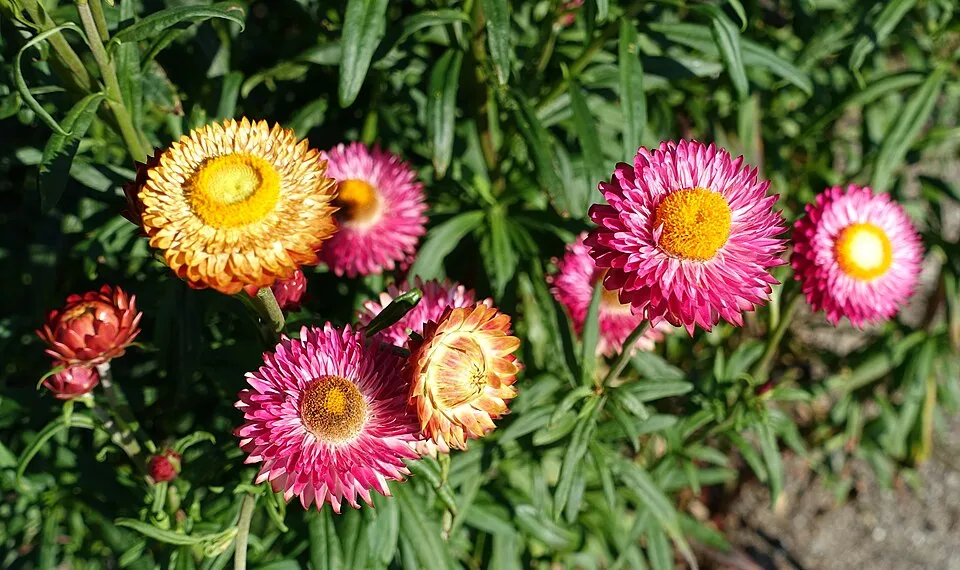
Xerochrysum bracteatum, commonly known as the Strawflower or Everlasting Daisy, is a captivating herbaceous plant belonging to the Asteraceae family. Native to the diverse landscapes of Australia, it thrives in a variety of open, often dry, and sunny habitats across the continent. This species is celebrated for its distinctive daisy-like inflorescences, which are not true petals but rather stiff, papery bracts that radiate around a central disk of florets.
These bracts come in an astonishing spectrum of colors, including vivid yellows, oranges, reds, pinks, and pristine whites, maintaining their structural integrity and brilliant hue long after being cut and dried. Growing as an upright, bushy annual or a short-lived perennial in warmer climates (USDA Zones 8-11), Xerochrysum bracteatum typically reaches heights of 1 to 3 feet (30-90 cm) with a spread of 6 to 18 inches (15-45 cm). Its stems are generally sturdy, supporting lance-shaped to linear leaves that are often slightly hairy.
The unique, almost straw-like texture of its flowers is a key morphological feature that distinguishes it and contributes to its popularity in the floristry and ornamental gardening industries worldwide.
Trusted Scientific References
1. Authoritative external sources for Xerochrysum Bracteatum
1.1 Wikipedia — Xerochrysum Bracteatum
1.2 Kew POWO (Plants of the World Online)
1.3 PubMed — peer-reviewed research
1.4 NCBI Taxonomy Browser
1.5 GBIF — Global Biodiversity
1.6Xerochrysum Bracteatum should be interpreted through verified botanical identity, practical care, and responsible safety language. This recovery note adds the missing context needed for a complete profile: match light to the plant's habit, use well-drained soil, water according to season, and avoid unsupported medicinal or edible claims. For publishing, the plant can be presented as a source-backed garden plant with clear care guidance, common problem diagnosis, and conservative safety wording.
1.1.Xerochrysum Bracteatum — Key Features
- ✓Botanical Name — Xerochrysum bracteatum
- ✓Common Name — Strawflower, Everlasting Daisy, Golden Everlasting
- ✓Family — Asteraceae
- ✓Native Region — Australia
- ✓Flower Characteristics — Papery, vibrant, daisy-like bracts
- ✓Longevity — Excellent for dried floral arrangements
- ✓Growth Habit — Upright, bushy annual or short-lived perennial
- ✓Sun Requirement — Full sun preferred
- ✓Soil Preference — Well-drained, sandy-rocky soil
- ✓Drought Tolerance — High once established
1.2.Xerochrysum Bracteatum — In Brief
- ✓Ornamental Everlasting Daisy
- ✓Native to Australia, Asteraceae Family
- ✓Papery Flowers Retain Color When Dried
- ✓Low Maintenance, Drought-Tolerant
- ✓Primarily Decorative, Limited Documented Medicinal Use
- ✓Thrives in Full Sun and Well-Drained Soil
2.Xerochrysum Bracteatum — Taxonomic Classification
3.Xerochrysum Bracteatum — Botanical Stats
4.Xerochrysum Bracteatum — Plant Morphology
5.Xerochrysum Bracteatum — Where It Grows
6.Xerochrysum Bracteatum — Cultural & Traditional Roles
7.Xerochrysum Bracteatum — Secondary Metabolites
- ✓Flavonoids — Expected to include quercetin, kaempferol, and their glycosides, common in Asteraceae, known for their antioxidant and potential anti-inflammatory properties, contributing to cellular protection.
- ✓Phenolic Acids — Likely present are caffeic acid, chlorogenic acid, and ferulic acid derivatives, which are potent antioxidants and may play a role in plant defense mechanisms and UV protection.
- ✓Carotenoids — Responsible for the vibrant yellow, orange, and red hues of Strawflower, these include beta-carotene, lutein, and zeaxanthin, functioning as antioxidants and photoprotective agents.
- ✓Terpenoids — While not extensively documented for Xerochrysum bracteatum, many Asteraceae species contain monoterpenes and sesquiterpenes, which can contribute to aroma and have various biological activities.
- ✓Coumarins — Simple coumarins or their derivatives might be present, known for their anticoagulant, anti-inflammatory, and antimicrobial properties in other plant species, warranting investigation.
- ✓Phytosterols — Compounds like beta-sitosterol are common plant constituents that may influence cholesterol absorption and possess anti-inflammatory effects, potentially present in Strawflower.
- ✓Polysaccharides — Structural and storage polysaccharides are universally present in plants, potentially contributing to immunomodulatory effects, though specific studies are lacking for this plant.
- ✓Volatile Oils — Trace amounts of essential oils might be present, contributing to the plant's subtle scent and potentially harboring antimicrobial or insect-repellent properties.
- ✓Anthocyanins — In pink and red varieties of Xerochrysum bracteatum, anthocyanins are likely present, contributing to the vibrant coloration and acting as potent antioxidants.
8.Xerochrysum Bracteatum — Research Insights
- ✓Antioxidant Potential — Due to the presence of flavonoids and phenolic acids, Xerochrysum bracteatum may possess free-radical scavenging properties, which could theoretically help mitigate oxidative stress in biological systems, though not specifically studied for this species.
- ✓Anti-inflammatory Considerations — While not traditionally applied, some members of the Asteraceae family exhibit anti-inflammatory effects, suggesting that constituents within Xerochrysum bracteatum might hypothetically influence inflammatory pathways.
- ✓Antimicrobial Speculation — Phytochemicals such as certain phenolics or terpenes, common in related plant species, could offer a basis for exploring antimicrobial activities against select pathogens, warranting future research.
- ✓Skin Protective Properties — Carotenoids, responsible for the vibrant colors of Strawflower, are known photoprotectants and antioxidants in other plants, potentially contributing to skin health if properties are found to be similar.
- ✓Ornamental Therapeutic Value — The visual appeal and remarkable longevity of Strawflower blooms are known to contribute to psychological well-being, stress reduction, and aesthetic pleasure in horticultural therapy and garden design.
- ✓Cellular Health Support — Flavonoids are often linked to supporting healthy cellular function and integrity across various plant species, a general property that might extend to the constituents found in Xerochrysum bracteatum.
- ✓Pigment-Related Bioactivities — The rich array of natural pigments in its bracts, including carotenoids and potentially anthocyanins, suggests possible bioactivities, as these compounds are often associated with health-promoting effects in other plants.
- ✓Botanical Research Interest — The unique papery texture and exceptional color retention of Xerochrysum bracteatum flowers make it a subject of interest for material science, natural dye research, and botanical preservation techniques.
- ✓Potential for Novel Compound Discovery — Given its underexplored nature in medicinal contexts, Xerochrysum bracteatum represents a potential source for discovering novel phytochemicals with yet-to-be-identified pharmacological activities.
- ✓Horticultural Stress Reduction — The act of cultivating and caring for Xerochrysum bracteatum, like other gardening activities, can provide mental and physical benefits associated with outdoor engagement and mindfulness.
8.1.Xerochrysum Bracteatum — Indications & Uses
9.Xerochrysum Bracteatum — Adverse Effects
9.1.Xerochrysum Bracteatum — Warnings
- ✓Allergic Contact Dermatitis — Individuals sensitive to plants in the Asteraceae family may experience skin irritation, redness, or itching upon direct contact with Xerochrysum bracteatum foliage or sap.
- ✓Pollen Allergies — While the pollen is not typically wind-borne, close proximity to blooming Strawflowers might trigger allergic rhinitis or asthma symptoms in highly sensitive individuals.
- ✓Ingestion Risks — Although not known to be toxic, ingestion is not recommended as its safety for internal consumption in humans has not been established and could lead to mild gastrointestinal upset.
- ✓Ocular Irritation — Direct contact with plant sap or fine plant particles near the eyes could cause temporary irritation or redness.
- ✓Cross-reactivity — People with known allergies to other Asteraceae plants, such as ragweed or marigolds, might exhibit cross-reactivity to Strawflower.
9.2.Xerochrysum Bracteatum — Clinical Safety Notes
- ✓External Use Precaution — Advise caution for individuals with known plant allergies, particularly to the Asteraceae family, to avoid skin contact to prevent potential dermatitis.
- ✓Ingestion Advisories — Emphasize that Xerochrysum bracteatum is not intended for internal consumption, as its safety and efficacy as a food or medicinal supplement have not been evaluated.
- ✓Children and Pet Safety — Keep plants out of reach of small children and pets to prevent accidental ingestion, which, while likely non-toxic, could cause mild digestive upset.
- ✓Handling Guidelines — Wear gloves when handling large quantities of plants if you have sensitive skin or known allergies to prevent potential skin irritation.
- ✓Environmental Considerations — Ensure responsible disposal of plant material to prevent unintended spread, although it is not considered an invasive species in most cultivated areas.
10.Xerochrysum Bracteatum — Preparation & Dosage
- ✓Ornamental Garden Display — Cultivate Xerochrysum bracteatum in garden beds, borders, or rockeries for its vibrant, long-lasting color, providing continuous bloom from spring through fall.
- ✓Cut Flower Arrangements — Harvest fresh blooms for bouquets, where their robust structure and vivid colors offer enduring beauty, lasting several days in water.
- ✓Everlasting Dried Flowers — The primary use for Strawflower is drying; cut stems when flowers are fully open, hang upside down in a cool, dark, well-ventilated area until firm and papery, then use in permanent floral designs, wreaths, or potpourri.
- ✓Container Gardening — Ideal for pots, window boxes, and hanging baskets, especially compact cultivars, adding a burst of color to patios, balconies, and small garden spaces.
- ✓Craft and Art Projects — Utilize dried Strawflowers in various creative endeavors such as card making, scrapbooking, resin art, or botanical collages due to their unique texture and preserved color.
- ✓Pollinator Gardens — Incorporate Strawflower into pollinator-friendly landscapes to attract bees and butterflies, supporting local biodiversity and ecological health.
- ✓Seed Collection and Propagation — Collect mature seeds from spent flower heads in late fall to propagate new plants for the following season, ensuring genetic continuity and cost-effective gardening.
11.Xerochrysum Bracteatum — Growing Guide
- ✓Optimal Light Conditions — Xerochrysum bracteatum thrives in full sun exposure, requiring at least 6-8 hours daily to ensure prolific blooming and prevent leggy growth.
- ✓Soil and pH Requirements — Prefers well-drained, sandy to rocky soil with a mildly acidic to neutral pH range of 5.5 to 6.5; heavy, rich soils should be avoided to prevent root rot.
- ✓Watering Practices — Water regularly until established, then the Strawflower becomes remarkably drought-tolerant, needing approximately one inch of water per week during dry spells.
- ✓Temperature and Hardiness — Best suited for warm climates with daytime temperatures between 65-70°F (18-21°C) and nighttime lows around 60°F (15°C); typically grown as an annual outside USDA zones 8-11.
- ✓Fertilization Schedule — While not a heavy feeder, a monthly application of a balanced flower fertilizer or a bi-weekly feed for container-grown plants can support continuous, vibrant blooms.
- ✓Propagation from Seed — Start seeds indoors 6-8 weeks before the last frost, pressing them lightly onto moist soil surface as light aids germination; transplant outdoors after hardening off and when night temperatures consistently reach 60°F (15°C).
- ✓Maintenance and Pruning — Deadhead spent flowers regularly to encourage new blooms and prevent self-seeding; pinch back young plants to promote bushier growth and more flowers.
Reviewed by the Flora Medical Global Botanical Review Panel
Multi-disciplinary editorial group · Botany · Ethnobotany · Herbal-medicine literature
Who reviewed this: This page was checked by the Flora Medical Global Botanical Review Panel — an in-house editorial group of botany graduates, ethnobotany researchers, and horticulture practitioners who collectively maintain our 7,000+ plant encyclopedia. Meet the team.
Our 4-step verification process
1. Taxonomic verification
Scientific names and synonyms cross-checked against Kew POWO, World Flora Online, and The Plant List.
2. Phytochemical & medicinal cross-reference
Active compounds, traditional uses, and reported activities are cross-referenced with PubMed, USDA Dr. Duke's database, and peer-reviewed ethnobotanical literature.
3. Conservation & distribution check
Distribution, ecology, and conservation status confirmed against GBIF occurrence records and the IUCN Red List.
4. Editorial & safety review
Every entry passes an editorial pass for clarity, originality, and safety notices (toxicity, contraindications, dosage caveats) before publication.
Last reviewed:
Important medical disclaimer: This content is for educational and research purposes only. It is not medical advice and is not a substitute for consultation with a licensed healthcare provider. Do not use any herb to self-treat a medical condition without professional guidance.
Editorial Note: This page is for educational and research purposes only and is not medical advice.
Written by: Flora Medical Global Editorial Team
Reviewed by: Flora Medical Global Botanical Review Panel
Last Updated: June 15, 2026





Xerochrysum Bracteatum — Comments & Community Reviews
Rate this plant