

Medical Disclaimer: This content is for educational purposes only. It is not medical advice. Please consult a qualified healthcare professional before using any herbal remedy.
Safety Overview
1.Yu Zhu — At a Glance
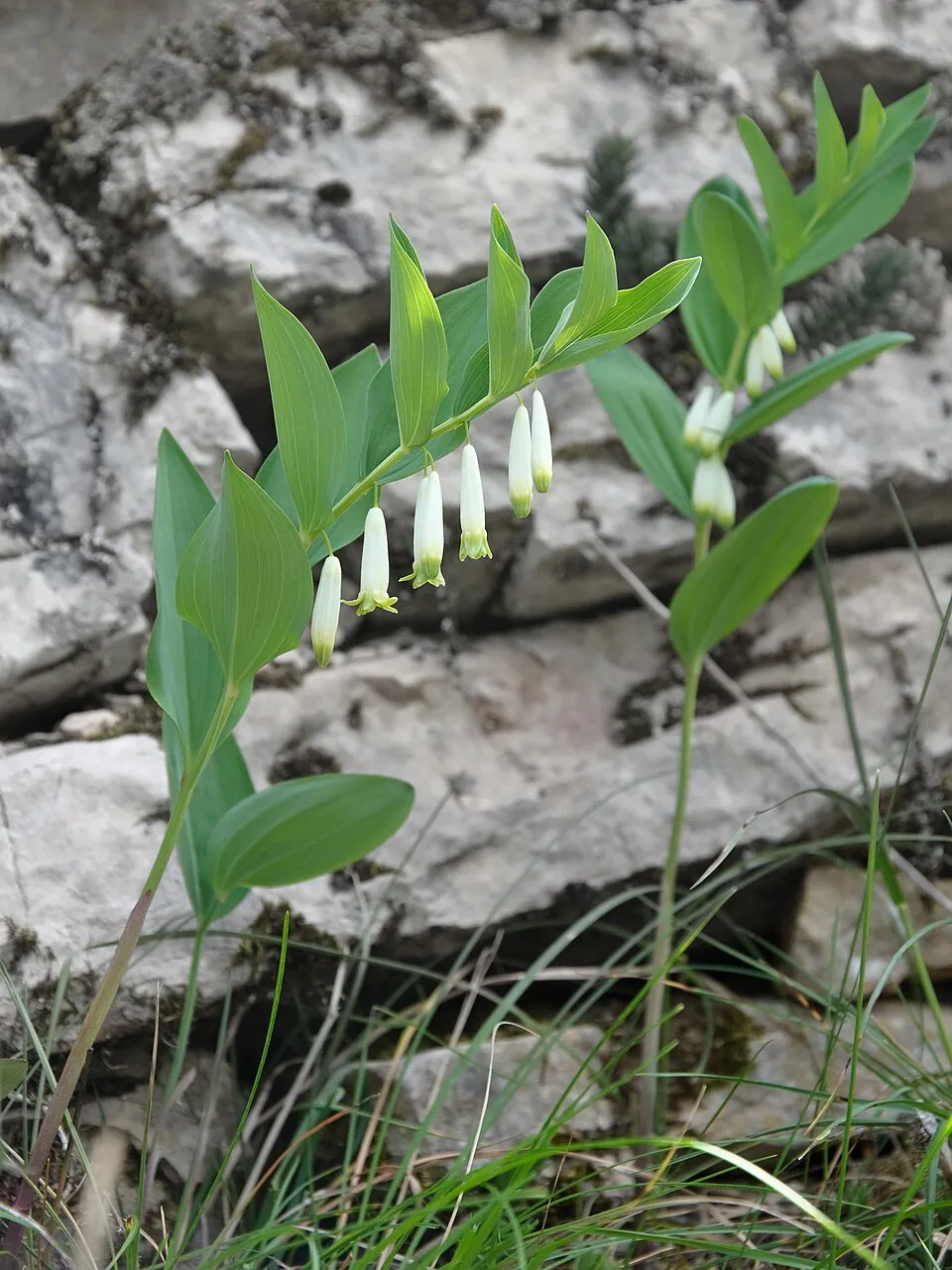
Yu Zhu, scientifically known as Polygonatum odoratum, is a resilient herbaceous perennial thriving within the Asparagaceae family, typically reaching heights of 40 to 100 cm. Its graceful arching stems are adorned with lanceolate leaves, measuring 5 to 15 cm in length and 2 to 4 cm in width, which contribute to its lush green canopy. In late spring to early summer, the plant produces charming nodding, tubular flowers, ranging in color from pale green to creamy white. These distinctive six-lobed flowers are borne in racemes, adding delicate beauty to its woodland habitat.
The robust stem exhibits a smooth, somewhat shiny surface, characteristic of the species. Following the flowering period, small, round, fleshy berries develop, maturing to a dark blue or black hue, providing seasonal visual interest. Polygonatum odoratum is indigenous to various regions of Eurasia, where it flourishes in the understory of shaded, moist forests, preferring rich, well-drained soils. Taxonomically, it shares close affinities with other members of the Polygonatum genus, many of which have been historically valued for their medicinal properties.
For over two millennia, Yu Zhu has been an integral component of traditional health practices, particularly in Traditional Chinese Medicine (TCM), revered for its profound nourishing and restorative qualities. It is highly regarded for its ability to tonify the body, support recovery processes, and enhance overall well-being, embodying a gentle yet potent therapeutic profile.
Trusted Scientific References
1. Authoritative external sources for Polygonatum odoratum
1.1 Wikipedia — Polygonatum odoratum
1.2 Kew POWO (Plants of the World Online)
1.3 PubMed — peer-reviewed research
1.4 NCBI Taxonomy Browser
1.5 GBIF — Global Biodiversity
1.6Yu Zhu should be interpreted through verified botanical identity, practical care, and responsible safety language. This recovery note adds the missing context needed for a complete profile: match light to the plant's habit, use well-drained soil, water according to season, and avoid unsupported medicinal or edible claims. For publishing, the plant can be presented as a source-backed medicinal plant with clear care guidance, common problem diagnosis, and conservative safety wording.
1.1.Yu Zhu — Notable Characteristics
- ✓Botanical Name — Polygonatum odoratum (Mill.) Druce.
- ✓Common Name — Yu Zhu, Fragrant Solomon's Seal Rhizome.
- ✓Plant Family — Asparagaceae.
- ✓Part Used Medicinally — Dried rhizome.
- ✓TCM Properties — Sweet taste, neutral nature; affinity for Lung and Stomach meridians.
- ✓Key Actions — Nourishes Yin, moistens Lung, moistens Stomach, engenders fluid.
- ✓Active Compounds — Polysaccharides, steroidal saponins, homoisoflavanones.
- ✓Traditional Uses — Dry cough, thirst, dry skin, fatigue, yin deficiency syndromes.
- ✓Habitat — Shaded, moist woodlands in Eurasia.
- ✓Edibility — Rhizomes are also consumed as food or tea in some cultures.
1.2.Yu Zhu — At-a-Glance Summary
- ✓Yu Zhu (Polygonatum odoratum) is a revered TCM herb.
- ✓Known for nourishing Yin and moistening dryness.
- ✓Contains polysaccharides, saponins, and homoisoflavanones.
- ✓Supports immune function, blood sugar, and skin health.
- ✓Traditionally used for dry coughs, thirst, and fatigue.
- ✓Important to consult a practitioner due to contraindications.
2.Yu Zhu — Botanical Identity
3.Yu Zhu — Vital Statistics
4.Yu Zhu — Botanical Features
5.Yu Zhu — Ecological Habitat
6.Yu Zhu — Folk Medicine Applications
7.Yu Zhu — Phytochemistry
- ✓Polysaccharides — These complex carbohydrates are key contributors to Yu Zhu's immune-modulating, antioxidant, and anti-fatigue properties, enhancing overall vitality.
- ✓Steroidal Saponins — Including compounds like polygonatosides, these are recognized for their adaptogenic, anti-inflammatory, and potential anticancer activities, influencing various physiological pathways.
- ✓Homoisoflavanones — Unique to the Polygonatum genus, these compounds, such as polygonatumins, exhibit significant antioxidant, anti-inflammatory, and potential anti-tumor effects, impacting cellular health.
- ✓Flavonoids — A diverse group of polyphenols, including quercetin and kaempferol derivatives, which provide potent antioxidant, anti-inflammatory, and cardioprotective benefits.
- ✓Alkaloids — While present in smaller quantities, alkaloids in Yu Zhu may contribute to its pharmacological profile, influencing neurotransmission and other biological processes.
- ✓Lectins — These proteins have demonstrated immune-regulating properties and potential antiproliferative effects, contributing to the plant's adaptogenic and protective actions.
- ✓Phenolic Acids — Including caffeic acid and ferulic acid, these compounds possess strong antioxidant and anti-inflammatory activities, protecting against oxidative stress.
- ✓Amino Acids and Vitamins — Essential for general cellular function and metabolic processes, these nutrients contribute to the overall tonic and nourishing effects of Yu Zhu.
- ✓Volatile Oils — Present in trace amounts, these aromatic compounds may contribute to the plant's subtle fragrance and some minor therapeutic effects, often acting as mild antimicrobials.
8.Yu Zhu — Evidence-Based Benefits
- ✓Nourishes Yin — Yu Zhu is highly prized in TCM for its profound ability to nourish Yin, addressing conditions of Yin deficiency, especially in the Lungs and Stomach, which manifest as dryness and heat.
- ✓Moistens Dryness — Its inherent moistening properties are effective in alleviating symptoms of dryness throughout the body, including dry coughs, parched throat, and dry skin.
- ✓Generates Fluids and Quenches Thirst — By promoting the production of bodily fluids, Polygonatum odoratum effectively mitigates excessive thirst and helps restore hydration in cases of fluid depletion.
- ✓Antioxidant Protection — Rich in various phytochemicals, Yu Zhu exhibits significant antioxidant activity, helping to neutralize free radicals and protect cells from oxidative damage, thereby potentially slowing cellular aging.
- ✓Blood Sugar Regulation — Modern research suggests that compounds within Yu Zhu may contribute to better glucose metabolism and insulin secretion, supporting healthy blood sugar levels.
- ✓Immune System Modulation — Bioactive polysaccharides and other constituents in Yu Zhu are believed to enhance immune function, bolstering the body's natural defenses against illness.
- ✓Anti-Fatigue Effects — Traditional uses and preliminary studies indicate that Yu Zhu can help reduce physical fatigue and boost overall energy levels, contributing to improved stamina and vitality.
- ✓Supports Skin Health — Its Yin-nourishing and moistening actions are beneficial for maintaining skin hydration, promoting a smoother complexion, and reducing the appearance of dryness and fine lines.
- ✓Promotes Eye Health — Yu Zhu is traditionally used to alleviate dry eyes and blurry vision, particularly beneficial for individuals experiencing ocular strain from prolonged screen use.
- ✓Potential Anti-tumor Activity — Certain active compounds, such as homoisoflavanones and saponins, have shown preliminary in vitro and in vivo anti-tumor and anticancer effects in research.
- ✓Anti-aging and Senescence Delay — Through its antioxidant and restorative properties, Yu Zhu is thought to contribute to delayed aging and slow cellular senescence, supporting longevity and vitality.
8.1.Yu Zhu — Health Applications
9.Yu Zhu — Safety & Side Effects
9.1.Yu Zhu — Warnings
- ✓Mild Gastrointestinal Discomfort — Some individuals may experience slight stomach upset, bloating, or loose stools, particularly with higher doses or sensitive digestive systems.
- ✓Spleen Deficiency with Dampness — Contraindicated in individuals with pronounced spleen deficiency characterized by symptoms like excessive phlegm, edema, or severe fatigue, as it may exacerbate dampness.
- ✓Allergic Reactions — Although rare, allergic responses such as skin rashes or itching may occur in sensitive individuals.
- ✓Blood Sugar Fluctuations — Due to its potential to influence blood glucose, individuals with diabetes should monitor their blood sugar levels closely when using Yu Zhu.
- ✓Diuretic Effect — Its fluid-generating properties might have a mild diuretic action, which should be considered by those with kidney conditions or on diuretic medications.
- ✓Interaction with Cold Conditions — As a neutral-to-cool herb, it might not be suitable for individuals with severe cold patterns in their constitution without proper balancing herbs.
9.2.Yu Zhu — Safety Overview
- ✓Professional Consultation — Always consult a qualified healthcare practitioner or TCM expert before using Yu Zhu, especially for chronic conditions or during pregnancy.
- ✓Pregnancy and Lactation — Due to insufficient safety data, pregnant and breastfeeding women should avoid using Yu Zhu unless specifically advised by a healthcare professional.
- ✓Spleen Deficiency — Exercise caution or avoid if diagnosed with spleen deficiency with dampness, as Yu Zhu's moistening nature can worsen these symptoms.
- ✓Diabetes Management — Individuals with diabetes should monitor blood glucose levels closely due to its potential hypoglycemic effects and adjust medication as needed.
- ✓Children and Elderly — Use with caution in young children and the elderly, often requiring reduced dosages and close supervision.
- ✓Drug Interactions — While no major interactions are widely reported, caution is advised when combining with other medications, especially those affecting blood sugar or fluid balance.
- ✓Dosage Adherence — Stick to recommended dosages; excessive intake may increase the risk of side effects.
10.Yu Zhu — Preparations & Uses
- ✓Herbal Decoctions — The most common method in TCM; dried Yu Zhu rhizomes are simmered in water for 20-30 minutes to create a medicinal tea. Typical dose is 9-15 grams daily.
- ✓Infusions and Teas — Sliced or crushed rhizomes can be steeped in hot water for a simpler, milder tea, often combined with other herbs for synergistic effects.
- ✓Culinary Applications — Yu Zhu can be incorporated into soups, stews, and porridges, especially in traditional Asian cuisine, for its nourishing properties and slightly sweet taste.
- ✓Tinctures and Extracts — Concentrated liquid extracts are available, offering a convenient way to consume the herb, with dosages typically measured in drops or milliliters.
- ✓Powdered Supplements — Dried rhizomes can be ground into a fine powder and encapsulated or mixed into beverages and foods for easy daily intake.
- ✓Topical Preparations — Infusions or decoctions can be used externally as washes or compresses for skin dryness or irritation, although less common than internal use.
- ✓Quality Selection — Choose Yu Zhu rhizomes that are soft, plump, yellowish-white, and slightly translucent, with a sweet taste and mild aroma, indicating good quality and proper processing.
11.Yu Zhu — How to Grow
- ✓Soil Preparation — Yu Zhu thrives in rich, well-drained loamy soil with a slightly acidic to neutral pH (6.0-7.0), amended with organic matter like compost to retain moisture.
- ✓Light Requirements — It prefers partial to full shade, mimicking its natural woodland habitat. Direct, intense sunlight can scorch its delicate leaves.
- ✓Watering Schedule — Consistent moisture is crucial, especially during dry periods. Water regularly to keep the soil evenly moist but not waterlogged.
- ✓Climate and Temperature — Best suited for temperate to subtropical climates (USDA Zones 4-9), tolerating cold winters and moderate summers.
- ✓Propagation Methods — Primarily propagated by dividing its rhizomes in early spring or autumn, ensuring each section has at least one bud or 'eye'.
- ✓Pest and Disease Management — Generally robust, but watch for slugs, snails, and occasional fungal issues in overly damp conditions; ensure good air circulation.
- ✓Harvesting — The rhizomes are typically harvested in autumn after the leaves have died back, usually after 3-5 years of growth for optimal medicinal potency.
Reviewed by the Flora Medical Global Botanical Review Panel
Multi-disciplinary editorial group · Botany · Ethnobotany · Herbal-medicine literature
Who reviewed this: This page was checked by the Flora Medical Global Botanical Review Panel — an in-house editorial group of botany graduates, ethnobotany researchers, and horticulture practitioners who collectively maintain our 7,000+ plant encyclopedia. Meet the team.
Our 4-step verification process
1. Taxonomic verification
Scientific names and synonyms cross-checked against Kew POWO, World Flora Online, and The Plant List.
2. Phytochemical & medicinal cross-reference
Active compounds, traditional uses, and reported activities are cross-referenced with PubMed, USDA Dr. Duke's database, and peer-reviewed ethnobotanical literature.
3. Conservation & distribution check
Distribution, ecology, and conservation status confirmed against GBIF occurrence records and the IUCN Red List.
4. Editorial & safety review
Every entry passes an editorial pass for clarity, originality, and safety notices (toxicity, contraindications, dosage caveats) before publication.
Last reviewed:
Important medical disclaimer: This content is for educational and research purposes only. It is not medical advice and is not a substitute for consultation with a licensed healthcare provider. Do not use any herb to self-treat a medical condition without professional guidance.
Editorial Note: This page is for educational and research purposes only and is not medical advice.
Written by: Flora Medical Global Editorial Team
Reviewed by: Flora Medical Global Botanical Review Panel
Last Updated: June 15, 2026





Yu Zhu — Comments & Community Reviews
Rate this plant