
Medical Disclaimer: This content is for educational purposes only. It is not medical advice. Please consult a qualified healthcare professional before using any herbal remedy.
Safety Overview
1.Zaluzianskya — At a Glance
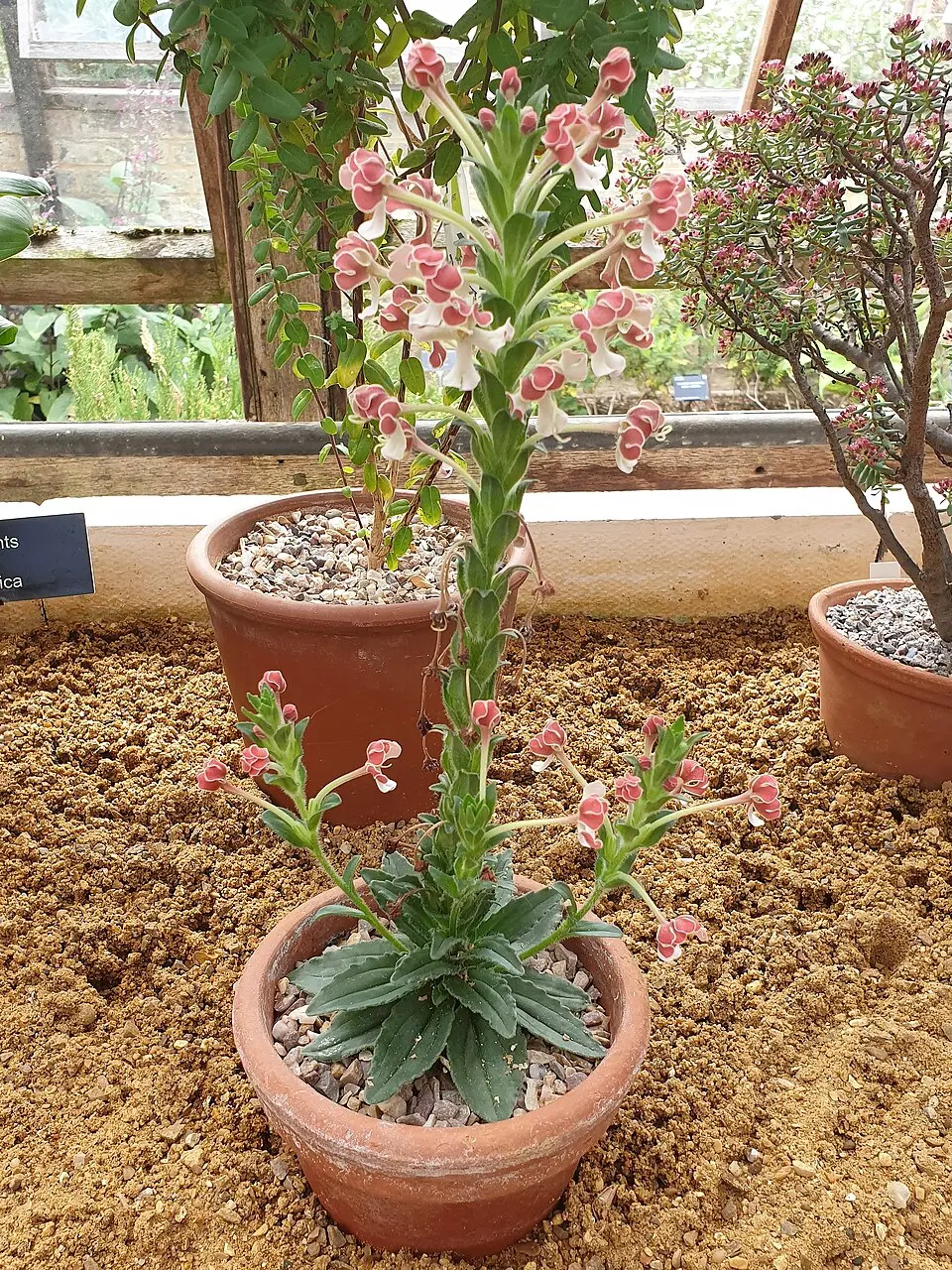
Zaluzianskya microsiphon, often known as Two-lipped Drumsticks or sometimes referred to as Day Phlox due to its diurnal flowering, is a captivating perennial herb indigenous to the diverse landscapes of South Africa. This species belongs to the Scrophulariaceae family, commonly known as the figwort family. Its natural habitat is characterized by rocky grasslands at high altitudes, typically ranging from 1,525 to 2,745 meters above sea level, primarily distributed across the Eastern Cape, Drakensberg mountains, KwaZulu-Natal, Lesotho, northeastern Free State, Mpumalanga, and Limpopo provinces. The plant exhibits an erect growth habit, reaching heights of up to 40 centimeters, with stems densely covered in soft, downward-pointing hairs. It forms a distinctive basal rosette of oblanceolate or elliptic leaves, measuring approximately 35–90 mm in length and 8–20 mm in width, with smaller ascending elliptic or oblong leaves along the stem.
A defining feature of Z. microsiphon is its unique day-flowering characteristic; the strongly zygomorphic (bilaterally symmetrical) corolla opens during daylight hours. The unscented flowers display vibrant hues, ranging from pink, scarlet, to crimson on the exterior, contrasting with a creamy or greenish-white interior. The corolla tube is notably long and narrow, typically 16–52 mm, with deeply notched lobes. Flowering occurs predominantly during the Southern Hemisphere's summer months, from January to March.
Ecologically, Z. microsiphon is remarkable for its specialized pollination strategy, being exclusively or almost exclusively pollinated by long-proboscid flies, such as Prosoeca ganglbaueri. This species is assessed as Least Concern (LC) on the Red List of South African plants, indicating a stable population in its natural range.
Trusted Scientific References
1. Authoritative external sources for Zaluzianskya microsiphon
1.1 Wikipedia — Zaluzianskya microsiphon
1.2 Kew POWO (Plants of the World Online)
1.3 PubMed — peer-reviewed research
1.4 NCBI Taxonomy Browser
1.5 GBIF — Global Biodiversity
1.1.Zaluzianskya — Highlights
- ✓Scientific Name — Zaluzianskya microsiphon.
- ✓Common Name — Two-lipped Drumsticks, Day Phlox.
- ✓Family — Scrophulariaceae (Figwort Family).
- ✓Native Region — Southern Africa, particularly the Drakensberg and surrounding highlands.
- ✓Floral Characteristics — Diurnal, unscented, strongly zygomorphic flowers with a long corolla tube.
- ✓Pollination Strategy — Specialized for long-proboscid flies, indicating co-evolution.
- ✓Growth Habit — Perennial herb, typically growing up to 40 cm tall, forming basal rosettes.
- ✓Conservation Status — Assessed as Least Concern (LC) on the Red List of South African plants.
- ✓Primary Use — Ornamental horticulture and ecological study.
- ✓Medicinal Use — Currently undocumented for this specific species, with no established therapeutic applications.
1.2.Zaluzianskya — At-a-Glance Summary
- ✓Native to South Africa, thriving in rocky grasslands at high altitudes.
- ✓Known for its unique day-flowering, strongly zygomorphic, unscented blooms.
- ✓Primarily an ornamental plant, popular for gardens and containers.
- ✓Ethnobotanical medicinal uses for Zaluzianskya microsiphon are largely undocumented.
- ✓Preliminary phytochemical analysis indicates flavonoids, tannins, and phenolic acids.
- ✓Plays a critical ecological role as a specialized pollinator for long-proboscid flies.
2.Zaluzianskya — Nomenclature & Classification
3.Zaluzianskya — Fact Sheet
4.Zaluzianskya — Physical Description
5.Zaluzianskya — Ecological Habitat
6.Zaluzianskya — Heritage Uses
7.Zaluzianskya — Chemical Profile
- ✓Flavonoids — A diverse group of polyphenolic compounds, such as quercetin and rutin, recognized for their strong antioxidant, anti-inflammatory, and protective cellular activities within the plant.
- ✓Tannins — Astringent polyphenols like ellagic acid, which can form complexes with proteins, often associated with potential antiseptic, anti-inflammatory, and wound-healing properties in plants.
- ✓Phenolic Acids — Simple phenolic compounds including gallic acid and caffeic acid, known for their significant antioxidant and free-radical scavenging abilities, contributing to plant defense.
- ✓Volatile Organic Compounds (VOCs) — While Z. microsiphon itself is unscented, other Zaluzianskya species contain VOCs, which are often involved in plant communication, pest deterrence, and specific pollinator attraction.
- ✓Terpenoids — A broad class of organic compounds, potentially including monoterpenes and sesquiterpenes, which can contribute to plant defense mechanisms and, in some species, fragrance.
- ✓Glycosides — Compounds in which a sugar molecule is bonded to a non-sugar component (aglycone), influencing the solubility and bioactivity of the aglycone and potentially providing defensive functions.
- ✓Anthocyanins — Water-soluble flavonoid pigments responsible for the pink, scarlet, or crimson coloration observed in the corolla of Z. microsiphon, also possessing antioxidant properties.
- ✓Plant Sterols — Phytosterols are structural components of plant cell membranes, sometimes exhibiting anti-inflammatory or immune-modulating effects, though specific to Z. microsiphon requires investigation.
- ✓Fatty Acids — Essential components of plant lipids, playing roles in energy storage and membrane structure, and potentially contributing to defensive compounds.
- ✓Waxes and Lipids — Forming protective layers on the plant surface, these compounds reduce water loss and can contain various triterpenoids and other complex lipids, aiding in environmental resilience.
8.Zaluzianskya — Scientific Evidence
- ✓Limited Ethnobotanical Record — Zaluzianskya microsiphon lacks extensive documented traditional medicinal uses directly attributed to this specific species in any major traditional system.
- ✓Potential Anti-inflammatory Properties (Genus-level) — Based on traditional uses of other Zaluzianskya species for inflammatory conditions, and the presence of phytochemicals like flavonoids and phenolic acids, a theoretical anti-inflammatory potential might exist for the genus, though unconfirmed for Z. microsiphon.
- ✓Speculative Antiseptic Action (Genus-level) — Other members of the Zaluzianskya genus have been noted for antiseptic applications in South African folk medicine, suggesting a potential, unconfirmed role for Z. microsiphon in minor wound care, requiring direct research.
- ✓Antioxidant Activity (Hypothetical) — The preliminary phytochemical analysis indicating flavonoids and phenolic acids suggests a theoretical basis for antioxidant effects, which would necessitate targeted research on Z. microsiphon to validate.
- ✓Skin Irritation Relief (Topical Speculation) — Given the anti-inflammatory and antiseptic potential of related species, topical application for minor skin irritations is a speculative area for investigation, not a confirmed benefit for Z. microsiphon.
- ✓Phytochemical Interest — The plant's identified profile of compounds, including flavonoids, tannins, and phenolic acids, makes it a subject of interest for future pharmacological studies to discover potential bioactivities.
- ✓Ecological Significance — Plays a crucial role in its ecosystem as a primary nectar source for specialized long-proboscid flies, highlighting its importance in biodiversity and pollinator support.
- ✓Ornamental Value — Highly valued for its aesthetic appeal and unique day-flowering habit in gardens, contributing to human well-being through horticultural engagement and visual pleasure.
- ✓Biodiversity Contribution — As a native South African perennial, its conservation status as 'Least Concern' supports regional biodiversity, which indirectly underpins broader ecological and human health.
8.1.Zaluzianskya — Conditions Traditionally Used For
9.Zaluzianskya — Safety & Side Effects
9.1.Zaluzianskya — Reported Side Effects
- ✓Insufficient Data — Due to the lack of documented human medicinal use and clinical studies for Zaluzianskya microsiphon, specific side effects are currently unknown.
- ✓Allergic Reactions (Potential) — As with any plant material, individuals may exhibit allergic responses such as skin irritation or respiratory symptoms upon contact or inhalation of pollen or plant parts.
- ✓Gastrointestinal Upset (If Ingested) — Ingestion of plant parts without established safety data could potentially lead to digestive discomfort, nausea, or vomiting.
- ✓Skin Sensitivity — Direct contact with plant sap or foliage could theoretically cause mild skin irritation or dermatitis in sensitive individuals, though not specifically reported.
- ✓Interaction with Medications (Unknown) — Without specific research, potential interactions with pharmaceutical drugs cannot be ruled out, making caution essential if considering any internal use.
- ✓Lack of Toxicological Studies — The complete absence of toxicological studies means the safety profile for internal or concentrated topical use is not established, warranting extreme caution.
9.2.Zaluzianskya — Safety Overview
- ✓Research Gap — The safety of Zaluzianskya microsiphon for human medicinal consumption or therapeutic application is largely unstudied and therefore unknown.
- ✓External Use Caution — While some related species have traditional external uses, direct application of Z. microsiphon extracts to skin should be approached with extreme caution, pending dermatological testing.
- ✓Avoid Internal Consumption — Given the complete absence of safety data, internal ingestion of any part of Z. microsiphon is strongly discouraged and potentially unsafe.
- ✓Pregnancy and Lactation — There is no information regarding its safety during pregnancy or breastfeeding; therefore, use is contraindicated for these populations.
- ✓Children — The use of Z. microsiphon in children is not recommended due to a complete lack of pediatric safety data and potential unknown risks.
- ✓Consult a Professional — Individuals considering any experimental or non-ornamental use of this plant should consult with a qualified healthcare provider or medical herbalist.
- ✓Ornamental Use Only — Currently, Zaluzianskya microsiphon should be regarded primarily as an ornamental plant, not a medicinal one, until rigorous scientific validation occurs.
10.Zaluzianskya — Usage Guide
- ✓Ornamental Cultivation — Primarily grown as an attractive garden annual or perennial, ideal for rockeries, borders, and containers due to its unique day-flowering habit.
- ✓Horticultural Display — Valued for its vibrant pink, scarlet, or crimson blooms that open during daylight, providing significant visual interest in sunny garden spots.
- ✓Ecological Garden Inclusion — Can be planted to support local biodiversity by attracting native long-proboscid flies, which serve as its specialized and essential pollinators.
- ✓Research & Study — Utilized in botanical research to understand complex plant-pollinator interactions, floral evolution, and the phytochemical profiles within the broader Zaluzianskya genus.
- ✓Potential Topical Application (Exploratory) — Due to traditional uses of related species, extracts might be explored for topical applications in minor skin irritations, but this is highly speculative and currently unproven for Z. microsiphon.
- ✓Homeopathic Preparations (Theoretical) — Like many botanicals, it could theoretically be prepared as a homeopathic remedy, though no established provings or uses exist for Z. microsiphon.
- ✓Aromatic Garden Design (Related Species) — While Z. microsiphon is notably unscented, other fragrant Zaluzianskya species are popular for their sweet evening aroma in specialized aromatic gardens.
11.Zaluzianskya — Garden Cultivation
- ✓Propagation — Easily propagated from seeds, which should be sown in general seed compost with bottom heat in early spring for optimal germination.
- ✓Soil Requirements — Thrives in well-drained, sandy loam or a free-draining compost mix to prevent waterlogging, which is crucial for healthy root development.
- ✓Light Conditions — Requires full sun exposure to ensure vigorous growth and abundant flowering, as its diurnal corollas open best in bright sunshine.
- ✓Watering — Maintain consistent soil moisture, but allow the top layer to dry slightly between watering sessions, avoiding overwatering.
- ✓Temperature & Hardiness — Best cultivated as a half-hardy annual in temperate climates; can be overwintered in a frost-free environment or cool greenhouse for perennial growth.
- ✓Flowering Period — In the Northern Hemisphere, flowering typically begins in July and can last for approximately two months, providing extended visual interest.
- ✓Seed Production — Due to self-incompatibility and reliance on specialized long-proboscid fly pollinators, hand pollination is often necessary for successful seed set in cultivation.
- ✓Pest & Disease Management — Generally robust, but ensure good air circulation and appropriate drainage to mitigate common fungal issues and maintain plant health.
Reviewed by the Flora Medical Global Botanical Review Panel
Multi-disciplinary editorial group · Botany · Ethnobotany · Herbal-medicine literature
Who reviewed this: This page was checked by the Flora Medical Global Botanical Review Panel — an in-house editorial group of botany graduates, ethnobotany researchers, and horticulture practitioners who collectively maintain our 7,000+ plant encyclopedia. Meet the team.
Our 4-step verification process
1. Taxonomic verification
Scientific names and synonyms cross-checked against Kew POWO, World Flora Online, and The Plant List.
2. Phytochemical & medicinal cross-reference
Active compounds, traditional uses, and reported activities are cross-referenced with PubMed, USDA Dr. Duke's database, and peer-reviewed ethnobotanical literature.
3. Conservation & distribution check
Distribution, ecology, and conservation status confirmed against GBIF occurrence records and the IUCN Red List.
4. Editorial & safety review
Every entry passes an editorial pass for clarity, originality, and safety notices (toxicity, contraindications, dosage caveats) before publication.
Last reviewed:
Important medical disclaimer: This content is for educational and research purposes only. It is not medical advice and is not a substitute for consultation with a licensed healthcare provider. Do not use any herb to self-treat a medical condition without professional guidance.
Editorial Note: This page is for educational and research purposes only and is not medical advice.
Written by: Flora Medical Global Editorial Team
Reviewed by: Flora Medical Global Botanical Review Panel
Last Updated: June 15, 2026





Zaluzianskya — Comments & Community Reviews
Rate this plant