
Medical Disclaimer: This content is for educational purposes only. It is not medical advice. Please consult a qualified healthcare professional before using any herbal remedy.
Safety Overview
1.Zamioculcas Lucky Classic — Introduction & Highlights
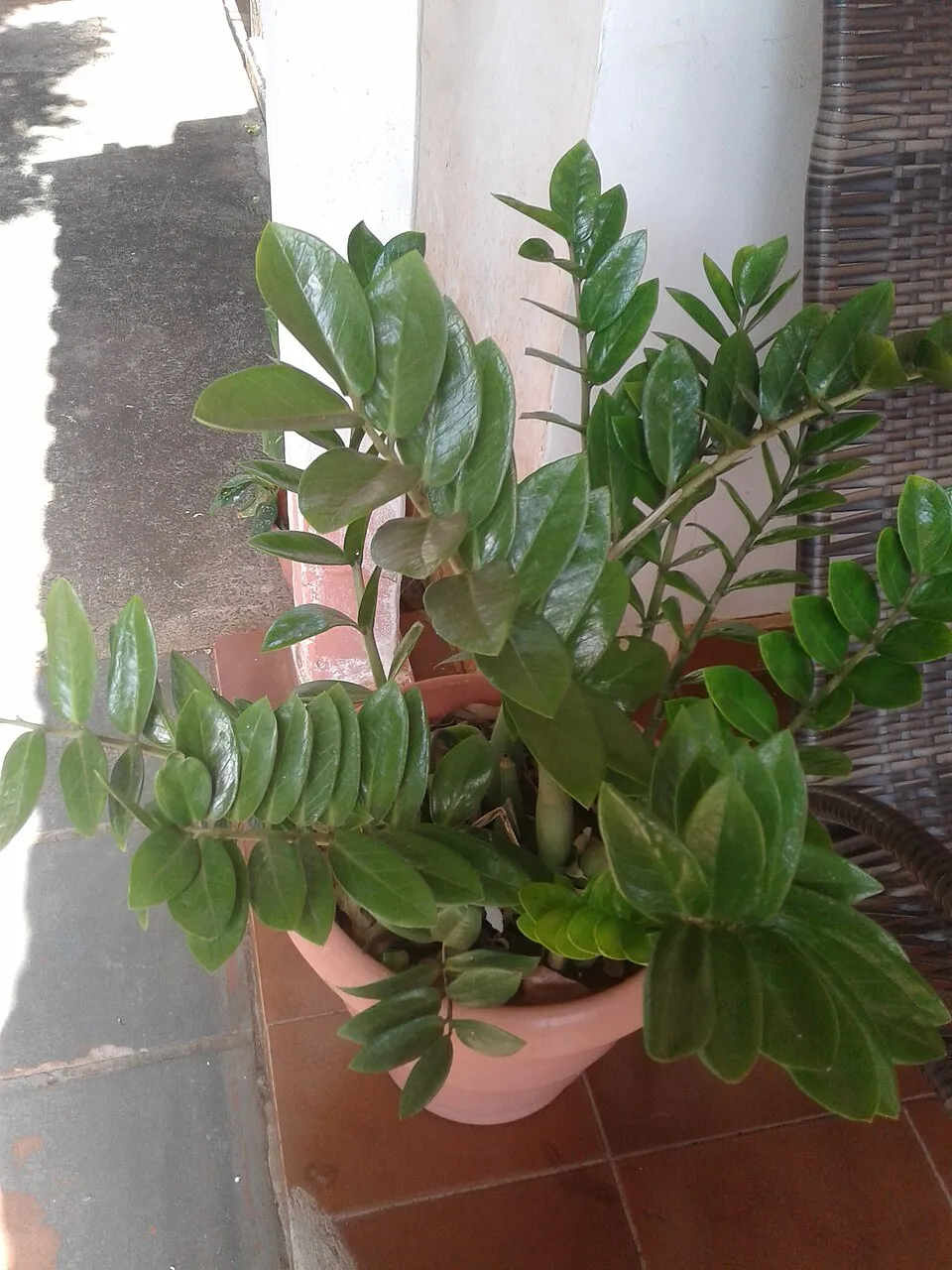
Zamioculcas Lucky Classic, scientifically known as Zamioculcas zamiifolia classic, is a distinctive herbaceous perennial belonging to the Araceae family, native to the dry tropical and subtropical regions of East Africa, including Kenya, Tanzania, and Zanzibar. This resilient plant is characterized by its remarkable glossy, dark green, pinnate leaves that emerge gracefully from thick, fleshy, succulent stems, typically reaching heights of 60 to 90 centimeters.
The compound, feather-like leaves can extend 25 to 35 centimeters, featuring elliptical to ovate leaflets that possess a naturally polished sheen. Its stems, often described as having a bark-like texture, are highly adapted for water storage, reflecting its drought-resistant origins where it thrives in rocky outcrops and dry woodlands, adapting to a wide range of soil conditions.
While primarily cultivated for its ornamental value, Zamioculcas zamiifolia classic rarely produces its small, yellowish spadix inflorescence, encased by a green spathe, when grown indoors. Its upright growth habit and sculptural form contribute significantly to interior aesthetics.
The plant's exceptional tolerance to neglect, irregular watering, and lower light conditions makes it an incredibly popular and accessible houseplant, appealing to both novice and experienced plant enthusiasts. Commonly known as the ZZ plant or Zanzibar Gem, it exemplifies robustness and adaptability in indoor environments.
Trusted Scientific References
1. Authoritative external sources for Zamioculcas zamiifolia classic
1.1 Wikipedia — Zamioculcas zamiifolia classic
1.2 Kew POWO (Plants of the World Online)
1.3 PubMed — peer-reviewed research
1.4 NCBI Taxonomy Browser
1.5 GBIF — Global Biodiversity
1.6Zamioculcas Lucky Classic should be interpreted through verified botanical identity, practical care, and responsible safety language. This recovery note adds the missing context needed for a complete profile: match light to the plant's habit, use well-drained soil, water according to season, and avoid unsupported medicinal or edible claims. For publishing, the plant can be presented as a source-backed indoor plant with clear care guidance, common problem diagnosis, and conservative safety wording.
1.1.Zamioculcas Lucky Classic — Defining Traits
- ✓Botanical Name — Zamioculcas zamiifolia classic.
- ✓Common Names — ZZ Plant, Zanzibar Gem, Eternity Plant.
- ✓Family — Araceae.
- ✓Drought Tolerant — Stores water efficiently in succulent stems and rhizomes.
- ✓Low Light Adaptability — Thrives in varied light conditions, including low indirect light.
- ✓Air Purifier — Proven to filter airborne toxins like xylene, toluene, and benzene.
- ✓Striking Foliage — Features glossy, dark green, compound leaves with a waxy sheen.
- ✓Slow Growth Rate — Maintains a manageable size, ideal for stable indoor environments.
- ✓Toxic Plant — Contains irritating calcium oxalate crystals in all plant parts.
- ✓Easy Care — Requires minimal watering and infrequent fertilization.
1.2.Zamioculcas Lucky Classic — Concise Overview
- ✓Resilient ornamental houseplant known for glossy, dark green foliage.
- ✓Native to East Africa, highly tolerant of drought and low light conditions.
- ✓Recognized for its indoor air-purifying qualities against common airborne toxins.
- ✓All parts are toxic if ingested due to calcium oxalate; handle with protective gloves.
- ✓Low maintenance requirements make it ideal for beginners and busy individuals.
2.Zamioculcas Lucky Classic — Scientific Profile
3.Zamioculcas Lucky Classic — Reference Facts
4.Zamioculcas Lucky Classic — Structural Profile
5.Zamioculcas Lucky Classic — Geographic Distribution
6.Zamioculcas Lucky Classic — Ethnobotanical Uses
7.Zamioculcas Lucky Classic — Secondary Metabolites
- ✓Calcium Oxalate Crystals — All parts of Zamioculcas zamiifolia contain insoluble calcium oxalate raphides, which are sharp, needle-like crystals responsible for the plant's irritating and toxic effects upon contact or ingestion.
- ✓Flavonoids — These polyphenolic compounds are likely present, contributing to the plant's antioxidant defenses and providing UV protection, common in many plant species for their protective roles.
- ✓Terpenoids — Various terpenoid compounds may be found within the plant, often acting as natural deterrents against pests and pathogens, bolstering the plant's overall resilience.
- ✓Volatile Organic Compounds (VOCs) — While not intrinsic compounds, the plant actively absorbs environmental VOCs like xylene, toluene, and benzene from the air, indicating a metabolic process to mitigate these toxins.
- ✓Saponins (Potential) — Some Araceae species contain saponins; if present in Zamioculcas zamiifolia, they would contribute to its natural defense mechanisms and potentially minor surfactant properties.
- ✓Carbohydrates — Primarily stored as starches in the succulent stems and rhizomes, these provide essential energy reserves that enable the plant to endure prolonged periods of drought.
- ✓Proteins and Amino Acids — Fundamental for cellular structure and metabolic functions, these are present throughout the plant's living tissues, supporting growth and repair processes.
- ✓Fatty Acids — Integral components of cell membranes and energy storage lipids, found in varying profiles within the plant's leaves, stems, and rhizomes.
8.Zamioculcas Lucky Classic — What Research Suggests
- ✓Air Purification — Zamioculcas zamiifolia is recognized for its ability to filter airborne toxins such as xylene, toluene, and benzene, contributing to improved indoor air quality and a healthier living environment.
- ✓Mood Enhancement — The presence of this lush green plant in indoor spaces can positively influence psychological well-being, reducing stress levels and fostering a sense of calm and connection to nature.
- ✓Humidity Regulation (Minor) — Through transpiration, Zamioculcas zamiifolia can subtly contribute to increasing ambient humidity, which may offer minor respiratory comfort in overly dry indoor settings.
- ✓Aesthetic Value — Its striking glossy foliage and architectural form enhance interior decor, promoting a visually appealing and harmonious atmosphere that can indirectly support mental well-being.
- ✓Low Maintenance Care — As an exceptionally resilient plant, its ease of care reduces the burden on owners, offering the satisfaction of successful plant cultivation without demanding extensive time or expertise.
- ✓Adaptability to Low Light — The plant's capacity to thrive in various light conditions means it can bring the benefits of greenery to spaces where other plants might struggle, making nature more accessible indoors.
- ✓Symbolic Significance — In certain cultures, Zamioculcas zamiifolia is symbolically associated with good fortune, prosperity, and endurance, which can contribute to positive mental associations and cultural appreciation.
- ✓Biophilic Connection — Integrating Zamioculcas zamiifolia into living and working spaces supports biophilic design principles, enhancing human connection to natural systems and potentially improving cognitive function.
- ✓Educational Value — Caring for such a robust and forgiving plant offers an excellent learning opportunity for beginners to understand basic plant physiology and care principles.
8.1.Zamioculcas Lucky Classic — Indications & Uses
9.Zamioculcas Lucky Classic — Precautions & Warnings
9.1.Zamioculcas Lucky Classic — Caution Notes
- ✓Oral Irritation — Ingestion of any part of Zamioculcas zamiifolia can cause immediate and severe burning, irritation, and swelling of the mouth, throat, and digestive tract due to calcium oxalate crystals.
- ✓Skin Irritation — Direct contact with the plant's sap may lead to skin rash, itching, redness, or dermatitis in sensitive individuals; always wear protective gloves.
- ✓Nausea and Vomiting — Consumption can induce significant gastrointestinal distress, including severe nausea, vomiting, and abdominal pain.
- ✓Swelling — Ingested plant material may cause localized swelling of the tongue, lips, and pharynx, potentially leading to difficulty breathing in severe cases.
- ✓Eye Irritation — Contact with the sap can result in intense eye irritation, redness, and pain; immediate and thorough flushing with water is crucial.
- ✓Allergic Reactions — Although rare, highly sensitive individuals may experience allergic reactions beyond localized irritation upon exposure to the plant's components.
9.2.Zamioculcas Lucky Classic — Safety Overview
- ✓Keep Out of Reach — Ensure Zamioculcas zamiifolia is positioned in locations inaccessible to children and pets to prevent accidental ingestion or contact with its toxic parts.
- ✓Wear Protective Gloves — Always use gloves when handling the plant, especially during pruning, repotting, or propagation, to avoid skin contact with the irritating sap.
- ✓Avoid Ingestion — Emphasize that all parts of the plant are toxic and strictly for ornamental purposes, not for human or animal consumption.
- ✓First Aid for Contact — In case of skin contact, wash the affected area thoroughly with soap and water; for eye contact, immediately flush with copious amounts of clean water for at least 15 minutes.
- ✓Seek Medical Attention — If ingestion occurs, or if severe symptoms develop after skin or eye contact, immediately contact a poison control center or seek emergency medical assistance.
- ✓Proper Disposal — Dispose of pruned plant parts and old potting mix responsibly, ensuring they are not accessible to children, pets, or livestock.
- ✓Educational Awareness — Inform all household members and visitors about the plant's toxic nature and the necessary precautions for safe handling.
10.Zamioculcas Lucky Classic — How to Use
- ✓Ornamental Display — Primarily used as a striking, low-maintenance indoor ornamental plant to enhance interior decor in homes, offices, and commercial spaces.
- ✓Indoor Air Purification — Strategically place Zamioculcas zamiifolia in living and working areas to leverage its natural ability to absorb and filter airborne toxins, improving air quality.
- ✓Biophilic Design Integration — Incorporate into interior design schemes to foster a connection with nature, promoting psychological well-being and reducing stress in occupants.
- ✓Low-Maintenance Greenery — Ideal for individuals seeking resilient houseplants that require minimal attention, making it perfect for busy lifestyles or novice plant enthusiasts.
- ✓Symbolic Placement — Position the plant in areas associated with prosperity or good fortune according to cultural beliefs, such as entryways or designated wealth corners.
- ✓Educational Tool — Utilize as an easy-care plant to introduce children or beginners to plant cultivation and basic botanical principles due to its forgiving nature.
- ✓Foliage Cleaning — Regularly wipe the glossy leaves with a damp cloth to remove accumulated dust, maintaining their natural shine and optimizing light absorption for plant health.
- ✓Propagation for Gifting — Easily propagate new plants from leaf or stem cuttings to expand your collection or share with friends, extending its ornamental and symbolic value.
11.Zamioculcas Lucky Classic — Growing Guide
- ✓Light Requirements — Provide low to bright indirect light; direct sunlight can scorch the glossy leaves, while the plant tolerates and even thrives under fluorescent lighting conditions.
- ✓Temperature & Humidity — Maintain average room temperatures between 60-75°F (15-24°C) and standard household humidity levels, avoiding placement near drafts from heating or air conditioning vents.
- ✓Soil Composition — Use a well-draining potting mix, ideally one formulated for succulents or a standard mix amended with perlite or coarse sand to ensure proper drainage and prevent root rot.
- ✓Watering Schedule — Water sparingly and deeply only when the top 1-2 inches (2.5-5 cm) of soil have completely dried out; overwatering is the most common cause of plant decline.
- ✓Fertilization — Feed monthly during the active growing seasons of spring and summer using a balanced, all-purpose liquid houseplant fertilizer diluted to half the recommended strength; suspend feeding in winter.
- ✓Repotting Practices — Repot every two years to refresh the soil or size up if desired, noting its slow growth and preference for being slightly root-bound; choose a pot 1-2 inches wider for growth.
- ✓Pruning & Maintenance — Prune selectively to remove any yellowing, damaged, or leggy foliage at the base of the stem to maintain shape and health; always wear gloves due to irritating sap.
- ✓Pest Management — While generally pest-resistant, regularly inspect for common houseplant pests like mealybugs, scale, aphids, or spider mites, treating promptly with insecticidal soap or neem oil.
Reviewed by the Flora Medical Global Botanical Review Panel
Multi-disciplinary editorial group · Botany · Ethnobotany · Herbal-medicine literature
Who reviewed this: This page was checked by the Flora Medical Global Botanical Review Panel — an in-house editorial group of botany graduates, ethnobotany researchers, and horticulture practitioners who collectively maintain our 7,000+ plant encyclopedia. Meet the team.
Our 4-step verification process
1. Taxonomic verification
Scientific names and synonyms cross-checked against Kew POWO, World Flora Online, and The Plant List.
2. Phytochemical & medicinal cross-reference
Active compounds, traditional uses, and reported activities are cross-referenced with PubMed, USDA Dr. Duke's database, and peer-reviewed ethnobotanical literature.
3. Conservation & distribution check
Distribution, ecology, and conservation status confirmed against GBIF occurrence records and the IUCN Red List.
4. Editorial & safety review
Every entry passes an editorial pass for clarity, originality, and safety notices (toxicity, contraindications, dosage caveats) before publication.
Last reviewed:
Important medical disclaimer: This content is for educational and research purposes only. It is not medical advice and is not a substitute for consultation with a licensed healthcare provider. Do not use any herb to self-treat a medical condition without professional guidance.
Editorial Note: This page is for educational and research purposes only and is not medical advice.
Written by: Flora Medical Global Editorial Team
Reviewed by: Flora Medical Global Botanical Review Panel
Last Updated: June 15, 2026





Zamioculcas Lucky Classic — Comments & Community Reviews
Rate this plant