
Medical Disclaimer: This content is for educational purposes only. It is not medical advice. Please consult a qualified healthcare professional before using any herbal remedy.
Safety Overview
1.Zeera Siyah — At a Glance
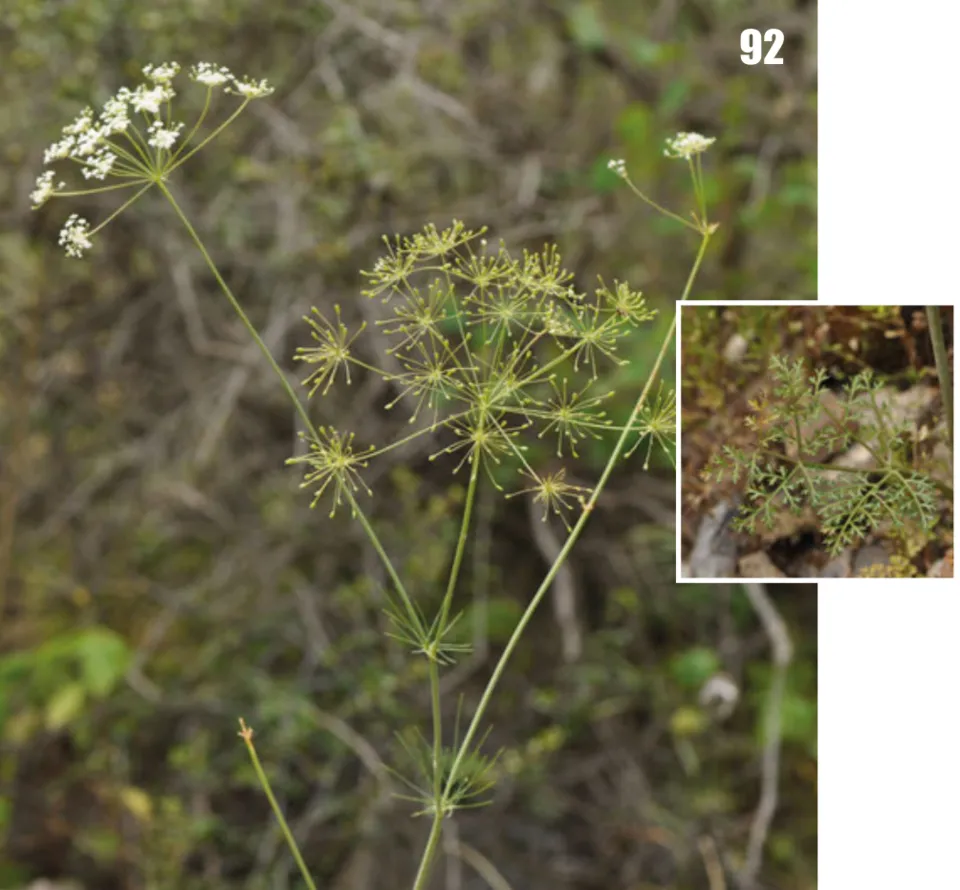
Zeera Siyah, scientifically known as Bunium persicum, is an esteemed perennial herb belonging to the expansive Apiaceae family, a group renowned for its aromatic members. This resilient plant typically attains a height of 30 to 90 centimeters, characterized by its robust, erect stems that are often subtly furrowed and glabrous, presenting a smooth appearance. Its foliage is finely dissected, lending a delicate, lacy texture, with leaves that can extend up to 10 centimeters in length.
From June to August, Bunium persicum adorns itself with small, pristine white flowers meticulously arranged in dense umbel clusters, which can span an impressive 10 centimeters in diameter. Following successful pollination, these flowers yield dry, elongated fruits, approximately 4-5 millimeters in length, distinguished by their uniquely potent and aromatic flavor. This species is predominantly indigenous to the mountainous terrains of Central Asia, flourishing across regions of Iran, Afghanistan, and Pakistan.
It demonstrates a distinct preference for well-drained, fertile soils and thrives under conditions of full sunlight, which are crucial for the development of its rich phytochemical profile. The plant's deep roots and adaptability to harsh climates contribute to its hardiness and the concentration of its celebrated medicinal properties.
Trusted Scientific References
1. Authoritative external sources for Bunium persicum
1.1 Wikipedia — Bunium persicum
1.2 Kew POWO (Plants of the World Online)
1.3 PubMed — peer-reviewed research
1.4 NCBI Taxonomy Browser
1.5 GBIF — Global Biodiversity
1.6Zeera Siyah should be interpreted through verified botanical identity, practical care, and responsible safety language. This recovery note adds the missing context needed for a complete profile: match light to the plant's habit, use well-drained soil, water according to season, and avoid unsupported medicinal or edible claims. For publishing, the plant can be presented as a source-backed medicinal plant with clear care guidance, common problem diagnosis, and conservative safety wording.
1.1.Zeera Siyah — Notable Characteristics
- ✓Height — Typically grows between 30 to 90 cm tall, with strong, erect stems.
- ✓Leaves — Finely dissected foliage, up to 10 cm long, giving a delicate, lacy appearance.
- ✓Flowers — Small, white flowers arranged in dense umbel clusters, blooming from June to August.
- ✓Fruit — Elongated, dry fruit measuring about 4-5 mm in length, known for its unique aromatic flavor.
- ✓Stem — Features erect, furrowed, and glabrous stems, providing structural support to the plant.
- ✓Habitat — Native to mountainous regions of Central Asia, preferring well-drained, fertile soils.
- ✓Family — Belongs to the Apiaceae family, which includes many other aromatic herbs and vegetables.
- ✓Chemical Constituents — Rich in essential oils (thymoquinone, carvacrol), flavonoids, alkaloids, and phenolic compounds.
- ✓Traditional Uses — Valued for digestive support, anti-inflammatory, antioxidant, and immune-boosting properties.
1.2.Zeera Siyah — Quick Summary
- ✓Zeera Siyah (Bunium persicum) is a valuable medicinal herb from the Apiaceae family, native to Central Asia.
- ✓Known for its aromatic seeds, it is a traditional remedy in Ayurvedic and Unani medicine for digestion, respiratory health, and inflammation.
- ✓The plant thrives in well-drained, fertile soils with full sunlight in temperate mountainous regions.
- ✓Rich in bioactive compounds like thymoquinone, it offers significant antimicrobial, antioxidant, and anti-inflammatory benefits.
- ✓Modern research continues to explore its pharmacological properties, validating many of its traditional applications.
- ✓It is a versatile herb, used in various preparations from culinary spice to decoctions, emphasizing its role in promoting general wellness.
2.Zeera Siyah — Scientific Identity
3.Zeera Siyah — Fact Sheet
4.Zeera Siyah — Physical Description
5.Zeera Siyah — Ecological Habitat
6.Zeera Siyah — Folk Medicine Applications
7.Zeera Siyah — Phytochemistry
- ✓Essential Oils — Dominantly composed of compounds like thymoquinone, carvacrol, and p-cymene, which are responsible for its distinctive aroma and exhibit potent antimicrobial, anti-inflammatory, and antioxidant activities.
- ✓Flavonoids — Including quercetin, apigenin, and luteolin derivatives, these compounds contribute significantly to the plant's antioxidant and anti-inflammatory effects, protecting cellular integrity.
- ✓Alkaloids — Various nitrogen-containing compounds are present, which may contribute to its diverse pharmacological actions, though specific alkaloids in Bunium persicum are still under extensive research.
- ✓Terpenoids — A broad class of organic compounds, including monoterpenes and sesquiterpenes, which are key components of the essential oil and possess a range of medicinal properties.
- ✓Phenolic Acids — Such as caffeic acid and ferulic acid, these powerful antioxidants contribute to the plant's protective effects against oxidative stress and inflammation.
- ✓Fatty Acids — Contains beneficial unsaturated fatty acids, important for cellular structure and function, and potentially contributing to its overall nutritional value.
- ✓Saponins — These glycosidic compounds are known for their emulsifying properties and may contribute to immune modulation and cholesterol-lowering effects.
- ✓Coumarins — Naturally occurring phytochemicals that can exhibit anticoagulant, anti-inflammatory, and antimicrobial properties, adding to the plant's therapeutic profile.
- ✓Glycosides — A diverse group of compounds where a sugar molecule is bonded to a non-sugar component, often influencing various physiological processes and enhancing bioavailability of other compounds.
8.Zeera Siyah — Scientific Evidence
- ✓Digestive Aid — Zeera Siyah is traditionally prized for its carminative properties, effectively alleviating symptoms of indigestion, bloating, and flatulence by promoting healthy gastrointestinal motility.
- ✓Anti-inflammatory Effects — Research indicates that compounds within Bunium persicum possess potent anti-inflammatory activities, which may help mitigate systemic inflammation and associated pain.
- ✓Antioxidant Protection — Rich in phenolic compounds and essential oils, Zeera Siyah exhibits significant antioxidant capacity, scavenging free radicals and protecting cells from oxidative damage.
- ✓Immune System Support — Its bioactive constituents contribute to enhancing immune responses, bolstering the body's natural defenses against pathogens and promoting overall wellness.
- ✓Respiratory Health — Traditionally used to address respiratory discomfort, Zeera Siyah can help clear congestion and soothe airways, making it beneficial for conditions like coughs and colds.
- ✓Antimicrobial Action — The essential oils, particularly thymoquinone, demonstrate broad-spectrum antimicrobial properties against various bacteria and fungi, supporting internal and external health.
- ✓Cardioprotective Potential — Emerging studies suggest that Bunium persicum may contribute to cardiovascular health by helping to regulate lipid profiles and blood pressure.
- ✓Antidiabetic Properties — Some research indicates that Zeera Siyah could aid in blood sugar management, potentially improving insulin sensitivity and glucose metabolism.
- ✓Neuroprotective Benefits — Its antioxidant and anti-inflammatory effects may extend to the nervous system, offering potential protection against neurodegenerative processes.
- ✓Analgesic Effects — Traditional uses highlight its capacity to reduce mild to moderate pain, likely due to its anti-inflammatory and antispasmodic actions.
- ✓Diuretic Properties — Zeera Siyah has been historically employed to promote urine flow, assisting in the body's natural detoxification processes.
8.1.Zeera Siyah — Conditions Traditionally Used For
9.Zeera Siyah — Cautions & Contraindications
9.1.Zeera Siyah — Possible Adverse Reactions
- ✓Allergic Reactions — Sensitive individuals may experience allergic responses such as skin rashes, itching, or respiratory symptoms upon contact or ingestion of Zeera Siyah.
- ✓Gastrointestinal Discomfort — Excessive consumption may lead to mild digestive upset, including nausea or stomach irritation in some individuals.
- ✓Photosensitivity — In rare cases, some compounds in Apiaceae family plants can increase skin sensitivity to sunlight, potentially leading to sunburn.
- ✓Blood Thinning — High doses might theoretically interact with anticoagulant medications due to potential coumarin content, requiring caution for those on blood thinners.
- ✓Hypoglycemia Risk — Individuals with diabetes on medication should monitor blood sugar levels closely, as Zeera Siyah may have a hypoglycemic effect.
- ✓Uterine Stimulation — Due to traditional uses, high doses during pregnancy are generally advised against due to potential uterine stimulating effects.
- ✓Drug Interactions — May interact with certain medications, including those for diabetes, blood pressure, or sedatives, warranting professional medical advice.
9.2.Zeera Siyah — Safety Overview
- ✓Pregnancy and Lactation — Not recommended for use during pregnancy or lactation without explicit medical advice due to insufficient safety data and traditional warnings.
- ✓Children — Use in children should be approached with caution and under the guidance of a qualified healthcare practitioner.
- ✓Pre-existing Conditions — Individuals with chronic health conditions, especially liver or kidney issues, should consult a doctor before using Zeera Siyah.
- ✓Dosage — Adhere strictly to recommended dosages; excessive intake may lead to adverse effects.
- ✓Allergic History — Individuals with known allergies to other members of the Apiaceae family (e.g., carrots, celery, parsley) should exercise caution.
- ✓Medication Interactions — Always inform your healthcare provider about Zeera Siyah use, especially if taking prescription medications, to avoid potential interactions.
- ✓General Safety — When used as a culinary spice in moderate amounts, Zeera Siyah is generally considered safe for most healthy adults.
10.Zeera Siyah — Usage Guide
- ✓Decoction — To prepare a decoction, simmer 1-2 teaspoons of Zeera Siyah seeds in a cup of water for 10-15 minutes, then strain and consume for digestive support.
- ✓Powder Form — Dried Zeera Siyah seeds can be ground into a fine powder and incorporated into culinary dishes or mixed with honey or water for medicinal purposes.
- ✓Tincture — A tincture can be made by macerating the seeds in alcohol for several weeks, providing a concentrated extract for various therapeutic applications; consult a herbalist for dosage.
- ✓Culinary Spice — The aromatic seeds are widely used as a spice in Central Asian and Indian cuisine, adding a distinctive flavor to curries, rice dishes, and bread.
- ✓Essential Oil — The essential oil extracted from Zeera Siyah can be used topically when properly diluted, or in aromatherapy for its calming and antimicrobial properties; always perform a patch test.
- ✓Fresh Preparation — Young leaves and tender shoots can be added to salads or used as a garnish, offering a milder flavor and fresh nutritional benefits.
- ✓Infusion — For a milder preparation, steep crushed Zeera Siyah seeds in hot water for 5-10 minutes to create an aromatic herbal tea.
- ✓Topical Poultice — A paste made from ground seeds and a small amount of water can be applied as a poultice to soothe minor skin irritations or localized inflammation.
11.Zeera Siyah — Garden Cultivation
- ✓Soil Preparation — Zeera Siyah thrives in well-drained, fertile soil with a neutral to slightly alkaline pH, enriched with organic matter for optimal growth.
- ✓Sunlight Requirements — This plant demands full sunlight exposure, needing at least 6-8 hours of direct sun daily to ensure robust growth and potent essential oil production.
- ✓Watering Regimen — Maintain consistent moisture in the soil, especially during dry periods and early growth stages, but avoid waterlogging to prevent root rot.
- ✓Propagation — Primarily propagated by seeds, which should be sown directly into the garden in early spring after the last frost, or by root division in fall or spring.
- ✓Climate Preference — Bunium persicum prefers temperate to subtropical climates, demonstrating resilience in mountainous regions with cool winters and warm summers.
- ✓Spacing — Plant seeds or seedlings approximately 15-20 cm apart in rows, allowing ample space for mature plants to develop their extensive root systems and foliage.
- ✓Fertilization — A balanced organic fertilizer can be applied sparingly in early spring to support vigorous growth, particularly in nutrient-deficient soils.
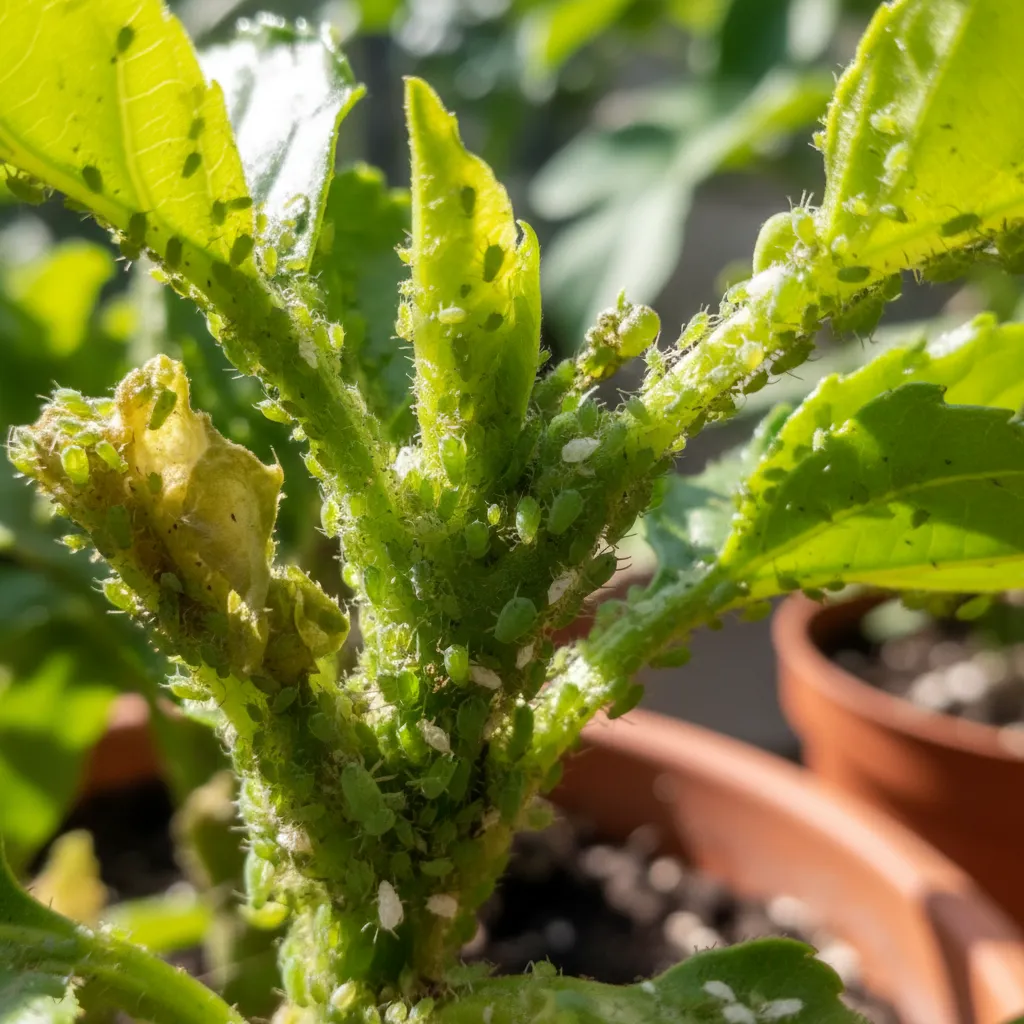
- ✓Pest and Disease Management — Generally robust, monitor for common garden pests like aphids and manage fungal diseases with good air circulation and appropriate organic treatments.
Reviewed by the Flora Medical Global Botanical Review Panel
Multi-disciplinary editorial group · Botany · Ethnobotany · Herbal-medicine literature
Who reviewed this: This page was checked by the Flora Medical Global Botanical Review Panel — an in-house editorial group of botany graduates, ethnobotany researchers, and horticulture practitioners who collectively maintain our 7,000+ plant encyclopedia. Meet the team.
Our 4-step verification process
1. Taxonomic verification
Scientific names and synonyms cross-checked against Kew POWO, World Flora Online, and The Plant List.
2. Phytochemical & medicinal cross-reference
Active compounds, traditional uses, and reported activities are cross-referenced with PubMed, USDA Dr. Duke's database, and peer-reviewed ethnobotanical literature.
3. Conservation & distribution check
Distribution, ecology, and conservation status confirmed against GBIF occurrence records and the IUCN Red List.
4. Editorial & safety review
Every entry passes an editorial pass for clarity, originality, and safety notices (toxicity, contraindications, dosage caveats) before publication.
Last reviewed:
Important medical disclaimer: This content is for educational and research purposes only. It is not medical advice and is not a substitute for consultation with a licensed healthcare provider. Do not use any herb to self-treat a medical condition without professional guidance.
Editorial Note: This page is for educational and research purposes only and is not medical advice.
Written by: Flora Medical Global Editorial Team
Reviewed by: Flora Medical Global Botanical Review Panel
Last Updated: June 15, 2026





Zeera Siyah — Comments & Community Reviews
Rate this plant