
Medical Disclaimer: This content is for educational purposes only. It is not medical advice. Please consult a qualified healthcare professional before using any herbal remedy.
Safety Overview
1.Zhu Ling — Introduction & Highlights
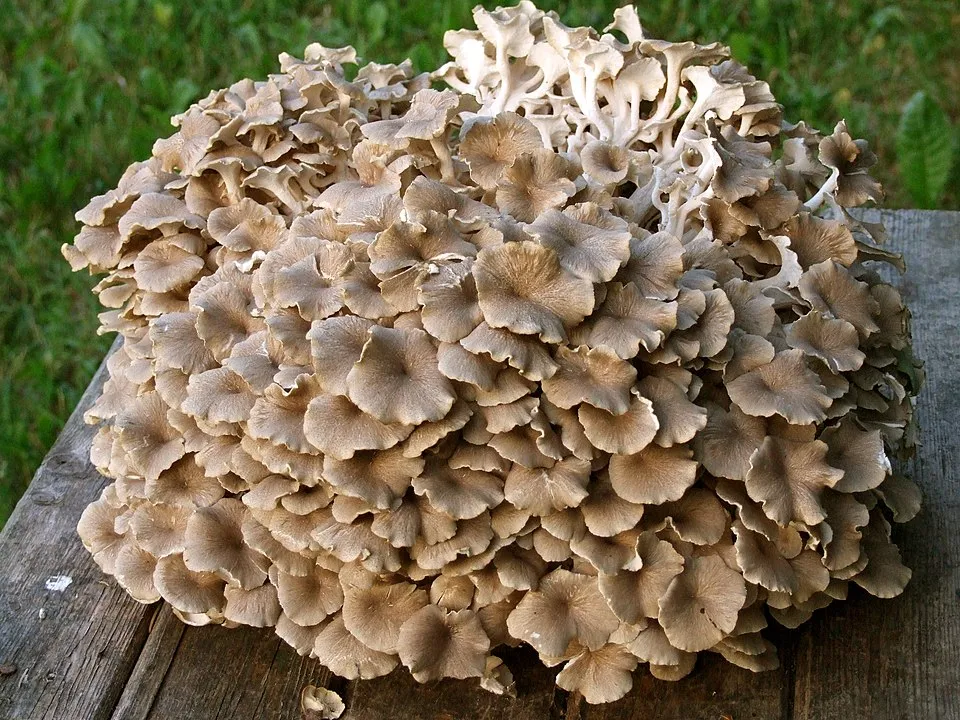
Zhu Ling, scientifically known as Polyporus umbellatus, is a distinctive and highly valued medicinal fungus belonging to the Polyporaceae family. This unique organism is primarily distributed across East Asia, including China and Japan, but can also be found in parts of Europe and North America. Unlike many fungi that produce prominent fruiting bodies above ground, Zhu Ling is characterized by its subterranean sclerotium—a hardened, tuberous mass that forms on the roots of deciduous trees, particularly oaks, maples, and beeches.
The sclerotium is irregular and uneven in shape, often multi-branched, with a dark brown to black exterior and a white, dense interior. Above ground, it can occasionally produce a cluster of small, umbrella-shaped fruiting bodies, which are less commonly used medicinally compared to the sclerotium. This fungus thrives in well-drained forest soils with adequate moisture and shade, often forming symbiotic relationships with its host trees.
Taxonomically, it is classified within the Basidiomycota phylum, Agaricomycetes class, and Polyporales order, highlighting its relationship with other bracket fungi. The growth and chemical composition of Zhu Ling are significantly influenced by environmental factors such as nutrient availability, humidity, and pH, leading to variations in its medicinal efficacy depending on its origin and cultivation conditions. Its rarity in the wild due to overharvesting has spurred interest in controlled cultivation techniques to meet the increasing demand for its therapeutic compounds.
Trusted Scientific References
1. Authoritative external sources for Polyporus umbellatus
1.1 Wikipedia — Polyporus umbellatus
1.2 Kew POWO (Plants of the World Online)
1.3 PubMed — peer-reviewed research
1.4 NCBI Taxonomy Browser
1.5 GBIF — Global Biodiversity
1.6Zhu Ling should be interpreted through verified botanical identity, practical care, and responsible safety language. This recovery note adds the missing context needed for a complete profile: match light to the plant's habit, use well-drained soil, water according to season, and avoid unsupported medicinal or edible claims. For publishing, the plant can be presented as a source-backed medicinal plant with clear care guidance, common problem diagnosis, and conservative safety wording.
1.1.Zhu Ling — Key Features
- ✓Species — Polyporus umbellatus (Zhu Ling).
- ✓Family — Polyporaceae, a family of bracket fungi.
- ✓Primary Part Used — Subterranean sclerotium.
- ✓Key Action — Strong diuretic and anti-edema properties.
- ✓Bioactive Compounds — Rich in polysaccharides and triterpenoids.
- ✓Traditional Use — Extensively used in Traditional Chinese Medicine (TCM).
- ✓Habitat — Grows on tree roots in temperate forests.
- ✓Distribution — Native to East Asia, also found in Europe and North America.
- ✓Modern Research — Validated for immune-modulating, anti-inflammatory, and anti-cancer effects.
- ✓Conservation Status — Wild populations are diminishing due to overharvesting.
1.2.Zhu Ling — Concise Overview
- ✓Potent Diuretic — Highly valued for its efficacy in reducing edema and promoting urination.
- ✓Immune Modulator — Contains polysaccharides that enhance immune system function.
- ✓Anti-cancer Properties — Research supports its potential as an anti-tumor agent.
- ✓Traditional East Asian Medicine — A cornerstone herb in TCM for kidney and urinary issues.
- ✓Rich in Triterpenoids — Key active compounds contributing to its diverse therapeutic actions.
- ✓Rare Wild Resource — Demand drives efforts for controlled cultivation.
2.Zhu Ling — Systematic Position
3.Zhu Ling — Botanical Stats
4.Zhu Ling — Structural Profile
5.Zhu Ling — Geographic Distribution
6.Zhu Ling — Historical Applications
7.Zhu Ling — Bioactive Constituents
- ✓Polysaccharides — These complex carbohydrates, including beta-glucans, are primary active compounds responsible for Zhu Ling's immune-modulating and anti-tumor activities. They enhance macrophage activity and stimulate cytokine production.
- ✓Triterpenoids — A diverse group of compounds such as polyporusterone A-G, which are known for their potent anti-inflammatory, hepatoprotective, and anti-cancer properties. These steroidal-like compounds are key to many of the fungus's therapeutic effects.
- ✓Sterols — Ergosterol and its derivatives are prominent sterols in Zhu Ling, contributing to its antifungal and anti-inflammatory actions, as well as influencing cell membrane integrity.
- ✓Alkaloids — While present in smaller quantities, alkaloids in Polyporus umbellatus may contribute to its broad pharmacological spectrum, often having diverse physiological effects.
- ✓Polypeptides — These protein fragments can exhibit various biological activities, including immune-enhancing and potential antimicrobial properties, supporting cellular communication.
- ✓Amino Acids — Essential and non-essential amino acids are present, providing nutritional value and acting as building blocks for proteins and enzymes critical for metabolic functions.
- ✓Organic Acids — Compounds like fumaric acid and succinic acid contribute to the fungus's overall metabolic profile and may possess antioxidant or other beneficial properties.
- ✓Fatty Acids — Including linoleic acid and oleic acid, these are important for cell structure, energy storage, and can exhibit anti-inflammatory effects.
- ✓Nucleosides — Such as adenosine, which can have vasodilatory and anti-inflammatory effects, contributing to cardiovascular health and overall physiological balance.
8.Zhu Ling — Research Insights
- ✓Diuretic Properties — Zhu Ling is traditionally and scientifically recognized for its potent diuretic effects, aiding in the excretion of excess water and sodium from the body, which is beneficial for managing edema and urinary retention.
- ✓Kidney Health Support — It is considered an important source of targeted drugs for kidney disease treatment, helping to alleviate symptoms associated with impaired renal function and promoting overall kidney well-being.
- ✓Anti-cancer Potential — Research indicates that compounds within Polyporus umbellatus possess anti-proliferative and apoptotic effects against various cancer cell lines, suggesting its role as an adjunctive therapy.
- ✓Immune System Modulation — The polysaccharides found in Zhu Ling are known to enhance immune responses, stimulating the activity of immune cells and bolstering the body's natural defenses against pathogens.
- ✓Anti-inflammatory Action — Bioactive constituents exhibit significant anti-inflammatory properties, which can help reduce inflammation throughout the body, providing relief from chronic inflammatory conditions.
- ✓Antioxidant Activity — Zhu Ling contains various compounds that act as powerful antioxidants, neutralizing free radicals and protecting cells from oxidative damage, thereby contributing to anti-aging and disease prevention.
- ✓Antimicrobial Effects — Extracts of Polyporus umbellatus have demonstrated antimicrobial and antiviral properties, potentially inhibiting the growth of certain bacteria and viruses.
- ✓Blood Sugar Regulation — Some studies suggest that Zhu Ling may help in reducing blood sugar levels, positioning it as a potential complementary agent for individuals managing diabetes.
- ✓Liver Protection — It has been traditionally used and researched for its benefits in chronic hepatitis, indicating hepatoprotective effects that support liver function and regeneration.
- ✓Gastrointestinal Function Improvement — The fruiting body, in particular, has been noted to improve gastrointestinal function, aiding in digestion and nutrient absorption.
- ✓Edema Treatment — Highly effective in traditional medicine for treating various forms of edema, including those caused by kidney or heart conditions, due to its strong diuretic action.
- ✓Obstructed Urination Relief — Historically applied to alleviate difficult or obstructed urination, helping to restore normal urinary flow and comfort.
8.1.Zhu Ling — Therapeutic Indications
9.Zhu Ling — Risk Profile
9.1.Zhu Ling — Warnings
- ✓Digestive Upset — High doses may occasionally lead to mild gastrointestinal discomfort, such as nausea or loose stools, in sensitive individuals.
- ✓Allergic Reactions — Rare instances of allergic reactions, including skin rashes or itching, may occur, particularly in individuals sensitive to fungi.
- ✓Electrolyte Imbalance — Due to its potent diuretic action, prolonged or excessive use could theoretically lead to electrolyte imbalances, especially potassium depletion.
- ✓Hypotension — In individuals already prone to low blood pressure, its diuretic effect might contribute to a further decrease in blood pressure.
- ✓Increased Urination Frequency — A direct and expected effect, but can be inconvenient or problematic if not managed, especially at night.
- ✓Interaction with Diuretics — Concurrent use with pharmaceutical diuretics could potentiate their effects, leading to excessive fluid loss or electrolyte disturbances.
9.2.Zhu Ling — Safety Overview
- ✓Pregnancy and Lactation — Not recommended for use during pregnancy or lactation due to insufficient safety data and potential diuretic effects.
- ✓Children — Use in children should be avoided unless under strict medical supervision, given the lack of specific pediatric safety studies.
- ✓Pre-existing Conditions — Individuals with kidney disease, heart conditions, or electrolyte imbalances should consult a healthcare professional before use.
- ✓Drug Interactions — May interact with diuretic medications, blood pressure medications, or immunosuppressants. Professional advice is crucial.
- ✓Allergic History — Individuals with known allergies to mushrooms or fungi should exercise caution or avoid use.
- ✓Dosage Adherence — Adhere strictly to recommended dosages to minimize the risk of adverse effects and ensure safe use.
- ✓Quality Sourcing — Ensure products are sourced from reputable suppliers to avoid contamination and guarantee potency.
10.Zhu Ling — Preparation & Dosage
- ✓Traditional Decoction — Sliced or powdered sclerotia are simmered in water for an extended period to create a medicinal tea, consumed for diuretic and immune-boosting effects.
- ✓Herbal Powder — Dried Zhu Ling sclerotia are ground into a fine powder, which can be encapsulated or mixed with water for direct consumption.
- ✓Tincture Preparation — Extracted in alcohol or a glycerin-alcohol blend to create a concentrated liquid extract, allowing for precise dosing and extended shelf life.
- ✓Standardized Extracts — Modern formulations often use standardized extracts, ensuring a consistent concentration of active compounds like polysaccharides or triterpenoids.
- ✓Functional Foods — Incorporated into various functional food products, such as health beverages, soups, or dietary supplements, for general wellness.
- ✓Topical Applications — In some traditional practices, preparations may be used externally, although this is less common than internal use.
- ✓Combination Formulas — Frequently used in Traditional Chinese Medicine (TCM) formulas alongside other herbs to enhance synergistic effects and address specific conditions.
- ✓Culinary Use — While primarily medicinal, the fruiting body can be used in certain culinary applications, valued for its texture and mild flavor.
11.Zhu Ling — Growing Guide
- ✓Substrate Preparation — Typically cultivated on sterilized hardwood sawdust blocks or logs, often supplemented with bran or other nutrients to provide a rich growth medium.
- ✓Inoculation — The substrate is inoculated with spawn of Polyporus umbellatus, ensuring even distribution for optimal mycelial colonization.
- ✓Mycelial Growth — Cultures are incubated in dark, humid conditions at controlled temperatures (e.g., 20-25°C) to encourage extensive mycelial growth throughout the substrate.
- ✓Sclerotium Induction — Specific environmental triggers like changes in temperature, humidity, and light cycles are applied to induce the formation of the medicinal sclerotia.
- ✓Host Root Association — For natural sclerotium development, cultivation often involves association with living tree roots (e.g., oak), mimicking its natural parasitic growth.
- ✓Environmental Control — Precise control of temperature, humidity, ventilation, and light is crucial throughout the cultivation cycle to optimize sclerotium yield and quality.
- ✓Harvest — Sclerotia are harvested when they reach an optimal size and maturity, typically after several months to a year, depending on the method.
- ✓Post-Harvest Processing — Harvested sclerotia are cleaned, sliced, and dried to preserve their active compounds and prevent spoilage.
Reviewed by the Flora Medical Global Botanical Review Panel
Multi-disciplinary editorial group · Botany · Ethnobotany · Herbal-medicine literature
Who reviewed this: This page was checked by the Flora Medical Global Botanical Review Panel — an in-house editorial group of botany graduates, ethnobotany researchers, and horticulture practitioners who collectively maintain our 7,000+ plant encyclopedia. Meet the team.
Our 4-step verification process
1. Taxonomic verification
Scientific names and synonyms cross-checked against Kew POWO, World Flora Online, and The Plant List.
2. Phytochemical & medicinal cross-reference
Active compounds, traditional uses, and reported activities are cross-referenced with PubMed, USDA Dr. Duke's database, and peer-reviewed ethnobotanical literature.
3. Conservation & distribution check
Distribution, ecology, and conservation status confirmed against GBIF occurrence records and the IUCN Red List.
4. Editorial & safety review
Every entry passes an editorial pass for clarity, originality, and safety notices (toxicity, contraindications, dosage caveats) before publication.
Last reviewed:
Important medical disclaimer: This content is for educational and research purposes only. It is not medical advice and is not a substitute for consultation with a licensed healthcare provider. Do not use any herb to self-treat a medical condition without professional guidance.
Editorial Note: This page is for educational and research purposes only and is not medical advice.
Written by: Flora Medical Global Editorial Team
Reviewed by: Flora Medical Global Botanical Review Panel
Last Updated: June 15, 2026





Zhu Ling — Comments & Community Reviews
Rate this plant