
Medical Disclaimer: This content is for educational purposes only. It is not medical advice. Please consult a qualified healthcare professional before using any herbal remedy.
Safety Overview
1.Zinnia Angustifolia — Essential Profile
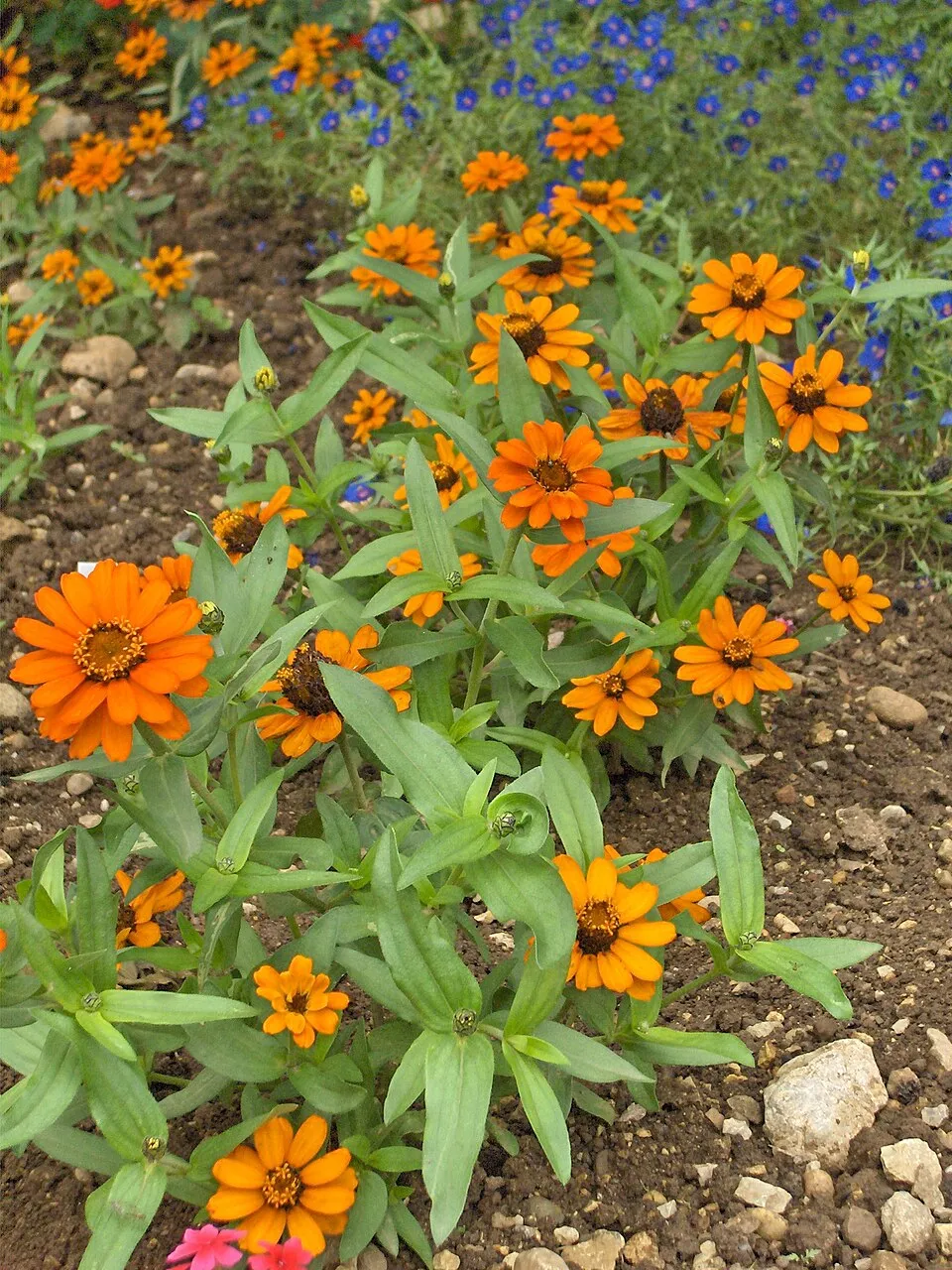
Zinnia angustifolia, commonly recognized as narrowleaf zinnia, desert zinnia, creeping zinnia, or Mexican zinnia, is a captivating annual flowering plant belonging to the expansive Asteraceae family. Native to the arid and semi-arid regions stretching from Mexico into the southwestern United States, this species is perfectly adapted to challenging environments. Morphologically, it stands out with its slender, lance-shaped to linear leaves that are typically dark green and arranged oppositely along its branching stems.
The plant generally exhibits a low-growing, spreading habit, making it an excellent choice for groundcover or container plantings. Its most striking feature is its profusion of daisy-like flowers, which are typically smaller than those of its cousin Zinnia elegans, yet equally vibrant. These blooms feature a single or semi-double row of ray florets, often in brilliant shades of yellow, orange, and red, surrounding a central disc of tiny yellow florets.
The entire plant can reach a height of 6 to 18 inches and spread up to 2 feet, creating a dense carpet of continuous color from early summer until the first frost. Its remarkable drought tolerance and preference for full sun underscore its resilience and aesthetic appeal in xeriscaping and low-maintenance gardens.
Trusted Scientific References
1. Authoritative external sources for Zinnia Angustifolia
1.1 Wikipedia — Zinnia Angustifolia
1.2 Kew POWO (Plants of the World Online)
1.3 PubMed — peer-reviewed research
1.4 NCBI Taxonomy Browser
1.5 GBIF — Global Biodiversity
1.6Zinnia Angustifolia should be interpreted through verified botanical identity, practical care, and responsible safety language. This recovery note adds the missing context needed for a complete profile: match light to the plant's habit, use well-drained soil, water according to season, and avoid unsupported medicinal or edible claims. For publishing, the plant can be presented as a source-backed garden plant with clear care guidance, common problem diagnosis, and conservative safety wording.
1.1.Zinnia Angustifolia — Distinguishing Points
- ✓Botanical Name — Zinnia angustifolia.
- ✓Common Names — Narrowleaf Zinnia, Desert Zinnia, Mexican Zinnia.
- ✓Plant Family — Asteraceae.
- ✓Native Range — Arid regions of North America (Mexico, SW USA).
- ✓Flower Colors — Yellow, Orange, Red, sometimes bi-colored.
- ✓Growth Habit — Annual, low-growing, spreading.
- ✓Drought Tolerance — High.
- ✓Sun Requirement — Full sun (6-8+ hours).
- ✓Pollinator Attractor — Excellent for attracting butterflies and hummingbirds.
- ✓Traditional Medicinal Use — Wound healing, anti-inflammatory.
- ✓Key Phytochemicals — Flavonoids, phenolic acids, terpenoids.
- ✓Garden Use — Xeriscaping, containers, borders, ground cover.
1.2.Zinnia Angustifolia — Concise Overview
- ✓Vibrant ornamental native to arid North American regions.
- ✓Traditionally noted for wound healing and anti-inflammatory potential.
- ✓Rich in beneficial compounds like flavonoids and phenolic acids.
- ✓Exceptionally drought-tolerant and requires full sun for optimal growth.
- ✓Low-maintenance plant, popular in xeriscapes and pollinator gardens.
- ✓Further scientific research is needed to validate its full medicinal potential.
2.Zinnia Angustifolia — Scientific Identity
3.Zinnia Angustifolia — Key Data
4.Zinnia Angustifolia — Physical Description
5.Zinnia Angustifolia — Origin & Spread
6.Zinnia Angustifolia — Folk Medicine Applications
7.Zinnia Angustifolia — Phytochemistry
- ✓Flavonoids — Key compounds like quercetin, kaempferol, and luteolin derivatives are abundant, acting as potent antioxidants and anti-inflammatory agents.
- ✓Phenolic Acids — Includes chlorogenic acid and caffeic acid, contributing significantly to the plant's antioxidant capacity and potentially offering antimicrobial benefits.
- ✓Terpenoids — Various sesquiterpenes and diterpenes are present, which are often associated with anti-inflammatory, analgesic, and antimicrobial activities.
- ✓Saponins — These glycosides are known for their surfactant properties and potential immunomodulatory effects, though their specific roles here require more investigation.
- ✓Alkaloids — While less prominent compared to other plant families, some alkaloidal compounds may be present, potentially contributing to diverse pharmacological actions.
- ✓Carotenoids — Responsible for the vibrant yellow, orange, and red hues of the flowers, these compounds are powerful antioxidants and precursors to Vitamin A.
- ✓Coumarins — Identified in some Zinnia species, coumarins can exhibit anti-inflammatory and anticoagulant properties, adding to the plant's therapeutic profile.
- ✓Fatty Acids — Essential fatty acids found in the seeds or aerial parts contribute to cellular integrity and may have anti-inflammatory effects.
- ✓Volatile Oils — Although not a primary source of essential oil, the plant contains various volatile compounds contributing to its aroma and potentially possessing antimicrobial activity.
- ✓Lignans — These plant compounds are known for their antioxidant and phytoestrogenic properties, which could offer additional health benefits.
8.Zinnia Angustifolia — Scientific Evidence
- ✓Antioxidant Support — Extracts from Zinnia angustifolia are rich in phenolic compounds and flavonoids, which act as potent antioxidants, helping to neutralize free radicals and reduce oxidative stress in the body.
- ✓Anti-inflammatory Properties — Traditional uses suggest its application in reducing inflammation, a property likely attributed to its flavonoid content that modulates inflammatory pathways.
- ✓Wound Healing Potential — Historically, this plant has been used topically for minor wounds and abrasions, with its compounds potentially supporting tissue regeneration and protecting against infection.
- ✓Antimicrobial Activity — Preliminary studies on Zinnia species indicate some antimicrobial effects, which could contribute to its traditional use in preventing wound infections.
- ✓Skin Health Enhancement — The antioxidant and anti-inflammatory actions may contribute to overall skin health, protecting against environmental damage and soothing irritations.
- ✓Immune System Modulation — Certain phytochemicals, such as saponins, found in Zinnia species might possess immunomodulatory effects, supporting the body’s natural defenses.
- ✓Analgesic Effects (Traditional) — Anecdotal evidence from traditional practices points to a mild pain-relieving quality, particularly when applied topically to inflamed areas.
- ✓Digestive Aid (Mild) — In some traditional systems, mild infusions might have been used to soothe minor digestive discomfort, though specific data for Zinnia angustifolia is limited.
- ✓Cardiovascular Health (Potential) — The presence of antioxidants could indirectly support cardiovascular health by reducing oxidative damage to blood vessels.
- ✓Anti-Diabetic Potential — Some plant compounds found in Zinnias are being investigated for their potential role in glucose metabolism regulation, though this is highly preliminary.
8.1.Zinnia Angustifolia — Health Applications
9.Zinnia Angustifolia — Safety & Side Effects
9.1.Zinnia Angustifolia — Caution Notes
- ✓Allergic Reactions — Individuals sensitive to plants in the Asteraceae family (e.g., ragweed, daisies, marigolds) may experience allergic reactions such as contact dermatitis or respiratory irritation upon exposure.
- ✓Gastrointestinal Upset — Ingesting large quantities of Zinnia angustifolia, especially without prior preparation, could potentially lead to mild digestive discomfort, nausea, or stomach upset.
- ✓Skin Irritation — Direct contact with the plant's sap or foliage may cause minor skin irritation or itching in some susceptible individuals.
- ✓Photosensitivity (Potential) — While not commonly reported, some plant compounds can increase skin sensitivity to sunlight, though this is rare for Zinnia angustifolia.
- ✓Unknown Drug Interactions — Due to a lack of extensive human clinical studies, potential interactions with prescription medications or other herbal supplements are currently unknown.
- ✓Pregnancy and Lactation Risks — Insufficient safety data exists for pregnant or breastfeeding individuals; therefore, use is generally advised against in these populations.
- ✓Toxicity Concerns — The exact toxicity profile of Zinnia angustifolia, particularly for internal consumption, is not well-established, warranting caution.
9.2.Zinnia Angustifolia — Safety Profile
- ✓Patch Test Recommended — Always perform a small patch test on a discreet area of skin before extensive topical application to assess for any allergic reactions or irritation.
- ✓Consult Healthcare Professional — Individuals with known allergies, pre-existing medical conditions, or those taking medications should consult a healthcare provider before using any Zinnia angustifolia preparations.
- ✓Avoid Internal Consumption — Due to the limited scientific validation and lack of established safe dosages, internal use of Zinnia angustifolia is generally not recommended without expert guidance.
- ✓Contraindicated in Pregnancy and Lactation — There is insufficient safety data regarding its use during pregnancy and breastfeeding, making it advisable to avoid use in these periods.
- ✓Allergic Individuals Beware — Persons with a history of allergies to members of the Asteraceae family should exercise extreme caution or avoid contact with Zinnia angustifolia altogether.
- ✓Keep Out of Reach of Children — Store all plant material and prepared products safely away from young children and pets to prevent accidental ingestion or contact.
- ✓Dosage Undetermined — No scientifically established safe or effective dosages exist for medicinal applications in humans, emphasizing the need for caution.
10.Zinnia Angustifolia — Preparation Methods
- ✓Topical Poultice — Freshly crushed leaves or flowers can be applied directly as a poultice to minor cuts, scrapes, or insect bites to aid in traditional wound healing and reduce local inflammation.
- ✓Herbal Infusion (External) — Dried aerial parts can be steeped in hot water to create an infusion, cooled, and then used as a wash or compress for skin irritations or minor inflammatory conditions.
- ✓Tincture Preparation — Plant material can be macerated in an alcohol-based solvent to create a tincture, which, if made, would be used externally in diluted form for skin applications.
- ✓Ointment or Salve — Extracts from the plant, particularly lipophilic compounds, could be infused into carrier oils and then combined with beeswax to form a topical ointment for skin support.
- ✓Dried Herb for Incense (Traditional) — In some cultural contexts, dried Zinnia species might have been used in ceremonial or aromatic applications, though not primarily medicinal.
- ✓Decoction (Rarely) — While typically not the method for delicate Zinnia parts, a decoction of tougher stems or roots (if used) would involve simmering in water, but this is uncommon for Zinnia angustifolia.
- ✓Floral Water/Hydrosol (Experimental) — Steam distillation of the flowers could yield a hydrosol, potentially for cosmetic or mild topical applications, though not widely documented for Zinnia angustifolia.
- ✓Culinary Garnish — The vibrant flowers, while primarily ornamental, can be used as an edible garnish to add color to salads or desserts, though without significant medicinal dosage.
11.Zinnia Angustifolia — How to Grow
- ✓Sunlight — Zinnia angustifolia thrives in full sun, requiring at least 6 to 8 hours of direct sunlight daily for optimal flowering and robust growth.
- ✓Soil Requirements — Prefers well-draining soil, such as sandy or loamy types. Heavy clay soils should be amended to prevent waterlogging, which can lead to root rot.
- ✓Watering — This species is exceptionally drought-tolerant once established. Water deeply but infrequently, allowing the soil to dry out between waterings.
- ✓Propagation — Easily grown from seed, which can be direct-sown outdoors after the last frost. Seeds germinate quickly, often within a few days to a week.
- ✓Spacing — Plant seedlings or thin direct-sown plants to 6-12 inches apart to ensure adequate air circulation and prevent fungal diseases.
- ✓Maintenance — Low maintenance; deadhead spent blooms regularly to encourage continuous flowering and maintain a tidy appearance throughout the growing season.
- ✓Fertilization — Generally requires minimal fertilization. A light application of a balanced, slow-release granular fertilizer once or twice during the growing season is sufficient.
- ✓Pest and Disease Control — Relatively resistant to most pests and diseases. Watch for powdery mildew in high humidity; selecting resistant cultivars like the Profusion or Zahara series can help.
Reviewed by the Flora Medical Global Botanical Review Panel
Multi-disciplinary editorial group · Botany · Ethnobotany · Herbal-medicine literature
Who reviewed this: This page was checked by the Flora Medical Global Botanical Review Panel — an in-house editorial group of botany graduates, ethnobotany researchers, and horticulture practitioners who collectively maintain our 7,000+ plant encyclopedia. Meet the team.
Our 4-step verification process
1. Taxonomic verification
Scientific names and synonyms cross-checked against Kew POWO, World Flora Online, and The Plant List.
2. Phytochemical & medicinal cross-reference
Active compounds, traditional uses, and reported activities are cross-referenced with PubMed, USDA Dr. Duke's database, and peer-reviewed ethnobotanical literature.
3. Conservation & distribution check
Distribution, ecology, and conservation status confirmed against GBIF occurrence records and the IUCN Red List.
4. Editorial & safety review
Every entry passes an editorial pass for clarity, originality, and safety notices (toxicity, contraindications, dosage caveats) before publication.
Last reviewed:
Important medical disclaimer: This content is for educational and research purposes only. It is not medical advice and is not a substitute for consultation with a licensed healthcare provider. Do not use any herb to self-treat a medical condition without professional guidance.
Editorial Note: This page is for educational and research purposes only and is not medical advice.
Written by: Flora Medical Global Editorial Team
Reviewed by: Flora Medical Global Botanical Review Panel
Last Updated: June 15, 2026





Zinnia Angustifolia — Comments & Community Reviews
Rate this plant