
Medical Disclaimer: This content is for educational purposes only. It is not medical advice. Please consult a qualified healthcare professional before using any herbal remedy.
Safety Overview
1.Zinnia Grandiflora — Plant Snapshot
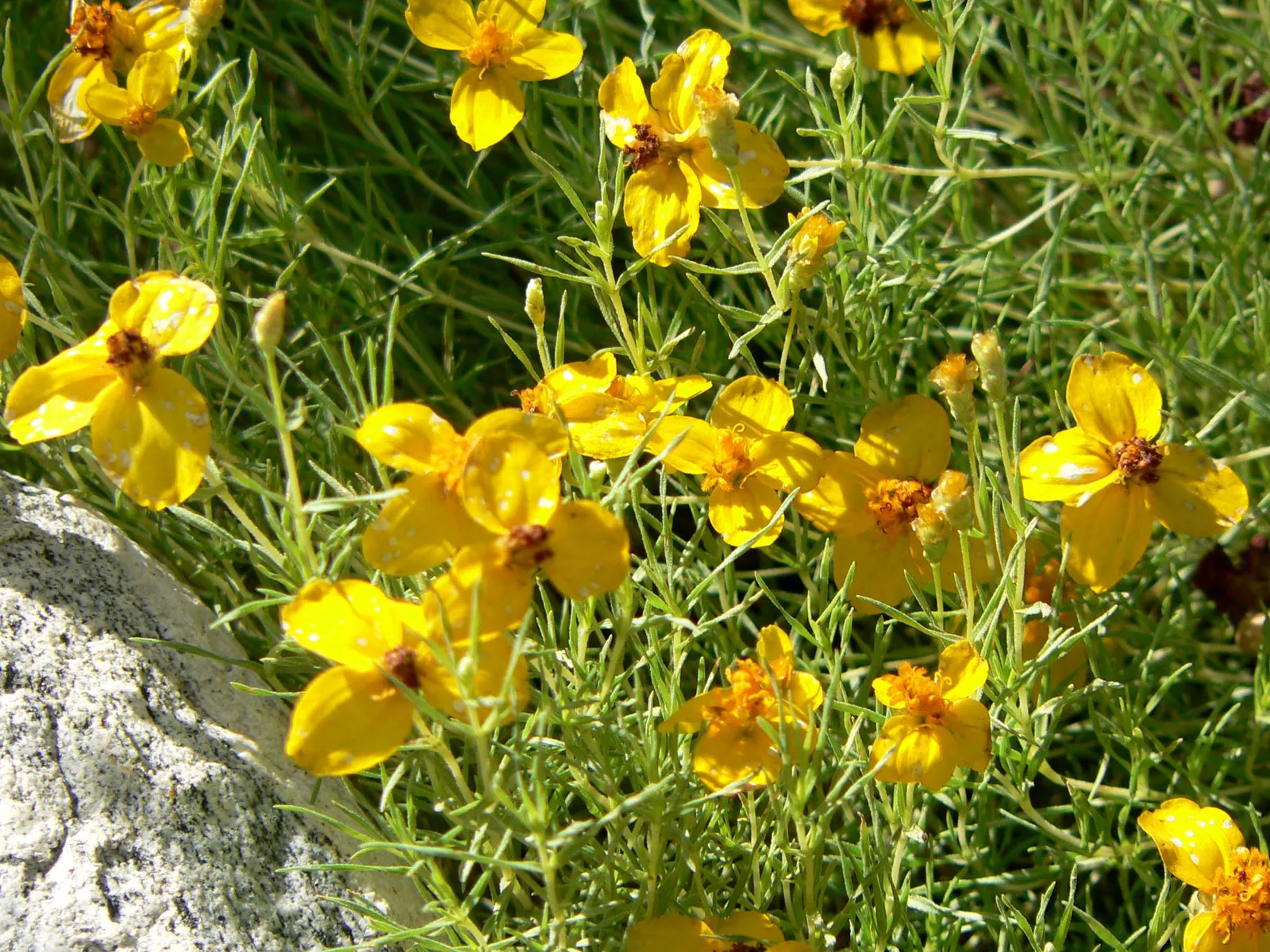
Zinnia grandiflora, commonly known as Rocky Mountain Zinnia or Plains Zinnia, is a captivating, low-growing perennial herb native to the arid and semi-arid regions of the southwestern United States and northern Mexico, particularly thriving across the Rocky Mountains, Midwest, and Southwest, including Texas, Arizona, and New Mexico. This resilient member of the Asteraceae (Compositae) family forms a dense, mossy mat of tiny, needle-like, bright green leaves, typically measuring around 1 inch (2.5 cm) in length. Its numerous much-branched, woody-based stems give the plant a robust, almost shrub-like appearance.
From late spring through mid-fall, Zinnia grandiflora produces an abundance of small, cheerful daisy-like flowers, approximately 1.5 inches (4 cm) across, characterized by bright yellow to orange ray florets surrounding a distinctive central orange cone. These prolific blooms not only add vibrant color to harsh landscapes but also serve as a vital nectar source, attracting a multitude of beneficial insects, including butterflies, moths, and bees. Growing to a compact height and spread of 4-8 inches (10-20 cm), this plant is highly valued for its exceptional drought tolerance, adaptability to poor soils, and its utility in xeriscaping, rock gardens, and for effective erosion control on sandy slopes.
Trusted Scientific References
1. Authoritative external sources for Zinnia Grandiflora
1.1 Wikipedia — Zinnia Grandiflora
1.2 Kew POWO (Plants of the World Online)
1.3 PubMed — peer-reviewed research
1.4 NCBI Taxonomy Browser
1.5 GBIF — Global Biodiversity
1.6Zinnia Grandiflora should be interpreted through verified botanical identity, practical care, and responsible safety language. This recovery note adds the missing context needed for a complete profile: match light to the plant's habit, use well-drained soil, water according to season, and avoid unsupported medicinal or edible claims. For publishing, the plant can be presented as a source-backed garden plant with clear care guidance, common problem diagnosis, and conservative safety wording.
1.1.Zinnia Grandiflora — Standout Qualities
- ✓Botanical Name — Zinnia grandiflora
- ✓Common Names — Plains Zinnia, Rocky Mountain Zinnia, Prairie Zinnia, Little Golden Zinnia
- ✓Family — Asteraceae (Compositae)
- ✓Native Range — Southwestern United States, Northern Mexico
- ✓Flower Color — Bright yellow to orange with an orange eye
- ✓Bloom Time — Late spring to mid-fall
- ✓Growth Habit — Low-growing, mat-forming perennial, 4-8 inches tall and wide
- ✓Drought Tolerance — High, extremely water-wise
- ✓Primary Use — Ornamental, xeriscaping, rock gardens, erosion control, pollinator attraction
- ✓Medicinal Status — Limited/Unproven medicinal applications; primarily ornamental
1.2.Zinnia Grandiflora — Concise Overview
- ✓Ornamental perennial native to the Southwestern US and Northern Mexico.
- ✓Drought-tolerant, low-growing groundcover with bright yellow-orange daisy-like flowers.
- ✓Primarily valued for its landscape use, xeriscaping, erosion control, and attracting pollinators.
- ✓Contains beneficial phytochemicals like flavonoids, terpenoids, and phenolic compounds.
- ✓Medicinal uses for Zinnia grandiflora are not widely documented or scientifically validated.
- ✓Not recommended for internal medicinal use due to lack of established safety data.
2.Zinnia Grandiflora — Scientific Profile
3.Zinnia Grandiflora — Reference Facts
4.Zinnia Grandiflora — Morphological Account
5.Zinnia Grandiflora — Geographic Distribution
6.Zinnia Grandiflora — Cultural & Traditional Roles
7.Zinnia Grandiflora — Active Compounds
- ✓Flavonoids — Includes compounds such as quercetin, kaempferol, and their various glycosides, recognized for their potent antioxidant, anti-inflammatory, and potential cardioprotective activities.
- ✓Terpenoids — A diverse group encompassing monoterpenes, sesquiterpenes (like germacrene D and beta-caryophyllene), and diterpenes, which contribute to the plant's natural defense mechanisms and may exhibit anti-inflammatory and antimicrobial properties.
- ✓Phenolic Compounds — This broad category includes phenolic acids (e.g., caffeic acid, chlorogenic acid) and potentially tannins, all of which are strong antioxidants and contribute to astringent and protective effects.
- ✓Alkaloids (Potential) — While not extensively documented for Zinnia grandiflora specifically, some species within the Zinnia genus may contain trace amounts of alkaloids, a class of compounds known for various pharmacological actions.
- ✓Saponins (Exploratory) — Saponins, recognized for their emulsifying and potential immune-modulating properties, are present in various plants, including some Asteraceae, though their specific occurrence and concentration in Z. grandiflora require further investigation.
- ✓Coumarins (Possible) — This group of phytochemicals, often associated with anticoagulant, anti-inflammatory, and antimicrobial activities, might be present in Zinnia grandiflora, but specific analysis is needed.
- ✓Fatty Acids — The seeds of Zinnia species typically contain various beneficial fatty acids, which are crucial for plant development and could offer nutritional value, though not typically considered primary medicinal constituents.
- ✓Essential Oils (Trace) — Volatile organic compounds that provide characteristic aromas and may possess mild antimicrobial or insect-repellent qualities, found in small quantities within the aerial parts.
8.Zinnia Grandiflora — Modern Studies
- ✓Antioxidant Activity — Zinnia grandiflora contains flavonoids and phenolic compounds, which are known for their ability to scavenge free radicals and reduce oxidative stress, offering general cellular protection, though specific clinical validation for this species is limited.
- ✓Potential Anti-inflammatory Properties — The presence of various phytochemicals, including terpenoids, suggests a theoretical capacity for modulating inflammatory responses, which is a common attribute of many plants, but requires direct investigation for Zinnia grandiflora.
- ✓General Well-being Support — As a plant rich in secondary metabolites, Zinnia grandiflora contributes to the broader ecosystem of beneficial compounds, potentially offering subtle support for overall physiological balance, although specific medicinal applications are not well-established.
- ✓Skin Protective Qualities (Topical) — Flavonoids and phenolic acids can offer protective effects against environmental stressors when applied topically, suggesting a potential role in cosmetic or dermatological formulations, rather than internal medicinal use.
- ✓Antimicrobial Potential (In Vitro) — Some plant extracts containing similar compounds have demonstrated mild antimicrobial activity in laboratory settings, hinting at a very preliminary, unexplored potential for Zinnia grandiflora.
- ✓Detoxification Support (Theoretical) — Compounds like flavonoids often support liver enzymes involved in detoxification pathways, suggesting a general, yet unproven, supportive role for Zinnia grandiflora in metabolic health.
- ✓Digestive Health (General Plant Properties) — While not traditionally used for digestion, the general presence of plant compounds can sometimes offer mild astringent or soothing effects on the gastrointestinal tract, which remains to be studied for this species.
- ✓Immune System Support (Broad Spectrum) — Many plants provide broad-spectrum immune support through their diverse phytochemical content; Zinnia grandiflora's constituents could theoretically contribute to this, but specific research is absent.
8.1.Zinnia Grandiflora — Therapeutic Indications
9.Zinnia Grandiflora — Adverse Effects
9.1.Zinnia Grandiflora — Caution Notes
- ✓Allergic Reactions — Individuals sensitive to plants in the Asteraceae family (e.g., ragweed, marigolds) might experience allergic contact dermatitis, skin rashes, or respiratory symptoms upon direct contact with Zinnia grandiflora.
- ✓Skin Irritation — Direct contact with plant sap or foliage could potentially cause mild skin irritation or photosensitivity in susceptible individuals, especially after prolonged exposure.
- ✓Ingestion Risks — As its internal medicinal use is not established, ingestion is not recommended and could lead to unknown gastrointestinal upset, nausea, or other adverse effects due to unstudied compounds.
- ✓Lack of Data — Due to the absence of specific medicinal research and clinical trials on Zinnia grandiflora, the full spectrum of potential side effects from internal or prolonged topical use remains largely unknown.
- ✓Pet Toxicity (Unconfirmed) — While not officially listed as highly toxic, it is always prudent to prevent pets from ingesting ornamental plants, as unknown compounds could potentially cause digestive upset or other mild symptoms.
9.2.Zinnia Grandiflora — Toxicity Assessment
- ✓Not for Internal Use — Zinnia grandiflora is strictly not recognized as a medicinal herb for internal consumption, and its safety in this context is completely unestablished and therefore strongly discouraged.
- ✓Allergic Sensitivities — Individuals with known allergies to plants in the Asteraceae family should exercise extreme caution; perform a patch test on a small skin area before extensive contact.
- ✓Pregnancy and Lactation — Due to a complete absence of safety data regarding its effects on fetal development or breast milk, pregnant or lactating individuals must strictly avoid any internal or extensive topical use.
- ✓Children — Keep Zinnia grandiflora plants out of reach of young children to prevent accidental ingestion, as its safety for pediatric use is entirely unknown.
- ✓Consult a Professional — Always consult a qualified healthcare provider, medical herbalist, or botanist before considering any novel plant-based remedies, especially for species with unestablished safety profiles.
- ✓External Use Only (with caution) — Any exploratory topical application should be limited to small areas, monitored closely for adverse reactions, and discontinued if irritation occurs.
10.Zinnia Grandiflora — Preparation & Dosage
- ✓Ornamental Cultivation — Primarily grown as an attractive, low-maintenance groundcover or rock garden specimen, valued for its abundant, bright yellow flowers and exceptional drought tolerance.
- ✓Xeriscaping Component — Utilized extensively in water-wise landscapes and native plant gardens due to its high drought resistance and ability to thrive in arid conditions with minimal irrigation.
- ✓Ecological Garden Addition — Planted specifically to attract beneficial pollinators like butterflies, bees, and moths, enhancing local biodiversity and supporting ecosystem health.
- ✓Erosion Control — Its spreading, mat-forming habit and robust root system make it highly effective for stabilizing sandy slopes, preventing soil erosion, and rehabilitating disturbed land.
- ✓Botanical Study Material — Can be cultivated for academic or research purposes to further investigate its phytochemical profile, genetic characteristics, and potential biological activities.
- ✓Topical Infusion (Exploratory/Cosmetic) — Hypothetically, an infusion of the leaves or flowers could be used externally in cosmetic preparations for its antioxidant properties, though not for internal medicinal use.
- ✓Herbal Tea (Cautionary/Unproven) — While some plant species are consumed as teas, there is no established or safe tradition of using Zinnia grandiflora for this purpose, and it is not recommended without further scientific validation.
11.Zinnia Grandiflora — Propagation & Care
- ✓Soil Preference — Thrives in well-drained, sandy, rocky, or gravelly soils; tolerates poor fertility, chalk, clay, and loam soil types, but performs poorly in heavy clay or consistently wet conditions.
- ✓Sun Exposure — Requires full sun exposure, ideally 6-8 hours of direct sunlight per day, for optimal growth and abundant flowering, though it can tolerate partial shade.
- ✓Watering — Highly drought-tolerant once established; water sparingly, allowing soil to dry out completely between waterings to prevent root rot. Its water needs are very low.
- ✓Propagation — Primarily propagated by seeds, which can be direct-sown in spring after the last frost or started indoors 4-6 weeks prior. Cuttings or divisions can also be taken in spring.
- ✓Temperature & Hardiness — Hardy in USDA zones 4-8; tolerates both severe heat, strong winds, and cold temperatures, making it a robust choice for various climates within its range.
- ✓Maintenance — Low maintenance; deadheading spent flowers can encourage continuous blooming, though it's not strictly necessary for plant health. Generally does not require fertilization.
- ✓Pests & Diseases — Generally pest and disease resistant, especially when grown in appropriate, well-drained conditions; watch for powdery mildew in excessively humid environments.
- ✓Landscape Use — Excellent for xeriscaping, rock gardens, native plant gardens, prairies, meadows, slopes, erosion control, and containers, providing long-lasting interest.
Reviewed by the Flora Medical Global Botanical Review Panel
Multi-disciplinary editorial group · Botany · Ethnobotany · Herbal-medicine literature
Who reviewed this: This page was checked by the Flora Medical Global Botanical Review Panel — an in-house editorial group of botany graduates, ethnobotany researchers, and horticulture practitioners who collectively maintain our 7,000+ plant encyclopedia. Meet the team.
Our 4-step verification process
1. Taxonomic verification
Scientific names and synonyms cross-checked against Kew POWO, World Flora Online, and The Plant List.
2. Phytochemical & medicinal cross-reference
Active compounds, traditional uses, and reported activities are cross-referenced with PubMed, USDA Dr. Duke's database, and peer-reviewed ethnobotanical literature.
3. Conservation & distribution check
Distribution, ecology, and conservation status confirmed against GBIF occurrence records and the IUCN Red List.
4. Editorial & safety review
Every entry passes an editorial pass for clarity, originality, and safety notices (toxicity, contraindications, dosage caveats) before publication.
Last reviewed:
Important medical disclaimer: This content is for educational and research purposes only. It is not medical advice and is not a substitute for consultation with a licensed healthcare provider. Do not use any herb to self-treat a medical condition without professional guidance.
Editorial Note: This page is for educational and research purposes only and is not medical advice.
Written by: Flora Medical Global Editorial Team
Reviewed by: Flora Medical Global Botanical Review Panel
Last Updated: June 15, 2026





Zinnia Grandiflora — Comments & Community Reviews
Rate this plant