
Medical Disclaimer: This content is for educational purposes only. It is not medical advice. Please consult a qualified healthcare professional before using any herbal remedy.
Safety Overview
1.Zizania — Introduction & Highlights
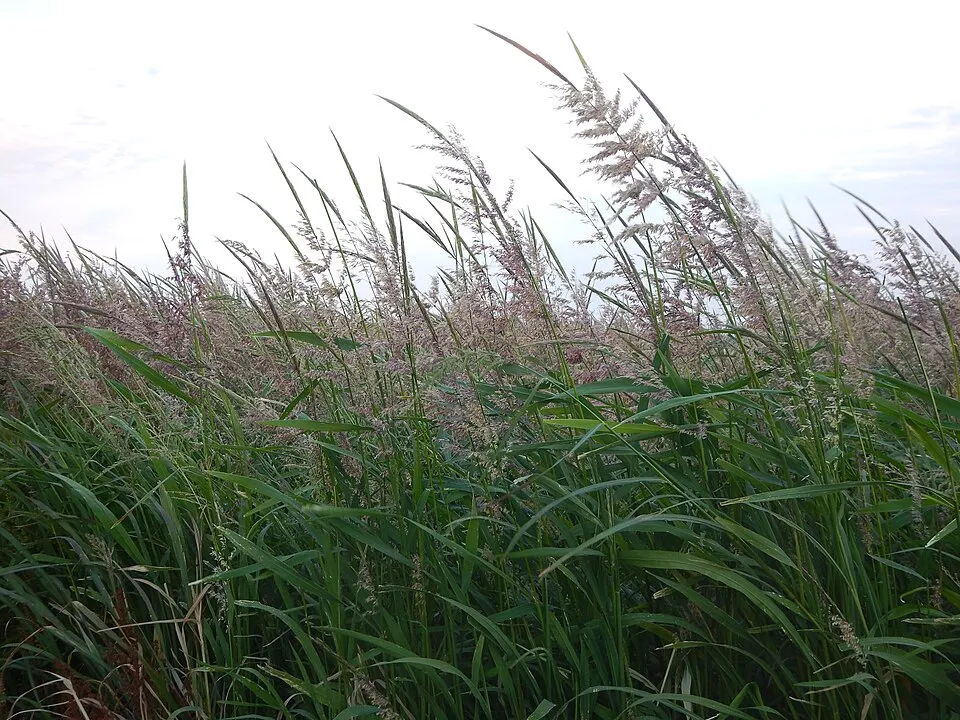
Zizania palustris, commonly known as Northern Wild Rice, is an annual aquatic grass indigenous to North America, particularly thriving in the shallow, slow-moving waters of marshes, lakeshores, and river backwaters across Canada and the northern United States. This graceful plant typically achieves impressive heights of 1.5 to 3 meters, anchoring itself in organic-rich, mucky sediments. Its morphology is characterized by long, slender leaves, which can extend up to 60 cm in length and 2 cm in width, displaying a vibrant green hue and a smooth texture.
The plant's hollow culms provide buoyancy, enabling it to float easily on the water's surface. Distinctive feathery panicles form the inflorescences, maturing from a pale green to a rich brown, and house small, predominantly self-pollinating flowers. Taxonomically, Zizania palustris is a member of the Poaceae family, a vast group encompassing many cereal grasses.
Its unique adaptation to wetland environments is crucial for local biodiversity, offering habitat and sustenance to various wildlife. The elongated, dark grains, harvested in late summer to early fall, represent a significant and culturally revered food source, especially for Indigenous communities, who have historically utilized wild rice not only for sustenance but also for its traditional medicinal properties, particularly for digestive and inflammatory conditions.
Trusted Scientific References
1. Authoritative external sources for Zizania palustris
1.1 Wikipedia — Zizania palustris
1.2 Kew POWO (Plants of the World Online)
1.3 PubMed — peer-reviewed research
1.4 NCBI Taxonomy Browser
1.5 GBIF — Global Biodiversity
1.6Zizania should be interpreted through verified botanical identity, practical care, and responsible safety language. This recovery note adds the missing context needed for a complete profile: match light to the plant's habit, use well-drained soil, water according to season, and avoid unsupported medicinal or edible claims. For publishing, the plant can be presented as a source-backed medicinal plant with clear care guidance, common problem diagnosis, and conservative safety wording.
1.1.Zizania — Standout Qualities
- ✓Annual Aquatic Grass — Completes its life cycle within one year, growing in freshwater wetlands.
- ✓Edible & Nutritious Grain — Offers a unique, chewy texture and nutty flavor, packed with nutrients.
- ✓High in Dietary Fiber — Excellent for promoting digestive health and regularity.
- ✓Rich Source of Antioxidants — Contains phenolic compounds, flavonoids, and anthocyanins for cellular protection.
- ✓Plant — Based Protein — Provides a significant amount of protein, making it valuable for vegetarian and vegan diets.
- ✓Gluten — Free — Naturally free of gluten, suitable for individuals with celiac disease or gluten sensitivity.
- ✓Indigenous Cultural Staple — Deeply significant food and medicinal plant for North American Indigenous peoples.
- ✓Wetland Ecosystem Support — Crucial for providing food and habitat for waterfowl and other wildlife.
- ✓Source of Essential Minerals — Contains magnesium, phosphorus, zinc, and manganese important for health.
- ✓Low Glycemic Index — Helps in the slow release of glucose, beneficial for blood sugar control.
1.2.Zizania — In Brief
- ✓North American aquatic grass, Zizania palustris, prized for its edible, nutritious grains.
- ✓Rich in dietary fiber, plant-based protein, essential minerals, and potent antioxidants.
- ✓Traditionally used by Indigenous cultures and in Ayurveda for digestive health and vitality.
- ✓Supports cardiovascular well-being, aids in blood sugar management, and offers cellular protection.
- ✓Thrives in shallow wetlands, playing a vital ecological role and sustaining wildlife.
- ✓A gluten-free grain with a distinctive nutty flavor, valuable for diverse culinary uses.
2.Zizania — Taxonomic Classification
3.Zizania — Reference Facts
4.Zizania — Structural Profile
5.Zizania — Geographic Distribution
6.Zizania — Cultural & Traditional Roles
7.Zizania — Secondary Metabolites
- ✓Dietary Fiber — Predominantly insoluble fiber, crucial for digestive health and regularity, along with some soluble fiber for cholesterol management.
- ✓Proteins — Contains a significant amount of protein with a good balance of essential amino acids, higher than many other grains.
- ✓Carbohydrates — Primarily complex carbohydrates, providing sustained energy release and aiding in blood sugar control.
- ✓Phenolic Compounds — Includes various phenolic acids such as ferulic acid, gallic acid, and p-coumaric acid, contributing to its antioxidant capacity.
- ✓Flavonoids — Presence of flavonoids like quercetin derivatives, which offer antioxidant and anti-inflammatory benefits.
- ✓Anthocyanins — Pigments responsible for the dark color of the grains, known for potent antioxidant and anti-inflammatory activities.
- ✓Minerals — Rich in essential minerals including magnesium, phosphorus, zinc, manganese, and potassium, vital for numerous bodily functions.
- ✓B Vitamins — Contains B vitamins such as thiamine (B1), riboflavin (B2), niacin (B3), and pyridoxine (B6), important for energy metabolism and nervous system health.
- ✓Fatty Acids — Contains small amounts of healthy fats, including polyunsaturated fatty acids.
- ✓Phytosterols — Plant sterols that can help reduce cholesterol absorption.
8.Zizania — Research Insights
- ✓Digestive Support — The high dietary fiber content in Zizania palustris promotes healthy bowel function, aiding in regularity and preventing constipation.
- ✓Blood Sugar Regulation — Its complex carbohydrates and fiber contribute to a slower release of glucose, helping to stabilize blood sugar levels and potentially beneficial for managing diabetes.
- ✓Cardiovascular Health — The nutrient profile, including fiber, magnesium, and antioxidants, supports heart health by helping to manage cholesterol levels and reduce oxidative stress.
- ✓Antioxidant Protection — Rich in phenolic compounds, flavonoids, and anthocyanins, wild rice helps combat free radicals, protecting cells from oxidative damage.
- ✓Anti-Inflammatory Properties — Traditional uses suggest benefits in alleviating inflammatory conditions, potentially due to its phytochemical content.
- ✓Enhanced Vitality and Energy — As a nutrient-dense grain, Zizania palustris provides essential B vitamins, proteins, and minerals that support overall energy metabolism and reduce fatigue.
- ✓Lactation Promotion — In some traditional practices, wild rice is believed to have galactagogue properties, supporting milk production in nursing mothers.
- ✓Weight Management — The high fiber and protein content contribute to satiety, helping to reduce overall calorie intake and support healthy weight.
- ✓Bone Health — Contains minerals like phosphorus and magnesium which are vital for maintaining strong bones and overall skeletal integrity.
- ✓Immune System Support — Its array of vitamins and minerals, including zinc, contributes to a robust immune response and overall cellular defense.
8.1.Zizania — Health Applications
9.Zizania — Precautions & Warnings
9.1.Zizania — Warnings
- ✓Digestive Discomfort — High fiber content can lead to gas, bloating, or abdominal cramps, especially in individuals unaccustomed to fiber-rich diets.
- ✓Allergic Reactions — While rare, individuals with sensitivities to grasses (Poaceae family) may experience allergic symptoms.
- ✓Heavy Metal Accumulation — As an aquatic plant, Zizania palustris can absorb heavy metals like cadmium or lead from contaminated water sources.
- ✓Mycotoxin Risk — Improper drying or storage can lead to mold growth and the production of mycotoxins, posing health risks.
- ✓Phytate Content — Contains phytates, which can bind to minerals, potentially reducing their absorption if consumed in very large quantities or as a primary food source.
- ✓Oxalate Presence — Contains oxalates, which could be a concern for individuals prone to kidney stones, though typically in amounts not problematic for most.
9.2.Zizania — Safety Profile
- ✓General Food Safety — Zizania palustris is widely considered safe for consumption as a food item when properly prepared and sourced.
- ✓Sourcing Purity — Crucial to obtain wild rice from uncontaminated water bodies to avoid heavy metal or pesticide exposure.
- ✓Proper Cooking — Thorough cooking is essential to ensure digestibility and eliminate potential microbial contaminants.
- ✓Pregnancy and Lactation — Generally safe when consumed in food amounts; medicinal or concentrated forms should be discussed with a healthcare provider.
- ✓Children — Safe for consumption by children as part of a balanced and varied diet.
- ✓Storage Conditions — Store in a cool, dry, airtight container to prevent moisture absorption, mold growth, and maintain quality.
- ✓Moderation — As with any food, consumption in moderation is advisable, especially for individuals with pre-existing digestive sensitivities.
10.Zizania — Application Forms
- ✓Whole Grain Cooking — Cooked as a nutritious side dish, often replacing rice or other grains, by simmering in water or broth until tender.
- ✓Salad Ingredient — Adds a chewy texture and nutty flavor to cold salads, particularly when combined with vegetables and vinaigrettes.
- ✓Stuffing Component — Frequently used in poultry or vegetable stuffings, contributing a distinctive texture and earthy taste.
- ✓Soup and Stew Thickener — Incorporated into hearty soups and stews, where it absorbs flavors and adds substance.
- ✓Flour Alternative — Can be ground into flour, though less common, for use in baking, imparting a unique flavor to breads and pastries.
- ✓Porridge or Cereal Base — Prepared as a warm breakfast porridge, often with fruits, nuts, and sweeteners, for a nutrient-rich start to the day.
- ✓Traditional Decoctions — Historically, Indigenous communities prepared decoctions from the grains for various medicinal purposes, especially digestive complaints.
- ✓Sprouted Grains — Some preparations involve sprouting the grains to potentially enhance nutrient bioavailability and digestibility.
11.Zizania — Growing Guide
- ✓Habitat Replication — Best cultivated in environments mimicking natural wetlands, characterized by shallow, flowing water and mucky soil.
- ✓Seed Stratification — Seeds require a period of cold stratification (typically 3-6 months in cold water) to break dormancy before spring planting.
- ✓Water Depth Management — Optimal water depth for Zizania palustris ranges from 15-60 cm (6-24 inches) throughout the growing season.
- ✓Soil Composition — Thrives in rich, organic, anaerobic mud or peat soils, essential for strong root development.
- ✓Planting Technique — Seeds are typically broadcasted directly into the water in late fall or early spring, sinking to the sediment.
- ✓Pest and Disease Control — Requires monitoring for waterfowl predation, insect infestations, and fungal diseases, especially in commercial settings.
- ✓Water Quality — Sensitive to water pollution, requiring clean, unpolluted water sources for healthy growth and safe consumption.
- ✓Harvesting Practices — Traditionally harvested by hand from canoes using flailing sticks to gently dislodge grains into the boat, typically in late summer to early fall.
Reviewed by the Flora Medical Global Botanical Review Panel
Multi-disciplinary editorial group · Botany · Ethnobotany · Herbal-medicine literature
Who reviewed this: This page was checked by the Flora Medical Global Botanical Review Panel — an in-house editorial group of botany graduates, ethnobotany researchers, and horticulture practitioners who collectively maintain our 7,000+ plant encyclopedia. Meet the team.
Our 4-step verification process
1. Taxonomic verification
Scientific names and synonyms cross-checked against Kew POWO, World Flora Online, and The Plant List.
2. Phytochemical & medicinal cross-reference
Active compounds, traditional uses, and reported activities are cross-referenced with PubMed, USDA Dr. Duke's database, and peer-reviewed ethnobotanical literature.
3. Conservation & distribution check
Distribution, ecology, and conservation status confirmed against GBIF occurrence records and the IUCN Red List.
4. Editorial & safety review
Every entry passes an editorial pass for clarity, originality, and safety notices (toxicity, contraindications, dosage caveats) before publication.
Last reviewed:
Important medical disclaimer: This content is for educational and research purposes only. It is not medical advice and is not a substitute for consultation with a licensed healthcare provider. Do not use any herb to self-treat a medical condition without professional guidance.
Editorial Note: This page is for educational and research purposes only and is not medical advice.
Written by: Flora Medical Global Editorial Team
Reviewed by: Flora Medical Global Botanical Review Panel
Last Updated: June 15, 2026





Zizania — Comments & Community Reviews
Rate this plant