

Medical Disclaimer: This content is for educational purposes only. It is not medical advice. Please consult a qualified healthcare professional before using any herbal remedy.
Safety Overview
1.Ziziphora — Overview
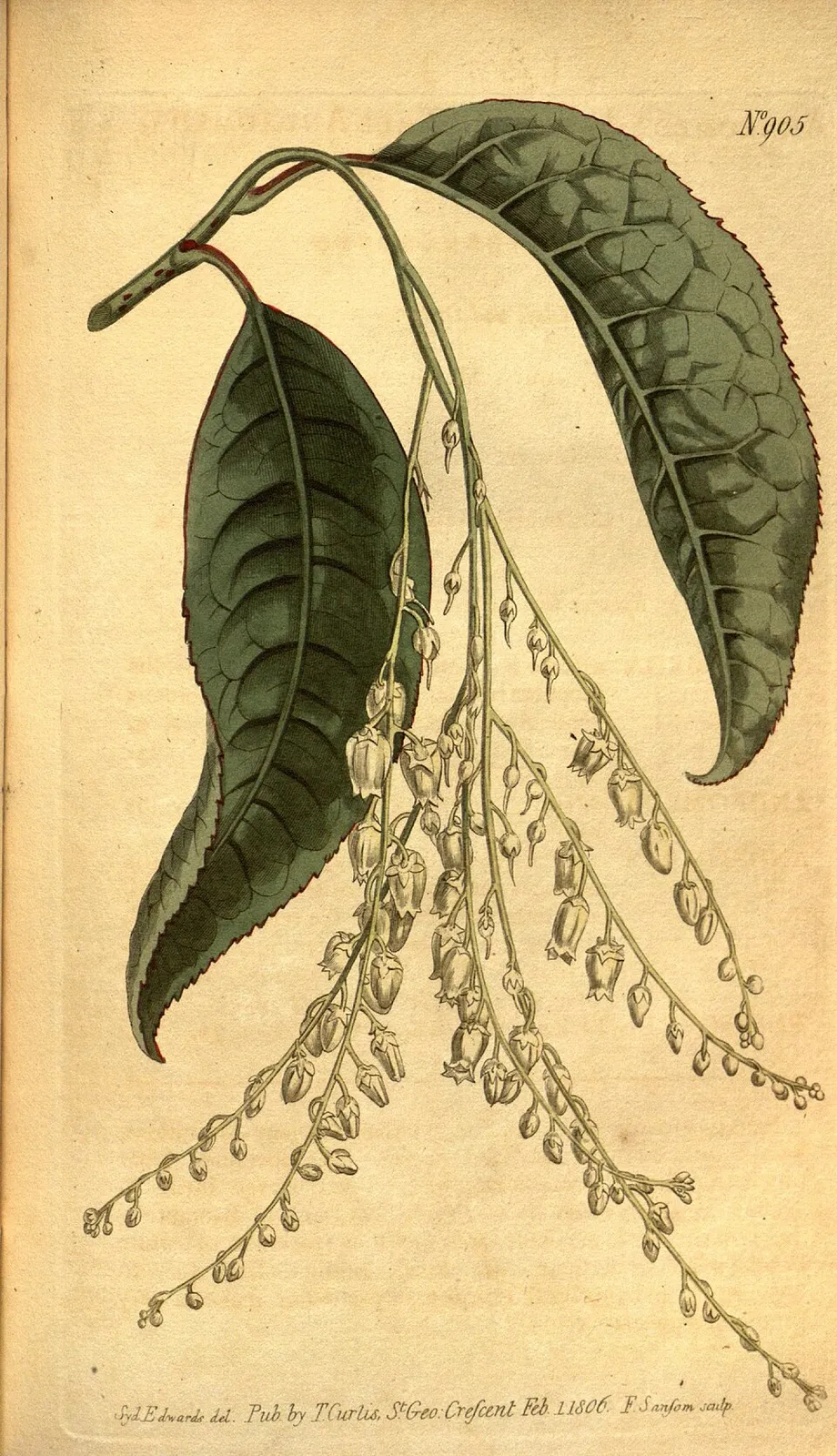
Ziziphora clinopodioides, a distinguished member of the Lamiaceae family, commonly known as mints, is a perennial herbaceous plant native to the temperate regions of Eurasia, with a notable presence across Central Asia, including Kazakhstan. This resilient herb typically achieves a modest height of 10 to 40 centimeters, often presenting a sub-shrubby growth habit with woody roots in established specimens. Its morphology is characterized by small, often oval or narrowly lanceolate leaves that are typically short-petiolate or sub-sessile and conspicuously glandular on their abaxial (underside) surface.
The plant’s aesthetic appeal is enhanced by its charming clusters of small, labiate flowers, which range in color from delicate purple to soft pink. These blossoms are arranged in dense verticillasters, either scattered along the leaf axils or forming a terminal capitulum, and feature a distinctive 2-lipped corolla and a 13-veined calyx. Ziziphora clinopodioides flourishes from June to September, depending on local environmental conditions, preferring well-drained soils and ample sunlight.
Its taxonomic classification within the genus Ziziphora is intricate, given the existence of over 30 species worldwide, with Z. clinopodioides often considered closely related to, or even a progenitor of, species like Z. bungeana.
Trusted Scientific References
1. Authoritative external sources for Ziziphora clinopodioides
1.1 Wikipedia — Ziziphora clinopodioides
1.2 Kew POWO (Plants of the World Online)
1.3 PubMed — peer-reviewed research
1.4 NCBI Taxonomy Browser
1.5 GBIF — Global Biodiversity
1.6Ziziphora should be interpreted through verified botanical identity, practical care, and responsible safety language. This recovery note adds the missing context needed for a complete profile: match light to the plant's habit, use well-drained soil, water according to season, and avoid unsupported medicinal or edible claims. For publishing, the plant can be presented as a source-backed medicinal plant with clear care guidance, common problem diagnosis, and conservative safety wording.
1.1.Ziziphora — Key Features
- ✓Aromatic Herb — Possesses a distinct, pleasant minty-thyme fragrance, making it suitable for culinary and aromatic uses.
- ✓Traditional Medicine Staple — Deeply integrated into Ayurvedic, Unani, and various Central Asian folk medicine systems for centuries.
- ✓Rich in Essential Oils — Contains a high concentration of volatile monoterpenoids, including pulegone, menthone, and isomenthone.
- ✓Potent Anti — inflammatory — Effectively reduces inflammation and alleviates associated discomfort.
- ✓Strong Antioxidant Capacity — Protects cells and tissues from oxidative stress and free radical damage.
- ✓Natural Antimicrobial Agent — Demonstrates efficacy against a range of bacterial and fungal pathogens.
- ✓Effective Antispasmodic — Helps to relax smooth muscles, making it beneficial for cramps and spasms.
- ✓Digestive Health Promoter — Aids in relieving common digestive issues like indigestion, bloating, and gas.
- ✓Respiratory System Support — Offers traditional relief for coughs, colds, and mild bronchial conditions.
- ✓Perennial Growth Habit — A resilient plant that returns annually, suitable for sustainable cultivation.
1.2.Ziziphora — Snapshot Summary
- ✓Ziziphora clinopodioides is an aromatic Lamiaceae herb native to Eurasia, valued for its traditional medicinal uses.
- ✓It is rich in monoterpenoids (pulegone, menthone), flavonoids, and phenolic acids, which underpin its therapeutic actions.
- ✓The plant exhibits significant anti-inflammatory, antioxidant, antimicrobial, and antispasmodic properties.
- ✓Traditionally employed for digestive, respiratory, and inflammatory conditions, and for balancing Ayurvedic doshas.
- ✓Cultivation requires well-drained soil and full sun; propagated via seeds or cuttings.
- ✓Caution is paramount during pregnancy, lactation, and for individuals with liver issues due to the pulegone content; always adhere to safe dosages.
2.Ziziphora — Systematic Position
3.Ziziphora — Quick Facts
4.Ziziphora — Plant Morphology
5.Ziziphora — Habitat & Distribution
6.Ziziphora — Cultural & Traditional Roles
7.Ziziphora — Secondary Metabolites
- ✓Monoterpenoids — Principal components of the essential oil, including pulegone, menthone, isomenthone, and p-menthane derivatives. These compounds are responsible for the plant's characteristic aroma and exert significant antimicrobial, antispasmodic, and anti-inflammatory actions.
- ✓Flavonoids — Key phenolic compounds such as luteolin, apigenin, and their glycosides. These contribute to the plant's strong antioxidant, anti-inflammatory, and potentially anticarcinogenic activities.
- ✓Phenolic Acids — Important antioxidants like rosmarinic acid and caffeic acid. They play a crucial role in the plant's free radical scavenging capacity and anti-inflammatory mechanisms.
- ✓Triterpenoids — Compounds such as ursolic acid and oleanolic acid are present, known for their anti-inflammatory, hepatoprotective, and antiproliferative properties.
- ✓Sesquiterpenoids — Found in smaller quantities within the essential oil, contributing to the overall aromatic profile and subtle therapeutic effects.
- ✓Volatile Oils — The complex mixture of essential oils, predominantly monoterpenes, is central to Ziziphora's therapeutic applications, providing its distinctive fragrance and bioactivity.
- ✓Tannins — Possess astringent properties, contributing to antimicrobial effects and potentially aiding in digestive health by tightening mucosal tissues.
- ✓Coumarins — Minor constituents that may contribute to anti-inflammatory or anticoagulant properties, though their role in Ziziphora is less prominent.
- ✓Sterols — Plant sterols, such as beta-sitosterol, are present in the lipid fraction, playing a role in plant physiology and offering minor health benefits.
8.Ziziphora — Research Insights
- ✓Anti-inflammatory — Ziziphora clinopodioides exhibits significant anti-inflammatory properties, attributed to its flavonoid and phenolic acid content, which can help modulate inflammatory pathways and reduce swelling and pain.
- ✓Antioxidant Activity — Rich in potent antioxidants, this plant effectively scavenges free radicals, protecting cellular structures from oxidative damage and contributing to overall cellular health.
- ✓Antimicrobial Effects — The essential oil, particularly its monoterpenoid components, demonstrates broad-spectrum antimicrobial activity against various bacteria and fungi, making it valuable for combating infections.
- ✓Antispasmodic Properties — Compounds like menthone and isomenthone contribute to its ability to relax smooth muscles, making it effective in alleviating spasms, particularly those affecting the digestive and respiratory systems.
- ✓Digestive Aid — Traditionally used to soothe digestive complaints such as indigestion, bloating, and flatulence by promoting healthy digestion and reducing discomfort.
- ✓Respiratory Support — Offers relief for respiratory issues like coughs, colds, and mild bronchitis through its expectorant and bronchodilatory effects, helping to clear airways.
- ✓Skin Condition Management — Applied topically, its anti-inflammatory and antimicrobial actions can help in the management of minor skin irritations, wounds, and superficial infections.
- ✓Cardiovascular Health Support — In traditional Kazakh medicine, Ziziphora species are noted for uses related to the cardiovascular system, potentially through antioxidant effects on blood vessels or mild hypotensive actions.
- ✓Analgesic Action — Its anti-inflammatory capabilities indirectly contribute to pain relief, making it useful for managing discomfort associated with inflammatory conditions.
- ✓Carminative Effect — Helps expel gas from the digestive tract, reducing feelings of fullness and discomfort associated with flatulence.
- ✓Traditional Dosha Balancing — In Ayurvedic practice, Ziziphora is considered to have a cooling virya (potency) and is used to balance aggravated Pitta and Kapha doshas, promoting internal harmony.
8.1.Ziziphora — Conditions Traditionally Used For
9.Ziziphora — Adverse Effects
9.1.Ziziphora — Warnings
- ✓Allergic Reactions — Individuals sensitive to Lamiaceae family plants may experience allergic reactions such as skin rashes, itching, or respiratory distress.
- ✓Gastrointestinal Discomfort — High doses or concentrated preparations may lead to mild gastrointestinal upset, including nausea, vomiting, or diarrhea.
- ✓Hepatotoxicity — The monoterpenoid pulegone, a major constituent, can be hepatotoxic (liver damaging) in excessively high doses, particularly from undiluted essential oil.
- ✓Uterine Stimulation — Due to pulegone content, Ziziphora, especially its essential oil, may stimulate uterine contractions, posing a risk during pregnancy.
- ✓Central Nervous System Effects — In very high concentrations or from internal use of undiluted essential oil, adverse neurological effects like dizziness, confusion, or seizures are possible.
- ✓Drug Interactions — May potentially interact with medications metabolized by the liver (CYP450 enzymes) or those with sedative properties; caution is advised.
- ✓Skin Irritation — Undiluted essential oil can cause skin irritation or sensitization; always perform a patch test and dilute properly before topical application.
9.2.Ziziphora — Toxicity Assessment
- ✓Pregnancy and Lactation — Ziziphora clinopodioides is contraindicated during pregnancy and lactation due to the potential uterine stimulant effects of pulegone, which could induce miscarriage.
- ✓Children — Avoid internal use of Ziziphora, particularly the essential oil, in infants and young children due to their increased sensitivity to monoterpenoids.
- ✓Liver Conditions — Individuals with pre-existing liver disease or compromised liver function should exercise extreme caution or avoid Ziziphora due to the hepatotoxic potential of pulegone.
- ✓Dosage Adherence — Strict adherence to recommended dosages for herbal preparations is crucial; essential oils should never be ingested without professional guidance and extreme dilution.
- ✓Purity and Source — Always ensure that Ziziphora products, especially essential oils, are sourced from reputable suppliers to guarantee purity and prevent contamination or adulteration.
- ✓Professional Consultation — Advise individuals with chronic health conditions, those on medication, or undergoing surgery to consult a healthcare provider before using Ziziphora.
- ✓Topical Application — Always dilute Ziziphora essential oil with a suitable carrier oil before applying to the skin, and perform a patch test on a small area to check for sensitivity.
10.Ziziphora — Application Forms
- ✓Herbal Tea (Infusion) — Prepare a soothing tea by steeping 1-2 teaspoons of dried Ziziphora leaves and flowers in 250 ml of hot water for 5-10 minutes, then strain and consume.
- ✓Tincture Preparation — A concentrated liquid extract can be made by macerating dried plant material in a mixture of alcohol (e.g., 40-60%) and water, typically at a 1:5 ratio, for several weeks.
- ✓Essential Oil — The steam-distilled essential oil is potent and should only be used externally, diluted in a carrier oil (e.g., 2-5% concentration), or diffused for aromatic benefits.
- ✓Poultice or Compress — For topical applications, crushed fresh leaves or a strong infusion can be applied directly to the skin as a poultice or compress for localized relief.
- ✓Culinary Herb — Dried Ziziphora leaves offer a unique, minty-thyme flavor and can be used as a culinary seasoning in various dishes, particularly in Central Asian cuisine.
- ✓Inhalation Therapy — For respiratory support, add a few drops of diluted essential oil or a strong Ziziphora tea to a bowl of hot water for steam inhalation.
- ✓Infused Oil — Dried plant material can be infused into a carrier oil (like olive or almond oil) over several weeks, creating a topical oil for massage or skin application.
- ✓Decoction Method — While infusion is common, a decoction (simmering tougher plant parts) could be used for root or stem materials, though less typical for Ziziphora's aerial parts.
11.Ziziphora — Propagation & Care
- ✓Propagation — Ziziphora clinopodioides can be effectively propagated from either seeds or vegetative cuttings, with cuttings often yielding faster establishment.
- ✓Sowing Time — Seeds are best sown in early spring after the last frost, or indoors 6-8 weeks before transplanting, to ensure optimal germination and growth.
- ✓Soil Requirements — Thrives in well-drained soil types, preferring sandy-loam or loamy textures, with a neutral to slightly alkaline pH range for robust development.
- ✓Sunlight Exposure — Requires full sun exposure for at least 6-8 hours daily to achieve optimal growth, flowering, and essential oil production.
- ✓Planting Spacing — When transplanting seedlings or cuttings, space plants approximately 20-30 cm (8-12 inches) apart to allow for adequate air circulation and root expansion.
- ✓Watering Regimen — Once established, Ziziphora clinopodioides is remarkably drought-tolerant; water sparingly, allowing the soil to dry out between waterings, especially in humid climates.
- ✓Climate Adaptability — Best suited for temperate regions, the plant shows good tolerance to cold but flourishes in environments with warm, dry summers, typical of its native range.
- ✓Harvesting Practices — Aerial parts, particularly the leaves and flowering tops, are ideally harvested when the plant is in full bloom to maximize the concentration of valuable essential oils and other active compounds.
Reviewed by the Flora Medical Global Botanical Review Panel
Multi-disciplinary editorial group · Botany · Ethnobotany · Herbal-medicine literature
Who reviewed this: This page was checked by the Flora Medical Global Botanical Review Panel — an in-house editorial group of botany graduates, ethnobotany researchers, and horticulture practitioners who collectively maintain our 7,000+ plant encyclopedia. Meet the team.
Our 4-step verification process
1. Taxonomic verification
Scientific names and synonyms cross-checked against Kew POWO, World Flora Online, and The Plant List.
2. Phytochemical & medicinal cross-reference
Active compounds, traditional uses, and reported activities are cross-referenced with PubMed, USDA Dr. Duke's database, and peer-reviewed ethnobotanical literature.
3. Conservation & distribution check
Distribution, ecology, and conservation status confirmed against GBIF occurrence records and the IUCN Red List.
4. Editorial & safety review
Every entry passes an editorial pass for clarity, originality, and safety notices (toxicity, contraindications, dosage caveats) before publication.
Last reviewed:
Important medical disclaimer: This content is for educational and research purposes only. It is not medical advice and is not a substitute for consultation with a licensed healthcare provider. Do not use any herb to self-treat a medical condition without professional guidance.
Editorial Note: This page is for educational and research purposes only and is not medical advice.
Written by: Flora Medical Global Editorial Team
Reviewed by: Flora Medical Global Botanical Review Panel
Last Updated: June 15, 2026





Ziziphora — Comments & Community Reviews
Rate this plant