
Medical Disclaimer: This content is for educational purposes only. It is not medical advice. Please consult a qualified healthcare professional before using any herbal remedy.
Safety Overview
1.Ziziphus Nummularia — Botanical Snapshot
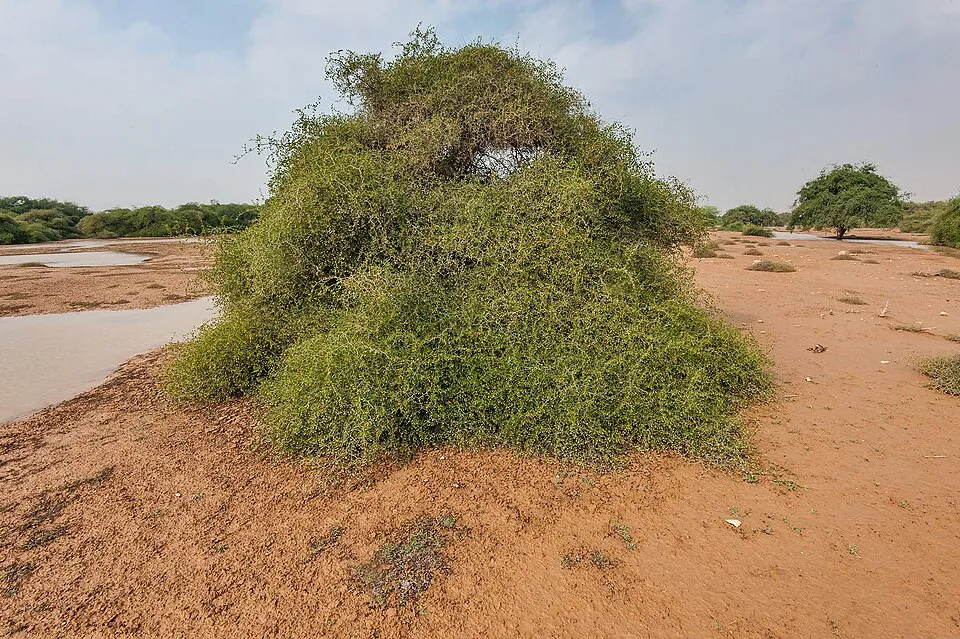
Ziziphus nummularia, commonly known as Indian jujube or 'Beri', is a resilient perennial shrub belonging to the Rhamnaceae family, typically growing to a height of 1 to 3 meters. This hardy species is characterized by its dense, somewhat thorny foliage, with small, oval to rounded leaves measuring approximately 1 to 4 centimeters in length. The leaves exhibit a distinctive glossy green upper surface and a paler, often velvety underside, adapting well to harsh conditions.
Its bark is grayish-brown, developing a rough, scaly texture that becomes more pronounced with age, providing protection against environmental stressors. Ziziphus nummularia produces inconspicuous yet charming yellow-green flowers, usually clustered, each about 3 to 5 millimeters across. These blossoms typically appear from late spring to early summer, attracting pollinators.
Following the flowering period, the plant develops small, edible, round fruits, measuring 1 to 2 centimeters in diameter, which ripen from green to a yellowish-brown hue, offering a sweet-tart taste. This species is predominantly native to arid and semi-arid regions of South Asia, particularly thriving in India and Pakistan, where it is often found in sandy or rocky soils, showcasing its remarkable drought tolerance. Taxonomically, it is part of a diverse family known for several species with significant medicinal and nutritional value in traditional herbal practices.
Trusted Scientific References
1. Authoritative external sources for Ziziphus nummularia
1.1 Wikipedia — Ziziphus nummularia
1.2 Kew POWO (Plants of the World Online)
1.3 PubMed — peer-reviewed research
1.4 NCBI Taxonomy Browser
1.5 GBIF — Global Biodiversity
1.6Ziziphus Nummularia should be interpreted through verified botanical identity, practical care, and responsible safety language. This recovery note adds the missing context needed for a complete profile: match light to the plant's habit, use well-drained soil, water according to season, and avoid unsupported medicinal or edible claims. For publishing, the plant can be presented as a source-backed medicinal plant with clear care guidance, common problem diagnosis, and conservative safety wording.
1.1.Ziziphus Nummularia — Highlights
- ✓Resilient arid — zone shrub, tolerating drought and poor soils.
- ✓Bears small, round, — Bears small, round, edible fruits rich in Vitamin C and potassium.
- ✓Contains unique cyclopeptide alkaloids like nummularine — M.
- ✓Exhibits significant anti — inflammatory and antioxidant activities.
- ✓Traditional uses include — Traditional uses include treating insomnia, anxiety, and diarrhea.
- ✓Valued in Ayurvedic — Valued in Ayurvedic and Unani systems of medicine.
- ✓Possesses documented antimicrobial — Possesses documented antimicrobial and antidiabetic potential.
- ✓Attractive glossy green — Attractive glossy green leaves with a thorny habit.
- ✓Contributes to local — Contributes to local ecosystems as a forage plant.
- ✓Subject of ongoing — Subject of ongoing research for its therapeutic compounds.
1.2.Ziziphus Nummularia — In Brief
- ✓Ziziphus nummularia is an arid-adapted shrub from the Rhamnaceae family, native to South Asia.
- ✓Known as Indian jujube, it bears small, edible, nutrient-rich fruits.
- ✓Traditionally used in Ayurvedic and Unani medicine for its calming, digestive, and anti-inflammatory properties.
- ✓Rich in cyclopeptide alkaloids, flavonoids, and saponins, contributing to its diverse pharmacological actions.
- ✓Exhibits antioxidant, antimicrobial, antidiabetic, and cardioprotective potential.
- ✓Requires careful consideration regarding dosage and potential drug interactions.
2.Ziziphus Nummularia — Scientific Identity
3.Ziziphus Nummularia — Vital Statistics
4.Ziziphus Nummularia — Botanical Features
5.Ziziphus Nummularia — Origin & Spread
6.Ziziphus Nummularia — Folk Medicine Applications
7.Ziziphus Nummularia — Key Phytochemicals
- ✓Cyclopeptide Alkaloids — Notably nummularine-M, these compounds are characteristic of the Ziziphus genus and contribute significantly to its sedative and anxiolytic properties.
- ✓Flavonoids — A diverse group of polyphenolic compounds such as quercetin and kaempferol derivatives, responsible for much of the plant's antioxidant and anti-inflammatory activity.
- ✓Saponins — Triterpenoid saponins are present, contributing to potential hypolipidemic, immunomodulatory, and adaptogenic effects.
- ✓Glycosides — Various glycosides, including phenolic glycosides, are found, which may contribute to the plant's diverse pharmacological actions.
- ✓Tannins — These astringent compounds are responsible for its traditional use in treating diarrhea and possess antioxidant and antimicrobial properties.
- ✓Phenolic Compounds — Beyond flavonoids, other phenolic acids and compounds contribute to the plant's robust antioxidant defense system.
- ✓Terpenoids — A broad class including triterpenes and diterpenes, which can exhibit anti-inflammatory, antimicrobial, and potential anticancer activities.
- ✓Polysaccharides — Found in the fruits and leaves, these complex carbohydrates contribute to the plant's nutritional value and potential immunomodulatory effects.
- ✓Vitamins and Minerals — The fruits are particularly rich in Vitamin C, B vitamins, and essential minerals like potassium, calcium, and magnesium, supporting overall physiological functions.
- ✓Fatty Acids — Present in the seeds, contributing to nutritional value and potentially influencing anti-inflammatory pathways.
8.Ziziphus Nummularia — Scientific Evidence
- ✓Anxiolytic and Sedative Effects — Traditionally used in Ayurveda and Unani medicine to calm the nervous system, helping to alleviate symptoms of insomnia and anxiety through its influence on neurotransmitter pathways.
- ✓Digestive Health Support — Known for its use in Unani medicine to address gastrointestinal issues, particularly as a natural remedy for diarrhea, by potentially exerting astringent and anti-inflammatory actions on the gut lining.
- ✓Anti-inflammatory Properties — Research indicates that Ziziphus nummularia possesses compounds capable of modulating inflammatory responses, offering potential relief for various inflammatory conditions.
- ✓Antioxidant Activity — Rich in phenolic compounds and flavonoids, this plant exhibits significant antioxidant capacity, helping to neutralize free radicals and protect cells from oxidative stress.
- ✓Antimicrobial Action — Extracts from Z. nummularia have demonstrated inhibitory effects against various microbes, suggesting its potential in traditional practices for combating infections.
- ✓Antidiabetic Potential — Studies suggest that certain constituents may help regulate blood glucose levels, making it a subject of interest for managing diabetes.
- ✓Analgesic Effects — Traditional uses and preliminary research point to its pain-relieving properties, which could be attributed to its anti-inflammatory and sedative compounds.
- ✓Cardioprotective Benefits — Phytochemicals found in Z. nummularia may contribute to cardiovascular health by improving lipid profiles and reducing oxidative damage to heart tissues.
- ✓Anthelmintic Activity — Historically employed to expel parasitic worms, indicating its potential in treating internal parasitic infections.
- ✓Nutritional Enhancement — The fruits are a good source of essential vitamins, such as Vitamin C, and minerals like potassium, contributing to overall health and immune function.
8.1.Ziziphus Nummularia — Health Applications
9.Ziziphus Nummularia — Safety & Side Effects
9.1.Ziziphus Nummularia — Possible Adverse Reactions
- ✓Gastrointestinal Upset — May cause mild stomach discomfort, nausea, or changes in bowel habits in sensitive individuals.
- ✓Allergic Reactions — Potential for skin rashes, itching, or respiratory symptoms in individuals sensitive to plants in the Rhamnaceae family.
- ✓Sedation — Due to its calming properties, excessive consumption might lead to drowsiness, especially if combined with other sedatives.
- ✓Hypotension — May potentially lower blood pressure, which could be a concern for individuals already on antihypertensive medication.
- ✓Hypoglycemia — Could potentially lower blood sugar levels, requiring caution for diabetic patients on medication.
- ✓Drug Interactions — May interact with central nervous system depressants, blood pressure medications, or antidiabetic drugs, altering their effects.
9.2.Ziziphus Nummularia — Risk Assessment
- ✓Pregnancy and Lactation — Not recommended for use during pregnancy or breastfeeding due due to insufficient safety data.
- ✓Children — Use in children should be approached with caution and under professional guidance due to limited research.
- ✓Pre-existing Conditions — Individuals with chronic health conditions, especially diabetes or hypotension, should consult a healthcare provider before use.
- ✓Medication Interactions — Exercise caution when combining with sedatives, antihypertensives, or antidiabetic medications.
- ✓Dosage Adherence — Always adhere to recommended dosages; excessive intake may increase the risk of adverse effects.
- ✓Allergic History — Individuals with known allergies to plants should perform a patch test or avoid use if sensitivities are present.
- ✓Quality Sourcing — Ensure the plant material is sourced from reputable suppliers to avoid contamination or misidentification.
10.Ziziphus Nummularia — Preparation Methods
- ✓Decoction of Leaves — Prepare by boiling dried leaves in water, traditionally used for digestive complaints and as a calming agent.
- ✓Fruit Infusion — Steep dried or fresh fruits in hot water to make a tea, consumed for its nutritional benefits and mild sedative effects.
- ✓Powdered Leaves/Bark — Dried leaves or bark can be ground into a fine powder, used internally in capsules or mixed with honey for various ailments.
- ✓Topical Poultice — Crushed fresh leaves or a paste from powdered leaves can be applied externally to soothe skin irritations or minor wounds.
- ✓Edible Fresh Fruits — Consume ripe fruits directly for their nutritional content, particularly Vitamin C and minerals.
- ✓Fruit Syrup/Jam — Process fresh fruits into syrups or jams, offering a palatable way to ingest their beneficial compounds.
- ✓Root Extracts — In some traditional systems, root extracts are prepared, often for more potent medicinal applications, though less common.
11.Ziziphus Nummularia — Cultivation & Care
- ✓Soil Preference — Thrives in well-drained, sandy, or rocky soils, tolerating poor soil fertility and saline conditions.
- ✓Climate Requirements — Best suited for arid and semi-arid regions, demonstrating excellent drought and heat tolerance.
- ✓Propagation — Primarily propagated by seeds, which require scarification or stratification for improved germination, or by root suckers and stem cuttings.
- ✓Watering — Requires minimal irrigation once established, being highly drought-resistant; overwatering can be detrimental.
- ✓Sunlight — Prefers full sun exposure for optimal growth and fruit production.
- ✓Pruning — Light pruning can help maintain shape, remove dead branches, and encourage bushier growth.
- ✓Pest and Disease Management — Generally robust, but occasional issues with scale insects or fungal spots may occur, managed with organic solutions.
- ✓Harvesting — Fruits are typically harvested when they turn yellowish-brown and are firm, usually in late summer to autumn.
Reviewed by the Flora Medical Global Botanical Review Panel
Multi-disciplinary editorial group · Botany · Ethnobotany · Herbal-medicine literature
Who reviewed this: This page was checked by the Flora Medical Global Botanical Review Panel — an in-house editorial group of botany graduates, ethnobotany researchers, and horticulture practitioners who collectively maintain our 7,000+ plant encyclopedia. Meet the team.
Our 4-step verification process
1. Taxonomic verification
Scientific names and synonyms cross-checked against Kew POWO, World Flora Online, and The Plant List.
2. Phytochemical & medicinal cross-reference
Active compounds, traditional uses, and reported activities are cross-referenced with PubMed, USDA Dr. Duke's database, and peer-reviewed ethnobotanical literature.
3. Conservation & distribution check
Distribution, ecology, and conservation status confirmed against GBIF occurrence records and the IUCN Red List.
4. Editorial & safety review
Every entry passes an editorial pass for clarity, originality, and safety notices (toxicity, contraindications, dosage caveats) before publication.
Last reviewed:
Important medical disclaimer: This content is for educational and research purposes only. It is not medical advice and is not a substitute for consultation with a licensed healthcare provider. Do not use any herb to self-treat a medical condition without professional guidance.
Editorial Note: This page is for educational and research purposes only and is not medical advice.
Written by: Flora Medical Global Editorial Team
Reviewed by: Flora Medical Global Botanical Review Panel
Last Updated: June 15, 2026





Ziziphus Nummularia — Comments & Community Reviews
Rate this plant