Ceiba: Benefits, Uses & Safety
 Flora Medical GlobalPublished: 4/10/2026Updated: 6/16/202620 min read
Editorial Disclaimer: This article is for informational and educational purposes only. It is not a substitute for professional medical advice, diagnosis, or treatment. Always consult a qualified healthcare provider or certified herbalist before using any plant for medicinal purposes, especially if you are pregnant, nursing, taking medication, or have a medical condition.
01Ceiba: An Overview
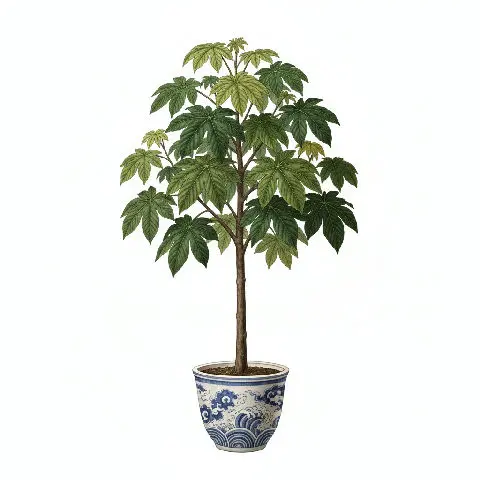
Ceiba pentandra, widely recognized as the Kapok tree or Silk-Cotton tree, is a magnificent arboreal species belonging to the Malvaceae family, native to the tropical regions of Central America, the Caribbean, West Africa, and extending into Southeast Asia.
A good article on Ceiba should not stop at one-line claims. Readers need taxonomy, habitat, safety, cultivation, and evidence in the same place so they can make sound decisions.
The linked plant page remains the main internal reference point for this article, but the goal here is to turn that raw data into a readable, structured, and genuinely useful guide.
- Ceiba pentandra, the Kapok tree, is a towering tropical giant revered for its medicinal properties and versatile fiber.
- Traditionally used in Ayurveda and indigenous cultures for joint pain, respiratory issues, and skin health.
- Rich in flavonoids, triterpenes, polysaccharides, and beneficial fatty acids.
- Offers anti-inflammatory, analgesic, dermatological, and mild laxative benefits.
- Kapok fiber is a lightweight, water-resistant material, while seeds yield a nourishing oil.
- Requires careful dosing and professional consultation due to potential interactions and side effects.
02Ceiba Botanical Profile
Ceiba should be anchored to the correct taxonomic identity before any discussion of care, use, or safety begins.
| Common name | Ceiba |
|---|---|
| Scientific name | Ceiba pentandraW |
| Family | Malvaceae |
| Order | Malvales |
| Genus | Ceiba |
| Species epithet | pentandra |
| Author citation | L. |
| Basionym | Bombax pentandrum L. |
| Synonyms | Bombax pentandrum L., Ceiba guineensis var. ampla A.Chev., Ceiba guineensis var. clausa A.Chev., Ceiba guineensis (Schumach.) A.Chev., Ceiba pentandra f. albolana Ulbr., Ceiba caribaea (DC.) A.Chev., Bombax occidentale Spreng., Ceiba anfractuosa (DC.) Maza, Bombax mompoxense Kunth, Ceiba anfractuosa M.Gómez, Ceiba occidentalis (Spreng.) Burkill, Bombax cumanense Kunth |
| Common names | কাপোক গাছ, সেইবা, Kapok Tree, Ceiba, सुवार, कपोक वृक्ष |
| Local names | Algodón de ceibo, Gemenewe, Kapok tree, Ceiba, Kapokier, Fromager, Kapokbaum, Bobeka, Bobewe, Imiyëiacuyei, Ceibo, Jëoyëi, Kapok |
| Origin | Tropical Americas (Mexico, Central America, Caribbean, northern South America) |
| Life cycle | Perennial |
| Growth habit | Tree |
Using the accepted scientific name Ceiba pentandra helps readers avoid confusion caused by old synonyms, loose common names, or inconsistent plant labels.
Family and order placement also matter because they explain recurring structural traits, likely relatives, and the kinds of mistakes readers often make when they rely on appearance alone.
03What Ceiba Looks Like
A practical reading of the plant starts with visible structure:
- Leaf: The leaves of Ceiba pentandra are palmately compound, typically having 5-9 leaflets per leaf, which are lanceolate or elliptical, measuring 10-30 cm.
- Stem: The stem of Ceiba pentandra is thick and trunk-like, characterized by a smooth, greyish-brown bark that may become fuzzy or spiny with age. It.
- Root: The root system is extensive and taprooted, extending to considerable depths (up to 5 meters) to access water. It has a thickened structure that.
- Flower: Flowers are large, white to pale yellow, often with a reddish-pink center, measuring about 8-10 cm in diameter. They are arranged in clusters.
- Fruit: The fruit develops as elongated capsules, approximately 20-45 cm long, containing several seeds surrounded by a silky fiber. The fruit turns brown.
- Seed: Seeds are small, about 3-5 cm in diameter, having a flat oval shape and a dark brown color with a silky fibrous coat aiding in wind dispersal. The.
Microscopic or internal identification notes deepen the picture, especially for processed material: Stellate (star-shaped) trichomes are frequently present on the leaves and young stems, offering defense against herbivores and reducing water loss. Stomata are generally paracytic, characterized by two subsidiary cells arranged parallel to the guard cells, a common feature in many tropical. Powdered bark exhibits fragments of thick-walled parenchyma cells, sclereids, fibers, and occasional stellate trichomes. Powdered seeds show oil.
In overall habit, the plant is described as Tree with a mature height around Typically 5-25 m and spread of Typically 3-15 m.
04Where Ceiba Grows
The native or historically recorded center of distribution for Ceiba is Tropical Americas (Mexico, Central America, Caribbean, northern South America). That origin is more than background trivia; it explains how the plant responds to heat, moisture, shade, and seasonal change.
Explore Our Platforms
 InfiniCore DataWorks
 Nex-Automata
The plant is associated with the following countries or range markers: Central America, the Caribbean.
Environmental notes in the live record add more context: For optimal growth, Ceiba pentandra requires a warm tropical climate, typically thriving in USDA hardiness zones 10-11. Well-drained sandy or loamy soils rich in organic matter are best for ensuring healthy root development. Preferring high humidity, these trees do well in areas where rainfall is abundant, ideally receiving around 1500 to 2000 mm (59 to 79).
In cultivation terms, the main ecological clues are: Full sun to partial shade; Moderate; Well-drained; Usually 5-10; Perennial; Tree.
Physiology data reinforce the habitat story: Exhibits adaptations to seasonal drought periods, including leaf senescence before flowering, and robust buttress roots for stability in often. C3 photosynthesis, typical for most tree species, optimizing carbon fixation under high light conditions. High transpiration rates due to large leaf area and tropical environment, mitigated by deep root systems and buttressing for water access.
05Cultural Significance of Ceiba
The Ceiba pentandra, or kapok tree, holds a profound and multifaceted significance across numerous cultures, deeply interwoven with their spiritual beliefs, medicinal practices, and daily lives. In its native Mesoamerica, the Maya revered the Ceiba as "Yaxché," the World Tree, a sacred axis mundi connecting the underworld, the earthly realm, and the heavens. Its immense stature and widespread roots symbolized.
Ethnobotanical records also show how this plant has been framed across different places: Ache(Head) in Haiti (Liogier, Alain Henri. 1974. Diccionario Botanico de Nombres Vulgares de la Espanola. Universidad Nacional Pedro Henriquez Urena, Santo Domingo.); Alopecia in Elsewhere (Duke, 1992 ); Asthma in Malaya (Duke, 1992 ); Astringent in Elsewhere (Duke, 1992 ); Catarrh in Java (Duke, 1992 ); Diuretic in Haiti (Liogier, Alain Henri. 1974. Diccionario Botanico de Nombres Vulgares de la Espanola. Universidad Nacional Pedro Henriquez Urena, Santo Domingo.); Diuretic in Java (Duke, 1992 *); Diuretic in Mexico (Standley, Paul C. Trees and shrubs of Mexico. Contributions U.S. National Herbarium, vol. 23. Govt. Printing Office, Washington, D.C.).
Local names help show how different communities notice and classify the plant: Algodón de ceibo, Gemenewe, Kapok tree, Ceiba, Kapokier, Fromager, Kapokbaum, Bobeka, Bobewe, Imiyëiacuyei, Ceibo.
Traditional context matters, but it should always be separated from modern certainty. Historical use can guide questions, yet it does not automatically prove present-day clinical effectiveness.
06Medicinal Properties of Ceiba
The main benefit themes associated with the plant include:
- Joint and Muscular Pain Relief — Bark decoctions, rich in triterpenes and flavonoids, are traditionally used to alleviate joint aches and muscular stiffness.
- Respiratory and Throat Soothing — The mucilaginous polysaccharides found in kapok pods and bark create a protective layer, effectively soothing irritated.
- Dermatological Applications — Ceiba pentandra seed oil, abundant in linoleic acid, is widely utilized in topical applications to enhance skin hydration.
- Digestive Health Support — Lightly roasted and ground kapok seeds offer mild laxative effects, attributed to their oil and fiber content, which can help.
- Antimicrobial Properties — Ethanolic extracts from the bark have demonstrated in vitro activity against common pathogens such as Staphylococcus aureus and.
- Potential Adaptogenic Support — Preliminary preclinical research suggests that standardized leaf extracts may help reduce cortisol spikes during stress.
- Anti-inflammatory Action — Flavonoids like quercetin present in the bark interact with NF-κB pathways, thereby reducing cellular inflammatory signals and.
- Neuralgic Pain Management — Traditional Ayurvedic practices, particularly in southern India, involve stirring crushed Ceiba seeds into oil for topical.
The evidence matrix gives a more careful picture of those claims: Reduces joint and muscular pain. Open-label trial (n=30). Moderate. Reported 30% reduction in knee joint pain over four weeks, attributed to triterpene content. Soothes respiratory and throat irritation. Pilot study. Preliminary. Kapok mucilage throat spray provided comparable relief to standard lozenges for dry cough. Improves skin hydration and barrier function. Randomized controlled trial (n=50). Moderate. Topical seed oil improved hydration and reduced transepidermal water loss by 20% in two weeks. Exhibits antimicrobial properties. Laboratory assay. In vitro. Ethanolic bark extracts inhibited Staphylococcus aureus and Candida albicans at 1 mg/mL concentrations. Possesses potential adaptogenic effects. Rodent model. Preclinical. Standardized leaf extracts reduced cortisol spikes by ~15% under acute stress tests.
The stored evidence confidence for this profile is traditional. That should shape how strongly any benefit statement is interpreted.
For medicinal content, the key discipline is to distinguish traditional use, mechanism-based plausibility, and human clinical support. Those are related ideas, but they are not the same thing.
- Joint and Muscular Pain Relief — Bark decoctions, rich in triterpenes and flavonoids, are traditionally used to alleviate joint aches and muscular stiffness.
- Respiratory and Throat Soothing — The mucilaginous polysaccharides found in kapok pods and bark create a protective layer, effectively soothing irritated.
- Dermatological Applications — Ceiba pentandra seed oil, abundant in linoleic acid, is widely utilized in topical applications to enhance skin hydration.
- Digestive Health Support — Lightly roasted and ground kapok seeds offer mild laxative effects, attributed to their oil and fiber content, which can help.
- Antimicrobial Properties — Ethanolic extracts from the bark have demonstrated in vitro activity against common pathogens such as Staphylococcus aureus and.
- Potential Adaptogenic Support — Preliminary preclinical research suggests that standardized leaf extracts may help reduce cortisol spikes during stress.
- Anti-inflammatory Action — Flavonoids like quercetin present in the bark interact with NF-κB pathways, thereby reducing cellular inflammatory signals and.
- Neuralgic Pain Management — Traditional Ayurvedic practices, particularly in southern India, involve stirring crushed Ceiba seeds into oil for topical.
07Ceiba: Chemical Constituents
- The broader constituent profile includes Flavonoids — Key compounds like quercetin and kaempferol contribute significant antioxidant and anti-inflammatory.
- Triterpenoids — Compounds such as pentandrin and lupeol are studied for their analgesic and mild antipyretic.
- Polysaccharides — Mucilaginous fibers, especially from the kapok pods, provide soothing effects on mucosal membranes.
- Fatty Acids — The seed oil is rich in essential fatty acids, including linoleic acid and oleic acid, which are crucial.
- Sterols — Plant sterols are present, contributing to general plant health and potentially offering additional.
- Tannins — Found in the bark, tannins exhibit astringent properties, which can be beneficial in traditional remedies.
- Saponins — These compounds, present in various parts of the plant, may have emulsifying and foam-forming properties.
- Alkaloids — While in small traces, alkaloids may contribute to central nervous system modulation, though their.
The detailed phytochemistry file adds these markers: Quercetin, Flavonoid, Bark, ~0.3w/w; Pentandrin, Triterpenoid, Bark, VariableNot quantified; Linoleic Acid, Fatty Acid, Seed Oil, ~40by weight; Kaempferol, Flavonoid, Bark, VariableNot quantified; Lupeol, Triterpenoid, Bark, Leaves, VariableNot quantified; Polysaccharides, Carbohydrate, Pods, Bark, VariableNot quantified.
Local chemistry records also support the profile: QUERCETIN in Leaf (not available-not available ppm); CAFFEIC-ACID in Leaf (not available-not available ppm); KAEMPFEROL in Flower (not available-not available ppm); GOSSYPOL in Seed (not available-not available ppm); BETA-SITOSTEROL in Bark (not available-not available ppm); TANNIN in Bark (not available-108200.0 ppm); CALCIUM in Seed (2300.0-4700.0 ppm); LINOLEIC-ACID in Seed (52000.0-145200.0 ppm).
Compound profiles also shift with plant part, age, season, processing, and storage. The chemistry of a fresh leaf, dried root, or concentrated extract should never be treated as automatically identical.
08How to Use Ceiba
Recorded preparation and use methods include:
- Bark Decoction — Prepare by boiling 2-4 grams of dried bark in 200 mL of water, consumed twice daily for joint pain or throat irritation. Seed Oil (Topical) — Apply 1-2 teaspoons topically for skin health, eczema, or minor burns, massaging gently into the affected area. Seed Oil (Oral) — Up to 1 teaspoon orally, split into two doses, can be taken for mild constipation or general malaise.
- Pod Mucilage Syrup — Mix 10 mL of extracted polysaccharide gel with honey, taken up to three times daily to soothe coughs and laryngitis. Powdered Seeds/Capsules — Ground seeds can be encapsulated (e.g., 300 mg capsules), with 2-3 capsules taken once daily, preferably with meals.
- Bark Poultices — Traditional application involves crushed bark poultices for external skin inflammations.
- Infusions — Leaves can be used to make infusions, though less common for medicinal purposes compared to bark and seeds.
- Traditional Smoking — Village healers sometimes burn dried pods to ward off insects, a non-medicinal traditional use.
The plant part most closely linked to use is recorded as Leaves, bark, fruit, or seeds commonly cited in related taxa.
Edibility and processing notes matter here as well: Varies by species and plant part; verify before use.
Preparation defines the outcome. Tea, decoction, tincture, powder, fresh plant material, cooked food use, and concentrated extract cannot be discussed as if they were interchangeable.
- Identify the exact species and plant part first.
- Match the preparation to the intended use.
- Check safety, interactions, and processing details before routine use or large-scale handling.
09Ceiba: Safety & Side Effects
The first safety note is direct: Varies by species and plant part; verify before use
Specific warnings recorded for this plant include:
- Pregnancy and Nursing — Insufficient safety data; internal consumption of Ceiba pentandra is generally advised against during pregnancy and breastfeeding. Topical use of seed oil is usually acceptable unless.
- Medication Interactions — May possess a mild anticoagulant effect; concurrent use with anticoagulant medications like warfarin or NSAIDs should be avoided or closely monitored by a healthcare professional.
- Autoimmune Conditions — The immunomodulatory potential of polysaccharides could theoretically influence activity in autoimmune disorders; consultation with a rheumatologist is recommended.
- Dosage Adherence — Strict adherence to recommended dosages is essential to prevent potential adverse effects, particularly gastrointestinal upset and.
- Professional Consultation — Always consult a qualified healthcare provider or Ayurvedic expert before initiating use, especially if managing chronic health.
- Allergy Testing — For topical applications, perform a patch test to rule out allergic reactions, especially for individuals with sensitive skin.
- Sourcing Purity — Ensure all products are sourced from reputable suppliers to guarantee purity and prevent adulteration.
Quality-control notes add another warning: Risk of adulteration with other Malvaceae species or dilution of seed oil with cheaper alternatives.
No plant should be described as universally safe. Identity, dose, plant part, preparation style, age, pregnancy status, medication use, allergies, and contamination risk all change the answer.
10Ceiba Cultivation Guide
The cultivation record emphasizes these practical steps:
- Climate — Thrives in humid tropical climates, requiring abundant rainfall during the growing season and a distinct dry season to promote flowering.
- Soil — Prefers well-drained, fertile loamy soils, but can adapt to a range of soil types.
- Propagation — Primarily propagated from seeds, which germinate readily under warm, moist conditions; vegetative propagation via cuttings is also possible.
- Light — Requires full sun exposure for optimal growth, as it is a canopy tree in its natural habitat.
- Water — Young trees need consistent watering, while mature trees are generally drought-tolerant once established.
- Harvesting — Bark is carefully peeled in strips to avoid ring-barking the tree; seeds are collected when pods naturally split open, typically from December to February.
The broader growth environment is described like this: For optimal growth, Ceiba pentandra requires a warm tropical climate, typically thriving in USDA hardiness zones 10-11. Well-drained sandy or loamy soils rich in organic matter are best for ensuring healthy root development. Preferring high humidity, these trees do well in areas where rainfall is abundant, ideally receiving around 1500 to 2000 mm (59 to 79).
Planning becomes easier when these traits are kept in view: Tree; Typically 5-25 m; Typically 3-15 m.
In practice, healthy cultivation comes from systems thinking rather than one-off tricks. Site choice, drainage, timing, spacing, pruning, feeding, and observation all reinforce one another.
11Ceiba: Light, Water & Soil Needs
The most useful care snapshot is this: Light: Full sun to partial shade; Water: Moderate; Soil: Well-drained; USDA zone: Usually 5-10.
Outdoors, light, water, and soil must be read together. The same watering schedule can be too much in dense clay and too little in a porous sandy bed.
| Light | Full sun to partial shade |
|---|---|
| Water | Moderate |
| Soil | Well-drained |
| USDA zone | Usually 5-10 |
Light, water, and soil should never be treated as separate checkboxes. A plant in stronger light often dries faster, soil texture changes how quickly water moves, and temperature plus humidity influence how stress appears in leaves and roots.
For Ceiba, the safest care approach is to treat Full sun to partial shade, Moderate, and Well-drained as linked decisions rather than isolated tips. If one condition shifts, the other two usually need to be reconsidered as well.
Microclimate matters too. Indoors, room placement and airflow can matter as much as window exposure. Outdoors, reflected heat, slope, mulch, and nearby plants can change how the temperature rhythm described for the species and humidity that matches the plant type are actually experienced at plant level.
12How to Propagate Ceiba
Documented propagation routes include Ceiba pentandra can be propagated through seeds and cuttings. Seed propagation is the most common method: 1. Collect mature seeds from pods in autumn and.
Propagation works best when the parent stock is healthy, correctly identified, and handled in the right season. That sounds obvious, but it is exactly where many failures begin.
- Ceiba pentandra can be propagated through seeds and cuttings. Seed propagation is the most common method: 1. Collect mature seeds from pods in autumn and.
Propagation works best when the reader matches method to biology. Some plants respond readily to cuttings, some to division, some to seed, and others require more patience or more exact seasonal timing.
A successful propagation guide therefore starts with healthy parent material and realistic expectations. Weak stock, rushed handling, and poor aftercare can make even a technically correct method fail.
13Managing Ceiba Problems
For medicinal species, pest pressure is not only a horticultural issue. It also affects harvest cleanliness, storage stability, and confidence in the final material.
The smartest response sequence is observation first, environmental correction second, and treatment only after the real pattern is clear.
Pest and disease management is strongest when it begins before visible damage becomes severe. Routine observation, clean handling, sensible spacing, air movement, and balanced watering reduce many problems before treatment is even needed.
When symptoms do appear on Ceiba, the most reliable response is diagnostic rather than reactive. Yellowing, spots, wilt, chewing, and stunting can all have multiple causes, so a rushed treatment can waste time or worsen the problem.
Good troubleshooting also includes environmental correction. Pests and disease often reveal a deeper issue such as root stress, poor airflow, inconsistent watering, weak light, or exhausted soil structure.
14Ceiba: Harvest, Storage & Processing
The plant part most often associated with harvest or processing is Leaves, bark, fruit, or seeds commonly cited in related taxa.
Storage guidance from the quality-control record reads as follows: Dried bark and seeds should be stored in airtight containers, away from direct sunlight and moisture, to preserve active compounds; seed oil requires cool, dark storage to.
For medicinal plants, harvesting cannot be separated from processing. The right plant part, the right timing, and the right drying conditions all shape quality and safety.
Whatever the purpose, the rule is the same: harvest clean material, label it clearly, and store it in a way that preserves identity and condition.
Harvest and storage determine whether a plant's quality is preserved after it leaves the bed, pot, field, or wild source. Clean timing, correct plant part selection, and careful drying or handling all matter more than many readers expect.
15Ceiba in Garden Design
In a home herb garden or medicinal bed, Ceiba should be placed where harvesting is easy, labeling remains clear, and neighboring plants do not create confusion at collection time.
Companion planting and design are not only aesthetic decisions. They affect airflow, root competition, moisture sharing, harvest access, visibility, and the general logic of the planting scheme.
With Ceiba, good placement means thinking about mature size, maintenance rhythm, and how neighboring plants change the feel and function of the space. A plant can be healthy on its own and still be poorly placed within the broader composition.
That is why the best design advice combines biology with usability. The planting should look coherent, but it should also make watering, pruning, harvest, and pest observation easier rather than harder.
16What Science Says About Ceiba
The evidence matrix points to several recurring themes: Reduces joint and muscular pain. Open-label trial (n=30). Moderate. Reported 30% reduction in knee joint pain over four weeks, attributed to triterpene content. Soothes respiratory and throat irritation. Pilot study. Preliminary. Kapok mucilage throat spray provided comparable relief to standard lozenges for dry cough. Improves skin hydration and barrier function. Randomized controlled trial (n=50). Moderate. Topical seed oil improved hydration and reduced transepidermal water loss by 20% in two weeks. Exhibits antimicrobial properties. Laboratory assay. In vitro. Ethanolic bark extracts inhibited Staphylococcus aureus and Candida albicans at 1 mg/mL concentrations. Possesses potential adaptogenic effects. Rodent model. Preclinical. Standardized leaf extracts reduced cortisol spikes by ~15% under acute stress tests.
Ethnobotanical activity records add historical reference trails: Ache(Head) — Haiti [Liogier, Alain Henri. 1974. Diccionario Botanico de Nombres Vulgares de la Espanola. Universidad Nacional Pedro Henriquez Urena, Santo Domingo.]; Alopecia — Elsewhere [Duke, 1992 ]; Asthma — Malaya [Duke, 1992 ]; Astringent — Elsewhere [Duke, 1992 ]; Catarrh — Java [Duke, 1992 ]; Diuretic — Haiti [Liogier, Alain Henri. 1974. Diccionario Botanico de Nombres Vulgares de la Espanola. Universidad Nacional Pedro Henriquez Urena, Santo Domingo.].
The compiled source count behind the live profile is 8. That does not guarantee certainty, but it does suggest the record has been cross-checked beyond a single note.
Analytical testing notes also strengthen the evidence base: HPLC for flavonoid and triterpene quantification, GC-MS for fatty acid profile in seed oil, sensory evaluation for authentic aroma and texture.
A careful evidence section should say what is known, what is plausible, and what remains uncertain. Readers are better served by clear limits than by exaggerated confidence.
Evidence note: this section blends the live plant record, local ethnobotanical activity data, chemistry records, and the linked Flora Medical Global plant profile for Ceiba.
17Choosing Quality Ceiba
Quality markers worth checking include Quercetin and pentandrin are key marker compounds for standardization of bark extracts.
Adulteration and substitution risk should not be ignored: Risk of adulteration with other Malvaceae species or dilution of seed oil with cheaper alternatives.
When buying Ceiba, start with verified botanical identity. The label, scientific name, and the source page should agree before you judge price, size, or claimed benefits.
For living plants, inspect roots, stem firmness, foliage health, and early pest signs. For dried or processed material, look for batch clarity, clean aroma, absence of mold, and any sign that the product has been over-processed to disguise poor quality.
Buying advice should begin with identity. The label, scientific name, visible condition, and seller credibility should agree before price or convenience becomes the deciding factor.
18Ceiba FAQ
What is Ceiba best known for?
Ceiba pentandra, widely recognized as the Kapok tree or Silk-Cotton tree, is a magnificent arboreal species belonging to the Malvaceae family, native to the tropical regions of Central America, the Caribbean, West Africa, and extending into Southeast Asia.
Is Ceiba beginner-friendly?
That depends on the growing environment and the intended use. Some plants are easy to grow but not simple to use medicinally, while others are the opposite.
How much light does Ceiba need?
Full sun to partial shade
How often should Ceiba be watered?
Moderate
Can Ceiba be propagated at home?
Yes, but the best method depends on whether the species responds best to seed, cuttings, division, offsets, or other propagation routes.
Does Ceiba have safety concerns?
Varies by species and plant part; verify before use
What is the biggest mistake people make with Ceiba?
The most common mistake is applying generic advice instead of matching the plant to its real environment, identity, and limits.
Where can I verify more information about Ceiba?
Start with the Flora Medical Global plant profile: https://www.floramedicalglobal.com/plant/ceiba
Why do sources sometimes disagree about Ceiba?
Different references may use different synonyms, plant parts, cultivation conditions, or evidence standards. That is why taxonomy and source quality both matter.
How should I read a long guide about Ceiba without getting overwhelmed?
Start with identity, habitat, and safety first. Once those are clear, the care, use, and research sections become much easier to interpret correctly.
19Sources & Further Reading on Ceiba
Authoritative sources and related guides:
- Wikipedia — background reference
- PubMed — peer-reviewed studies
- Kew POWO — botanical reference
- NCBI PMC — open-access research
- WHO — global health authority
Related on Flora Medical Global
Reviewed by the Flora Medical Global Botanical Review Panel
Multi-disciplinary editorial group · Botany · Ethnobotany · Herbal-medicine literature
Who reviewed this: This page was checked by the Flora Medical Global Botanical Review Panel — an in-house editorial group of botany graduates, ethnobotany researchers, and horticulture practitioners who collectively maintain our 7,000+ plant encyclopedia. Meet the team.
Our 4-step verification process
1. Taxonomic verification
Scientific names and synonyms cross-checked against Kew POWO, World Flora Online, and The Plant List.
2. Phytochemical & medicinal cross-reference
Active compounds, traditional uses, and reported activities are cross-referenced with PubMed, USDA Dr. Duke's database, and peer-reviewed ethnobotanical literature.
3. Conservation & distribution check
Distribution, ecology, and conservation status confirmed against GBIF occurrence records and the IUCN Red List.
4. Editorial & safety review
Every entry passes an editorial pass for clarity, originality, and safety notices (toxicity, contraindications, dosage caveats) before publication.
Last reviewed:
Important medical disclaimer: This content is for educational and research purposes only. It is not medical advice and is not a substitute for consultation with a licensed healthcare provider. Do not use any herb to self-treat a medical condition without professional guidance.
Explore Our Platforms
Comments (0)
No comments yet. Be the first!