Dendrobium Orchid: Care, Light & Styling Tips
 Flora Medical GlobalPublished: 4/10/2026Updated: 6/16/202620 min read
Editorial Disclaimer: This article is for informational and educational purposes only. It is not a substitute for professional medical advice, diagnosis, or treatment. Always consult a qualified healthcare provider or certified herbalist before using any plant for medicinal purposes, especially if you are pregnant, nursing, taking medication, or have a medical condition.
01Introduction to Dendrobium Orchid
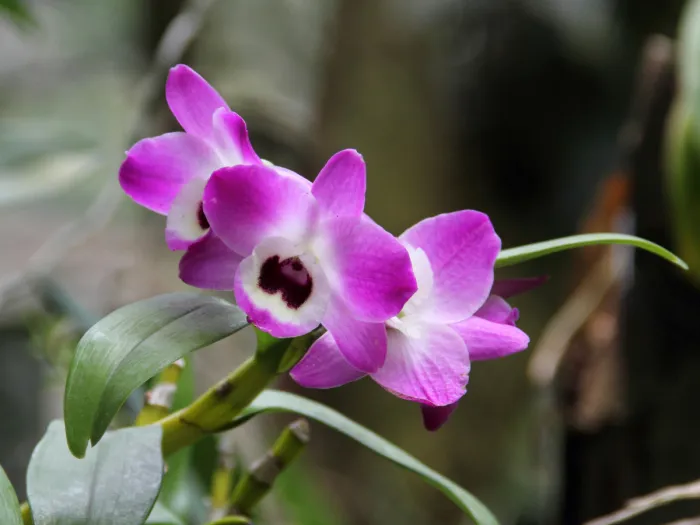
Dendrobium nobile, widely recognized as the Noble Dendrobium or simply the Dendrobium Orchid, is an exquisite epiphytic and lithophytic orchid species with origins spanning the vast Himalayan region, extending through Southeast Asia, including China, Taiwan, India, Thailand, and Vietnam.
The interesting part about Dendrobium Orchid is that the plant can be discussed from several angles at once: visible form, environmental behavior, traditional context, and modern quality control.
Use this guide as a practical reference, then compare it with the detailed plant profile at https://www.floramedicalglobal.com/indoor-plants/dendrobium-orchid whenever you want to confirm the source page itself.
- Revered in Traditional Chinese Medicine as 'Shi Hu', a vital Yin tonic.
- Rich in bioactive compounds including alkaloids, polysaccharides, and flavonoids.
- Traditionally used for hydration, digestive health, immune support, and vitality.
- Exhibits antioxidant, anti-inflammatory, and potential neuroprotective properties.
- Critical contraindications for seizure disorders, pregnancy, and certain medications.
- Known for its ornamental beauty and growing interest in modern health supplements.
02Dendrobium Orchid Botanical Profile
Dendrobium Orchid should be anchored to the correct taxonomic identity before any discussion of care, use, or safety begins.
| Common name | Dendrobium Orchid |
|---|---|
| Scientific name | Dendrobium nobileW |
| Family | Orchidaceae |
| Order | Asparagales |
| Genus | Dendrobium |
| Species epithet | nobile |
| Author citation | (L.f.) Lindl. |
| Synonyms | Dendrobium lindleyanum Griff., Dendrobium caerulescens Wall. ex Lindl., Dendrobium nobile var. luteum Lindl., Dendrobium nobile var. anomalum Lindl., Dendrobium nobile var. cooksonianum Rchb.f., Dendrobium nobile f. cooksonianum (Rchb.f.) O.Gruss & N.H.Tuan, Dendrobium nobile var. majus Lindl., Dendrobium nobile f. nobilius (Rchb.f.) M.Hiroe, Dendrobium nobile var. excellens Lindl., Dendrobium coerulescens Wall., Dendrobium chlorostylum Gagnep., Dendrobium coerulescens Wall. ex Lindl. |
| Common names | ডেনড্রোবিয়াম অর্কিড, নোবল ডেনড্রোবিয়াম, Dendrobium Orchid, Noble Dendrobium, डेंड्रोबियम ऑर्किड, नोबल डेंड्रोबियम |
| Local names | shi hu, vinterdendrobium |
| Origin | Himalayan region (Nepal, Bhutan, India, China) |
| Life cycle | Perennial |
| Growth habit | Tree |
Using the accepted scientific name Dendrobium nobile helps readers avoid confusion caused by old synonyms, loose common names, or inconsistent plant labels.
Family and order placement also matter because they explain recurring structural traits, likely relatives, and the kinds of mistakes readers often make when they rely on appearance alone.
03What Dendrobium Orchid Looks Like
A practical reading of the plant starts with visible structure:
- Leaf: Oblong to lanceolate, leathery, dark green, deciduous (often dropping from older pseudobulbs), 5-10 cm long, arranged alternately along the.
- Stem: Pseudobulbs are cylindrical, erect or arching, fleshy and thickened, green to yellowish-green, segmented, 30-75 cm long, storing water and nutrients.
- Root: Fleshy, thick, white to silvery-grey, aerial roots with velamen adapted for absorbing atmospheric moisture and anchoring to substrates, extensive.
- Flower: Abundant, fragrant, waxy, 5-10 cm wide, typically white to purple with dark blotches on the lip, borne in clusters (2-4 flowers per inflorescence).
- Fruit: Ellipsoid to spindle-shaped capsule, 2-4 cm long, green when immature, ripening to brown, splitting along three or six seams to release seeds.
- Seed: Extremely minute, dust-like, numerous (thousands per capsule), amber to brown, wind-dispersed, lacking endosperm.
Microscopic or internal identification notes deepen the picture, especially for processed material: Trichomes are generally absent on the vegetative parts, though some non-glandular trichomes may be found on floral structures or developing. Stomata are generally anomocytic or tetracytic, frequently sunken into the epidermis of the pseudobulbs and leaves, an adaptation to reduce water. Powdered material reveals fragments of epidermal cells with distinct wavy or straight anticlinal walls, spiral and scalariform vessels, starch.
In overall habit, the plant is described as Tree with a mature height around Typically 0.1-1 m and spread of Typically 0.1-0.6 m.
04Where Dendrobium Orchid Grows
The native or historically recorded center of distribution for Dendrobium Orchid is Himalayan region (Nepal, Bhutan, India, China). That origin is more than background trivia; it explains how the plant responds to heat, moisture, shade, and seasonal change.
The plant is associated with the following countries or range markers: Bhutan, China, India, Laos, Myanmar, Nepal, Thailand, Vietnam.
Environmental notes in the live record add more context: Dendrobium nobile is native to the Himalayan region and Southeast Asia, including India, Nepal, Bhutan, Myanmar, Thailand, Laos, and southern China. It thrives in humid subtropical to tropical climates at altitudes ranging from 500 to 2,500 meters. These regions experience distinct wet and dry seasons. Annual rainfall needs are typically 1,000-2,000mm.
In cultivation terms, the main ecological clues are: Bright Indirect; Every 4-7 days (active growth), Every 2-3 weeks (dormancy); Coarse orchid bark mix (fir bark, perlite, charcoal) pH 5.5-6.5; Species-dependent; many tropical taxa 9-12; Perennial; Tree.
Physiology data reinforce the habitat story: Displays adaptations to environmental stresses such as drought and temperature fluctuations, primarily through its pseudobulbs for water storage and. Dendrobium nobile primarily utilizes C3 photosynthesis, typical for many orchid species, although some orchids exhibit Crassulacean Acid Metabolism. Exhibits moderate transpiration rates, with pseudobulbs serving as significant water storage organs, allowing the plant to tolerate episodic drought.
05Dendrobium Orchid in Tradition & Culture
In Traditional Chinese Medicine (TCM), Dendrobium nobile, known as 'Shi Hu', holds profound cultural and historical significance. It is extolled in ancient medical texts, such as the Shennong Ben Cao Jing (estimated to be 2,000 years old), as a superior herb for prolonging life and promoting vigor. It was historically prized, sometimes even more than ginseng, for its rarity and potent 'Yin nourishing' properties.
Ethnobotanical records also show how this plant has been framed across different places: Antiphlogistic in China (Shih-chen, Li. 1973. Chinese medinal herbs. Georgetown Press, San Francisco.); Arthritis in China (Keys, J.D. 1976. Chinese Herbs. Charles E. Tuttle Co., Tokyo.); Convalescence in China (ANON. 1974. A barefoot doctor's manual. DHEW Publication No. (NIH): 75-695.); Entropion in China (Shih-chen, Li. 1973. Chinese medinal herbs. Georgetown Press, San Francisco.); Fever in China (ANON. 1974. A barefoot doctor's manual. DHEW Publication No. (NIH): 75-695.); Pectoral in China (Shih-chen, Li. 1973. Chinese medinal herbs. Georgetown Press, San Francisco.); Sedative in China (Keys, J.D. 1976. Chinese Herbs. Charles E. Tuttle Co., Tokyo.); Sialogogue in China (Keys, J.D. 1976. Chinese Herbs. Charles E. Tuttle Co., Tokyo.).
Local names help show how different communities notice and classify the plant: shi hu, vinterdendrobium.
Traditional context matters, but it should always be separated from modern certainty. Historical use can guide questions, yet it does not automatically prove present-day clinical effectiveness.
06Dendrobium Orchid Health Benefits
The main benefit themes associated with the plant include: Yin Nourishment &:
- Hydration — Traditionally used in TCM to nourish Yin, addressing conditions like dry mouth, thirst, and general debility by promoting fluid.
- Digestive Health Support — May offer gastroprotective effects, potentially aiding in the management of stomach inflammation (gastritis) and ulcers by.
- Immunomodulatory Properties — Polysaccharides present in Dendrobium species have been shown in studies to modulate immune responses, potentially enhancing the.
- Antioxidant Activity — Rich in flavonoids and phenanthrenes, it exhibits significant antioxidant capabilities, helping to neutralize free radicals and reduce.
- Anti-inflammatory Effects — Bioactive compounds contribute to its anti-inflammatory potential, which may help alleviate inflammation-related discomfort and.
- Neuroprotective Potential — Certain alkaloids and phenanthrenes may offer protective effects on neuronal cells, suggesting a role in supporting brain health.
- Blood Sugar Regulation — Preliminary research indicates potential hypoglycemic effects, which could be beneficial in managing blood glucose levels, though.
- Respiratory System Support — In traditional practice, it is used to moisten the lungs and clear heat, making it beneficial for chronic coughs and dry throats.
The evidence matrix gives a more careful picture of those claims: Immunomodulatory effects. Pre-clinical, mechanistic. In vitro, animal studies. Polysaccharides from Dendrobium species have demonstrated the ability to modulate various aspects of the immune system. Gastroprotective activity. Pre-clinical, mechanistic. In vitro, animal studies. Dendrobium polysaccharides can protect gastric mucosal cells against oxidative damage and inflammation. Antioxidant properties. Biochemical assays. In vitro. Flavonoids and phenanthrenes present in Dendrobium contribute significantly to its free radical scavenging capacity. Potential neuroprotection. Pre-clinical. In vitro, animal studies. Certain alkaloids and phenanthrenes may offer protective effects against neuronal damage and support cognitive function. Blood glucose regulation. Pre-clinical. Animal studies. Some studies indicate that Dendrobium extracts may help lower blood glucose levels, warranting further investigation in humans.
The stored evidence confidence for this profile is traditional. That should shape how strongly any benefit statement is interpreted.
For non-medicinal or mostly ornamental contexts, the safest approach is to keep the claims modest. A plant may still be valuable ecologically, visually, or culturally without being promoted as a treatment.
- Yin Nourishment & Hydration — Traditionally used in TCM to nourish Yin, addressing conditions like dry mouth, thirst, and general debility by promoting fluid.
- Digestive Health Support — May offer gastroprotective effects, potentially aiding in the management of stomach inflammation (gastritis) and ulcers by.
- Immunomodulatory Properties — Polysaccharides present in Dendrobium species have been shown in studies to modulate immune responses, potentially enhancing the.
- Antioxidant Activity — Rich in flavonoids and phenanthrenes, it exhibits significant antioxidant capabilities, helping to neutralize free radicals and reduce.
- Anti-inflammatory Effects — Bioactive compounds contribute to its anti-inflammatory potential, which may help alleviate inflammation-related discomfort and.
- Neuroprotective Potential — Certain alkaloids and phenanthrenes may offer protective effects on neuronal cells, suggesting a role in supporting brain health.
- Blood Sugar Regulation — Preliminary research indicates potential hypoglycemic effects, which could be beneficial in managing blood glucose levels, though.
- Respiratory System Support — In traditional practice, it is used to moisten the lungs and clear heat, making it beneficial for chronic coughs and dry throats.
- Energy and Vitality Tonic — Revered as a general tonic, it is believed to enhance vitality, reduce fatigue, and support overall physical and mental endurance.
- Cardioprotective Effects — Some studies suggest its compounds may exert protective effects on the cardiovascular system, supporting heart health.
07Dendrobium Orchid Phytochemistry
- The broader constituent profile includes Alkaloids — Key compounds include dendrobine, N-methyl secondary dendrobine, dendroxine, and dendrophenol. These are.
- Polysaccharides — A significant component, these complex carbohydrates are known for their immunomodulatory.
- Flavonoids — Present in varying amounts, flavonoids such as quercetin and kaempferol derivatives contribute to the.
- Phenanthrenes — Compounds like dendrophenanthrene and nobilin exhibit anti-inflammatory, neuroprotective, and.
- Bibenzyls — Dendrobium species produce unique bibenzyl derivatives that possess antioxidant, anti-inflammatory, and.
- Amino Acids — Contains various essential and non-essential amino acids, contributing to its nutritional profile and.
- Volatile Oils — Small amounts of volatile compounds contribute to the orchid's characteristic fragrance and may.
- Steroids — Phytosteroids are present and may exert hormonal-like activities or contribute to anti-inflammatory.
- Triterpenoids — These compounds are known for their anti-inflammatory, hepatoprotective, and adaptogenic properties.
- Lignans — Often found in plant cell walls, lignans in Dendrobium can offer antioxidant and potential estrogenic.
The detailed phytochemistry file adds these markers: Dendrobine, Alkaloid, Pseudobulbs, Variablemg/g; N-methyl secondary dendrobine, Alkaloid, Pseudobulbs, Variablemg/g; Dendrobium Polysaccharides, Polysaccharide, Pseudobulbs, High%; Dendrophenol, Phenanthrene, Pseudobulbs, Lowµg/g; Quercetin, Flavonoid, Pseudobulbs, leaves, Lowµg/g; Dendrobinol, Alkaloid, Pseudobulbs, Variablemg/g.
Local chemistry records also support the profile: ZINC in Stem (not available-26.0 ppm); MAGNESIUM in Stem (not available-520.0 ppm); BETA-SITOSTEROL in Plant (not available-not available ppm); CALCIUM in Stem (not available-6530.0 ppm); MANGANESE in Stem (not available-53.0 ppm); POTASSIUM in Stem (not available-7200.0 ppm); COPPER in Stem (not available-9.0 ppm); DENDROBINE in Stem (not available-not available ppm).
Compound profiles also shift with plant part, age, season, processing, and storage. The chemistry of a fresh leaf, dried root, or concentrated extract should never be treated as automatically identical.
08How to Use Dendrobium Orchid
Recorded preparation and use methods include Decoction Preparation — The dried stems (Shi Hu) are traditionally boiled in water for an extended period to create a potent decoction, consumed orally as a tonic. Powdered Extracts — Modern supplements often utilize powdered extracts of Dendrobium, encapsulated or mixed into beverages, providing a concentrated form of the herb. Tincture Formulation — A hydro-alcoholic extract can be prepared by soaking dried Dendrobium in alcohol, allowing for convenient dosing and preservation of active compounds. Herbal Teas — A milder form involves steeping smaller pieces of dried Dendrobium stems in hot water to make a soothing and nourishing herbal tea. Culinary Additions — In some traditional contexts, fresh Dendrobium stems are occasionally added to soups or stews for their purported health benefits, though less common for D. Standardized Supplements — Available as standardized extracts, ensuring a consistent concentration of key active compounds for targeted therapeutic effects. Syrups and Elixirs — Can be incorporated into medicinal syrups or elixirs, often combined with other herbs, for easier administration, particularly for respiratory conditions. Topical Applications — While less common for D. nobile*, some Dendrobium species extracts are explored for their skin-benefiting properties in cosmetic formulations.
The plant part most closely linked to use is recorded as Tubers, pseudobulbs, flowers, or whole plant cited in related taxa.
Edibility and processing notes matter here as well: Only some orchid taxa are edible or flavoring sources; verify species.
For indoor readers, “how to use” usually means how the plant is placed, styled, handled, propagated, and maintained within the living space rather than how it is taken internally.
- Identify the exact species and plant part first.
- Match the preparation to the intended use.
- Check safety, interactions, and processing details before routine use or large-scale handling.
09Is Dendrobium Orchid Safe? Precautions & Cautions
The first safety note is direct: Dendrobium nobile is generally considered safe when used appropriately in traditional medicinal dosages. It is not classified as acutely toxic. No specific toxic parts are known. Symptoms of overdose are not well-documented, but excessive.
Specific warnings recorded for this plant include:
- Pregnancy and Breastfeeding — Avoid use during pregnancy and breastfeeding due to insufficient scientific data regarding its safety for the fetus or infant.
- Seizure Disorders — Absolutely contraindicated in individuals with a history of seizures or epilepsy, as Dendrobium may increase the chance of seizures.
- Cardiovascular Conditions — Use with caution in individuals with heart conditions or those on blood pressure medication, due to potential effects on blood.
- Diabetes Management — Individuals with diabetes should use with extreme caution and monitor blood sugar levels closely, as it may influence glucose metabolism.
- Medication Interactions — Avoid concurrent use with anticonvulsant medications and other seizure threshold-lowering drugs due to potential adverse interactions.
- Blood Thinners — Theoretical risk of interaction with blood-thinning medications; consult a healthcare professional before use if on anticoagulants.
- Adulterated Products — Be highly cautious of dietary supplements containing Dendrobium, as some have been found to be adulterated with unlisted or prohibited.
- Gastrointestinal Upset — May cause mild stomach discomfort, nausea, or indigestion in some sensitive individuals, especially with higher doses.
- Headache and Dizziness — Some users have reported experiencing headaches or dizziness, particularly when first starting consumption or due to stimulant effects.
Quality-control notes add another warning: High risk of adulteration due to demand, confusion with less active Dendrobium species, or the illicit addition of synthetic stimulants.
No plant should be described as universally safe. Identity, dose, plant part, preparation style, age, pregnancy status, medication use, allergies, and contamination risk all change the answer.
10Dendrobium Orchid Cultivation Guide
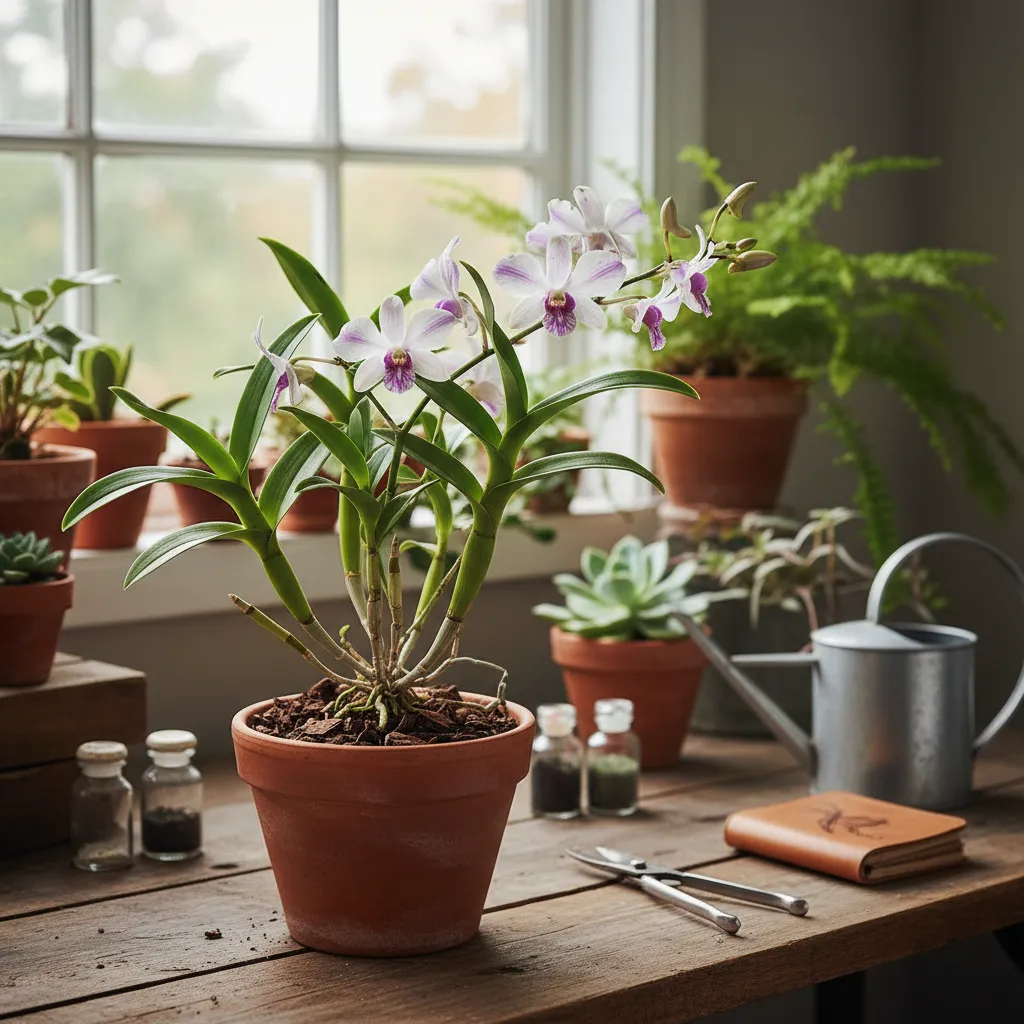
The cultivation record emphasizes these practical steps:
- Substrate Choice — Requires a well-draining, airy medium like fir bark, sphagnum moss, charcoal, or a specialized orchid mix to prevent root rot.
- Light Requirements — Thrives in bright, indirect light; direct harsh sun can scorch leaves. An east-facing window or filtered light is ideal.
- Temperature Control — Prefers warm daytime temperatures (20-30°C) and a distinct cool-down period at night (10-15°C) to encourage blooming.
- Humidity Levels — High humidity (70-80%) is crucial, which can be maintained with humidifiers, pebble trays, or regular misting, especially in dry climates.
- Watering Regimen — Water thoroughly when the growing medium is almost dry, then allow it to dry out slightly before the next watering. Reduce watering in cooler.
- Fertilization Schedule — Feed with a balanced orchid-specific fertilizer diluted to half strength every 2-4 weeks during active growth, reducing frequency in winter.
- Air Circulation — Good air movement is essential to prevent fungal diseases and promote healthy growth, especially in high-humidity environments.
The broader growth environment is described like this: Dendrobium nobile is native to the Himalayan region and Southeast Asia, including India, Nepal, Bhutan, Myanmar, Thailand, Laos, and southern China. It thrives in humid subtropical to tropical climates at altitudes ranging from 500 to 2,500 meters. These regions experience distinct wet and dry seasons. Annual rainfall needs are typically 1,000-2,000mm.
Planning becomes easier when these traits are kept in view: Tree; Typically 0.1-1 m; Typically 0.1-0.6 m; Moderate; Intermediate.
In practice, healthy cultivation comes from systems thinking rather than one-off tricks. Site choice, drainage, timing, spacing, pruning, feeding, and observation all reinforce one another.
11Dendrobium Orchid: Light, Water & Soil Needs
The most useful care snapshot is this: Light: Bright Indirect; Water: Every 4-7 days (active growth), Every 2-3 weeks (dormancy); Soil: Coarse orchid bark mix (fir bark, perlite, charcoal) pH 5.5-6.5; Temperature: 18-28°C (day), 10-15°C (night); USDA zone: Species-dependent; many tropical taxa 9-12.
Indoors, the plant responds to microclimate more than many people expect. Window direction, airflow, heating, and room humidity can change the care rhythm quickly.
| Light | Bright Indirect |
|---|---|
| Water | Every 4-7 days (active growth), Every 2-3 weeks (dormancy) |
| Soil | Coarse orchid bark mix (fir bark, perlite, charcoal) pH 5.5-6.5 |
| Temperature | 18-28°C (day), 10-15°C (night) |
| USDA zone | Species-dependent; many tropical taxa 9-12 |
Light, water, and soil should never be treated as separate checkboxes. A plant in stronger light often dries faster, soil texture changes how quickly water moves, and temperature plus humidity influence how stress appears in leaves and roots.
For Dendrobium Orchid, the safest care approach is to treat Bright Indirect, Every 4-7 days (active growth), Every 2-3 weeks (dormancy), and Coarse orchid bark mix (fir bark, perlite, charcoal) pH 5.5-6.5 as linked decisions rather than isolated tips. If one condition shifts, the other two usually need to be reconsidered as well.
12How to Propagate Dendrobium Orchid
Documented propagation routes include Seeds: Orchid seeds are microscopic and require sterile conditions (in vitro flask culture) for germination; this is a specialized method not typically for home growers. Cuttings: Pseudobulk divisions or 'keikis' (plantlets that form on mature pseudobulbs) are used.
Propagation works best when the parent stock is healthy, correctly identified, and handled in the right season. That sounds obvious, but it is exactly where many failures begin.
Propagation works best when the reader matches method to biology. Some plants respond readily to cuttings, some to division, some to seed, and others require more patience or more exact seasonal timing.
13Managing Dendrobium Orchid Problems
The recorded problem list includes Common pests: Spider mites (fine webbing, stippling on leaves; treat with insecticidal soap or neem oil), scale insects (small, hard bumps on pseudobulbs/leaves; dab with rubbing alcohol), mealybugs (cottony masses; treat with insecticidal soap). Fungal diseases: Black rot (rapidly spreading black decay, often due to overwatering; cut out affected parts with sterilized tools, improve air circulation), fusarium wilt (yellowing and death of. difficult to treat, often requires discarding plant). Nutrient deficiencies: Yellowing of older leaves (nitrogen. apply balanced fertilizer), stunted growth (general nutrient deficiency). Organic solutions: For pests, use neem oil.
Indoor problems usually start quietly: mites, mealybugs, scale, root stress, weak light, or stale soil structure. Routine inspection is what keeps small issues from becoming full infestations.
The smartest response sequence is observation first, environmental correction second, and treatment only after the real pattern is clear.
14Dendrobium Orchid: Harvest, Storage & Processing
The plant part most often associated with harvest or processing is Tubers, pseudobulbs, flowers, or whole plant cited in related taxa.
Storage guidance from the quality-control record reads as follows: Dried Dendrobium nobile pseudobulbs are generally stable for several years when stored in cool, dry conditions away from direct light and moisture.
For indoor plants, this section often translates into trimming, leaf cleanup, offset collection, occasional flower removal, and safe handling of spent growth.
Whatever the purpose, the rule is the same: harvest clean material, label it clearly, and store it in a way that preserves identity and condition.
Harvest and storage determine whether a plant's quality is preserved after it leaves the bed, pot, field, or wild source. Clean timing, correct plant part selection, and careful drying or handling all matter more than many readers expect.
15Companion Plants for Dendrobium Orchid
Useful companions or placement partners include Not typically grown with companion plants in pots; but benefits from being in a high-humidity environment with other humidity-loving plants like ferns; peace lilies; or calatheas.
In indoor styling, Dendrobium Orchid usually works best beside plants that share similar moisture expectations but offer contrast in texture, height, or silhouette.
Companion planting and design are not only aesthetic decisions. They affect airflow, root competition, moisture sharing, harvest access, visibility, and the general logic of the planting scheme.
With Dendrobium Orchid, good placement means thinking about mature size, maintenance rhythm, and how neighboring plants change the feel and function of the space. A plant can be healthy on its own and still be poorly placed within the broader composition.
16Dendrobium Orchid: Scientific Evidence
The evidence matrix points to several recurring themes: Immunomodulatory effects. Pre-clinical, mechanistic. In vitro, animal studies. Polysaccharides from Dendrobium species have demonstrated the ability to modulate various aspects of the immune system. Gastroprotective activity. Pre-clinical, mechanistic. In vitro, animal studies. Dendrobium polysaccharides can protect gastric mucosal cells against oxidative damage and inflammation. Antioxidant properties. Biochemical assays. In vitro. Flavonoids and phenanthrenes present in Dendrobium contribute significantly to its free radical scavenging capacity. Potential neuroprotection. Pre-clinical. In vitro, animal studies. Certain alkaloids and phenanthrenes may offer protective effects against neuronal damage and support cognitive function. Blood glucose regulation. Pre-clinical. Animal studies. Some studies indicate that Dendrobium extracts may help lower blood glucose levels, warranting further investigation in humans.
Ethnobotanical activity records add historical reference trails: Antiphlogistic — China [Shih-chen, Li. 1973. Chinese medinal herbs. Georgetown Press, San Francisco.]; Arthritis — China [Keys, J.D. 1976. Chinese Herbs. Charles E. Tuttle Co., Tokyo.]; Convalescence — China [ANON. 1974. A barefoot doctor's manual. DHEW Publication No. (NIH): 75-695.]; Entropion — China [Shih-chen, Li. 1973. Chinese medinal herbs. Georgetown Press, San Francisco.]; Fever — China [ANON. 1974. A barefoot doctor's manual. DHEW Publication No. (NIH): 75-695.]; Pectoral — China [Shih-chen, Li. 1973. Chinese medinal herbs. Georgetown Press, San Francisco.].
The compiled source count behind the live profile is 8. That does not guarantee certainty, but it does suggest the record has been cross-checked beyond a single note.
Analytical testing notes also strengthen the evidence base: Sophisticated analytical methods such as HPLC for alkaloid quantification, GC-MS for volatile components, HPTLC for identity confirmation, and polysaccharide assays are employed.
A careful evidence section should say what is known, what is plausible, and what remains uncertain. Readers are better served by clear limits than by exaggerated confidence.
17Dendrobium Orchid Buying Guide
Quality markers worth checking include Key marker compounds for quality control include dendrobine, N-methyl secondary dendrobine, and specific polysaccharide fractions.
Adulteration and substitution risk should not be ignored: High risk of adulteration due to demand, confusion with less active Dendrobium species, or the illicit addition of synthetic stimulants.
When buying Dendrobium Orchid, start with verified botanical identity. The label, scientific name, and the source page should agree before you judge price, size, or claimed benefits.
For living plants, inspect roots, stem firmness, foliage health, and early pest signs. For dried or processed material, look for batch clarity, clean aroma, absence of mold, and any sign that the product has been over-processed to disguise poor quality.
18Dendrobium Orchid: Frequently Asked Questions
What is Dendrobium Orchid best known for?
Dendrobium nobile, widely recognized as the Noble Dendrobium or simply the Dendrobium Orchid, is an exquisite epiphytic and lithophytic orchid species with origins spanning the vast Himalayan region, extending through Southeast Asia, including China, Taiwan, India, Thailand, and Vietnam.
Is Dendrobium Orchid beginner-friendly?
That depends on the growing environment and the intended use. Some plants are easy to grow but not simple to use medicinally, while others are the opposite.
How much light does Dendrobium Orchid need?
Bright Indirect
How often should Dendrobium Orchid be watered?
Every 4-7 days (active growth), Every 2-3 weeks (dormancy)
Can Dendrobium Orchid be propagated at home?
Yes, but the best method depends on whether the species responds best to seed, cuttings, division, offsets, or other propagation routes.
Does Dendrobium Orchid have safety concerns?
Dendrobium nobile is generally considered safe when used appropriately in traditional medicinal dosages. It is not classified as acutely toxic. No specific toxic parts are known. Symptoms of overdose are not well-documented, but excessive.
What is the biggest mistake people make with Dendrobium Orchid?
The most common mistake is applying generic advice instead of matching the plant to its real environment, identity, and limits.
Where can I verify more information about Dendrobium Orchid?
Start with the Flora Medical Global plant profile: https://www.floramedicalglobal.com/indoor-plants/dendrobium-orchid
19Sources & Further Reading on Dendrobium Orchid
Authoritative sources and related guides:
- Wikipedia — background reference
- PubMed — peer-reviewed studies
- Kew POWO — botanical reference
- NCBI PMC — open-access research
- WHO — global health authority
Related on Flora Medical Global
Reviewed by the Flora Medical Global Botanical Review Panel
Multi-disciplinary editorial group · Botany · Ethnobotany · Herbal-medicine literature
Who reviewed this: This page was checked by the Flora Medical Global Botanical Review Panel — an in-house editorial group of botany graduates, ethnobotany researchers, and horticulture practitioners who collectively maintain our 7,000+ plant encyclopedia. Meet the team.
Our 4-step verification process
1. Taxonomic verification
Scientific names and synonyms cross-checked against Kew POWO, World Flora Online, and The Plant List.
2. Phytochemical & medicinal cross-reference
Active compounds, traditional uses, and reported activities are cross-referenced with PubMed, USDA Dr. Duke's database, and peer-reviewed ethnobotanical literature.
3. Conservation & distribution check
Distribution, ecology, and conservation status confirmed against GBIF occurrence records and the IUCN Red List.
4. Editorial & safety review
Every entry passes an editorial pass for clarity, originality, and safety notices (toxicity, contraindications, dosage caveats) before publication.
Last reviewed:
Explore Our Platforms
 InfiniCore DataWorks
 Nex-Automata
Comments (0)
No comments yet. Be the first!