Kumari Indian Aloe Complete Guide: Care, Benefits & Practical…
 Flora Medical GlobalPublished: 4/10/2026Updated: 6/20/202621 min read
Editorial Disclaimer: This article is for informational and educational purposes only. It is not a substitute for professional medical advice, diagnosis, or treatment. Always consult a qualified healthcare provider or certified herbalist before using any plant for medicinal purposes, especially if you are pregnant, nursing, taking medication, or have a medical condition.
01Kumari Indian Aloe: An Overview
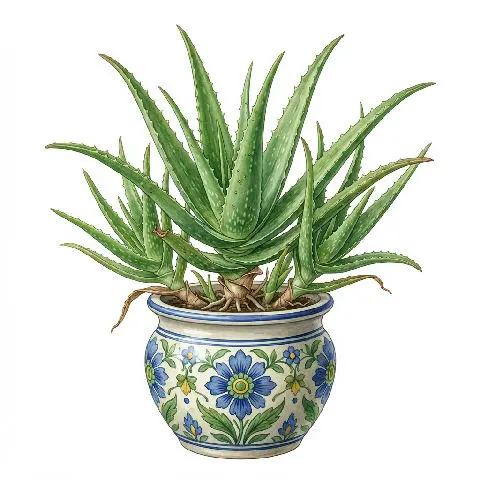
Kumari, scientifically known as Aloe barbadensis, and commonly referred to as Indian Aloe or Aloe Vera, is a robust succulent perennial plant celebrated globally for its profound medicinal and cosmetic value.
The interesting part about Kumari (Indian Aloe) is that the plant can be discussed from several angles at once: visible form, environmental behavior, traditional context, and modern quality control.
The linked plant page remains the main internal reference point for this article, but the goal here is to turn that raw data into a readable, structured, and genuinely useful guide.
- Kumari (Aloe barbadensis) is a succulent perennial renowned for its medicinal properties.
- Native to the Arabian Peninsula, it is now cultivated globally in warm climates.
- The plant's leaves yield a gel rich in polysaccharides, vitamins, and minerals, and a latex containing anthraquinones.
- Widely used for skin healing, digestive support, and anti-inflammatory effects.
- Revered as a 'Rasayana' in Ayurveda, promoting rejuvenation and vitality.
- Caution is advised with internal use of the latex due to its potent laxative effect and potential side effects.
- Known for antioxidant, anti-diabetic, and cardiovascular benefits.
- Essential for natural remedies, cosmetics, and traditional medicine systems.
02Kumari Indian Aloe: Taxonomy & Classification
Kumari (Indian Aloe) should be anchored to the correct taxonomic identity before any discussion of care, use, or safety begins.
| Common name | Kumari (Indian Aloe) |
|---|---|
| Scientific name | Aloe barbadensisW |
| Family | Asphodelaceae |
| Order | Asparagales |
| Genus | Aloe |
| Species epithet | barbadensis |
| Author citation | Mill. |
| Common names | কুমারী, অ্যালোভেরা, Indian Aloe, Kumari, Barbados Aloe, True Aloe, घृतकुमारी |
| Origin | Arabian Peninsula |
| Life cycle | Perennial |
| Growth habit | Tree |
Using the accepted scientific name Aloe barbadensis helps readers avoid confusion caused by old synonyms, loose common names, or inconsistent plant labels.
Family and order placement also matter because they explain recurring structural traits, likely relatives, and the kinds of mistakes readers often make when they rely on appearance alone.
Correct naming is not a small detail. A plant can collect multiple common names, outdated synonyms, and marketing labels over time, so using Aloe barbadensis consistently reduces the risk of confusion, bad care advice, and even safety mistakes.
03What Kumari Indian Aloe Looks Like

A practical reading of the plant starts with visible structure:
- Leaf: Aloe barbadensis leaves are thick, fleshy, and tapering, measuring up to 12-18 inches long and 3-4 inches wide. They have a smooth surface and are.
- Stem: The stem is short and usually not visible above the soil. It is thick, with a slight greenish hue and a smooth texture when exposed.
- Root: Aloe barbadensis has a fibrous root system that typically extends up to 12 inches deep. The roots are shallow but widespread, allowing effective.
- Flower: Flowers emerge on a tall inflorescence stalk that can reach up to 36 inches. The tubular flowers are bright yellow to orange, about 1-2 inches long.
- Fruit: The fruit is a capsule roughly 1-2 inches long, containing several small seeds. The color is greenish to brown upon maturity, and the fruit is not.
- Seed: Seeds are small, oval, and brown, approximately 1-2 mm in size. They are dispersed by wind and can germinate in proper soil conditions.
Microscopic or internal identification notes deepen the picture, especially for processed material: Trichomes are generally absent on the leaf surface of Aloe barbadensis, contributing to its smooth, glaucous appearance. Anomocytic (or ranunculaceous) stomata are characteristic, where the guard cells are surrounded by a variable number of ordinary epidermal cells. Calcium oxalate crystals, predominantly in the form of druses (cluster crystals) and sometimes prisms, are observed in the parenchymatous cells.
In overall habit, the plant is described as Tree with a mature height around Typically 0.1-3 m and spread of Typically 0.2-2 m.
04Where Kumari Indian Aloe Grows
The native or historically recorded center of distribution for Kumari (Indian Aloe) is Arabian Peninsula. That origin is more than background trivia; it explains how the plant responds to heat, moisture, shade, and seasonal change.
The plant is associated with the following countries or range markers: Canary Islands, Cape Verde, North Africa, Southern Europe.
Environmental notes in the live record add more context: Kumari (Aloe barbadensis) flourishes in a warm, arid climate, preferring temperatures between 20°C to 30°C (68°F to 86°F). It tolerates brief exposure to cooler temperatures, but frost can damage the plant. A well-draining sandy or loamy soil mix is ideal, as it helps prevent root rot. This species prefers full sun to partial shade; an ideal location.
In cultivation terms, the main ecological clues are: Full sun to bright light; Low; Sharply well-drained; Species-dependent; many warm-climate taxa 8-11; Perennial; Tree.
Physiology data reinforce the habitat story: Basal respiration rates are typical for succulents, influenced by environmental factors such as temperature and plant metabolic activity. Stomata remain closed during the day to conserve water and open at night to absorb CO2, which is then stored as malic acid. This acid is. Endogenous auxins and cytokinins play crucial roles in regulating the plant's growth and development, including leaf expansion, root development.
05Kumari Indian Aloe in Tradition & Culture
Kumari, or Indian Aloe (Aloe barbadensis), boasts a rich tapestry of cultural significance woven through millennia of human interaction. Its origins in the Arabian Peninsula have seen it travel across continents, becoming deeply embedded in the pharmacopoeia of numerous cultures. In Ayurveda, the ancient Indian system of medicine, Kumari is a revered herb, known by the same name. It is lauded for its cooling.
Ethnobotanical records also show how this plant has been framed across different places: Abortifacient in Trinidad (Duke, 1992 *); Abortifacient in Trinidad (Wong, W. 1976. Some folk medicinal plants from Trinidad. Economic Botany 30(2): 103-142.); Amenorrhea in Haiti (Liogier, Alain Henri. 1974. Diccionario Botanico de Nombres Vulgares de la Espanola. Universidad Nacional Pedro Henriquez Urena, Santo Domingo.); Antiseptic in Elsewhere (Duke, 1992 ); Antiseptic in Trinidad (Wong, W. 1976. Some folk medicinal plants from Trinidad. Economic Botany 30(2): 103-142.); Asthma in Curacao (Duke, 1992 ); Asthma in Egypt (Tackholm, Vivi and Gunnar. 1973 (reprint). Flora of Egypt. Vol. 1-4. Originally published in Foriad I Univ. Bulletin of the Faculty of Science, vol. 17, Cairo, 1941.); Boil in Elsewhere (Duke, 1992 *).
Traditional context matters, but it should always be separated from modern certainty. Historical use can guide questions, yet it does not automatically prove present-day clinical effectiveness.
06Kumari Indian Aloe: Benefits & Healing Properties
The main benefit themes associated with the plant include:
- Skin Healing — The gel of Kumari is highly effective in soothing and healing burns, cuts, and abrasions due to its anti-inflammatory and antiseptic.
- Digestive Health Support — Aloe barbadensis aids in improving overall digestive function, acting as a prebiotic that supports beneficial gut flora. It can.
- Natural Laxative Action — The latex found in the outer leaf contains anthraquinones like aloin, which stimulate intestinal peristalsis and increase water.
- Anti-inflammatory Properties — Compounds such as bradykinase and C-glucosyl chromone present in the gel exhibit potent anti-inflammatory effects, helping to.
- Antioxidant Protection — Rich in vitamins C, E, and beta-carotene, along with other phenolic compounds, Kumari acts as a powerful antioxidant, protecting.
- Blood Sugar Regulation — Research suggests that phytosterols and other compounds in Aloe barbadensis may help lower blood glucose levels and improve insulin.
- Cardiovascular Support — Aloe has demonstrated blood-thinning activity and may help reduce cholesterol levels. These actions contribute to better. Women's Health Enhancement — Traditionally used to regulate menstruation and improve ovulation, Kumari also promotes healthy hair growth, prevents hair fall.
The evidence matrix gives a more careful picture of those claims: Skin wound healing and burn relief. Clinical trials, in vitro, animal studies. High. Polysaccharides (acemannan) promote fibroblast proliferation, collagen synthesis, and immune cell activation, accelerating wound closure and reducing inflammation. Laxative and constipation relief. Clinical trials, observational studies. High. Anthraquinones (aloin, barbaloin) in the leaf latex stimulate intestinal motility and increase water secretion into the bowel, facilitating defecation. Blood sugar regulation in diabetes. Clinical trials, animal studies. Moderate. Phytosterols, polysaccharides, and other compounds may improve insulin sensitivity, reduce glucose absorption, and have a protective effect on pancreatic beta-cells. Anti-inflammatory action. In vitro, animal studies, some human trials. Moderate. Bradykinase, C-glucosyl chromone, salicylic acid, and other compounds inhibit inflammatory mediators, reducing swelling and pain. Antioxidant activity. In vitro, animal studies. Moderate. Vitamins (C, E), polyphenols, and various other bioactive compounds effectively scavenge free radicals, protecting cells from oxidative stress.
The stored evidence confidence for this profile is traditional. That should shape how strongly any benefit statement is interpreted.
For medicinal content, the key discipline is to distinguish traditional use, mechanism-based plausibility, and human clinical support. Those are related ideas, but they are not the same thing.
- Skin Healing — The gel of Kumari is highly effective in soothing and healing burns, cuts, and abrasions due to its anti-inflammatory and antiseptic.
- Digestive Health Support — Aloe barbadensis aids in improving overall digestive function, acting as a prebiotic that supports beneficial gut flora. It can.
- Natural Laxative Action — The latex found in the outer leaf contains anthraquinones like aloin, which stimulate intestinal peristalsis and increase water.
- Anti-inflammatory Properties — Compounds such as bradykinase and C-glucosyl chromone present in the gel exhibit potent anti-inflammatory effects, helping to.
- Antioxidant Protection — Rich in vitamins C, E, and beta-carotene, along with other phenolic compounds, Kumari acts as a powerful antioxidant, protecting.
- Blood Sugar Regulation — Research suggests that phytosterols and other compounds in Aloe barbadensis may help lower blood glucose levels and improve insulin.
- Cardiovascular Support — Aloe has demonstrated blood-thinning activity and may help reduce cholesterol levels. These actions contribute to better.
- Women's Health Enhancement — Traditionally used to regulate menstruation and improve ovulation, Kumari also promotes healthy hair growth, prevents hair fall.
- Respiratory Relief — In traditional practices, the juice from heated Aloe leaves mixed with ghee and honey has been used to alleviate symptoms of asthma and.
- Eye Health Improvement — Preparations involving Aloe pulp, often combined with alum, are traditionally applied topically to the eyes to reduce redness.
07Active Compounds in Kumari Indian Aloe
The broader constituent profile includes:
- Polysaccharides — Key compounds include acemannan, glucomannans, and pectins, known for immunomodulatory, wound.
- Anthraquinones — Compounds like aloin A and B, barbaloin, emodin, and aloe-emodin are found in the latex. They are.
- Vitamins — Contains a rich array of vitamins including A (beta-carotene), C, E, B1 (thiamine), B2 (riboflavin), B3.
- Minerals — Essential minerals such as calcium, magnesium, zinc, selenium, chromium, copper, potassium, sodium, and.
- Enzymes — Includes bradykinase, catalase, amylase, lipase, alkaline phosphatase, and peroxidase. Bradykinase is.
- Amino Acids — Provides 20 of the 22 human-required amino acids, including 7 of the 8 essential amino acids, crucial.
- Fatty Acids — Contains beneficial fatty acids like cholesterol, campesterol, β-sitosterol, and lupeol, which.
- Salicylic Acid — A phenolic compound known for its anti-inflammatory, analgesic, and antiseptic actions, contributing.
- Saponins — Glycosides that act as natural cleansers and antiseptics, providing antimicrobial benefits when applied.
- Lignins — Inert cellulosic compounds that aid in the penetration of other active ingredients into the skin, enhancing.
The detailed phytochemistry file adds these markers: Aloin A and B, Anthraquinone glycoside, Leaf latex (yellow exudate), ~15-40% in dried latex%; Acemannan, Polysaccharide (beta-1,4-acetylated glucomannan), Inner leaf gel, 0.05-0.2% in fresh gel%; Barbaloin, Anthraquinone glycoside, Leaf latex, Primary anthraquinone, constituent of AloinN/A; Bradykinase, Enzyme, Inner leaf gel, Trace amountsN/A; Lupeol, Triterpenoid, Inner leaf gel, Trace amountsN/A; Salicylic acid, Phenolic acid, Inner leaf gel, Trace amountsN/A; Vitamins (A, C, E), Vitamins, Inner leaf gel, Variablemg/100g; Phytosterols (e.g., β-sitosterol, campesterol), Steroids, Inner leaf gel, Trace amountsN/A.
Compound profiles also shift with plant part, age, season, processing, and storage. The chemistry of a fresh leaf, dried root, or concentrated extract should never be treated as automatically identical.
08Using Kumari Indian Aloe: Methods & Dosage
Recorded preparation and use methods include Topical Gel Application — Directly apply the fresh, inner leaf gel to skin for burns, cuts, insect bites, acne, and other irritations. Ensure the yellow latex is removed. Oral Juice Consumption — Drink purified Aloe Vera juice (15-30 ml, diluted with water) for digestive issues, detoxification, and blood sugar management. Ensure it's free of aloin. Capsules and Tablets — Standardized extracts in capsule or tablet form are available for systemic benefits, such as digestive support or immune modulation. Follow recommended. Decoction for Internal Use — In traditional medicine, a decoction of Aloe leaves or pulp may be prepared for specific conditions, often combined with other herbs. Poultice for Wounds — A thick paste made from Aloe pulp, sometimes mixed with turmeric, can be applied as a poultice to boils, carbuncles, and stubborn wounds. Eye Packs — For eye irritation or redness, purified Aloe pulp mixed with ingredients like alum can be wrapped in cloth and applied externally over the eyes overnight. Hair Masks — Blend Aloe gel with other natural ingredients (e.g., coconut oil, honey) to create hair masks that promote hair growth, reduce dandruff, and moisturize the scalp. Mouth Rinse — Use diluted Aloe Vera juice as a mouth rinse to soothe mouth ulcers, reduce gum inflammation, and alleviate dry mouth symptoms.
The plant part most closely linked to use is recorded as Leaves, sap, stems, or flowers cited in related taxa.
Edibility and processing notes matter here as well: Some taxa are edible; others are not; verify carefully.
Preparation defines the outcome. Tea, decoction, tincture, powder, fresh plant material, cooked food use, and concentrated extract cannot be discussed as if they were interchangeable.
- Identify the exact species and plant part first.
- Match the preparation to the intended use.
- Check safety, interactions, and processing details before routine use or large-scale handling.
09Kumari Indian Aloe: Safety & Side Effects
The first safety note is direct: Some taxa contain latex or irritants; verify species
Specific warnings recorded for this plant include:
- Pregnancy and Lactation — Strictly contraindicated during pregnancy due to potential uterine stimulation and should be avoided during lactation as compounds.
- Children — Internal use of Aloe latex is generally not recommended for children due to potent laxative effects and potential for electrolyte imbalance. Internal vs.
- External Use — Distinguish between the safe, purified inner leaf gel for internal use and the yellow latex layer (aloin-rich) which is primarily.
- Medical Conditions — Individuals with diabetes, heart conditions, kidney disease, or intestinal issues (e.g., Crohn's disease, ulcerative colitis) should.
- Patch Test — Always perform a patch test on a small skin area before widespread topical application to check for allergic reactions.
- Drug Interactions — Be aware of potential interactions with medications, especially anticoagulants, anti-diabetic drugs, diuretics, and corticosteroids.
- Dosage Adherence — Adhere strictly to recommended dosages for internal products. Avoid long-term internal use of whole leaf extracts containing anthraquinones.
- Diarrhea — Do not use Aloe internally if experiencing diarrhea, as its laxative properties will exacerbate the condition.
- Purity — Ensure any orally consumed Aloe product is purified to remove aloin, as high concentrations can be harmful. Look for 'aloin-free' labels.
- Surgical Procedures — Discontinue Aloe use at least two weeks before any scheduled surgery due to its potential blood-thinning effects.
Quality-control notes add another warning: Common adulteration risks include substitution with other less potent Aloe species, dilution of the gel with water or cheaper thickeners, and the addition of synthetic.
No plant should be described as universally safe. Identity, dose, plant part, preparation style, age, pregnancy status, medication use, allergies, and contamination risk all change the answer.
10Kumari Indian Aloe Cultivation Guide
The cultivation record emphasizes these practical steps:
- Climate — Kumari thrives in warm, tropical to subtropical climates, ideally with temperatures between 20-30°C. It is sensitive to frost.
- Soil Requirements — Prefers well-draining, sandy loam soil with a slightly acidic to neutral pH (6.0-7.0). Good drainage is crucial to prevent root rot.
- Propagation — Primarily propagated by offsets (pups) that emerge around the base of the mother plant. These can be carefully separated and replanted.
- Light Exposure — Requires abundant sunlight, ideally full sun for at least 6 hours daily, but can tolerate partial shade in very hot climates.
- Watering — As a succulent, it needs infrequent but deep watering. Allow the soil to dry out completely between waterings to prevent overwatering.
- Fertilization — Minimal fertilization is needed. A balanced, organic fertilizer can be applied sparingly once or twice during the growing season.
- Pest and Disease Management — Generally resistant, but susceptible to root rot from overwatering and occasional pests like mealybugs or spider mites.
- Harvesting — Mature outer leaves should be harvested by cutting them close to the stem. Allow the plant to mature for at least 2-3 years before initial harvest.
The broader growth environment is described like this: Kumari (Aloe barbadensis) flourishes in a warm, arid climate, preferring temperatures between 20°C to 30°C (68°F to 86°F). It tolerates brief exposure to cooler temperatures, but frost can damage the plant. A well-draining sandy or loamy soil mix is ideal, as it helps prevent root rot. This species prefers full sun to partial shade; an ideal location.
Planning becomes easier when these traits are kept in view: Tree; Typically 0.1-3 m; Typically 0.2-2 m.
In practice, healthy cultivation comes from systems thinking rather than one-off tricks. Site choice, drainage, timing, spacing, pruning, feeding, and observation all reinforce one another.
11Kumari Indian Aloe Growing Conditions
The most useful care snapshot is this: Light: Full sun to bright light; Water: Low; Soil: Sharply well-drained; USDA zone: Species-dependent; many warm-climate taxa 8-11.
Outdoors, light, water, and soil must be read together. The same watering schedule can be too much in dense clay and too little in a porous sandy bed.
| Light | Full sun to bright light |
|---|---|
| Water | Low |
| Soil | Sharply well-drained |
| USDA zone | Species-dependent; many warm-climate taxa 8-11 |
Light, water, and soil should never be treated as separate checkboxes. A plant in stronger light often dries faster, soil texture changes how quickly water moves, and temperature plus humidity influence how stress appears in leaves and roots.
For Kumari (Indian Aloe), the safest care approach is to treat Full sun to bright light, Low, and Sharply well-drained as linked decisions rather than isolated tips. If one condition shifts, the other two usually need to be reconsidered as well.
Microclimate matters too. Indoors, room placement and airflow can matter as much as window exposure. Outdoors, reflected heat, slope, mulch, and nearby plants can change how the temperature rhythm described for the species and humidity that matches the plant type are actually experienced at plant level.
12How to Propagate Kumari Indian Aloe
Documented propagation routes include Propagation of Aloe barbadensis is commonly achieved through offsets (also known as pups) or leaf cuttings. 1. Offsets: Wait until the offsets grow to. typically, roots will develop within 2-4 weeks. Success rates for offset propagation are higher (around 80-90%) compared to leaf cuttings (approximately.).
Propagation works best when the parent stock is healthy, correctly identified, and handled in the right season. That sounds obvious, but it is exactly where many failures begin.
- Propagation of Aloe barbadensis is commonly achieved through offsets (also known as pups) or leaf cuttings. 1. Offsets: Wait until the offsets grow to.
- Typically, roots will develop within 2-4 weeks. Success rates for offset propagation are higher (around 80-90%) compared to leaf cuttings (approximately).
Propagation works best when the reader matches method to biology. Some plants respond readily to cuttings, some to division, some to seed, and others require more patience or more exact seasonal timing.
13Pests, Diseases & Disorders
For medicinal species, pest pressure is not only a horticultural issue. It also affects harvest cleanliness, storage stability, and confidence in the final material.
The smartest response sequence is observation first, environmental correction second, and treatment only after the real pattern is clear.
Pest and disease management is strongest when it begins before visible damage becomes severe. Routine observation, clean handling, sensible spacing, air movement, and balanced watering reduce many problems before treatment is even needed.
When symptoms do appear on Kumari (Indian Aloe), the most reliable response is diagnostic rather than reactive. Yellowing, spots, wilt, chewing, and stunting can all have multiple causes, so a rushed treatment can waste time or worsen the problem.
Good troubleshooting also includes environmental correction. Pests and disease often reveal a deeper issue such as root stress, poor airflow, inconsistent watering, weak light, or exhausted soil structure.
14Kumari Indian Aloe: Harvest, Storage & Processing
The plant part most often associated with harvest or processing is Leaves, sap, stems, or flowers cited in related taxa.
Storage guidance from the quality-control record reads as follows: Fresh Aloe gel is highly perishable and susceptible to enzymatic degradation and microbial growth. It requires stabilization (e.g., pasteurization, acidification, addition of).
For medicinal plants, harvesting cannot be separated from processing. The right plant part, the right timing, and the right drying conditions all shape quality and safety.
Whatever the purpose, the rule is the same: harvest clean material, label it clearly, and store it in a way that preserves identity and condition.
Harvest and storage determine whether a plant's quality is preserved after it leaves the bed, pot, field, or wild source. Clean timing, correct plant part selection, and careful drying or handling all matter more than many readers expect.
15Kumari Indian Aloe in Garden Design
In a home herb garden or medicinal bed, Kumari (Indian Aloe) should be placed where harvesting is easy, labeling remains clear, and neighboring plants do not create confusion at collection time.
Companion planting and design are not only aesthetic decisions. They affect airflow, root competition, moisture sharing, harvest access, visibility, and the general logic of the planting scheme.
With Kumari (Indian Aloe), good placement means thinking about mature size, maintenance rhythm, and how neighboring plants change the feel and function of the space. A plant can be healthy on its own and still be poorly placed within the broader composition.
That is why the best design advice combines biology with usability. The planting should look coherent, but it should also make watering, pruning, harvest, and pest observation easier rather than harder.
16What Science Says About Kumari Indian Aloe
The evidence matrix points to several recurring themes: Skin wound healing and burn relief. Clinical trials, in vitro, animal studies. High. Polysaccharides (acemannan) promote fibroblast proliferation, collagen synthesis, and immune cell activation, accelerating wound closure and reducing inflammation. Laxative and constipation relief. Clinical trials, observational studies. High. Anthraquinones (aloin, barbaloin) in the leaf latex stimulate intestinal motility and increase water secretion into the bowel, facilitating defecation. Blood sugar regulation in diabetes. Clinical trials, animal studies. Moderate. Phytosterols, polysaccharides, and other compounds may improve insulin sensitivity, reduce glucose absorption, and have a protective effect on pancreatic beta-cells. Anti-inflammatory action. In vitro, animal studies, some human trials. Moderate. Bradykinase, C-glucosyl chromone, salicylic acid, and other compounds inhibit inflammatory mediators, reducing swelling and pain. Antioxidant activity. In vitro, animal studies. Moderate. Vitamins (C, E), polyphenols, and various other bioactive compounds effectively scavenge free radicals, protecting cells from oxidative stress.
Ethnobotanical activity records add historical reference trails: Abortifacient — Trinidad [Duke, 1992 *]; Abortifacient — Trinidad [Wong, W. 1976. Some folk medicinal plants from Trinidad. Economic Botany 30(2): 103-142.]; Amenorrhea — Haiti [Liogier, Alain Henri. 1974. Diccionario Botanico de Nombres Vulgares de la Espanola. Universidad Nacional Pedro Henriquez Urena, Santo Domingo.]; Antiseptic — Elsewhere [Duke, 1992 ]; Antiseptic — Trinidad [Wong, W. 1976. Some folk medicinal plants from Trinidad. Economic Botany 30(2): 103-142.]; Asthma — Curacao [Duke, 1992 ].
The compiled source count behind the live profile is 7. That does not guarantee certainty, but it does suggest the record has been cross-checked beyond a single note.
Analytical testing notes also strengthen the evidence base: Analytical methods include High-Performance Liquid Chromatography (HPLC) for quantification of anthraquinones, Nuclear Magnetic Resonance (NMR) and Gel Permeation Chromatography.
A careful evidence section should say what is known, what is plausible, and what remains uncertain. Readers are better served by clear limits than by exaggerated confidence.
Evidence note: this section blends the live plant record, local ethnobotanical activity data, chemistry records, and the linked Flora Medical Global plant profile for Kumari (Indian Aloe).
17Kumari Indian Aloe Buying Guide
Quality markers worth checking include Key marker compounds for quality control include Aloin A and B (for latex), and Acemannan (for gel quality and purity). Barbaloin is also a significant marker for the.
Adulteration and substitution risk should not be ignored: Common adulteration risks include substitution with other less potent Aloe species, dilution of the gel with water or cheaper thickeners, and the addition of synthetic.
When buying Kumari (Indian Aloe), start with verified botanical identity. The label, scientific name, and the source page should agree before you judge price, size, or claimed benefits.
For living plants, inspect roots, stem firmness, foliage health, and early pest signs. For dried or processed material, look for batch clarity, clean aroma, absence of mold, and any sign that the product has been over-processed to disguise poor quality.
18Frequently Asked Questions
What is Kumari (Indian Aloe) best known for?
Kumari, scientifically known as Aloe barbadensis, and commonly referred to as Indian Aloe or Aloe Vera, is a robust succulent perennial plant celebrated globally for its profound medicinal and cosmetic value.
Is Kumari (Indian Aloe) beginner-friendly?
That depends on the growing environment and the intended use. Some plants are easy to grow but not simple to use medicinally, while others are the opposite.
How much light does Kumari (Indian Aloe) need?
Full sun to bright light
How often should Kumari (Indian Aloe) be watered?
Low
Can Kumari (Indian Aloe) be propagated at home?
Yes, but the best method depends on whether the species responds best to seed, cuttings, division, offsets, or other propagation routes.
Does Kumari (Indian Aloe) have safety concerns?
Some taxa contain latex or irritants; verify species
What is the biggest mistake people make with Kumari (Indian Aloe)?
The most common mistake is applying generic advice instead of matching the plant to its real environment, identity, and limits.
Where can I verify more information about Kumari (Indian Aloe)?
Start with the Flora Medical Global plant profile: https://www.floramedicalglobal.com/medicinal-plants/kumari-indian-aloe
Why do sources sometimes disagree about Kumari (Indian Aloe)?
Different references may use different synonyms, plant parts, cultivation conditions, or evidence standards. That is why taxonomy and source quality both matter.
19Kumari Indian Aloe: Scientific References
Authoritative sources and related guides:
- Wikipedia — background reference
- PubMed — peer-reviewed studies
- Kew POWO — botanical reference
- NCBI PMC — open-access research
- WHO — global health authority
Related on Flora Medical Global
Reviewed by the Flora Medical Global Botanical Review Panel
Multi-disciplinary editorial group · Botany · Ethnobotany · Herbal-medicine literature
Who reviewed this: This page was checked by the Flora Medical Global Botanical Review Panel — an in-house editorial group of botany graduates, ethnobotany researchers, and horticulture practitioners who collectively maintain our 7,000+ plant encyclopedia. Meet the team.
Our 4-step verification process
1. Taxonomic verification
Scientific names and synonyms cross-checked against Kew POWO, World Flora Online, and The Plant List.
2. Phytochemical & medicinal cross-reference
Active compounds, traditional uses, and reported activities are cross-referenced with PubMed, USDA Dr. Duke's database, and peer-reviewed ethnobotanical literature.
3. Conservation & distribution check
Distribution, ecology, and conservation status confirmed against GBIF occurrence records and the IUCN Red List.
4. Editorial & safety review
Every entry passes an editorial pass for clarity, originality, and safety notices (toxicity, contraindications, dosage caveats) before publication.
Last reviewed:
Important medical disclaimer: This content is for educational and research purposes only. It is not medical advice and is not a substitute for consultation with a licensed healthcare provider. Do not use any herb to self-treat a medical condition without professional guidance.
Explore Our Platforms
 InfiniCore DataWorks
 Nex-Automata
Comments (0)
No comments yet. Be the first!