Natural Immune Boosters 2026 — Science-Backed Herbs, Plants & Remedies to Strengthen Your Immune System
 Flora Medical GlobalPublished: 2/25/2026Updated: 6/16/202623 min read
Editorial Disclaimer: This article is for informational and educational purposes only. It is not a substitute for professional medical advice, diagnosis, or treatment. Always consult a qualified healthcare provider or certified herbalist before using any plant for medicinal purposes, especially if you are pregnant, nursing, taking medication, or have a medical condition.
The quest for robust health and a resilient immune system is more relevant than ever. As we look towards natural immune boosters 2026, the emphasis shifts to sustainable, plant-based strategies supported by scientific research. Our immune system is our body's defense mechanism, a complex network of cells, tissues, and organs working in harmony to protect us from pathogens. Strengthening it naturally involves a holistic approach, where the power of nature plays a pivotal role.
This comprehensive guide from Flora Medical Global, your trusted encyclopedia for medicinal plants, will explore the most effective natural immune boosters 2026, focusing on herbs for immune system support, potent immune boosting plants, and practical strategies to enhance your natural immunity. We'll delve into the science behind these botanical wonders, providing you with actionable insights to fortify your health for the years to come.
01What is Natural Immunity and How Does It Protect Us?
Natural immunity, also known as innate immunity, is our body's first and most immediate line of defense against pathogens. It is a non-specific system that provides rapid responses to invading microorganisms, preventing the establishment of infections.
This intricate system comprises physical barriers like skin and mucous membranes, cellular components such as phagocytes (macrophages, neutrophils), and natural killer (NK) cells, along with soluble factors like cytokines and complement proteins. These components work synergistically to identify and eliminate foreign invaders, offering immediate protection before the adaptive immune system can mount a specific response. Understanding its mechanisms empowers us to better support it.
The Intricate Layers of Innate Immunity
Our innate immune system isn't just a single barrier; it's a multi-layered defense. From the physical blockade of our skin to the chemical warfare waged by stomach acid, every aspect plays a critical role.
- Physical Barriers: The skin, mucous membranes lining our respiratory, digestive, and urogenital tracts, cilia in the airways, and tears in our eyes all act as physical impediments to pathogen entry.
- Chemical Barriers: Enzymes in saliva and tears (lysozyme), the low pH of the stomach, and antimicrobial peptides (defensins) found on epithelial surfaces create inhospitable environments for microbes.
- Cellular Components: Phagocytic cells engulf and digest pathogens, while NK cells identify and destroy infected host cells. Dendritic cells bridge the gap between innate and adaptive immunity by presenting antigens.
- Inflammation: This localized response to tissue injury or infection is a hallmark of innate immunity. It brings immune cells and healing factors to the affected area, containing the infection.
Each layer contributes significantly to our overall resilience, working tirelessly even before we notice a threat. But wait—there's more to supporting this system than just hoping it works.
02How Do Diet and Lifestyle Specifically Impact Immune Health?
Diet and lifestyle are foundational pillars of a robust immune system; they directly influence immune cell function, gut microbiome diversity, and inflammation levels, all crucial for effective defense. Ignoring these fundamental aspects diminishes the efficacy of any supplementary immune-boosting efforts.
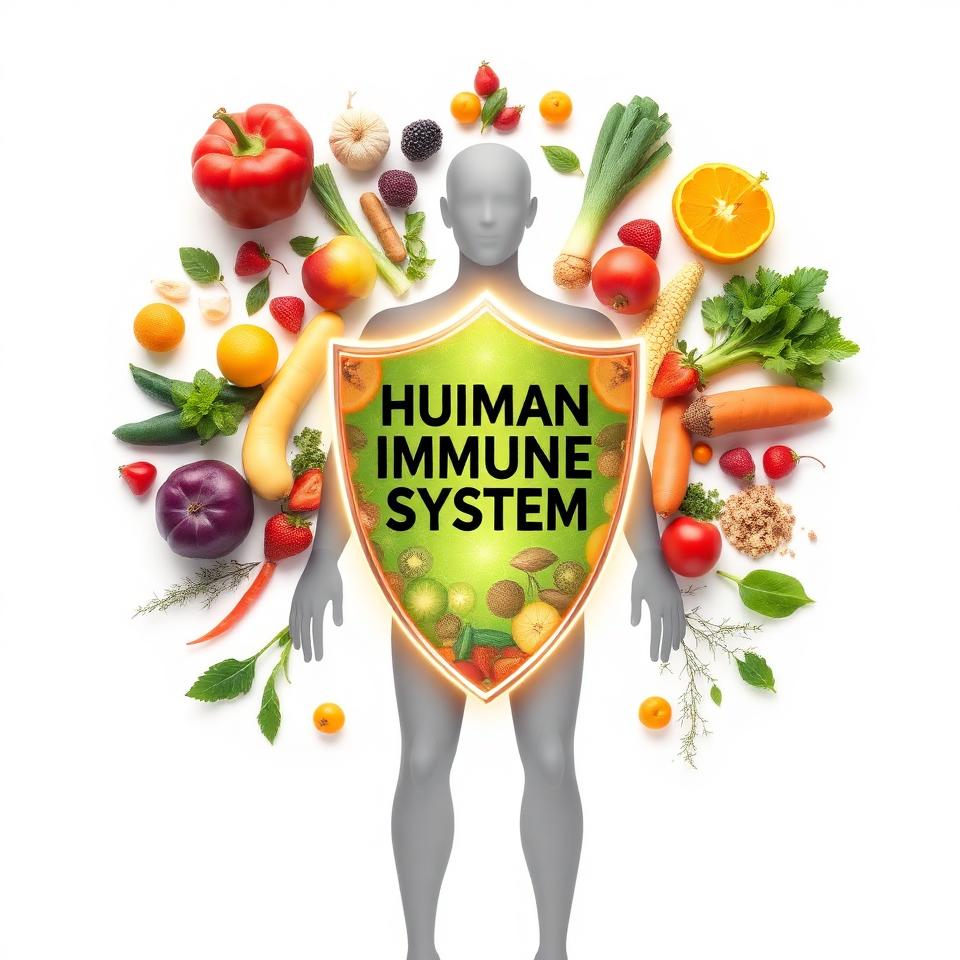
A balanced diet rich in micronutrients and a lifestyle that incorporates regular physical activity, adequate sleep, and stress management collectively create an optimal environment for immune cells to thrive. Conversely, poor nutrition, chronic stress, and lack of sleep can suppress immune function, leaving the body vulnerable to infections. This isn't just about avoiding illness; it's about optimizing overall well-being.
Key Dietary Components for Immune Fortification
Nourishing your body with the right foods is like providing your immune system with the best ammunition. It's not just about what you eat, but the quality and diversity of your intake.
- Vitamin C: A powerful antioxidant, Vitamin C (ascorbate) enhances phagocyte function and supports lymphocyte proliferation. Rich sources include citrus fruits, bell peppers, strawberries, and broccoli. A meta-analysis published in Nutrients (2017) indicated regular intake may reduce the duration and severity of the common cold, with some studies showing doses of 1-3 grams/day to be beneficial.
- Vitamin D: This "sunshine vitamin" modulates both innate and adaptive immune responses. It stimulates antimicrobial peptide production and reduces pro-inflammatory cytokine expression. Primary sources are fatty fish (salmon, mackerel), fortified dairy, and sun exposure. Research, including a review in Frontiers in Immunology (2020), highlights its role in reducing susceptibility to acute respiratory tract infections, especially in deficient individuals.
- Zinc: Essential for the development and function of immune cells, zinc deficiency can impair T-cell activity and antibody production. Oysters, red meat, poultry, beans, and nuts are excellent sources. Studies suggest that zinc supplementation can shorten the duration of cold symptoms when taken shortly after onset (e.g., 50-75 mg/day).
- Selenium: An antioxidant that plays a role in immune cell maturation and function, including T-cell immune responses. Brazil nuts, seafood, and organ meats are rich in selenium.
- Probiotics: Found in fermented foods like yogurt, kefir, and sauerkraut, probiotics support a healthy gut microbiome, which is intimately linked to immune function. An estimated 70-80% of immune cells reside in the gut-associated lymphoid tissue (GALT).
- Omega-3 Fatty Acids: Found in fatty fish, flaxseeds, and walnuts, omega-3s possess anti-inflammatory properties that can help regulate immune responses and prevent excessive inflammation.
Lifestyle Habits That Bolster Immunity
Beyond food, our daily habits significantly shape our immune resilience. Think of these as the ongoing maintenance for your body's defense system.
- Adequate Sleep: During sleep, the body produces and releases cytokines, proteins that combat infection and inflammation. Chronic sleep deprivation (less than 7-8 hours per night) can decrease the production of these protective cytokines and infection-fighting antibodies. A study in Sleep (2015) showed individuals sleeping less than 7 hours were almost three times more likely to develop a cold than those sleeping 8 hours or more.
- Regular Exercise: Moderate, regular exercise (e.g., 30-60 minutes most days of the week) can enhance immune function by increasing the circulation of immune cells and reducing stress hormones. However, excessive, intense exercise without adequate recovery can temporarily suppress immunity.
- Stress Management: Chronic psychological stress releases cortisol, a hormone that can suppress the immune system by reducing the production of lymphocytes and other immune cells. Practices like meditation, yoga, mindfulness, and spending time in nature are crucial.
- Hydration: Water helps carry oxygen to your cells, remove toxins, and plays a vital role in lymphatic system function, which is critical for immunity. Aim for at least 8 glasses (approximately 2 liters) of water daily.
- Limiting Alcohol and Tobacco: Both alcohol abuse and smoking significantly impair immune function, increasing susceptibility to respiratory infections and chronic diseases. Smoking specifically damages cilia in the airways, hindering pathogen clearance.
03What Are the Top Science-Backed Herbs for Immune System Support in 2026?
Several botanical powerhouses, supported by ongoing research, stand out for their profound ability to modulate and enhance immune responses. These herbs offer natural avenues to support cellular defense, reduce inflammation, and enhance resilience.
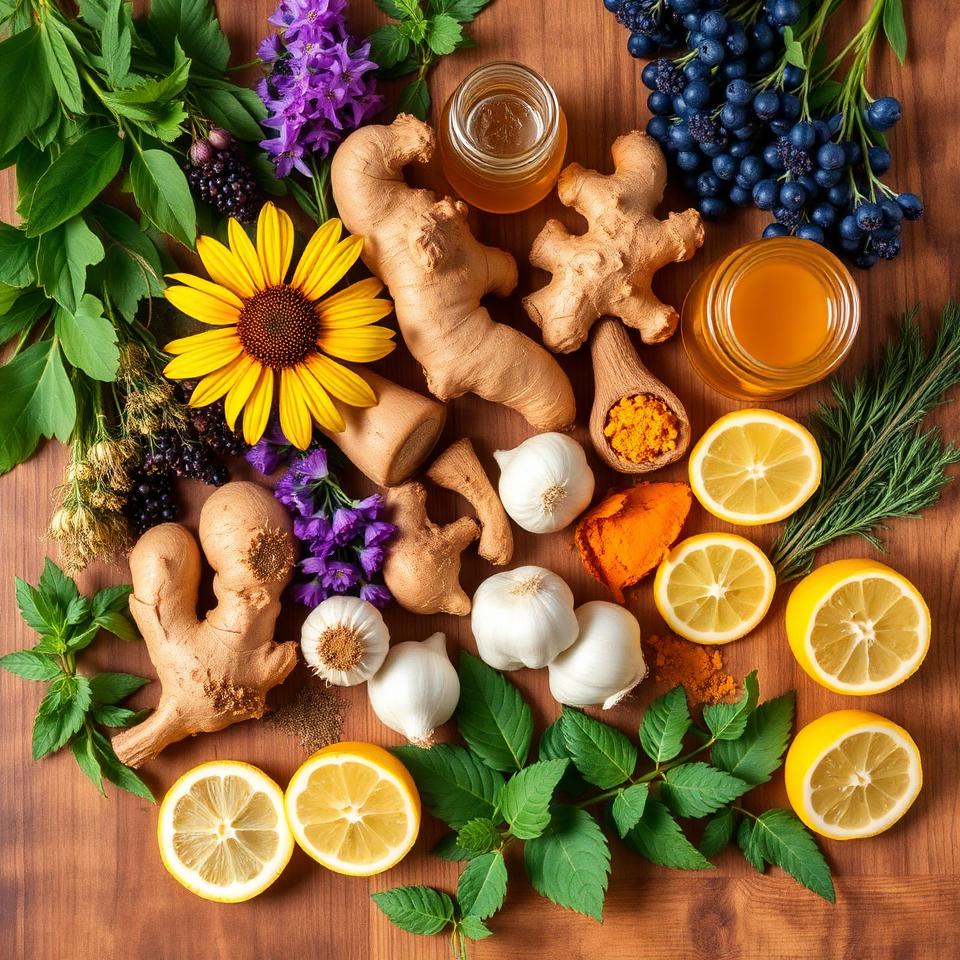
From ancient traditional medicine to modern clinical trials, these plants consistently demonstrate properties that interact positively with our immune systems. They often achieve this through a synergistic blend of compounds, rather than a single active ingredient, making them complex and fascinating subjects for study. Here’s a closer look at some of the best.
Echinacea (Echinacea purpurea, E. angustifolia, E. pallida)
Echinacea is one of the most well-researched herbs for immune health, particularly known for its ability to reduce the duration and severity of the common cold and other upper respiratory infections. Its effectiveness stems from a diverse array of active compounds.
Mechanisms of Action: Echinacea contains alkylamides, polysaccharides, glycoproteins, and caffeic acid derivatives (like cichoric acid) that stimulate phagocytosis, increase natural killer cell activity, and enhance cytokine production (interleukin-1, interleukin-6, TNF-alpha) by macrophages and monocytes. This action primes immune cells for a more robust response against pathogens. A meta-analysis of 14 studies published in The Lancet Infectious Diseases (2007) found that Echinacea reduced the odds of developing the common cold by 58% and the duration of cold symptoms by 1.4 days. Optimal dosing typically involves 900-1200 mg/day of preparations standardized to cichoric acid, taken at the first sign of symptoms.
Elderberry (Sambucus nigra)
Elderberry is revered for its antiviral properties, particularly against influenza viruses, and its rich antioxidant profile. It's a staple in immune-boosting protocols, especially during cold and flu season.
Mechanisms of Action: Elderberry's potent antiviral effects are attributed to its high concentration of anthocyanins and other flavonoids. These compounds can inhibit viral replication and prevent viruses from attaching to host cells. Studies suggest elderberry extracts can stimulate cytokine production, enhancing the overall immune response. A randomized, double-blind, placebo-controlled study published in the Journal of International Medical Research (2016) showed that elderberry extract reduced the duration and severity of cold and flu symptoms in airline travelers. Participants taking elderberry experienced a 4-day shorter duration of symptoms and significantly fewer severe symptoms.
Astragalus (Astragalus membranaceus)
A cornerstone of Traditional Chinese Medicine (TCM), Astragalus is an adaptogen known for its ability to enhance general immune function and support the body's resilience to stress. It's often used as a preventive measure.
Mechanisms of Action: Astragalus polysaccharides (APS) are key active compounds that stimulate several aspects of the immune system, including the production of antibodies, T-cells, and natural killer cell activity. It also enhances macrophage function and cytokine production. Research published in Molecules (2020) highlighted its immunomodulatory effects, showing it can help restore immune function in immunocompromised individuals. Typical dosages range from 9-30 grams of dried root in decoctions or 250-500 mg of standardized extract, taken daily over a period of weeks or months.
Cordyceps (Cordyceps sinensis / Cordyceps militaris)
This fascinating medicinal mushroom is a potent immunomodulator, enhancing both innate and adaptive immune responses while also possessing anti-inflammatory properties. It's highly valued for its holistic effects.
Mechanisms of Action: Cordyceps contains cordycepin, polysaccharides, and adenosine, which can increase the activity of natural killer cells, enhance cytokine production, and modulate macrophage activity. It helps regulate the immune system, preventing both underactivity and overactivity. A review in Applied Microbiology and Biotechnology (2013) detailed its immune-enhancing and anti-tumor effects, noting its ability to boost cell-mediated immunity. Standardized extracts are commonly dosed at 1,000-3,000 mg/day.
Learn more about Cordyceps here.Reishi Mushroom (Ganoderma lucidum)
Known as the "Mushroom of Immortality" in Eastern medicine, Reishi is a powerful adaptogen and immunomodulator that supports overall immune balance and stress reduction. It's exceptional for long-term immune resilience.
Mechanisms of Action: Reishi's triterpenes and polysaccharides (beta-glucans) are responsible for its immune-enhancing effects. These compounds can enhance the activity of various immune cells, including macrophages, NK cells, and T-lymphocytes, as well as increase the production of immunoglobulins. Research in Pharmacological Reports (2008) indicated its potential to improve immune parameters in various conditions. Doses of 1,000-5,000 mg/day of dried mushroom extract are typically used, standardized to polysaccharides.
Ginger (Zingiber officinale)
Beyond its culinary uses, ginger is a potent anti-inflammatory and antioxidant herb with strong immune-modulating properties. It's particularly useful for soothing inflammatory responses during illness.
Mechanisms of Action: Gingerols, shogaols, and paradols are the main bioactive compounds in ginger. They exert anti-inflammatory effects by inhibiting prostaglandin synthesis and stimulating the immune system by activating T-lymphocytes and boosting cytokine production. A review in the International Journal of Preventive Medicine (2013) highlights its diverse pharmacological activities, including immunomodulation. Daily intake of 1-3 grams of fresh ginger root or 250-500 mg of standardized extract is common.
Turmeric (Curcuma longa)
The bright yellow spice turmeric, with its active compound curcumin, is celebrated for its powerful anti-inflammatory and antioxidant effects, which indirectly support a healthy immune system. It effectively modulates immune cell signaling pathways.
Mechanisms of Action: Curcumin influences numerous signaling molecules involved in inflammation and immunity, including NF-κB, COX-2, and various cytokines. It can enhance the activity of antibodies and immune cells like macrophages and NK cells. A comprehensive review in Foods (2017) explored curcumin's role as an immunomodulatory agent, noting its ability to restore immune balance. Given its poor bioavailability, it's often combined with piperine (from black pepper) to enhance absorption. Typical doses are 500-1,000 mg/day of standardized curcumin extract (containing 95% curcuminoids).
04What are the Most Potent Immune Boosting Plants and Botanical Extracts?
Beyond individual herbs, certain broader categories of plants and their concentrated extracts offer significant immune-supporting benefits, leveraging complex biochemical synergies. These often encompass a blend of compounds that work together to fortify the body.
The efficacy of these botanical extracts often comes from their unique phytochemical profiles, which can influence various pathways of the immune system. We're talking about not just vitamins, but antioxidants, adaptogens, and compounds that directly interact with immune cells. This makes them particularly compelling for a holistic approach to immunity.
Berberine-Containing Plants (e.g., Barberry, Goldenseal, Oregon Grape)
Berberine is a powerful alkaloid found in several plants, widely studied for its antimicrobial, anti-inflammatory, and immune-modulating properties. It offers a broad spectrum of benefits for immune health.
Mechanisms of Action: Berberine has been shown to enhance macrophage phagocytic activity, modulate cytokine production, and directly inhibit the growth of various bacteria, viruses, fungi, and parasites. It also influences gut microbiome composition, which is critical for immunity. Research in Frontiers in Pharmacology (2020) underscored its immunoregulatory effects, positioning it as a promising therapeutic agent. Standardized extracts are typically dosed at 500-1,500 mg/day, often divided into multiple doses.
Propolis (Bee Propolis)
While not strictly a plant, propolis is a resinous mixture collected by honey bees from tree buds, sap flows, and other botanical sources, making it a powerful plant-derived immune booster. It is renowned for its antimicrobial and immunomodulatory properties.
Mechanisms of Action: Propolis contains over 300 active compounds, including flavonoids, phenolic acids, and terpenes, which collectively exert antiviral, antibacterial, antifungal, and anti-inflammatory effects. It stimulates macrophage activity, enhances antibody production, and boosts natural killer cell function. A review in Oxidative Medicine and Cellular Longevity (2017) highlighted its diverse biological activities, including significant immune modulation. Doses vary depending on the extract, but typically range from 250-1,000 mg/day in capsule form, or as a tincture.
Discover more about Propolis and its benefits.Medicinal Mushrooms (Beyond Reishi & Cordyceps)
The fungal kingdom offers a wealth of immune-boosting compounds, with several mushrooms providing unique benefits. These are truly an untapped resource for natural immunity.
- Shiitake (Lentinula edodes): Contains beta-glucans like lentinan, which activate immune cells, including macrophages, NK cells, and T-lymphocytes. A study in the Journal of the American College of Nutrition (2015) found that daily consumption of shiitake mushrooms improved immunity markers and reduced inflammation in healthy adults.
- Maitake (Grifola frondosa): Known for its D-fraction, a beta-glucan complex that significantly enhances immune cell activity, particularly NK cells and cytotoxic T-cells. Research suggests it may be beneficial for cancer patients undergoing chemotherapy.
- Turkey Tail (Trametes versicolor / Coriolus versicolor): Rich in polysaccharide-K (PSK) and polysaccharopeptide (PSP), powerful immune-modulating compounds used clinically in Asia to support immune function, especially during cancer treatment. These compounds enhance T-cell and NK cell activity.
These mushrooms can be consumed as food, teas, or concentrated extracts, with dosages typically ranging from 500-3,000 mg/day depending on the specific mushroom and preparation.
05How Do Adaptogenic Herbs Contribute to Immune Resilience?
Adaptogenic herbs enhance immune resilience by helping the body adapt to and resist physical, chemical, and biological stressors, thereby preventing chronic stress from debilitating immune function. They don't directly "boost" immunity but rather normalize physiological processes, including immune responses.
By modulating the body's stress response system (the HPA axis) and supporting cellular energy, adaptogens indirectly fortify the immune system against the immunosuppressive effects of chronic stress. This means your immune cells are better prepared to respond when challenged, rather than being weakened by constant alarm signals. It's a holistic approach to steady, sustained wellness.
Key Adaptogens and Their Immune-Supporting Actions
Let's explore some of the most prominent adaptogens and their specific contributions to immune health. This isn't just about feeling less stressed; it's about a fundamental biological rebalancing.
- Siberian Ginseng (Eleuthero - Eleutherococcus senticosus): Enhances physical and mental endurance and improves immune function by increasing lymphocyte counts and activity. Studies show it can reduce the incidence and duration of common colds and flu-like infections. A meta-analysis published in Medicinal & Aromatic Plants (2015) confirmed its immune-stimulating properties.
- Ashwagandha (Withania somnifera): Reduces stress and anxiety, thereby mitigating cortisol's immunosuppressive effects. It has also been shown to stimulate immune cell activity, particularly NK cells and macrophages. A study in the Journal of Ethnopharmacology (2009) demonstrated its immunomodulatory potential.
- Rhodio la rosea (Rhodiola rosea): Improves resilience to stress and fatigue, supporting overall systemic balance which indirectly benefits immune function. Research suggests it may also have direct immune-stimulating effects by enhancing T-cell activity.
- Schisandra berry (Schisandra chinensis): Supports liver function, reduces stress, and strengthens immune responses. Its lignans have antioxidant and anti-inflammatory properties that protect immune cells.
Typical dosages for adaptogens range from 200-600 mg of standardized extracts, taken once or twice daily, for periods of weeks to months for optimal effects. Consistency is key when it comes to adaptogens.
06Important Considerations and Cautions When Using Natural Immune Boosters
While natural immune boosters offer significant benefits, it's crucial to approach their use with informed discernment, recognizing potential interactions and individual variabilities. Not all natural is inherently safe for everyone.

Explore Our Platforms
 InfiniCore DataWorks
 Nex-Automata
Just like pharmaceutical drugs, botanical remedies contain potent bioactive compounds that can interact with medications, exacerbate underlying conditions, or cause allergic reactions. Consulting with a healthcare professional is paramount to ensure safety and efficacy, especially for individuals with chronic illnesses, those on medication, or during pregnancy/breastfeeding. Let's get into the specifics.
Drug Interactions and Contraindications
Certain herbs can have profound effects on the body, which might interfere with prescribed medications or existing health conditions. Here's what you need to know:
- Blood Thinners: Herbs like ginger, garlic, turmeric, and ginkgo (though not an immune booster, often mentioned) can have anticoagulant properties and may potentiate the effects of blood-thinning medications like warfarin, increasing the risk of bleeding.
- Immunosuppressants: "Immune-boosting" herbs (e.g., Echinacea, Astragalus, medicinal mushrooms) may counteract the effects of immunosuppressant drugs used in organ transplant recipients or those with autoimmune diseases. This can be dangerous and should be strictly avoided without medical supervision.
- Diabetes Medications: Some herbs, such as berberine, can lower blood sugar levels, potentially leading to hypoglycemia when combined with diabetes medications.
- Autoimmune Diseases: Individuals with autoimmune conditions (e.g., Lupus, Rheumatoid Arthritis, Multiple Sclerosis) should exercise extreme caution with or avoid herbs that "stimulate" the immune system, as this could theoretically exacerbate their condition by overactivating the immune response. Immunomodulating adaptogens might be an exception but require careful supervision.
- Pregnancy and Breastfeeding: Many herbs are not recommended due to insufficient safety data for these populations. Always consult a doctor before using any herbal remedies during pregnancy or lactation.
Quality and Standardization
The efficacy and safety of herbal supplements heavily depend on their quality and standardization. Sadly, the market is rife with inconsistent products.
- Active Compounds: Look for products standardized to a specific active compound (e.g., Echinacea to cichoric acid, Turmeric to curcuminoids, Elderberry to anthocyanins). This ensures a consistent and therapeutically relevant dose.
- Third-Party Testing: Opt for brands that conduct third-party testing for purity, potency, and absence of contaminants (heavy metals, pesticides, microbial contaminants). Look for certifications from organizations like USP, NSF, or ConsumerLab.
- Reputable Suppliers: Purchase from well-established, reputable companies known for their quality control and transparency.
Individual Variability and Allergic Reactions
Just as with any food or supplement, individual responses to herbs can vary widely. What works for one person might not work for another, or could even cause an adverse reaction.
- Allergies: People with allergies to plants in the daisy family (e.g., ragweed, marigolds, chrysanthemums) may be allergic to Echinacea. Always start with a small dose to test for sensitivity.
- Digestive Upset: Some individuals may experience mild digestive upset (nausea, diarrhea) with certain herbal supplements.
- Listen to Your Body: Pay attention to how your body responds. If you experience any adverse effects, discontinue use and consult a healthcare professional.
07Future Outlook: Emerging Research and Personalized Immunity in 2026
The landscape of immune support is rapidly evolving, with a growing emphasis on personalized approaches, advanced botanical research, and the integration of genomics and the microbiome into immune strategies. We're moving beyond one-size-fits-all solutions.

In 2026 and beyond, we can expect to see more sophisticated tools that allow for tailored immune interventions based on an individual's genetic profile, gut microbiome composition, and specific immune markers. This shift promises more effective and precise natural immune solutions, maximizing benefits while minimizing risks. The future is truly personalized wellness.
Genomics and Nutrigenomics in Immune Health
Understanding an individual's genetic predispositions is increasingly informing personalized immune strategies. This is a game-changer for prevention and targeted support.
Impact: Nutrigenomics investigates how dietary components interact with the human genome. For immune health, this means identifying genetic variations (SNPs) that affect nutrient absorption, inflammation pathways, or immune cell function. For example, some individuals may have genetic predispositions to lower Vitamin D absorption, requiring higher supplementation. In 2026, we anticipate readily available genetic testing that provides actionable insights into personalized immune-boosting diets and supplement protocols, allowing for precise recommendations for herbs and nutrients based on an individual's unique genetic blueprint.
The Microbiome-Immune Axis: A Deeper Dive
The intricate relationship between our gut microbiome and immune system continues to be a frontier of discovery, with new insights constantly emerging. It's a critical, often overlooked, aspect of overall health.
Advancements: Beyond probiotics, research is focusing on prebiotics (fibers that feed beneficial gut bacteria) and postbiotics (beneficial compounds produced by gut bacteria, like short-chain fatty acids). Advances in metagenomic sequencing allow for detailed analysis of individual gut microbiomes, leading to highly specific interventions. In 2026, personalized pre- and postbiotic formulations, potentially derived from specific plant fibers or fermented botanical extracts, will aim to optimize an individual's unique gut flora for enhanced immune function and reduced inflammation. This level of precision was unimaginable just a few years ago.
Sustainable Sourcing and Biodiversity
As demand for natural immune boosters grows, ethical and sustainable sourcing practices become paramount to protect biodiversity and ensure long-term availability. This isn't just about effectiveness; it's about responsibility.
Innovations: Focus will be on cultivating medicinal plants using organic, regenerative agriculture practices. Biotechnology, such as cellular agriculture and fermentation, may offer sustainable methods to produce specific bioactive compounds without excessive harvesting of wild populations. Ensuring traceability from seed to supplement will be a key consumer demand, supporting both ecological integrity and product authenticity. Flora Medical Global is committed to highlighting suppliers who adhere to these crucial principles.
08Frequently Asked Questions About Natural Immune Boosters
What is the most effective natural immune booster?
There isn't one single "most effective" natural immune booster, as efficacy depends on individual needs, the specific immune challenge, and the quality of the product. However, a combination of well-researched herbs like Echinacea, Elderberry, and medicinal mushrooms (Reishi, Cordyceps) alongside essential nutrients like Vitamin D, Vitamin C, and Zinc, forms a powerful and synergistic approach.
How quickly do natural immune boosters work?
The timeline for results varies greatly depending on the booster and the individual. Some, like high-dose Vitamin C or Elderberry, may offer acute support and reduce symptom duration within 24-72 hours of symptom onset for conditions like the common cold. Others, like adaptogens (Astragalus, Ashwagandha) and sustained nutrient intake (Vitamin D, Zinc), work more gradually over weeks to months to build long-term immune resilience.
Can I take multiple immune-boosting herbs together?
Yes, many immune-boosting herbs can be taken together, and often their synergy can provide broader benefits than any single herb alone. However, it's crucial to consult with a qualified healthcare professional, especially if you are on medications or have pre-existing health conditions, to avoid potential interactions or contraindications. Look for reputable formulations that combine complementary herbs.
Are natural immune boosters safe for children?
Some natural immune boosters, such as certain forms of elderberry syrup or specific vitamins and minerals at appropriate pediatric dosages, can be safe and beneficial for children. However, it is absolutely essential to consult a pediatrician or a qualified herbalist experienced in pediatric care before giving any supplements to children, as dosages and safety profiles differ significantly from adults.
Do natural immune boosters prevent illness entirely?
Natural immune boosters enhance your body's ability to resist and fight off pathogens, but they do not guarantee complete prevention of illness. They can significantly reduce the likelihood of getting sick, shorten the duration of illnesses, and lessen the severity of symptoms, but a robust immune system is still susceptible to novel or highly virulent pathogens.
What's the difference between an immunomodulator and an immunostimulant?
An immunostimulant directly increases immune activity, often by prompting faster production or activation of immune cells (e.g., Echinacea during acute infection). An immunomodulator, on the other hand, balances and regulates immune responses, enhancing them when needed and dampening them when overactive (e.g., Reishi, Cordyceps, which can be beneficial for long-term balance and even in some autoimmune conditions under supervision).
Can natural immune boosters help with autoimmune conditions?
This is a complex area. While some adaptogenic and immunomodulating herbs (like Reishi or some forms of medicinal mushrooms) might help balance an overactive immune system, directly "immune-boosting" herbs can potentially exacerbate autoimmune conditions. Individuals with autoimmune diseases should never take immune-boosting supplements without strict medical supervision from their rheumatologist or a physician knowledgeable in both conventional and herbal medicine, due to the risk of worsening symptoms.
How important is gut health for immune function?
Gut health is profoundly important for immune function, often referred to as the "gut-immune axis." Approximately 70-80% of the body's immune cells reside in the gut-associated lymphoid tissue (GALT). A healthy and diverse gut microbiome supports beneficial immune responses, while dysbiosis (an imbalance) can lead to chronic inflammation and impaired immunity. Probiotic and prebiotic-rich foods, along with certain plant fibers, are vital for maintaining gut immune health.
Can stress impact my natural immunity?
Absolutely. Chronic psychological and physiological stress significantly suppresses the immune system. Prolonged elevation of stress hormones like cortisol can decrease the production of lymphocytes (key immune cells), reduce antibody response, and dampen natural killer cell activity, making you more susceptible to infections. Adaptogenic herbs, alongside lifestyle interventions like meditation and adequate sleep, are crucial for managing stress and protecting immune function.
What are adaptogens and how do they work for immunity?
Adaptogens are a class of herbs that help the body adapt to and resist various stressors by normalizing physiological functions. For immunity, they work indirectly by modulating the stress response (e.g., the HPA axis), thereby preventing stress-induced immune suppression. Herbs like Ashwagandha, Astragalus, and Rhodiola don't directly "boost" immunity but support the body's overall resilience, allowing the immune system to function optimally even under duress.
09Natural Immune Boosters 2026 — Science-Backed Herbs, Plants & Remedies to Strengthen Your Immune System: Key Takeaways
As we navigate toward 2026, the pursuit of a robust immune system through natural means remains a cornerstone of holistic health. Our exploration has revealed that a truly resilient immune system is built upon a synergistic foundation of mindful lifestyle choices, targeted nutritional support, and the strategic integration of science-backed botanical remedies.
From the proven antiviral prowess of Elderberry and the broad-spectrum immunomodulation of medicinal mushrooms like Reishi and Cordyceps, to the foundational support offered by adaptogens like Astragalus and Ashwagandha, nature provides an extensive toolkit. However, remember the critical importance of personalized care, quality sourcing, and professional consultation to ensure safety and efficacy. By embracing these principles, we can empower our bodies' innate defenses for sustained well-being against the evolving challenges of the future.
10Natural Immune Boosters 2026 — Science-Backed Herbs, Plants & Remedies to Strengthen Your Immune System: References & Further Reading
Authoritative sources and related guides:
- Wikipedia — background reference
- PubMed — peer-reviewed studies
- Kew POWO — botanical reference
- NCBI PMC — open-access research
- WHO — global health authority
Related on Flora Medical Global
Reviewed by the Flora Medical Global Botanical Review Panel
Multi-disciplinary editorial group · Botany · Ethnobotany · Herbal-medicine literature
Who reviewed this: This page was checked by the Flora Medical Global Botanical Review Panel — an in-house editorial group of botany graduates, ethnobotany researchers, and horticulture practitioners who collectively maintain our 7,000+ plant encyclopedia. Meet the team.
Our 4-step verification process
1. Taxonomic verification
Scientific names and synonyms cross-checked against Kew POWO, World Flora Online, and The Plant List.
2. Phytochemical & medicinal cross-reference
Active compounds, traditional uses, and reported activities are cross-referenced with PubMed, USDA Dr. Duke's database, and peer-reviewed ethnobotanical literature.
3. Conservation & distribution check
Distribution, ecology, and conservation status confirmed against GBIF occurrence records and the IUCN Red List.
4. Editorial & safety review
Every entry passes an editorial pass for clarity, originality, and safety notices (toxicity, contraindications, dosage caveats) before publication.
Last reviewed:
Important medical disclaimer: This content is for educational and research purposes only. It is not medical advice and is not a substitute for consultation with a licensed healthcare provider. Do not use any herb to self-treat a medical condition without professional guidance.
Explore Our Platforms
Comments (0)
No comments yet. Be the first!